Creeping Charlie

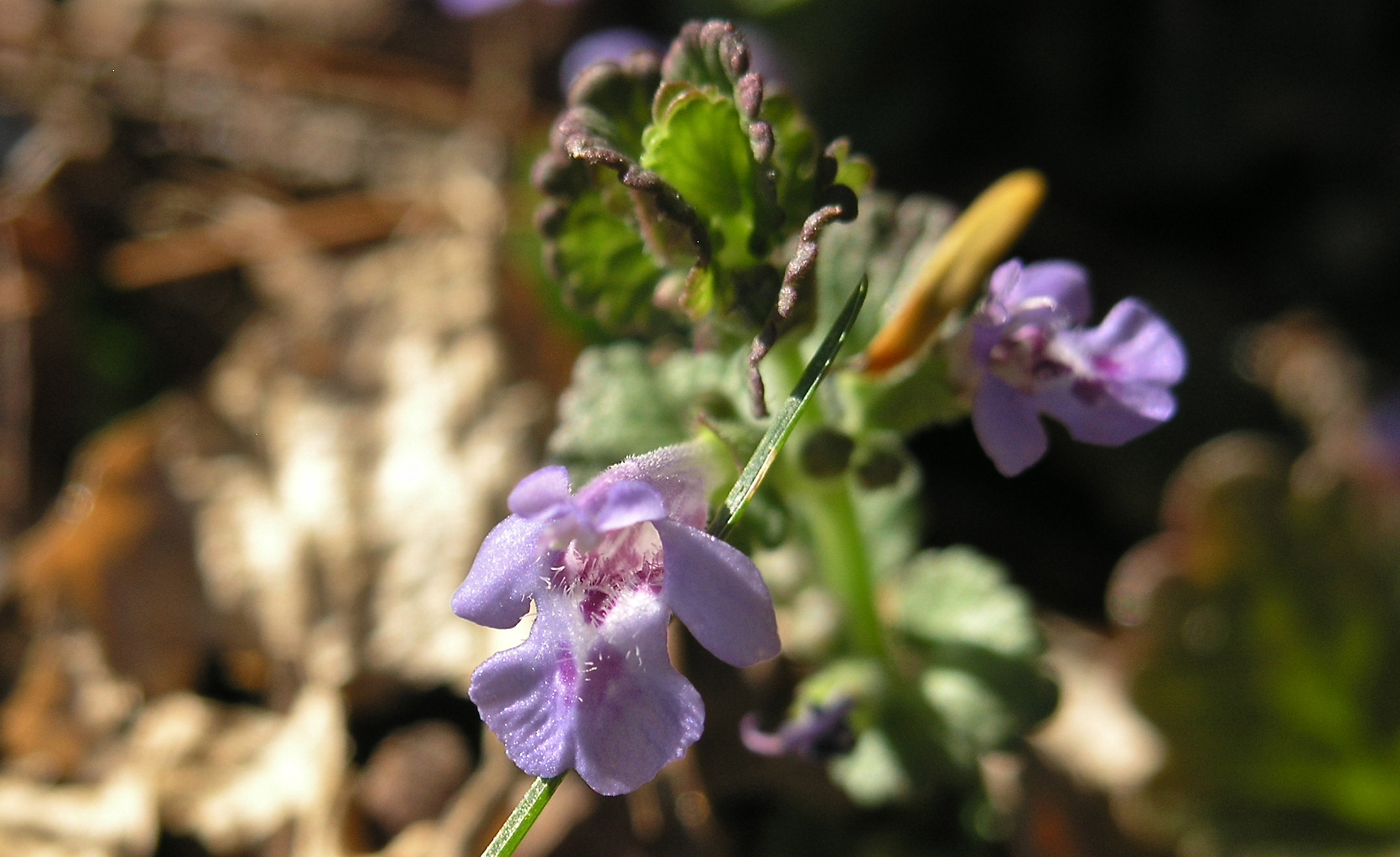
Today we found one new wildflower blooming, at Elm Bank. It’s like a tiny orchid that you never notice til you are down on your hands and knees trying to focus your camera on it. This plant is introduced and invasive. It belongs to the Mint family.

Creeping Charlie, Ground Ivy, Gill-over the ground, Haymaids (Glechoma)

Lesser Celandine

This is the first wildflower we’ve seen at Centennial this spring. Thanks to Alert Flowerophile Donna for spotting it! I originally thought this was Marsh Marigold, but it’s not.

Lesser Celandine (Ranunculus ficaria)

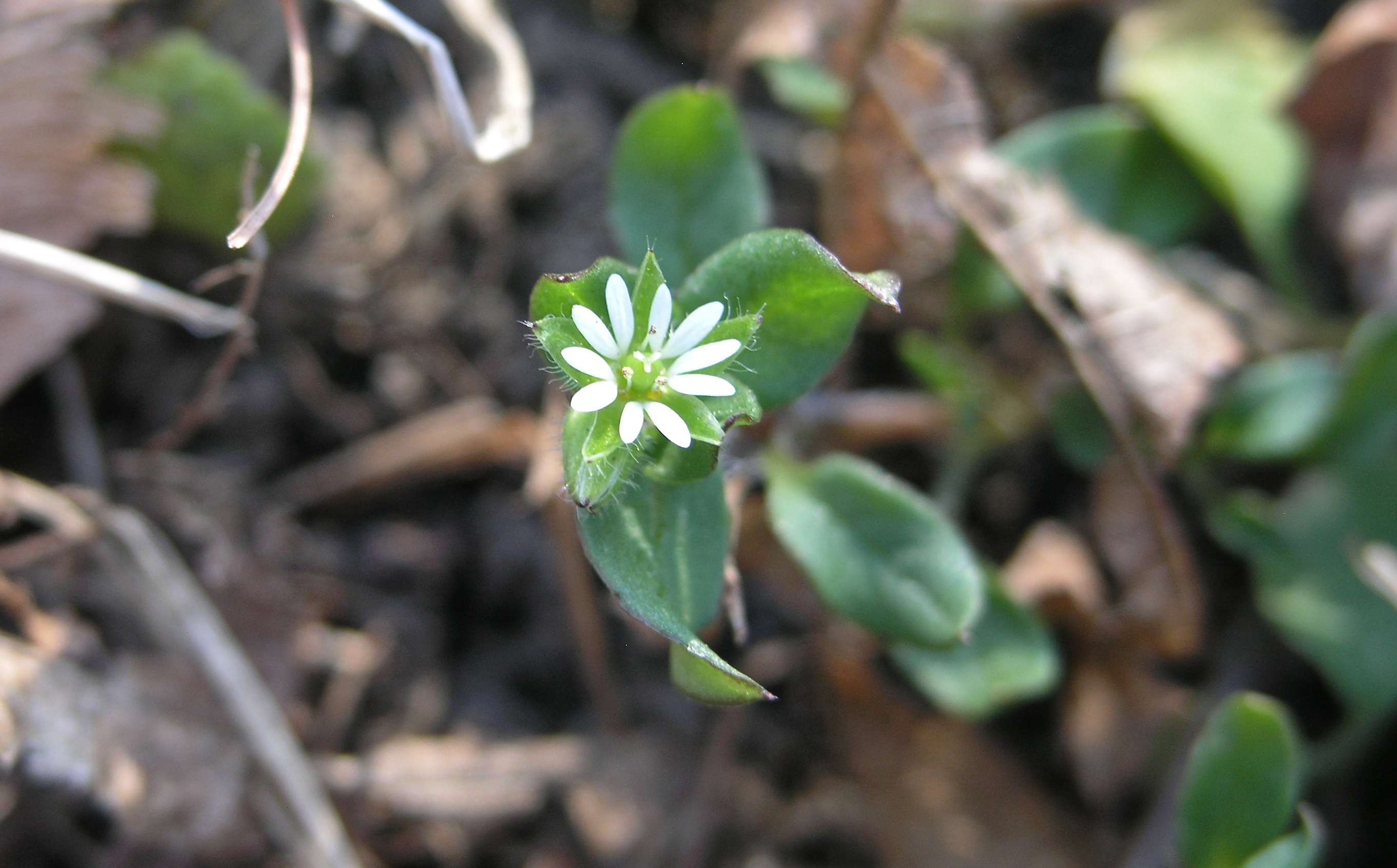
Common Chickweed

Another very tiny one– the blossom is the size of a ladybug. Note that it has five deeply-notched petals, so it looks like ten petals. Non-native and somewhat invasive. The latin name is so much nicer:

Common Chickweed (Stellaria media)

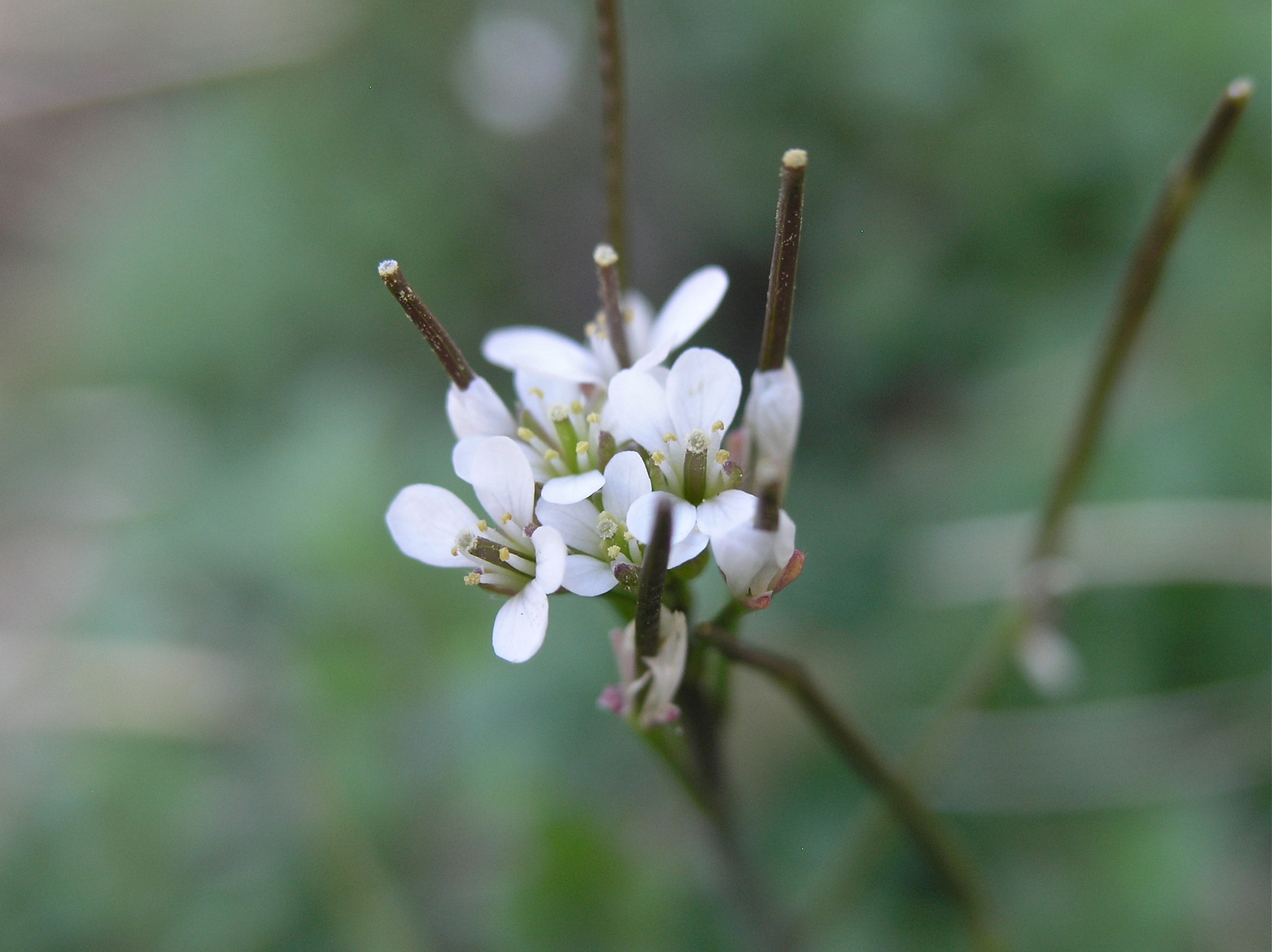
Hairy Bittercress

The flower is so small I might have missed it if I weren’t specifically watching for what is springing up. A weedy plant of the Mustard family. The foliage is edible! This name would be good for a nasty Harry Potter character.

Since I’ve started keeping this record, I’ve learned a new word: phenology, the study of periodic plant and animal life cycle events. Something people are thinking about a lot since the winter was so freakishly mild…

Hairy Bittercress, Hoary Bittercress (Cardamine hirsuta)

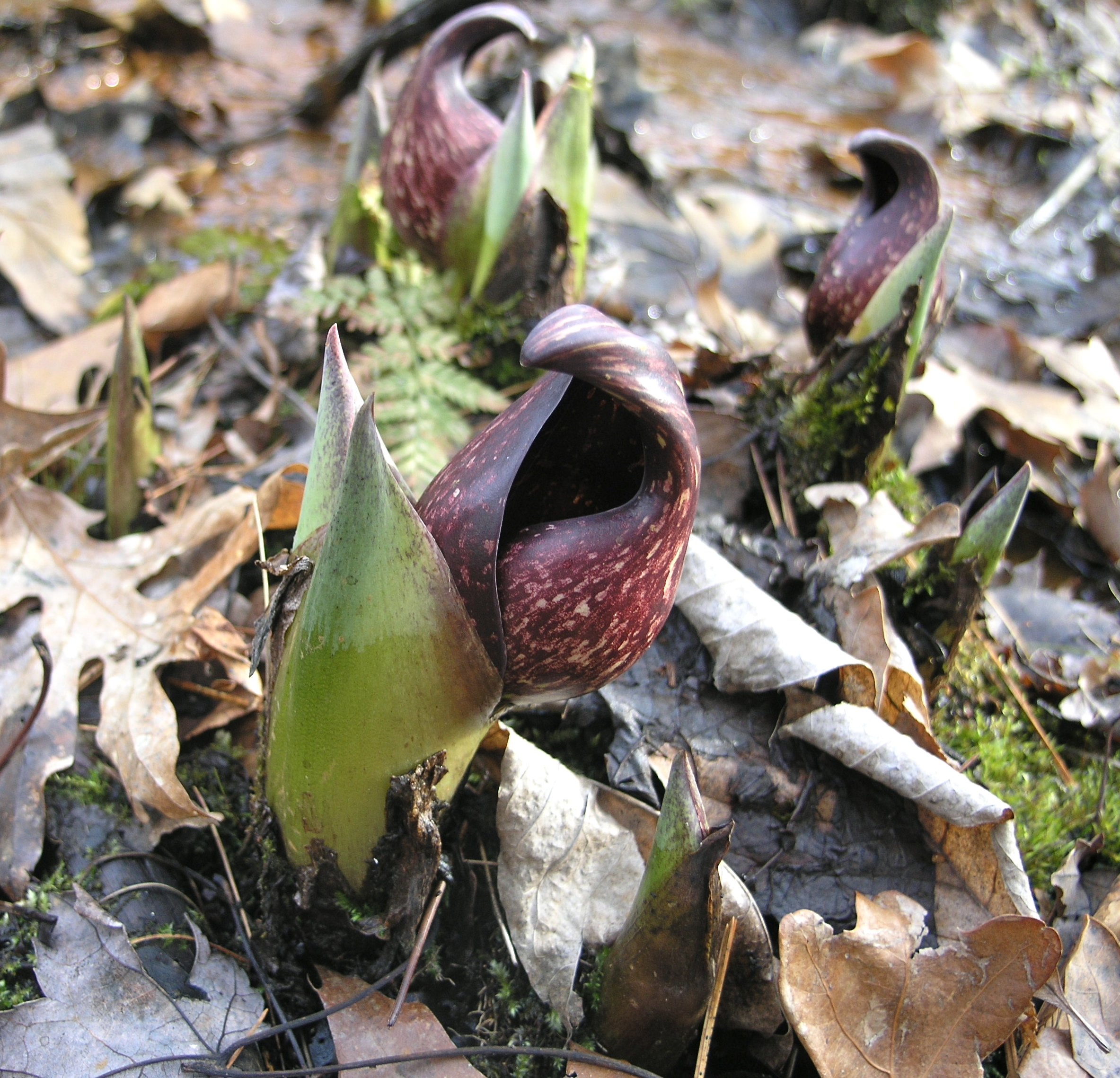
Skunk cabbage


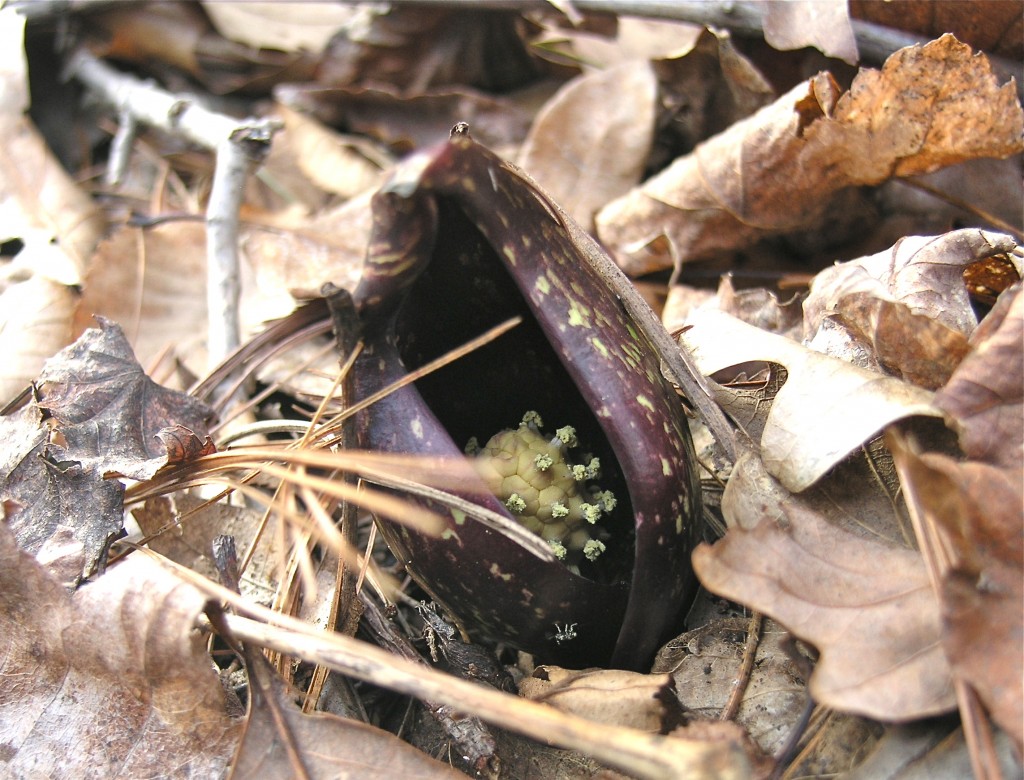
The first wildflowers I’ve seen this spring are Skunk Cabbage! The purple hood (spathe)  is the flower, which appears before the leaves, and inside it is the reproductive part (spadix). The odor attracts flies, which pollinate the flowers.

We also heard wood frogs—they sound like ducks quacking. (We heard the first spring peepers of the season earlier this week, March 12.)

Skunk Cabbage (Symplocarpus Foetidus). Ridge Hill Reservation, Needham MA.

Audio of peepers and wood frogs: http://www.mister-toad.com/frogcalls.html