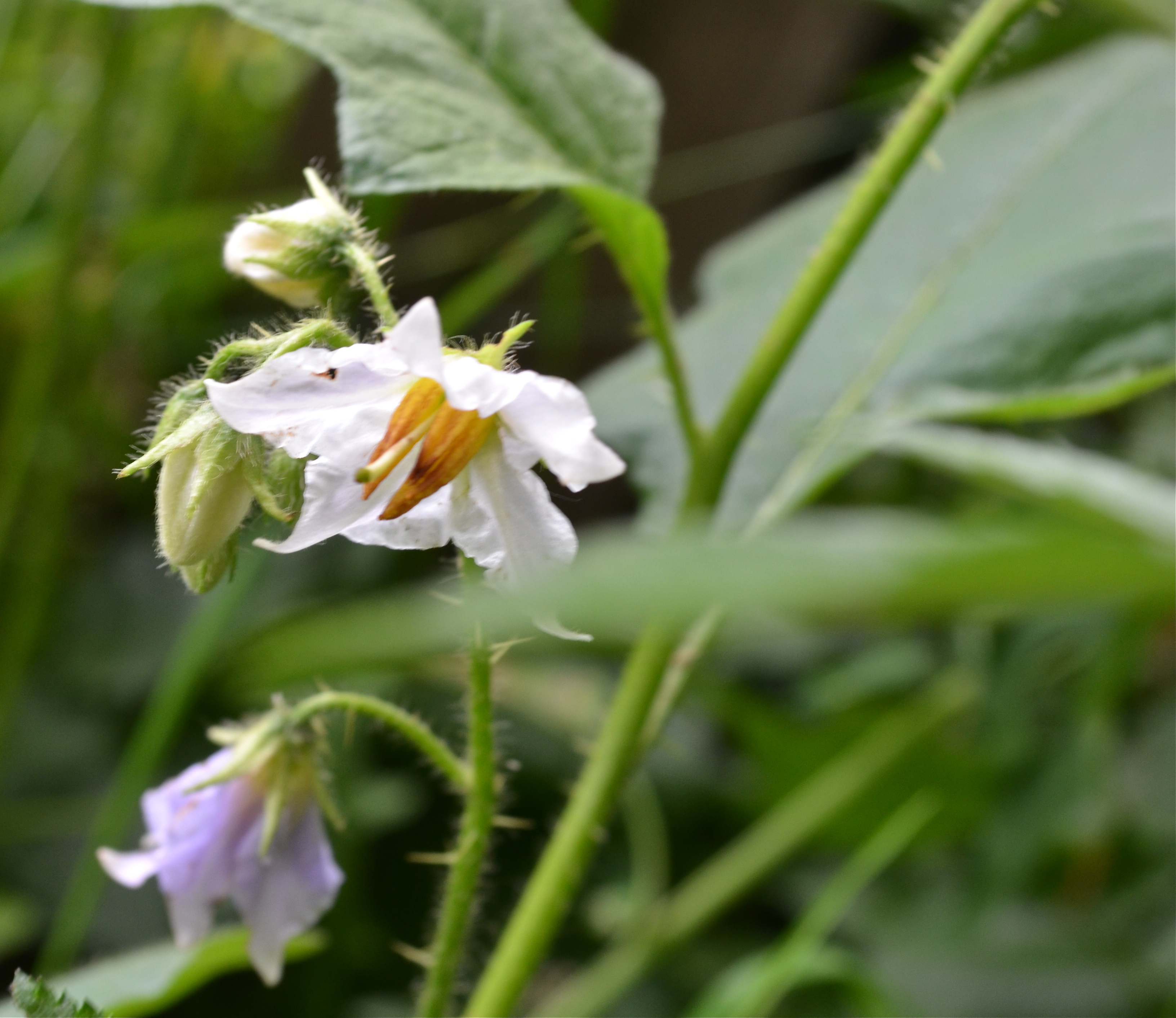
 Native. Can be up to 3 feet tall. After blooming will have round yellow fruit, like little tomatoes, but deadly to humans. Has spines along the stem. Nightshade family.
Horsenettle (Solanum carolinense)
Native. Can be up to 3 feet tall. After blooming will have round yellow fruit, like little tomatoes, but deadly to humans. Has spines along the stem. Nightshade family.
Horsenettle (Solanum carolinense)
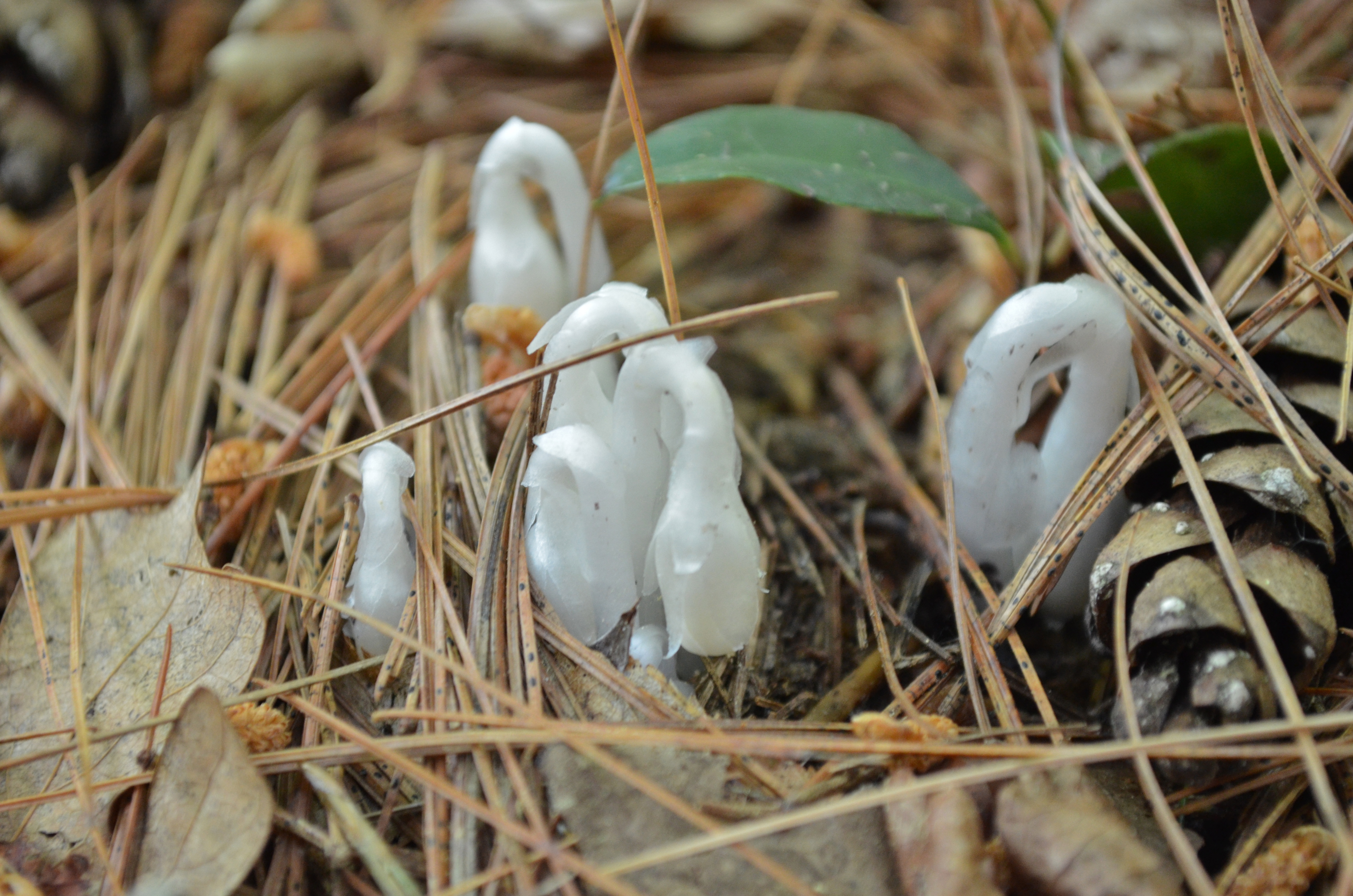
When Indian Pipe is first emerging, it looks like a few Q-Tips buried up to their eyebrows.
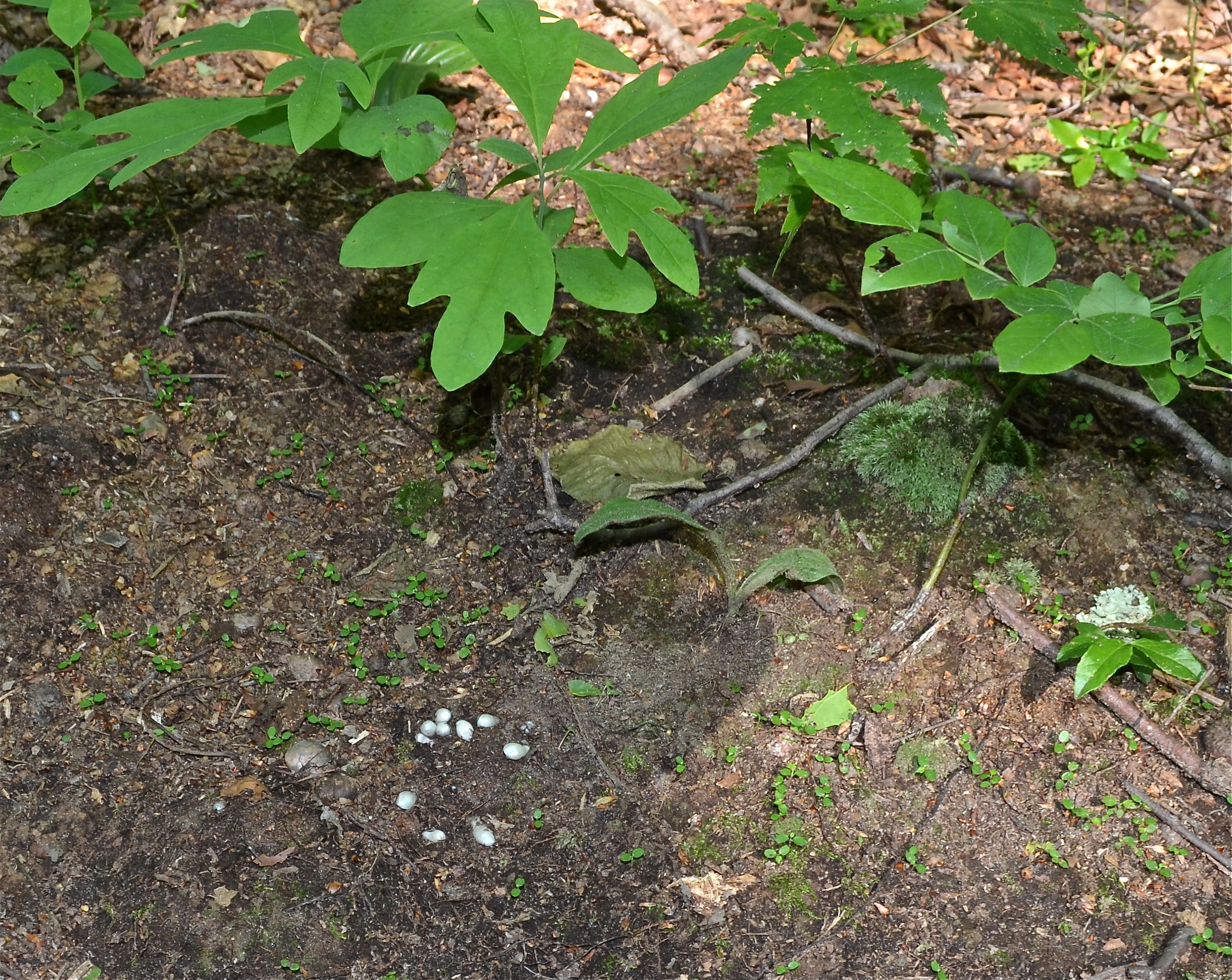
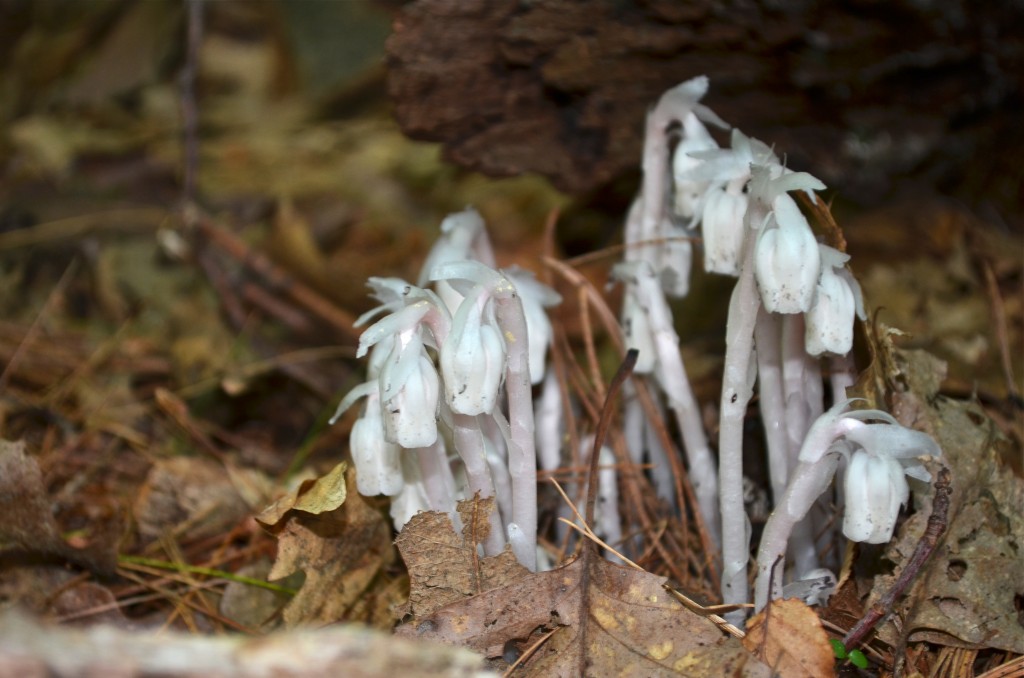
Indian Pipe is not a fungus. It’s a flowering plant related to Rhododendrons and blueberries. The flowers are pollinated by bumblebees. This plant does not have chlorophyll to make its nutrients, so it lives parasitically by tapping into fungi that live in the soil (and are obtaining THEIR nutrients from tree roots, usually beech and pines). (This is also how Ladyslipper plants get established, and it makes sense that this particular area supports a big population of both these plants–with soil full of organic matter and lots of surface litter.) So they can grow in the dark because they don’t use the sun. And, they can’t be transplanted, because they need their connection to the underground fungus, which needs its tree roots. As they age, they turn black. The name is from the way they look like little pipes stuck in the ground. According to one reference, they’re very fragrant, which seems hard to believe– and another says humans can’t detect a scent, but they attract bees nonetheless. The roots were chewed by native people to ease toothache. (Thanks to A.F. Donna for spotting these first!)
Indian Pipe, Ghost Plant, Corpse Plant (Monotropa uniflora)
Bonus picture from this hike: someone else enjoying a spot of sun.

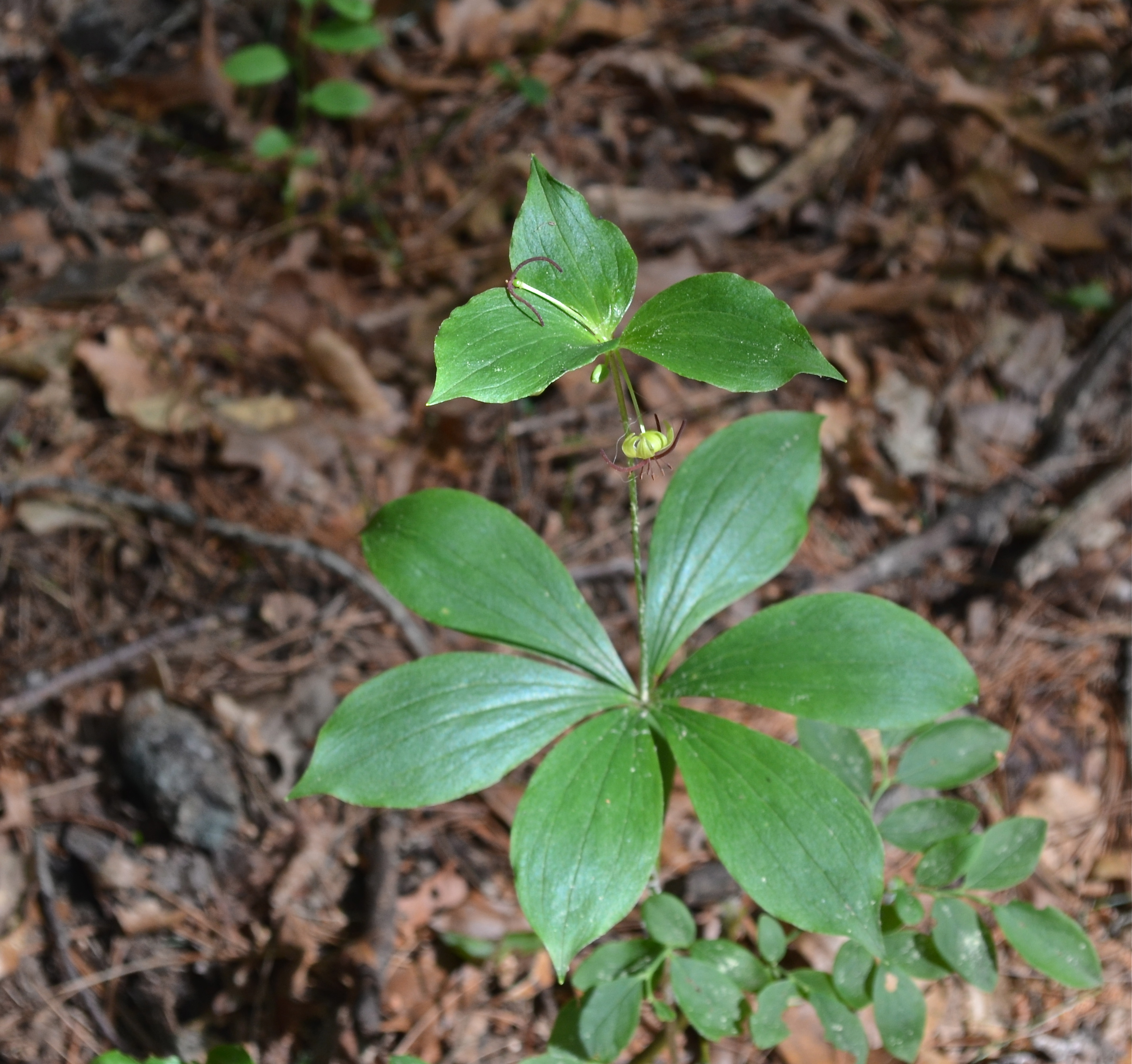
Look at this two-tier leaf structure! Very distinctive. Grows 1-2 feet tall with a greenish-yellow flower that hangs down. Will have dark purple fruit. The roots are edible raw or cooked. Lily family.
Indian Cucumber Root (Medeola virginiana)
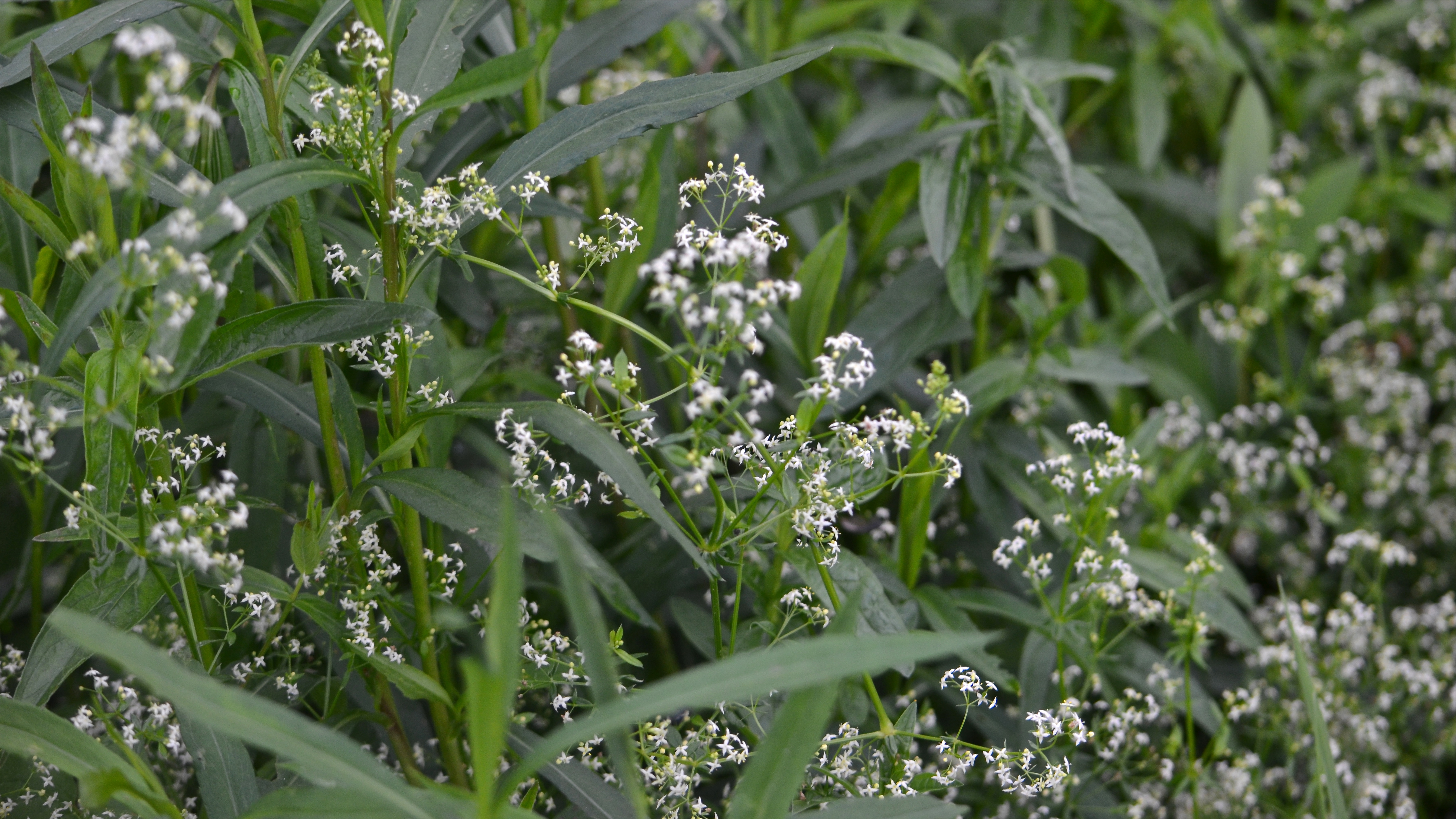
Growing tall in big drifts at Red Wing Bay. Small whorled leaves, meaning they circle completely around the stem. A kind of Bedstraw. Madder family.
Wild Madder (Galium mollugo)
 A lovely rose growing in moist soil on the lakeshore. Extremely fragrant. Native to the eastern U.S. While I took this, Lucy scouted out a big turtle.
Swamp Rose (Rosa palustris Marsh)
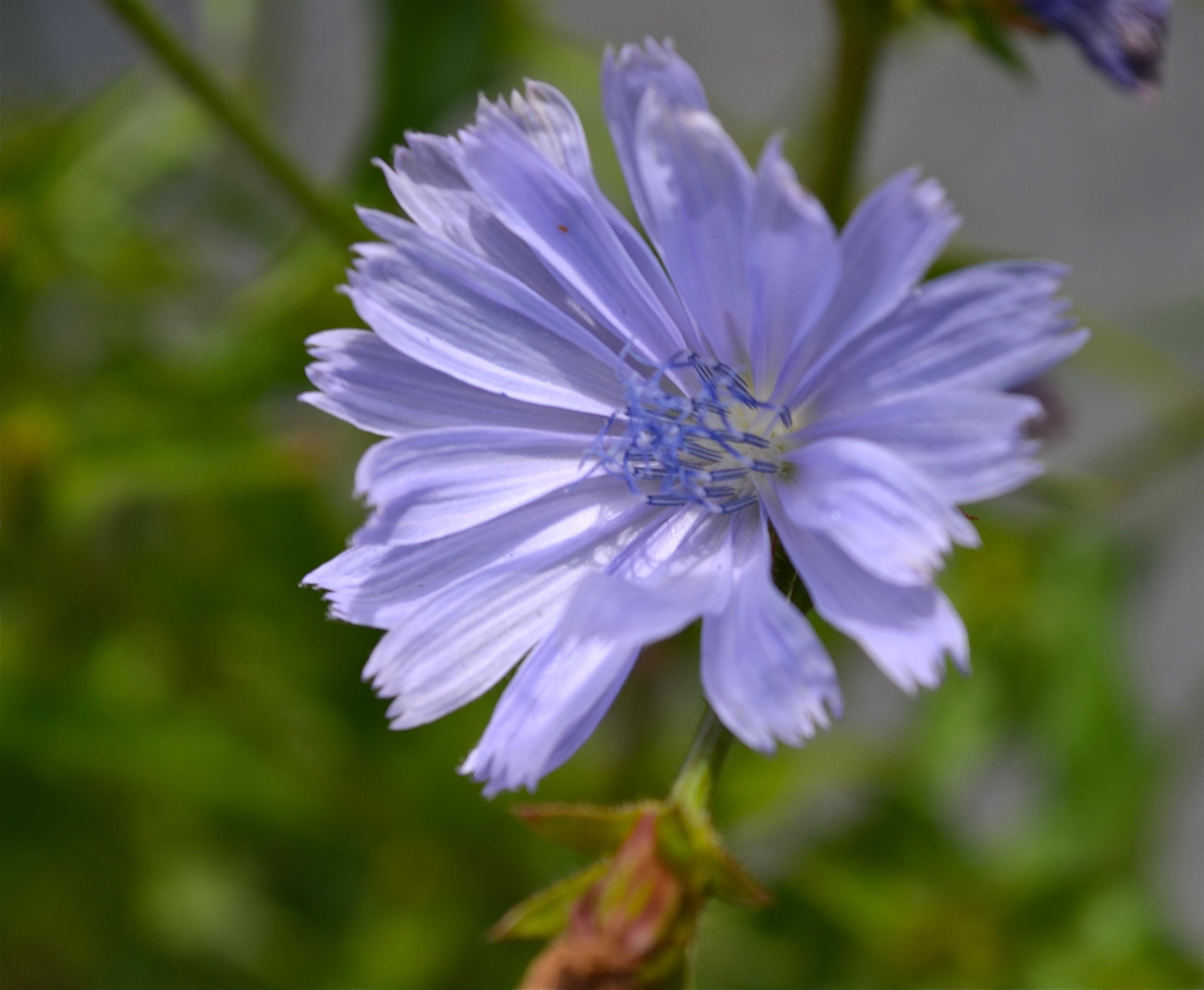 This must have a short blooming season, because I noticed a large area blooming in front of a long-empty house, and a couple of days later when I came back with a camera, there were very few blooms left. Many parts are edible, but the interesting thing is that you can roast and grind the roots, and brew them as a coffee substitute or additive. Has a smooth taste, no caffeine, and is still included in New Orleans-style blends. Also known to be toxic to internal parasites — now THAT’s coffee. Also, the chicory plant is one of the earliest plants mentioned in literature, and was cultivated in ancient Egypt. Native to Europe.
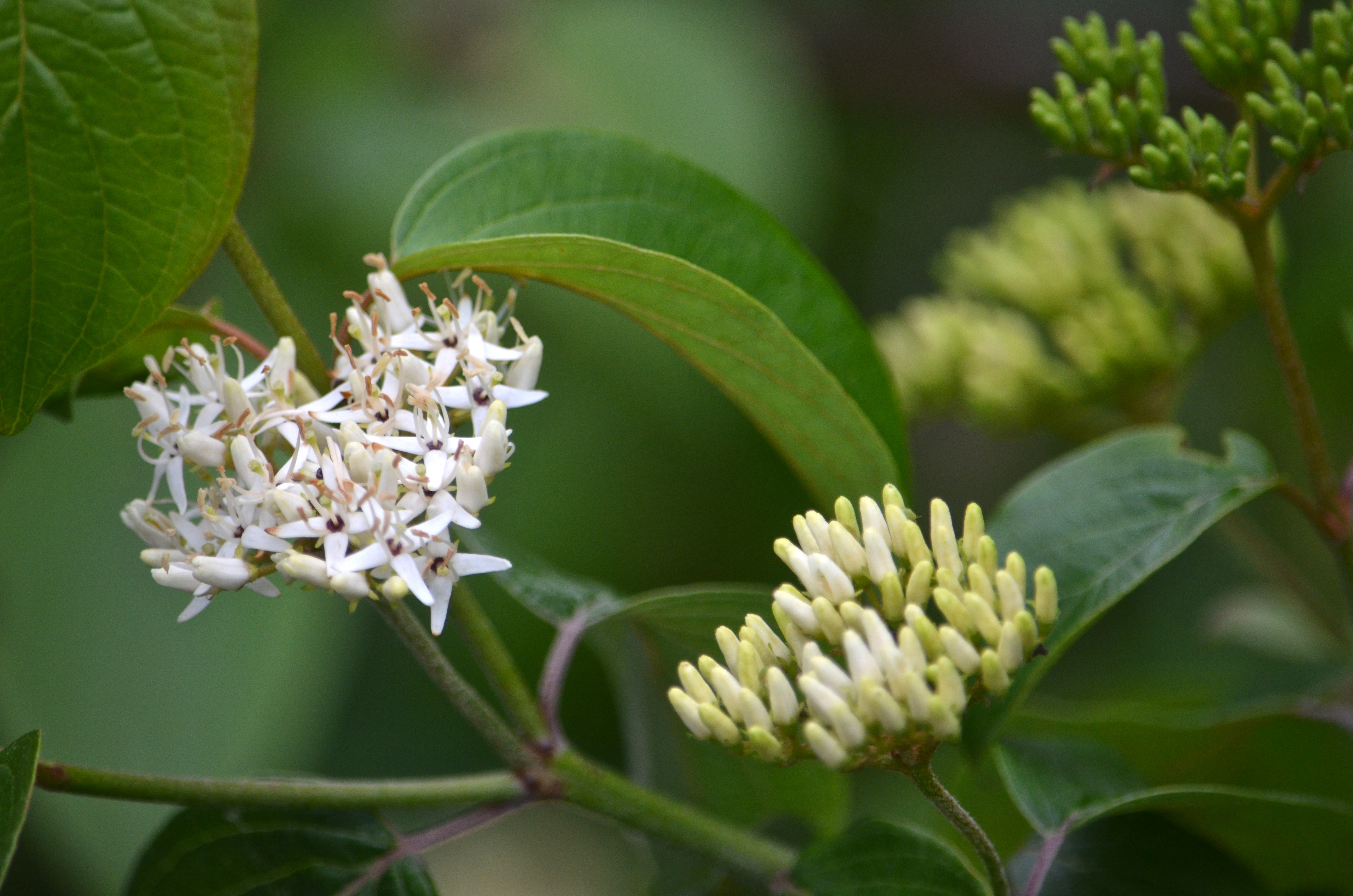 On the shore of Walker Pond. A favorite with butterflies. Will have blue/lavender berries. Dogwood familly.
Silky Dogwood, Swamp Dogwood (Cornus amomum)
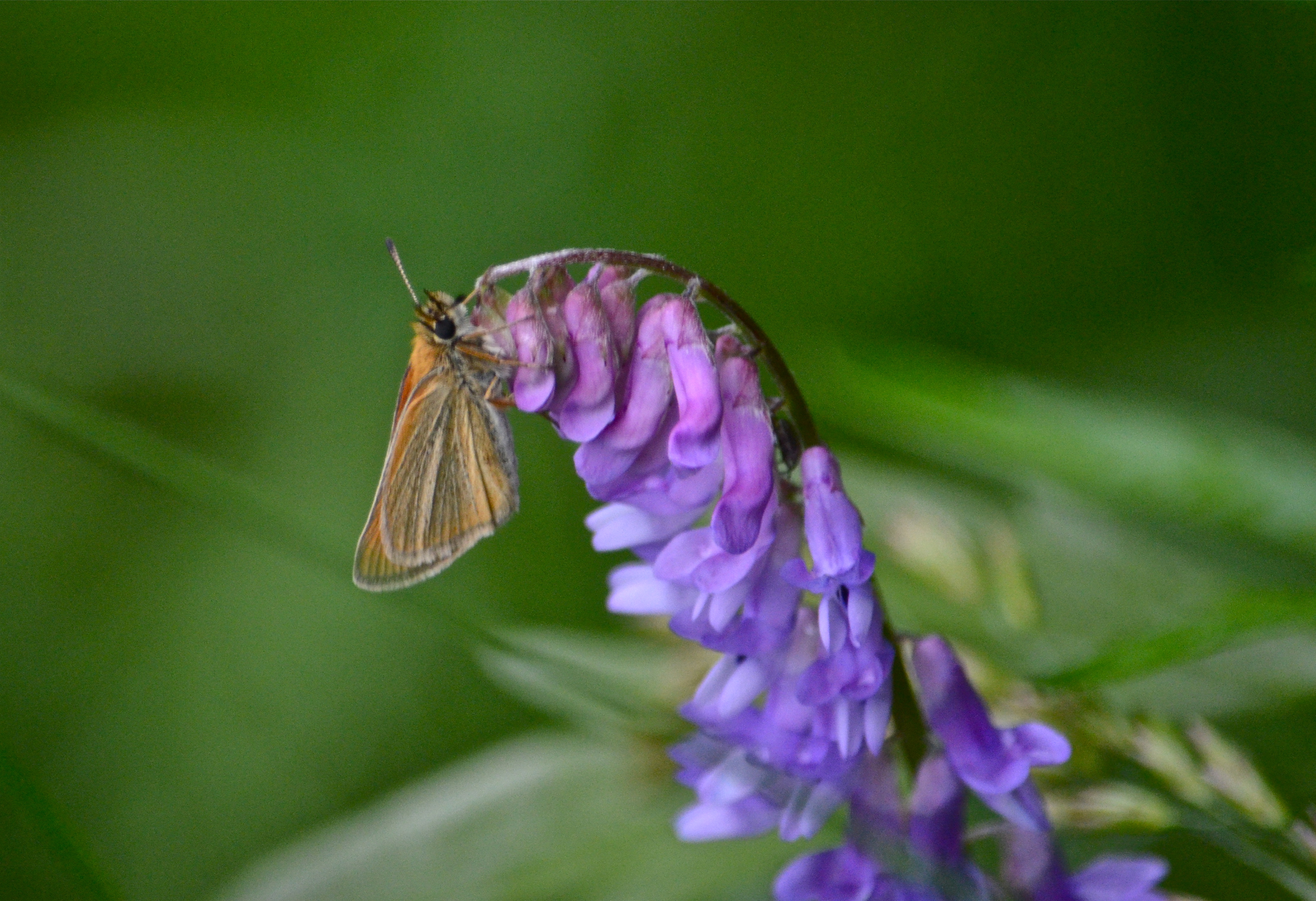
I have already posted photos of common vetch and crown vetch. This is another species of vetch, similar to a pea in habit, with tendrils that fasten on to other plants. Widely used as forage for cattle. Pea family. Origin: Eurasia.
Cow Vetch, Tufted Vetch, Bird Vetch (Vicia cracca)
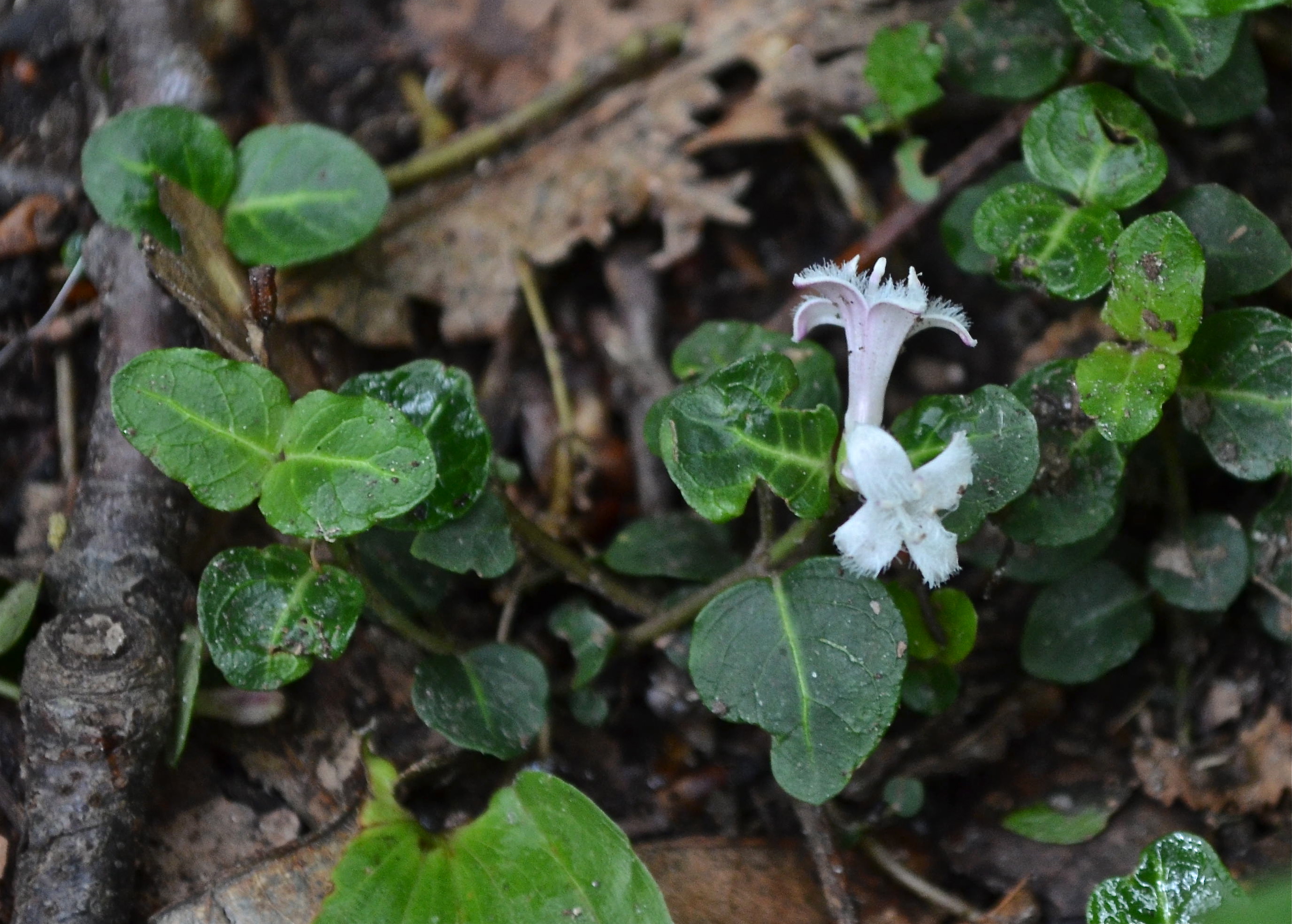

This is a small ground creeper. The species name repens refers to its trailing habit. Will bear red berries. The blossoms occur in pairs, and both must be pollinated to result in a single berry. Evidently people grow this in their gardens for the green leaves and red berries in winter. Native vine.
Partridge Berry (Mitchella repens)