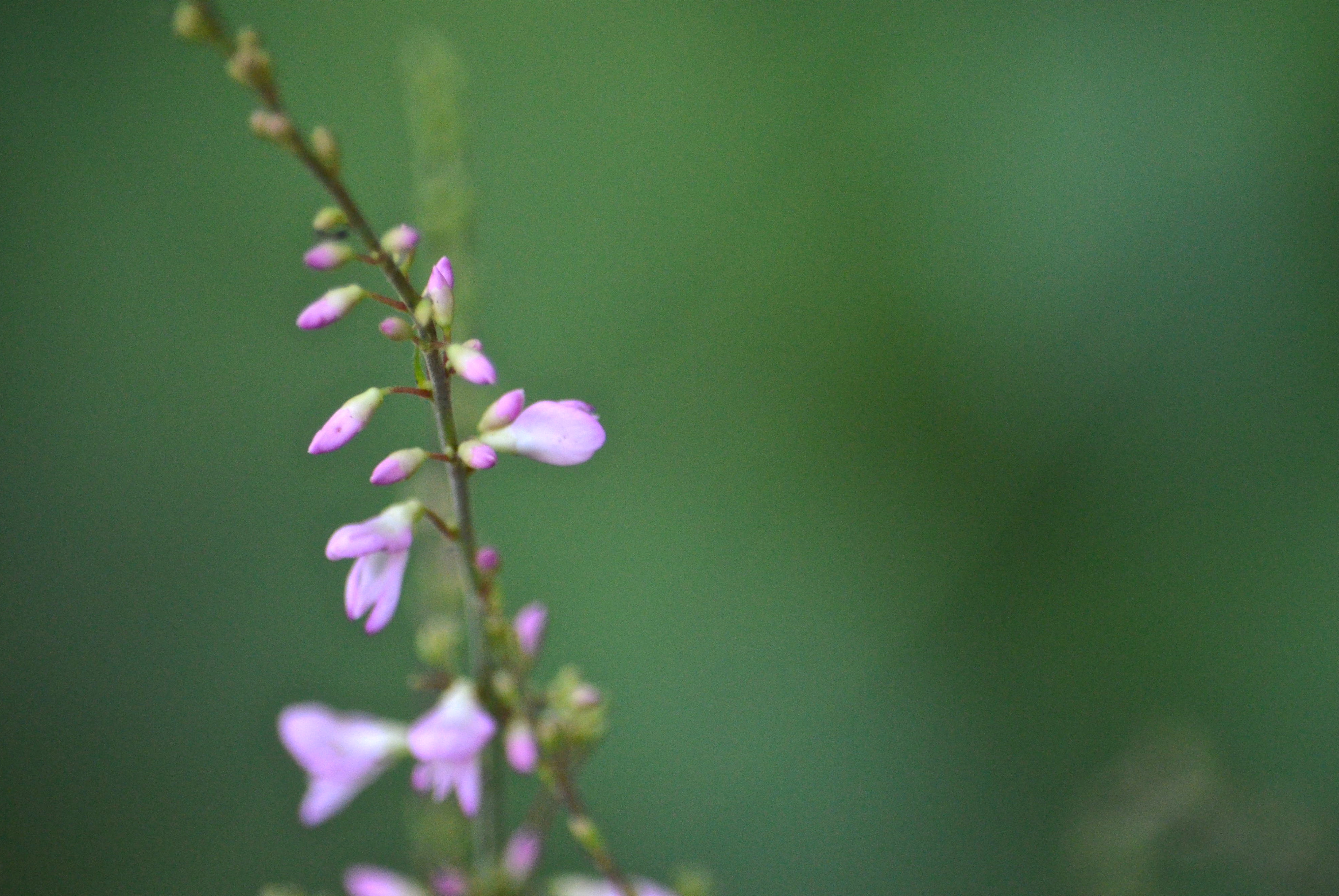
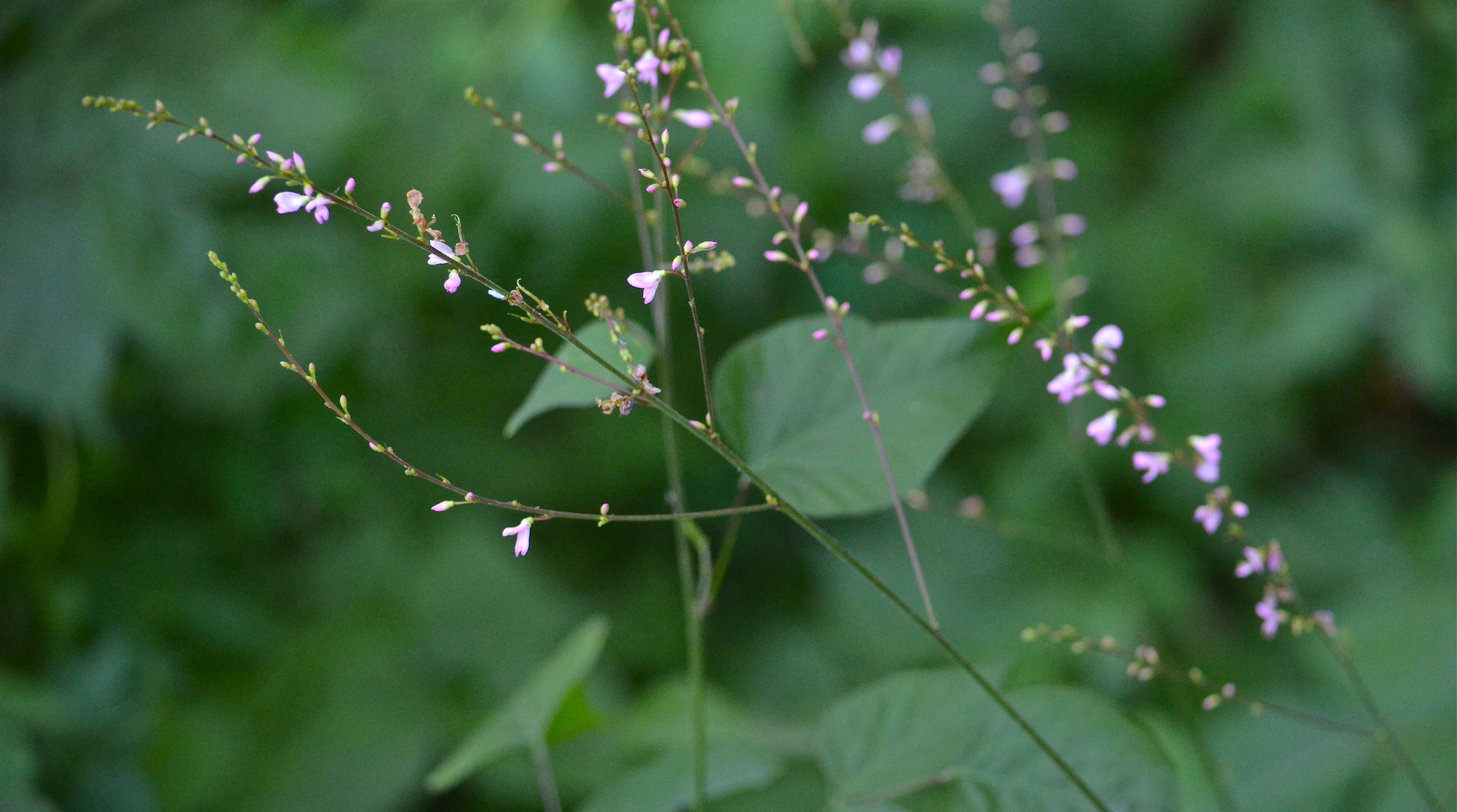
Tall with 4 to 5 whorled leaves. I’ll have to go back when they’re open.
Spotted Joe-Pye Weed (Eupatoriadelphus maculatus)
Update: Here is some in bloom at Longfellow Pond, Late July.

Tall with 4 to 5 whorled leaves. I’ll have to go back when they’re open.
Spotted Joe-Pye Weed (Eupatoriadelphus maculatus)
Update: Here is some in bloom at Longfellow Pond, Late July.
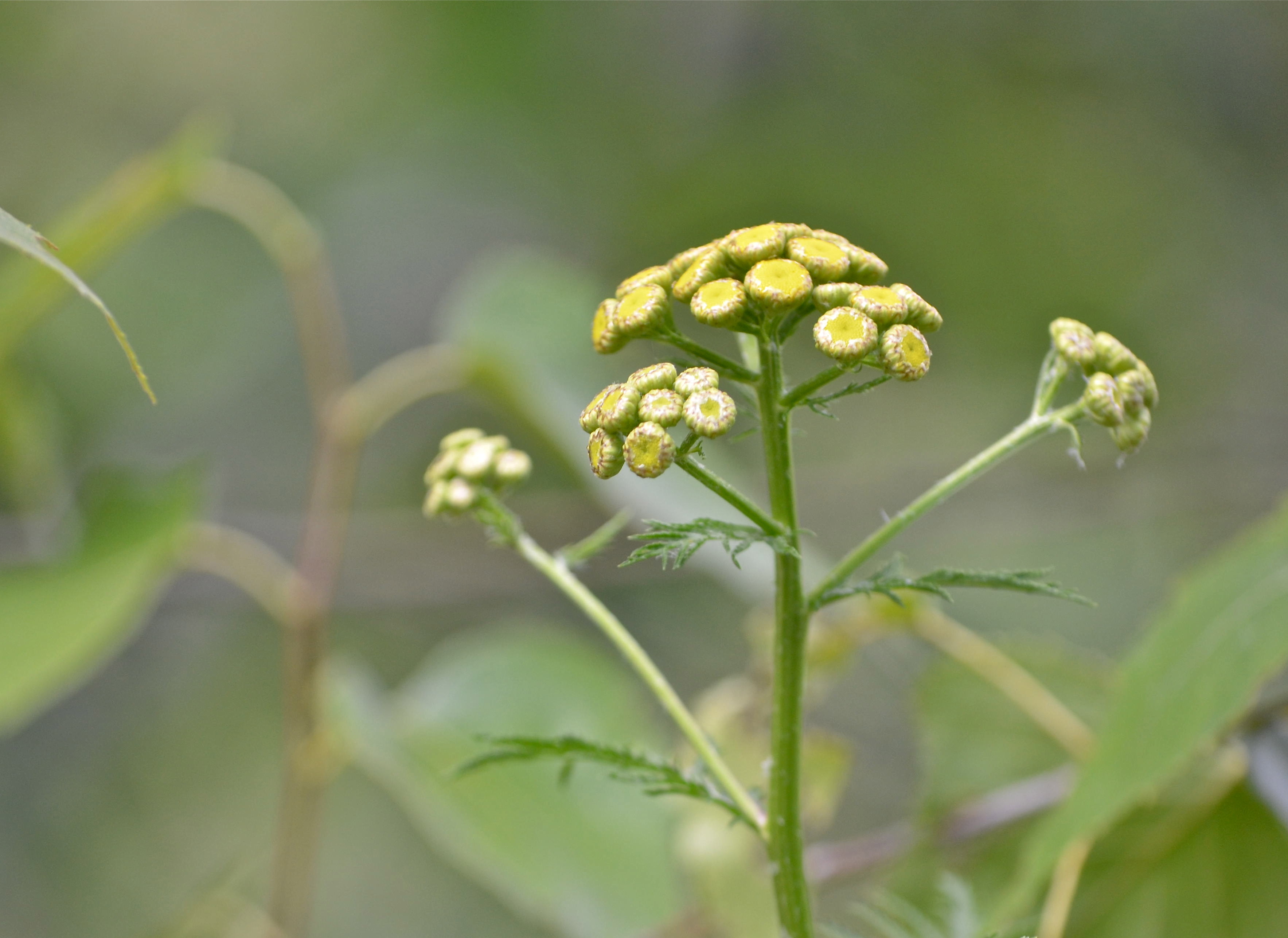 Toxic. Some insects are immune to the toxicity and feed mainly on this plant. This is one with a long record of cultivation as a medicinal herb, starting with ancient Greece. During the middle ages, high doses were used to cause abortions. Also used to ward off insects and for preservative aspects; packed into coffins and used at funerals, placed into bedding. Used in mosquito repellent. Aster family. Native to Europe and Asia.
Tansy, Bitter Buttons, Cow Bitter, Mugwort, Golden Buttons (Tanacetum vulgare)
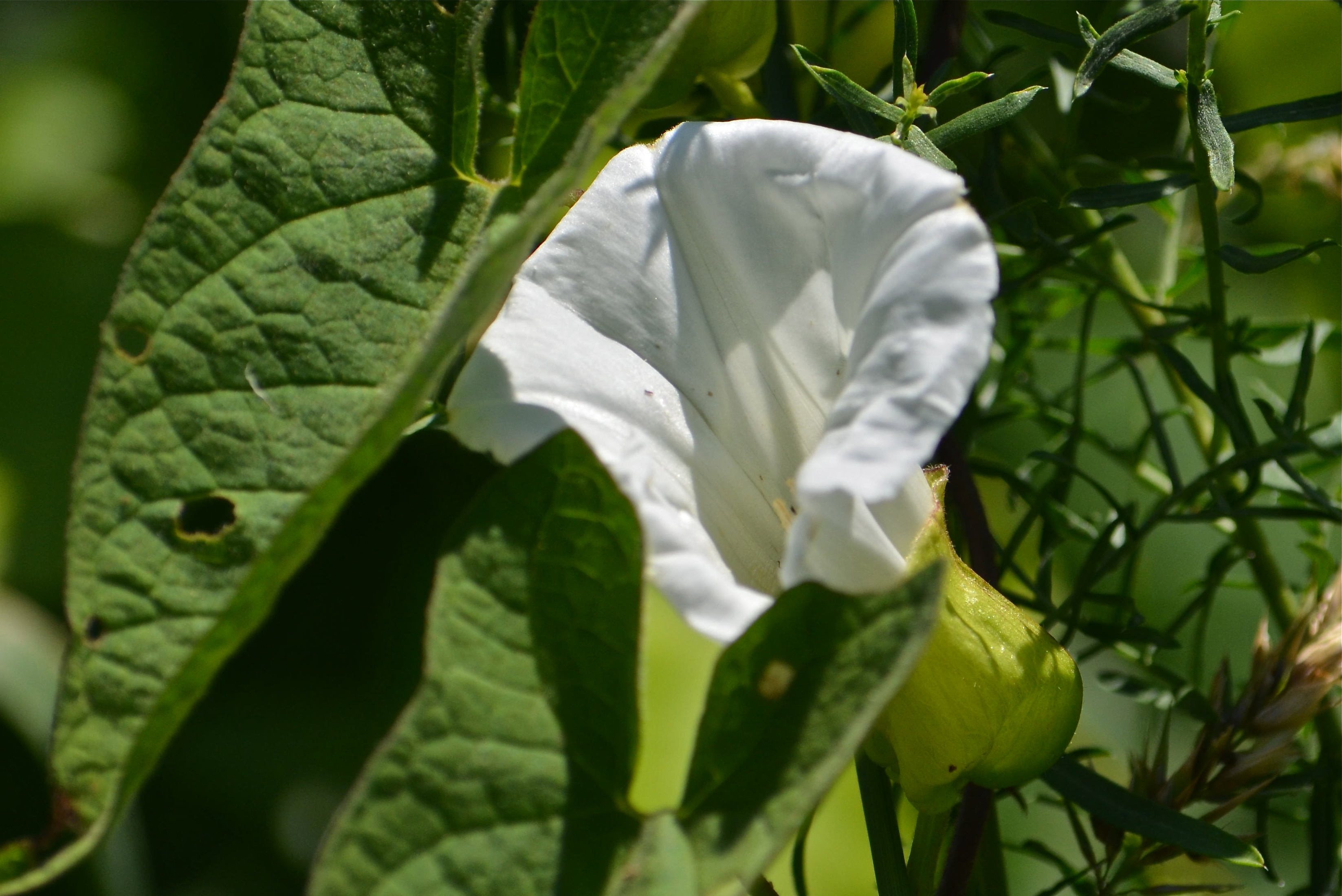
Creates dense mats that choke out other plants. Probably introduced accidentally with crop seed in the 1700s. Native to Europe, Asia. Morning Glory family.
Field Bindweed (Convolvulus arvensis)
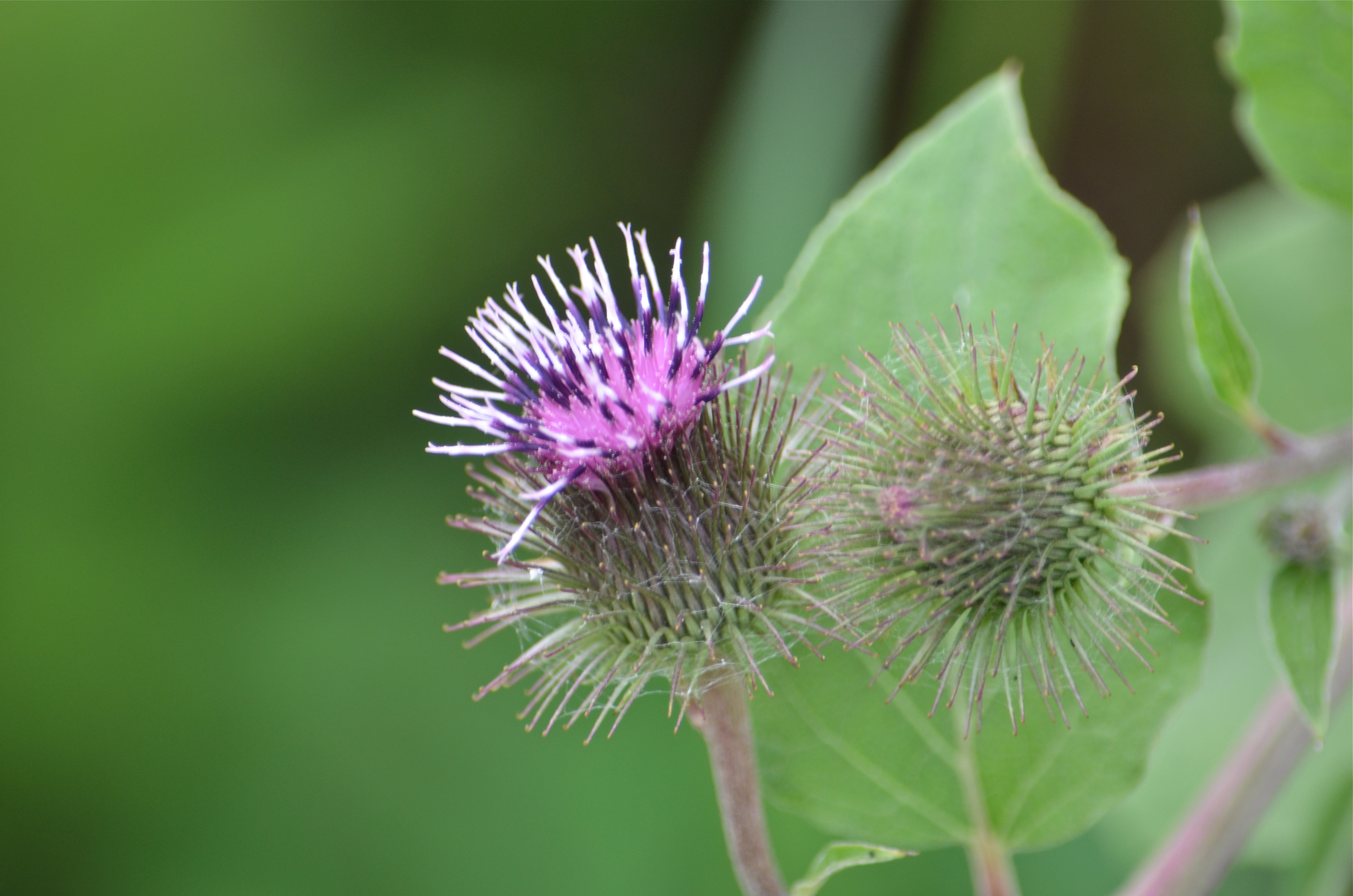
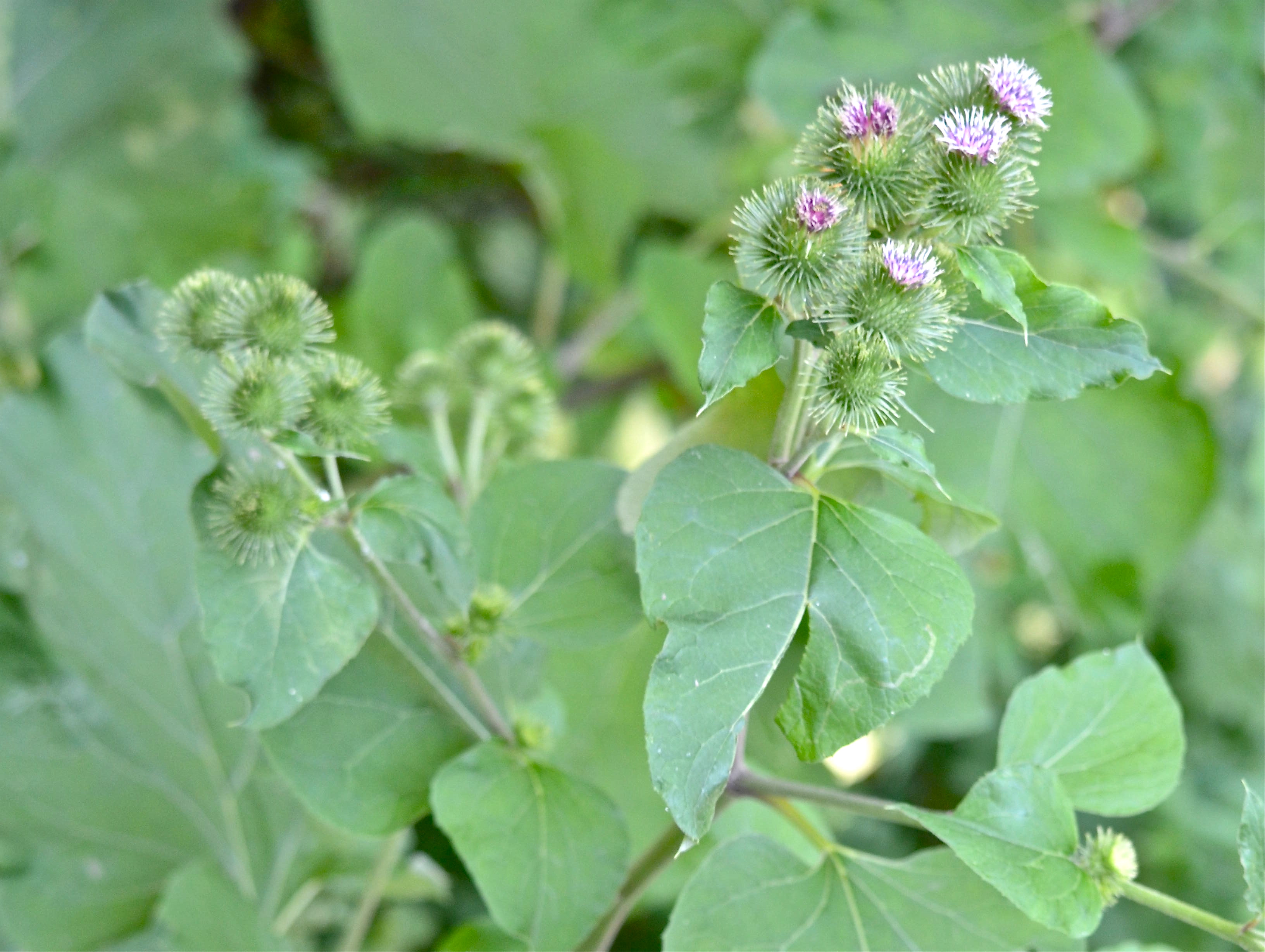
These can get to be 9 feet tall. All parts were used medicinally — leaves, roots, flowers, and seeds. One way to distinguish it from common burdock is that the flowers are on little stalks, whereas in common burdock the flowers cluster directly on the main stem. Aster family. Native to Europe, Asia. Cultivated in Japan because they like to eat it, especially the roots, julienned and braised with a sauce or pickled in sushi, or as a snack chip.
Great Burdock, Beggar’s Buttons (Arcticum lappa)
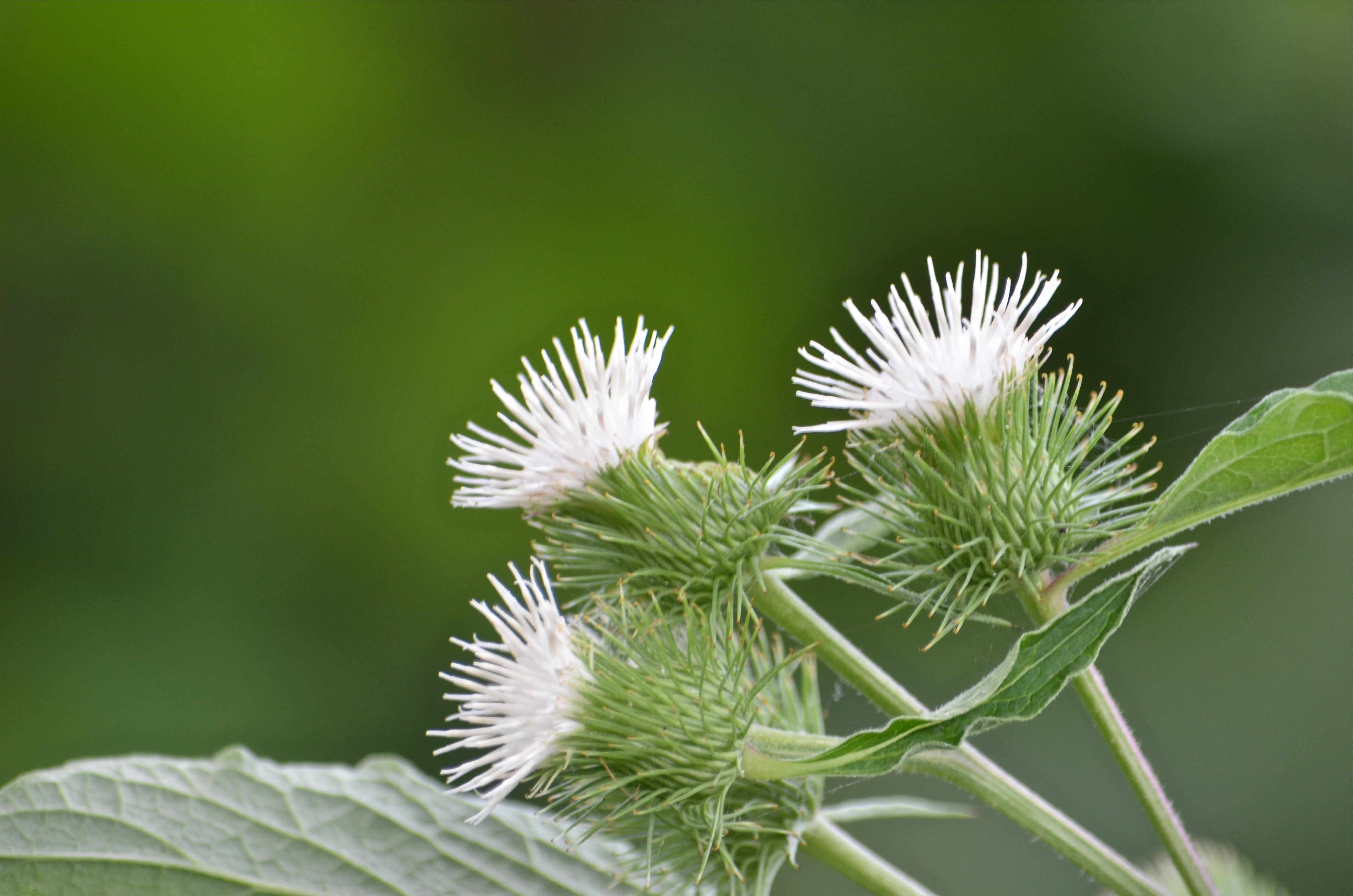
Bonus: Most of these are purple, but there was also a white one:
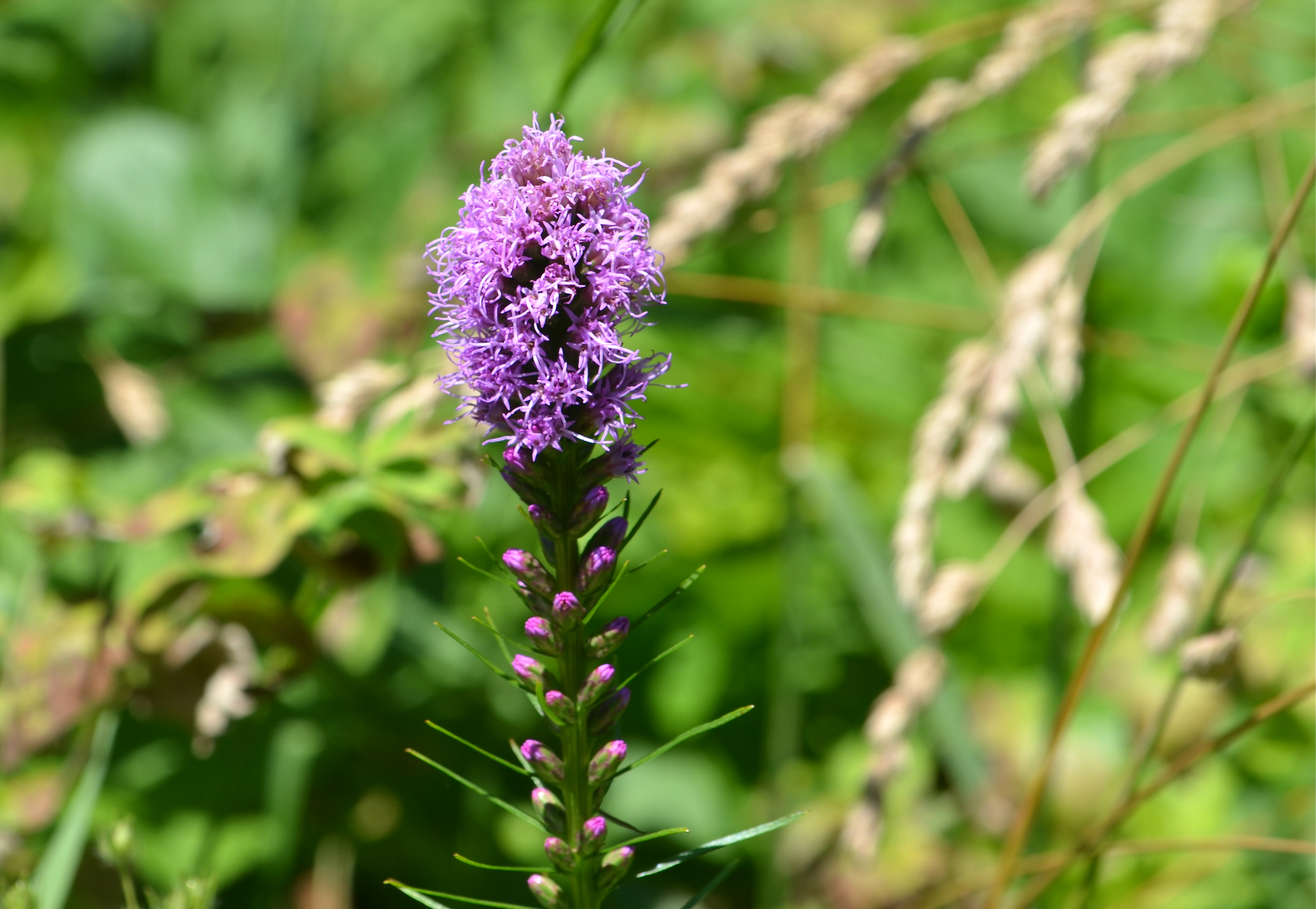
Drought tolerant and a favorite of butterflies. Native. Aster family.
Liatris, Blazing Star, Gay Feather, Button Snakeroot (Liatris)
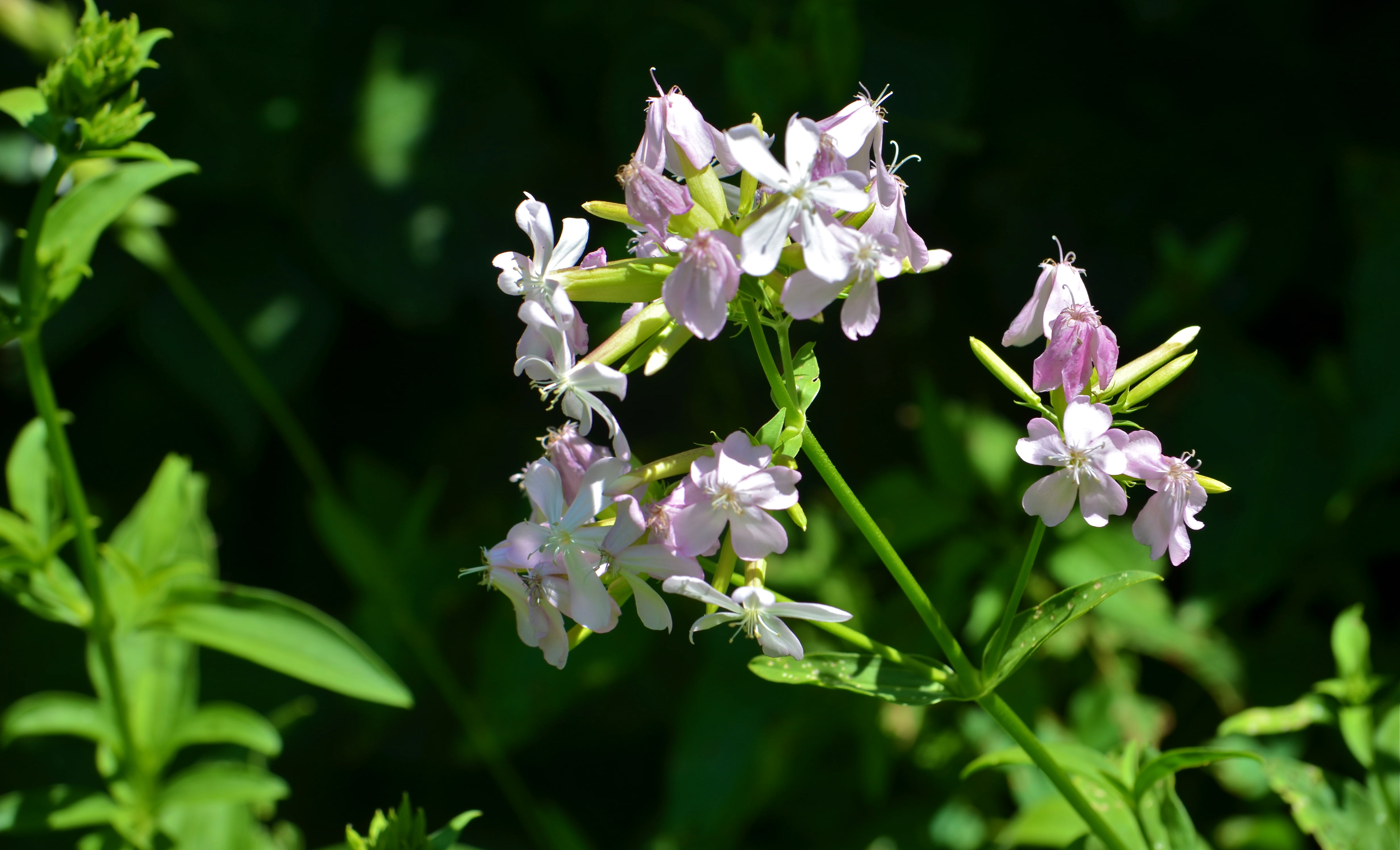
There is a big stand of this at Centennial and I would have called it phlox, but it’s actually called Bouncing Bet or Soapwort. The leaves contain a natural soap. You can lather up with crushed leaves! Must try this. Pink family. Native to Europe.
Bouncing Bet, Soapwort (Saponaria officinalis)
 From a distance this resembles Dame’s Rocket and Phlox, but the toothed edges of the petals give it away. This name first recorded in a 1596 garden catalog! (They must mean a different sort of catalog.) Edible flowers. Native to southern Europe and parts of Asia.
Sweet William (Dianthus barbatus)
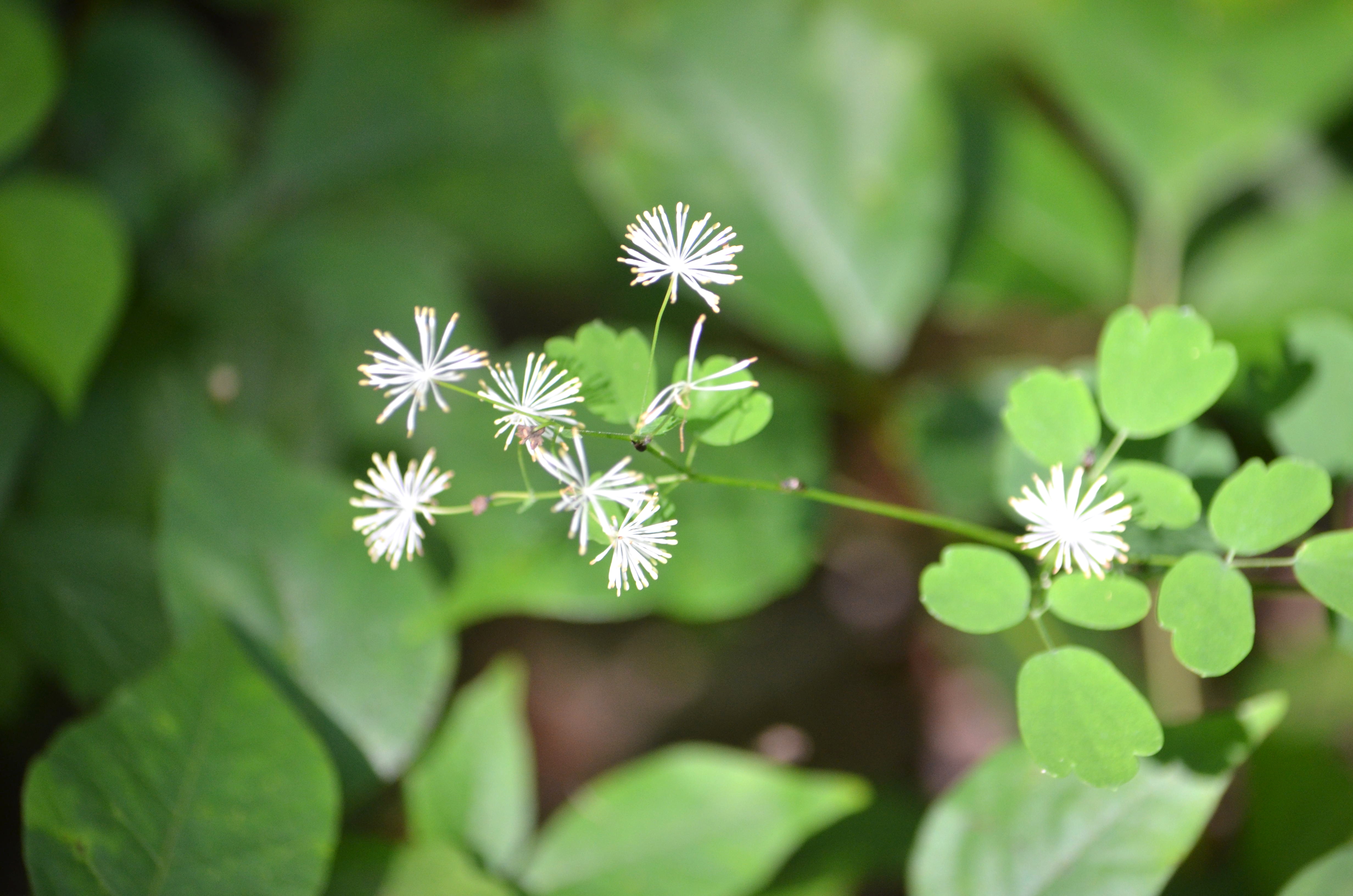
In a swampy area. I have an earlier post for a bigger, taller variety of rue. This one is small and low growing. Apparently rare in this region. (I got lost on this hike too! and saw a deer bound by that the dogs didn’t see, but when we got near where it passed, they smelled it and were in the grips of their DNA, desperate to chase!)
Mountain Meadow Rue, Cliff Meadow Rue, Lady Rue (Thalictrum clavatum)
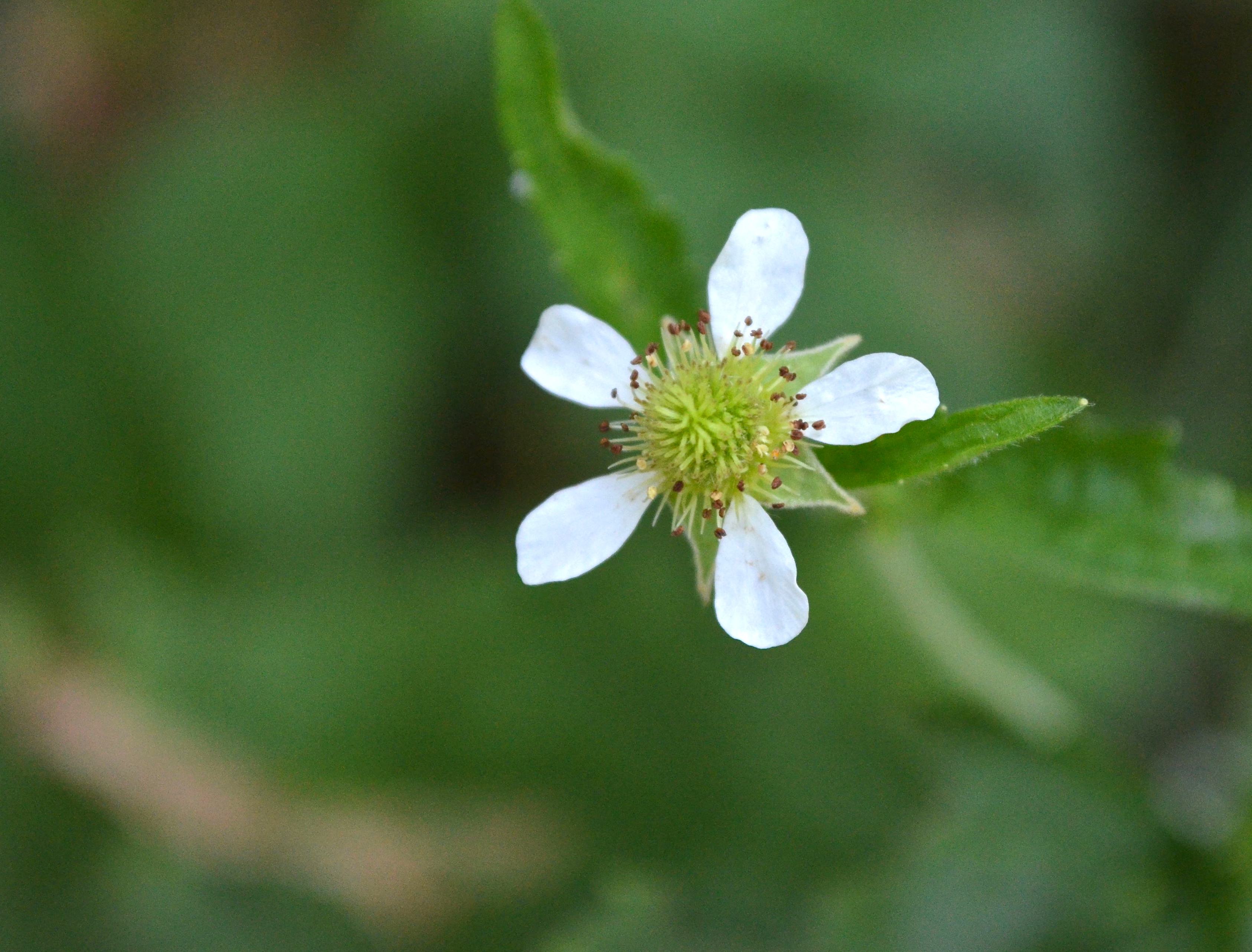
Now, a more modest little flower, growing with the fleabane and pokeweed in our wood pile. Rose family. Native.
White Avens (Geum canadense)