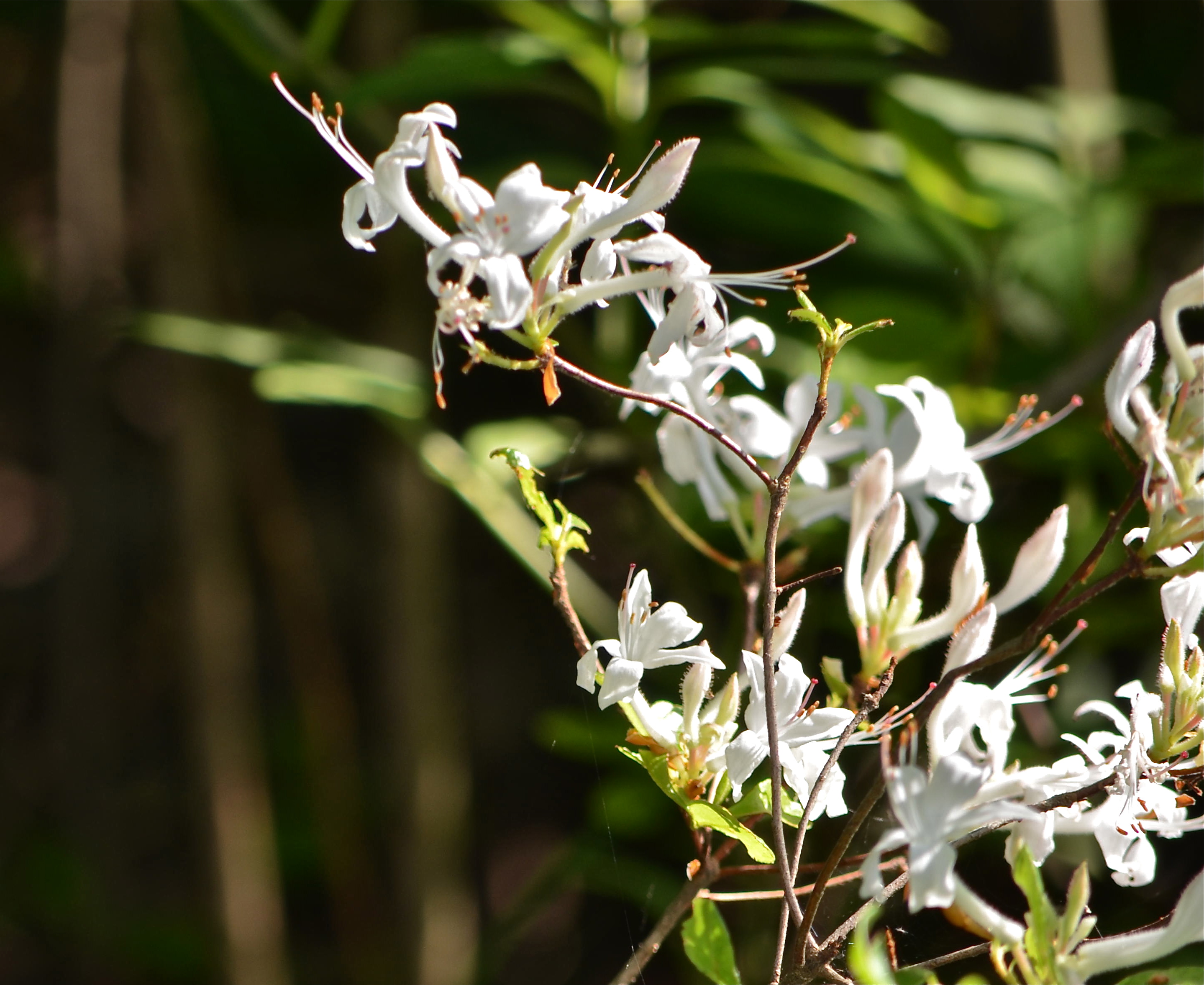
Swamp Azalea

This is growing right by the pond with the water lilies. I couldn’t get very close because it was swampy—it was kind of a jungle back there. Plus I got lost for awhile, which made it even more of an adventure! Fragrant. Heath family. Native.

Swamp Azalea, Swamp-honeysuckle, Clammy Azalea (Rhododendron viscosum)

Fragrant Water Lily

I have not passed by any of these while they’re open, while I had a camera, so this will have to do. (They are open in the  morning, and closed in the afternoon.) This is back farther in the woods at Wilson. They like clear water as deep as 8 feet, and they root into the mucky bottom, and send up stems which will each bear one flower. A food source for turtles, muskrats, beavers and deer. Native.

Fragrant Water Lily (Nymphaeaceae odorata) (all those vowels are not typos.)

Sweet Cicely

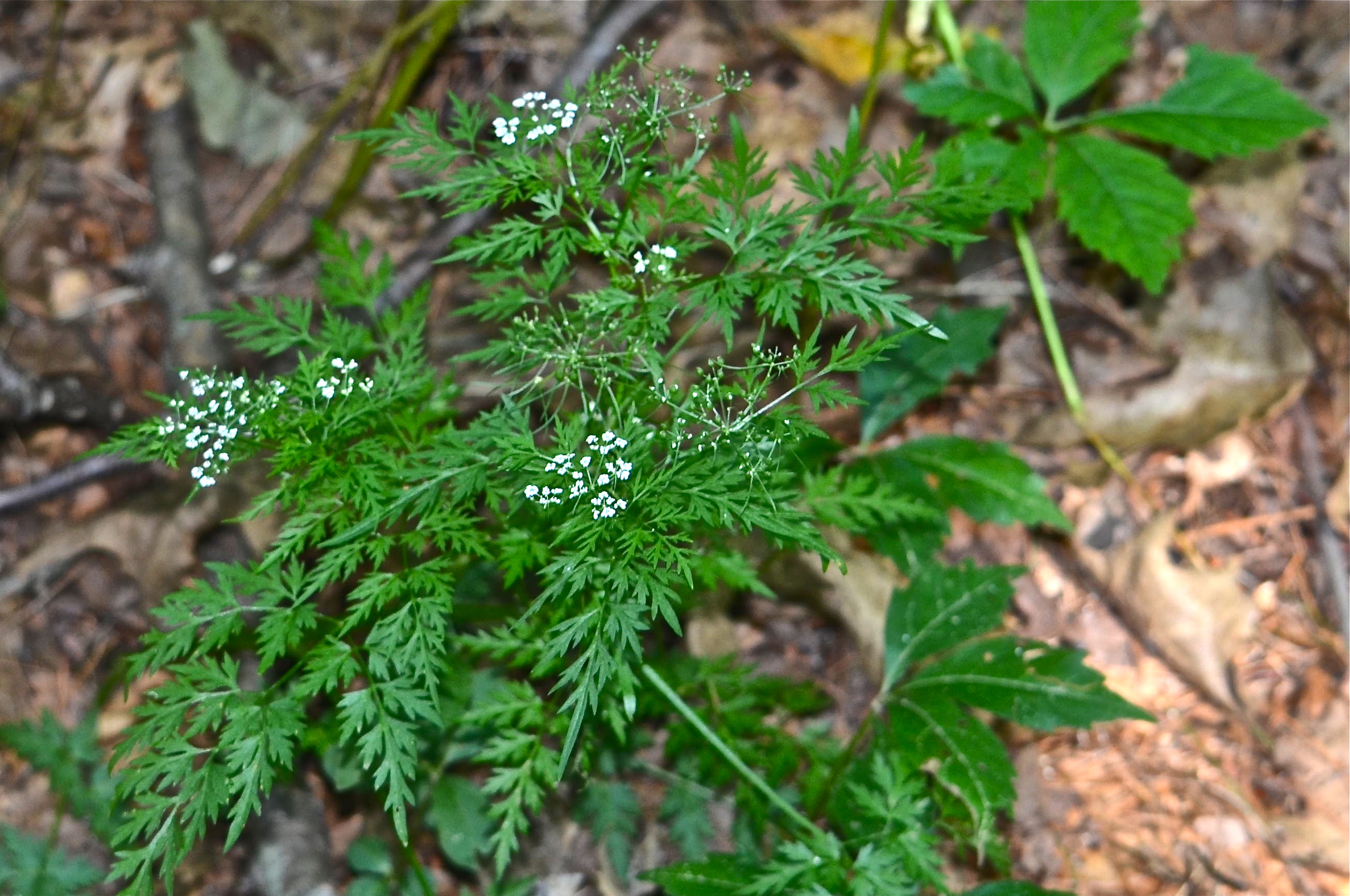
Then when you come out of the bright meadow into the shady woodlands, there is this delicate little plant. Has a licorice scent when crushed. Parsley family. Native.

Sweet Cicely, Sweet Jarvil (Osmorhiza claytoni)

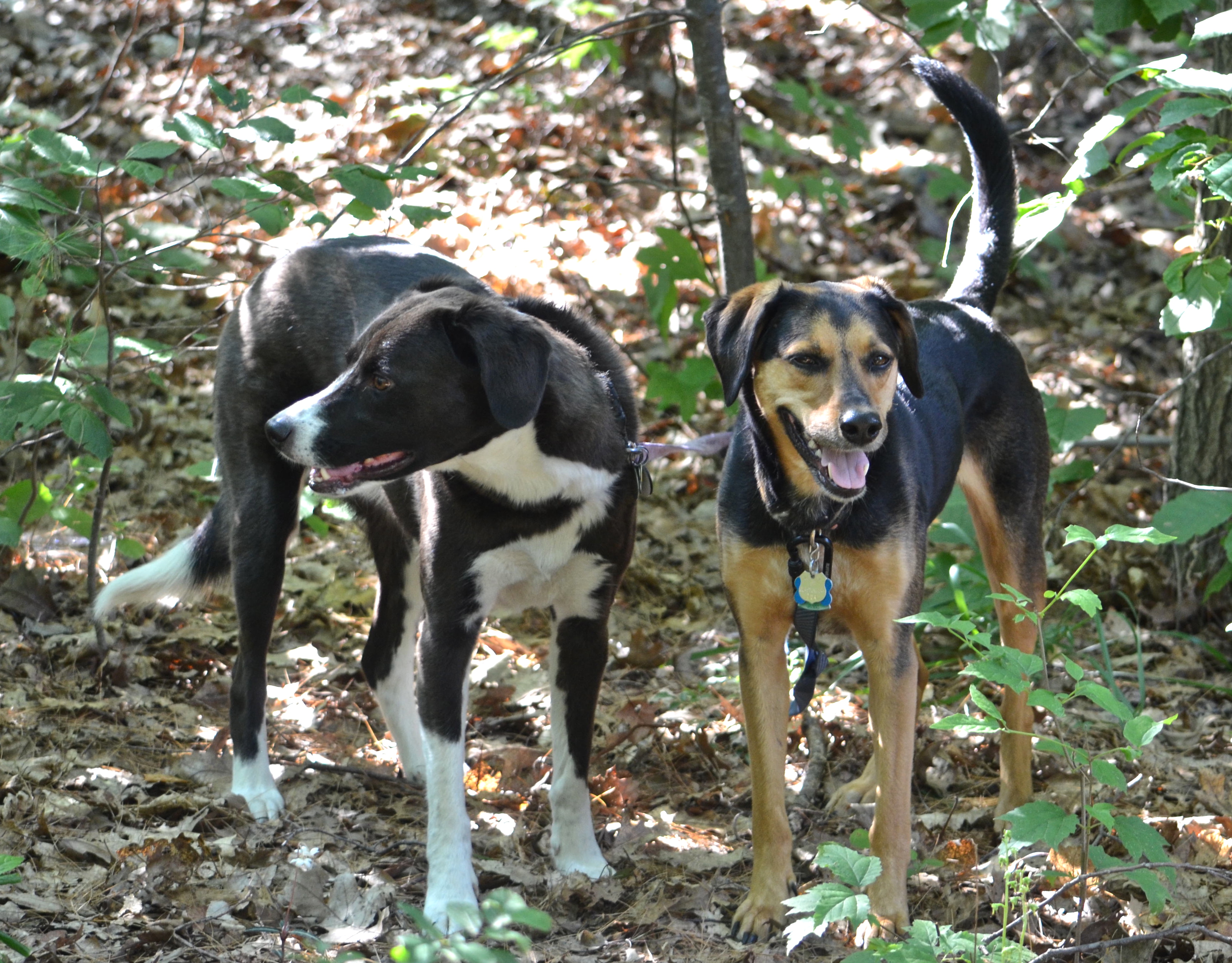
Bonus picture: Here are the hound dogs waiting patiently while I took all these pictures.

Butterfly Weed

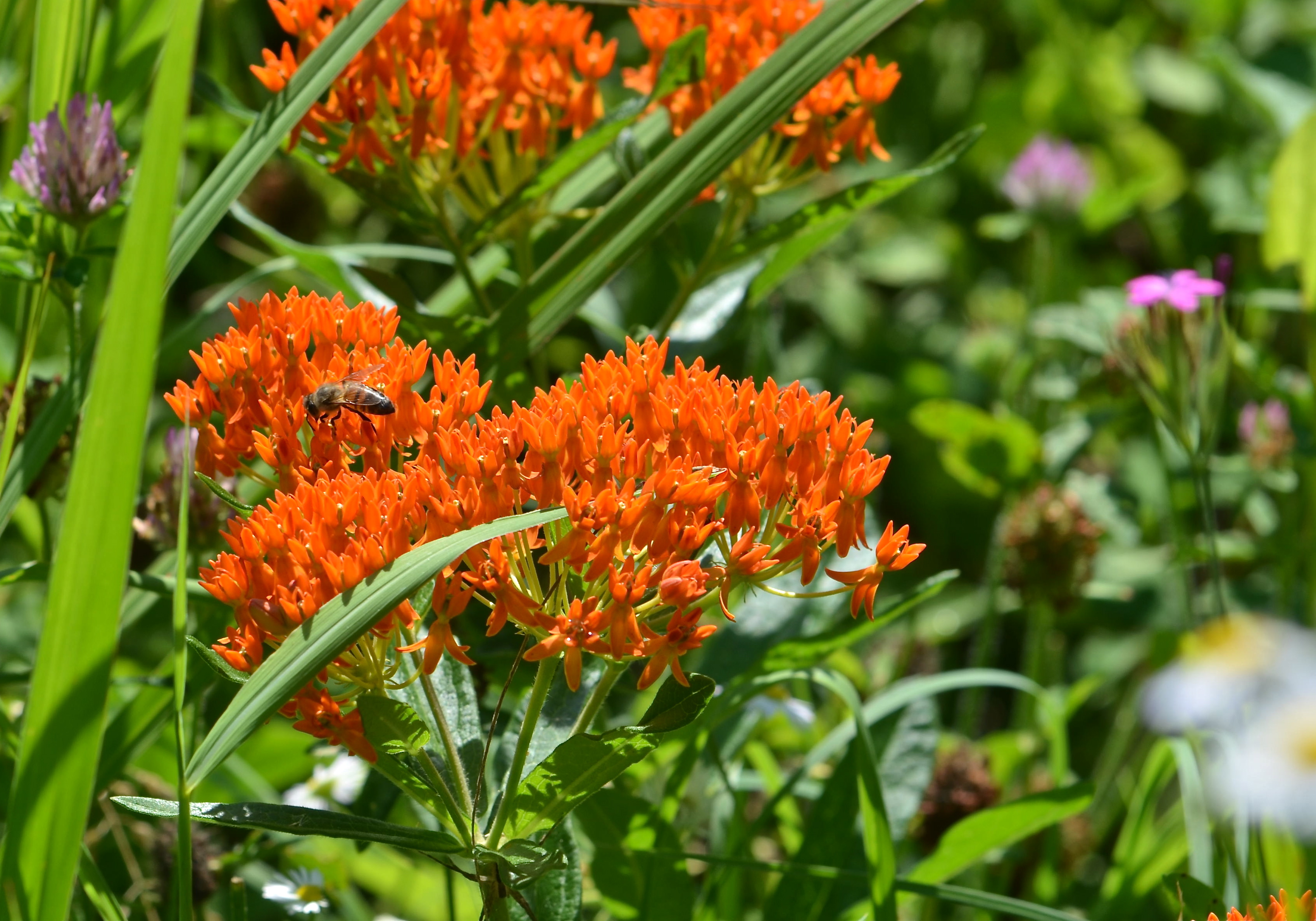
Okay, this will be the last one from the meadow. I have this in my garden and now I know why it survives my neglect so well — because it’s a native that doesn’t need any help. Milkweed family. Native to eastern North America.

Butterfly Weed (Asclepias tuberosa)

Purple Bergamot

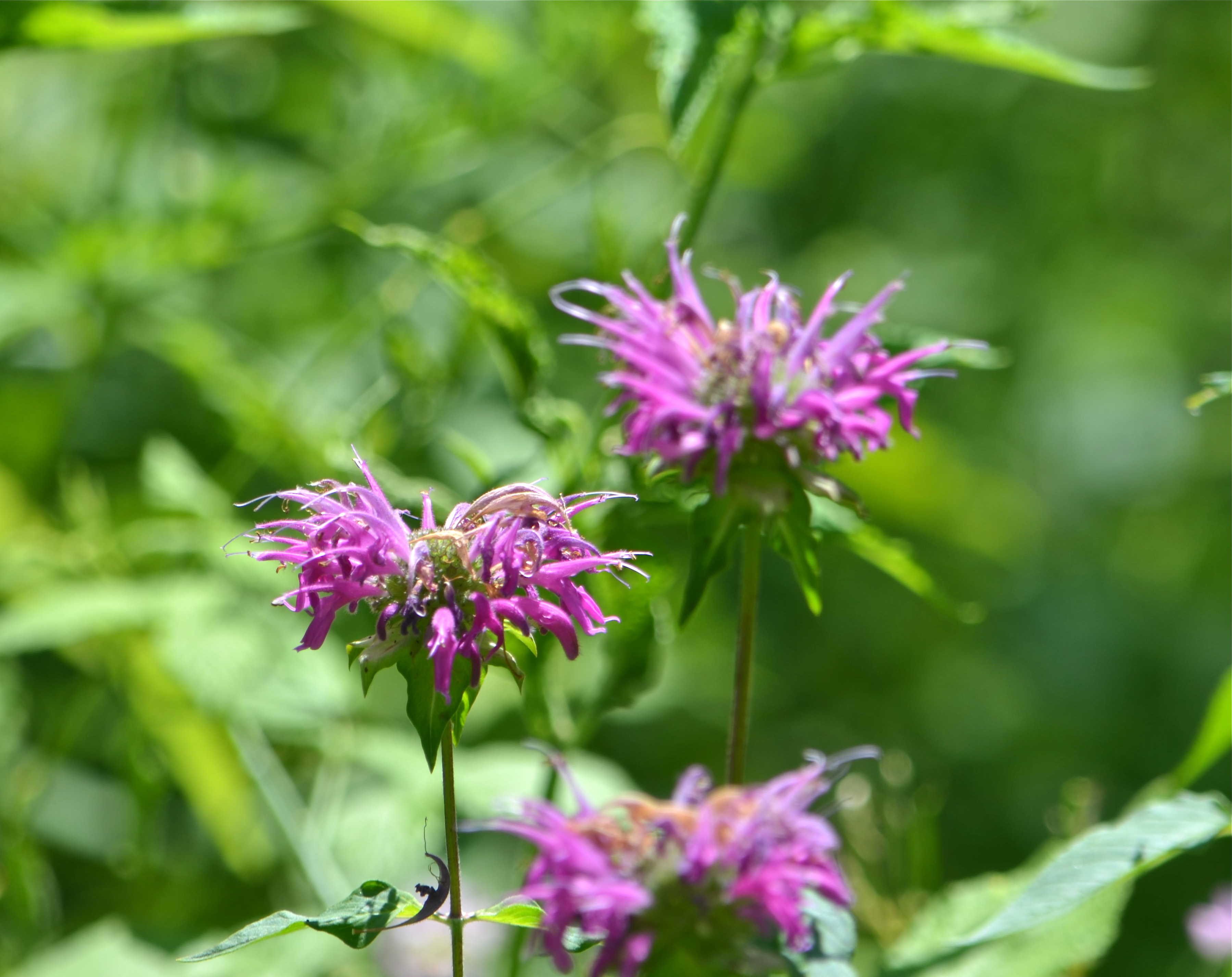
This is flowering in the field of wonders (at Wilson), but I took this at Centennial and it’s in better focus. Mint family. Native.

Purple Bergamot (Monarda media)

Oswego Tea

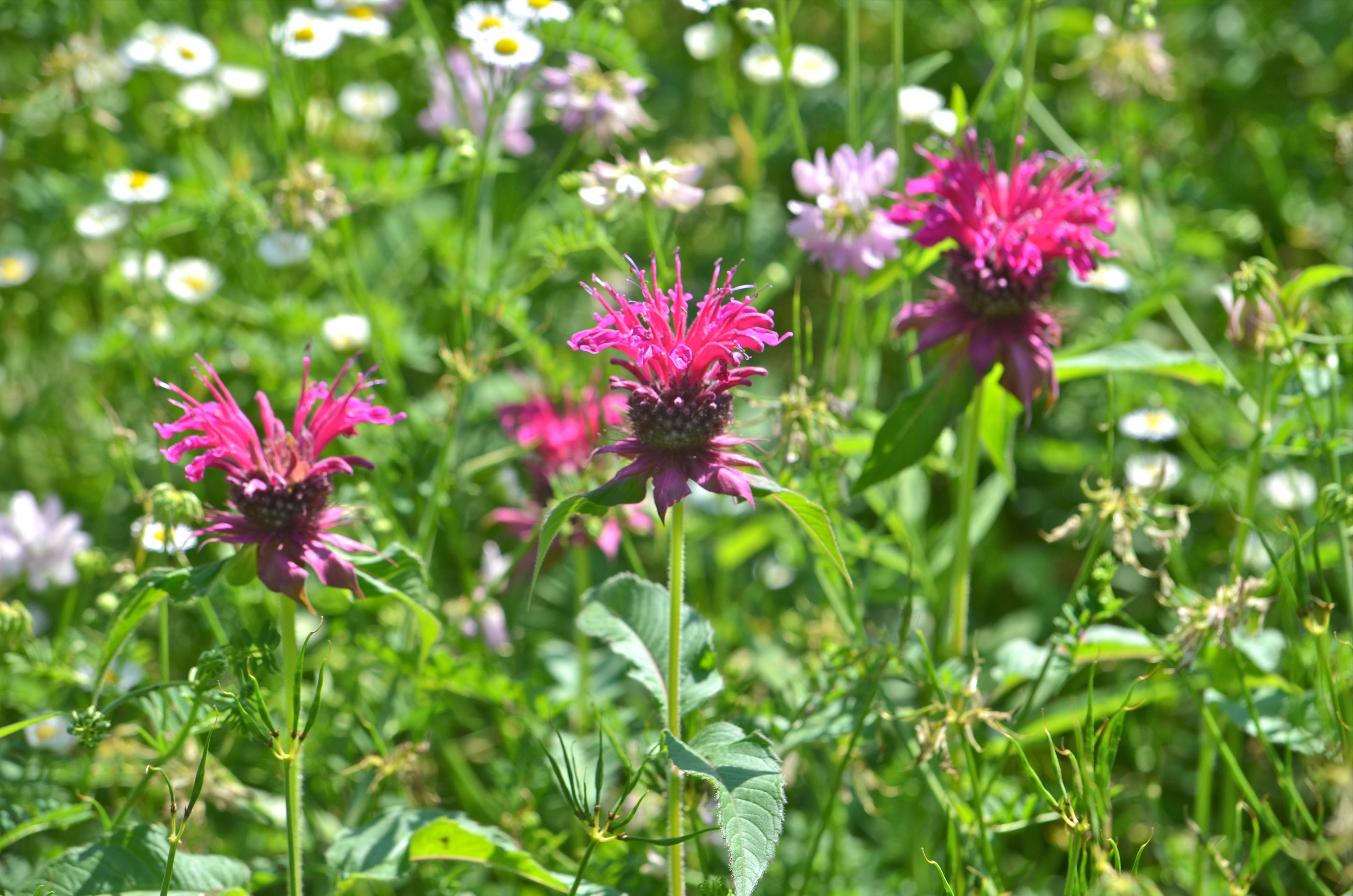
With a bud like a raspberry and purple bracts. Mint family. Bergamot is native, but I think this may be a garden-escapee cultivated variety.

Bergamot, Beebalm, Oswego Tea (Monarda didyma “Raspberry Wine”)

Prairie Coneflower

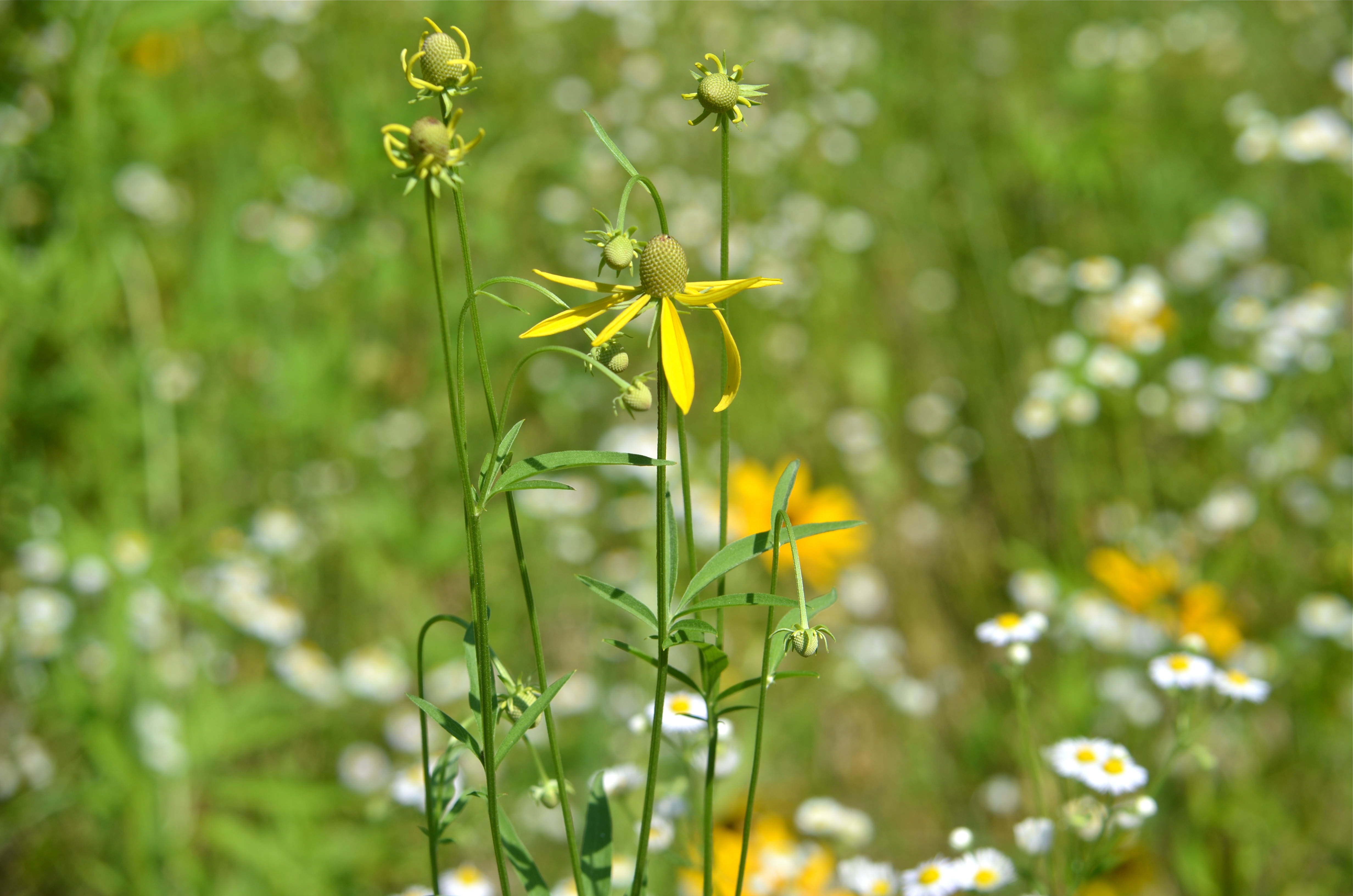
About 6 feet tall and gangly. The seedheads release an anise scent if crushed. Aster family. Native.

Prairie Coneflower, Yellow Coneflower, Gray-headed Coneflower (Ratibida pinnata)

Bull Thistle

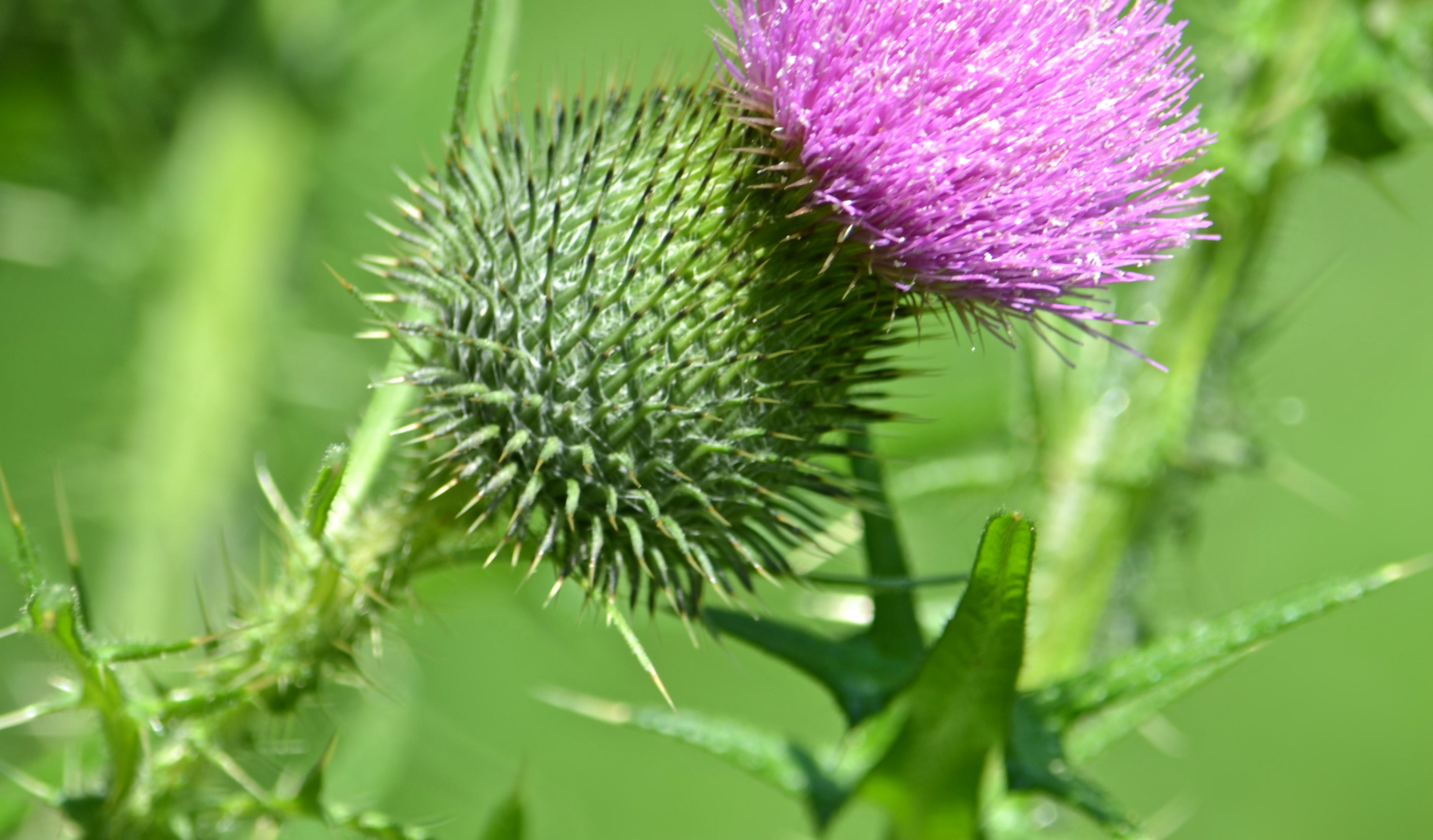
In the meadow of wonders. This is about 6 feet tall and very prickly. A biennial that may only flower the second year. Unpalatable to grazing animals, but good nectar source for insects, and birds eat the seeds. You could peel, cook and eat the stems, or the tap roots of young plants, but my that would be a task. Native to Europe and Asia, considered a noxious weed in some states.

Bull Thistle, Spear Thistle (Cisium vulgare)

Creeping Bellflower

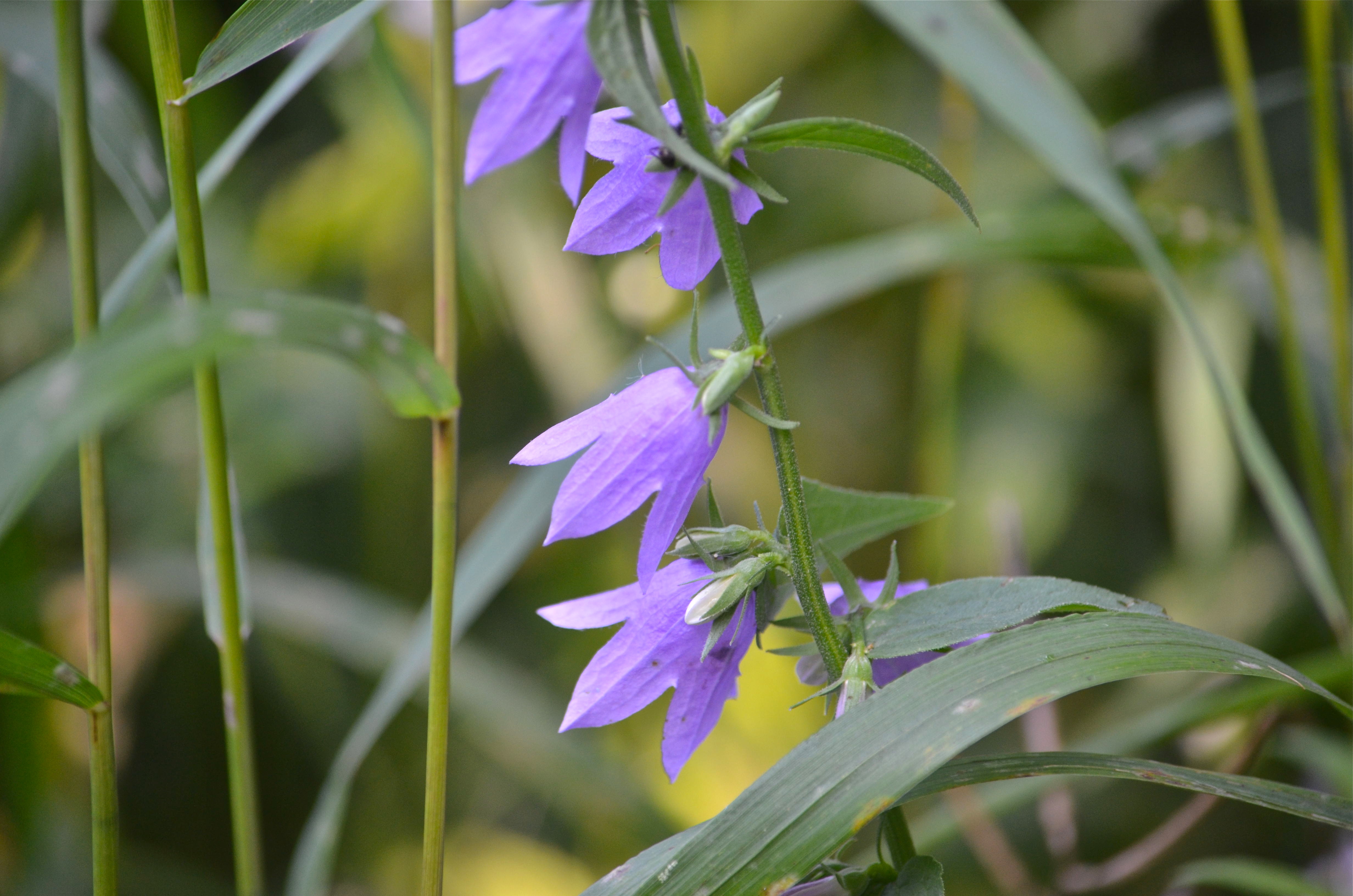
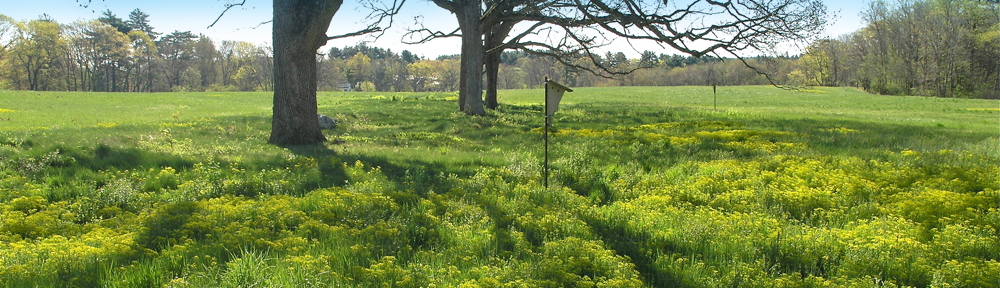
Now I’m going to be posting the loads of plants all blooming in one place—Wilson Mountain—mostly in this amazing meadow, and a couple where I got lost back in the woods! Let’s start with Creeping Bellflower—apparently this is a bad invasive in some states, but it’s beautiful. I only saw a couple of plants. I wonder if next year it will try to take over the meadow. Campanula family. (Campanula means “bell.”) Native to Europe and western Siberia.

Creeping Bellflower, Rampion Bellflower (Campanula rapunculoides)

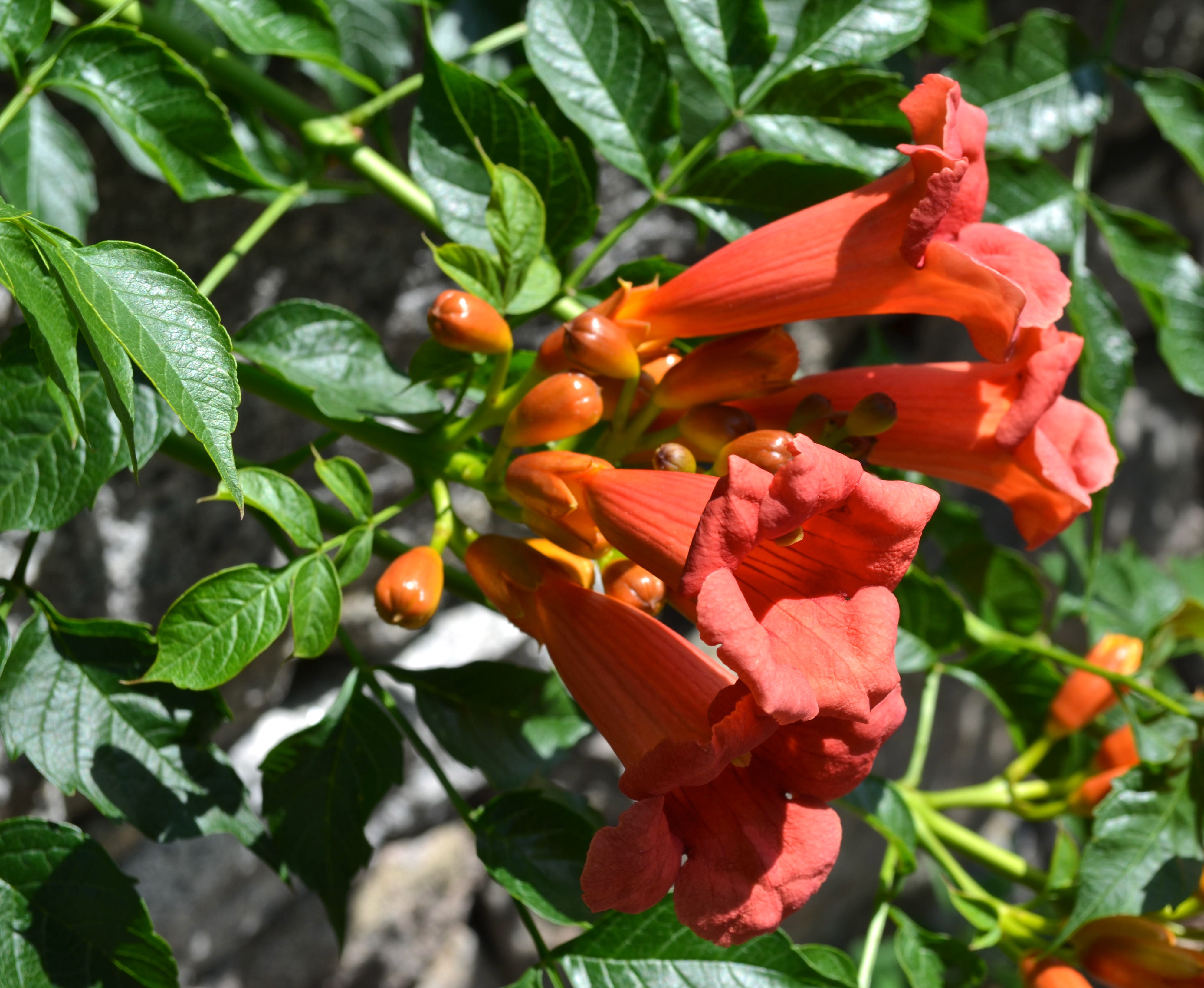
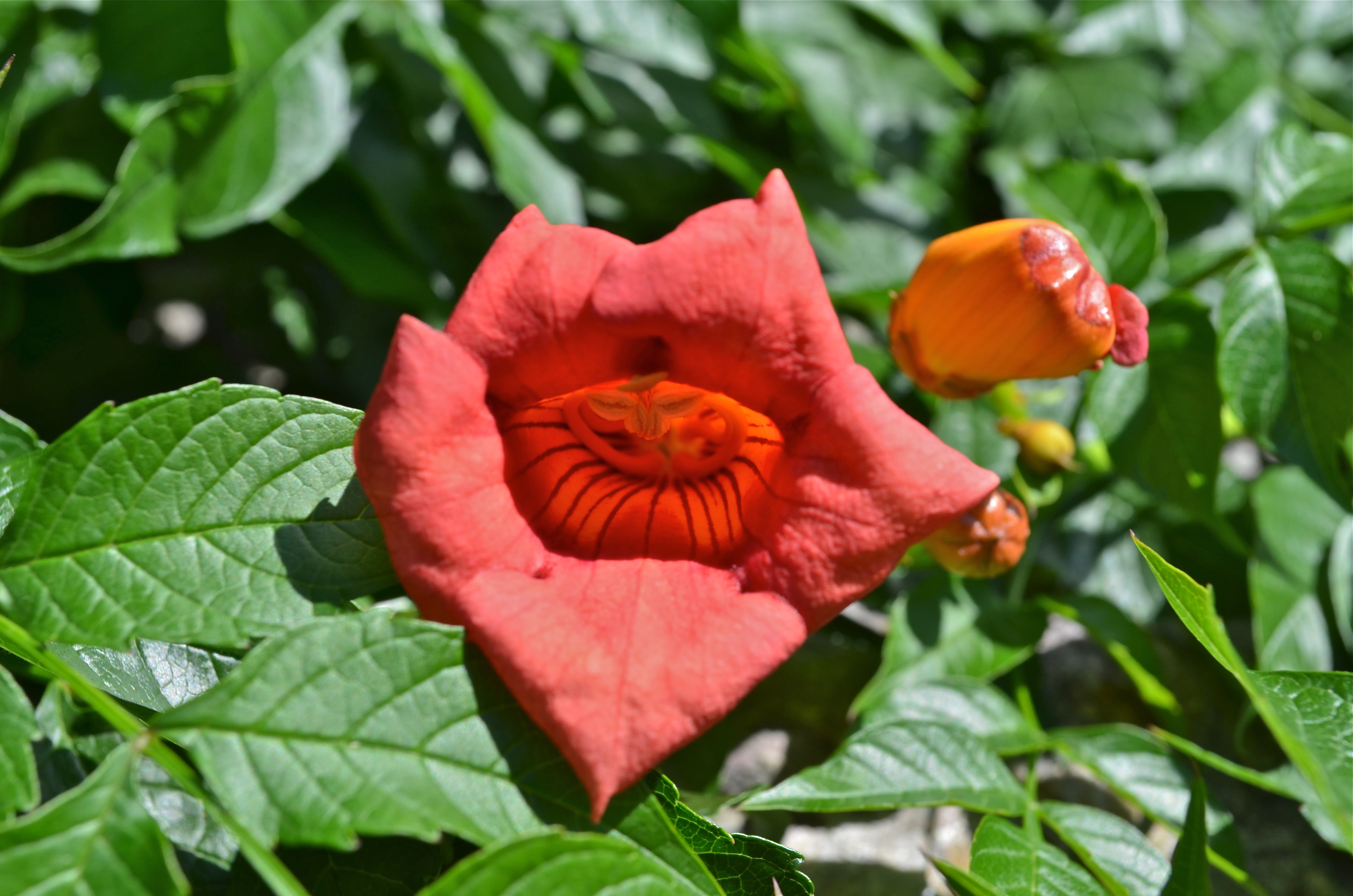
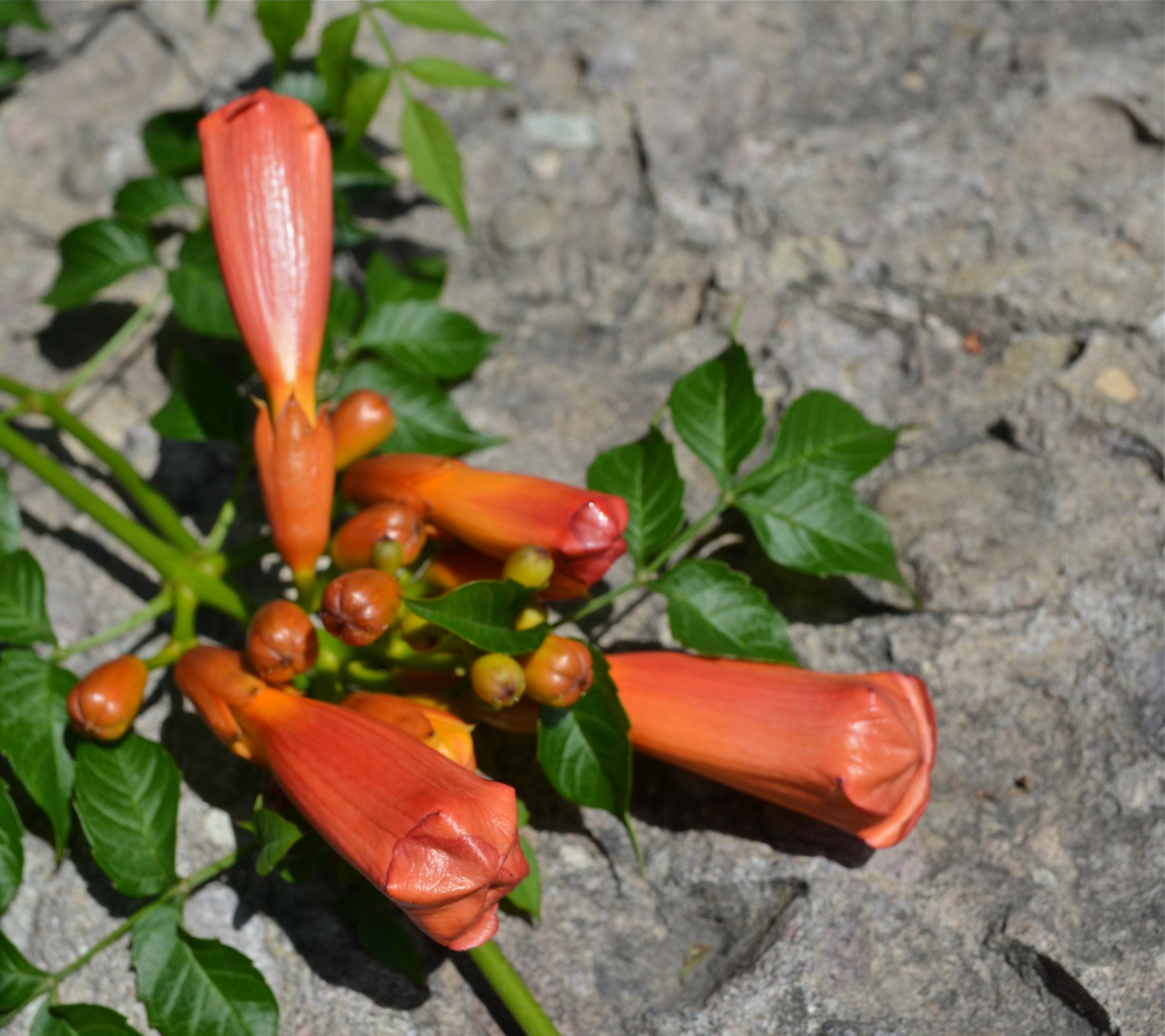
Trumpet Creeper

A woody vine, can grow to 35 feet! Will have fruit pods up to 6 inches long. Can be invasive, but often cultivated in gardens. Very showy. Trumpet-Creeper family. Native.

Trumpet Creeper, Cow Itch Vine, Hummingbird Vine, Hellvine, Devil’s Shoestring (Campsis radicans)