Tower Rockcress

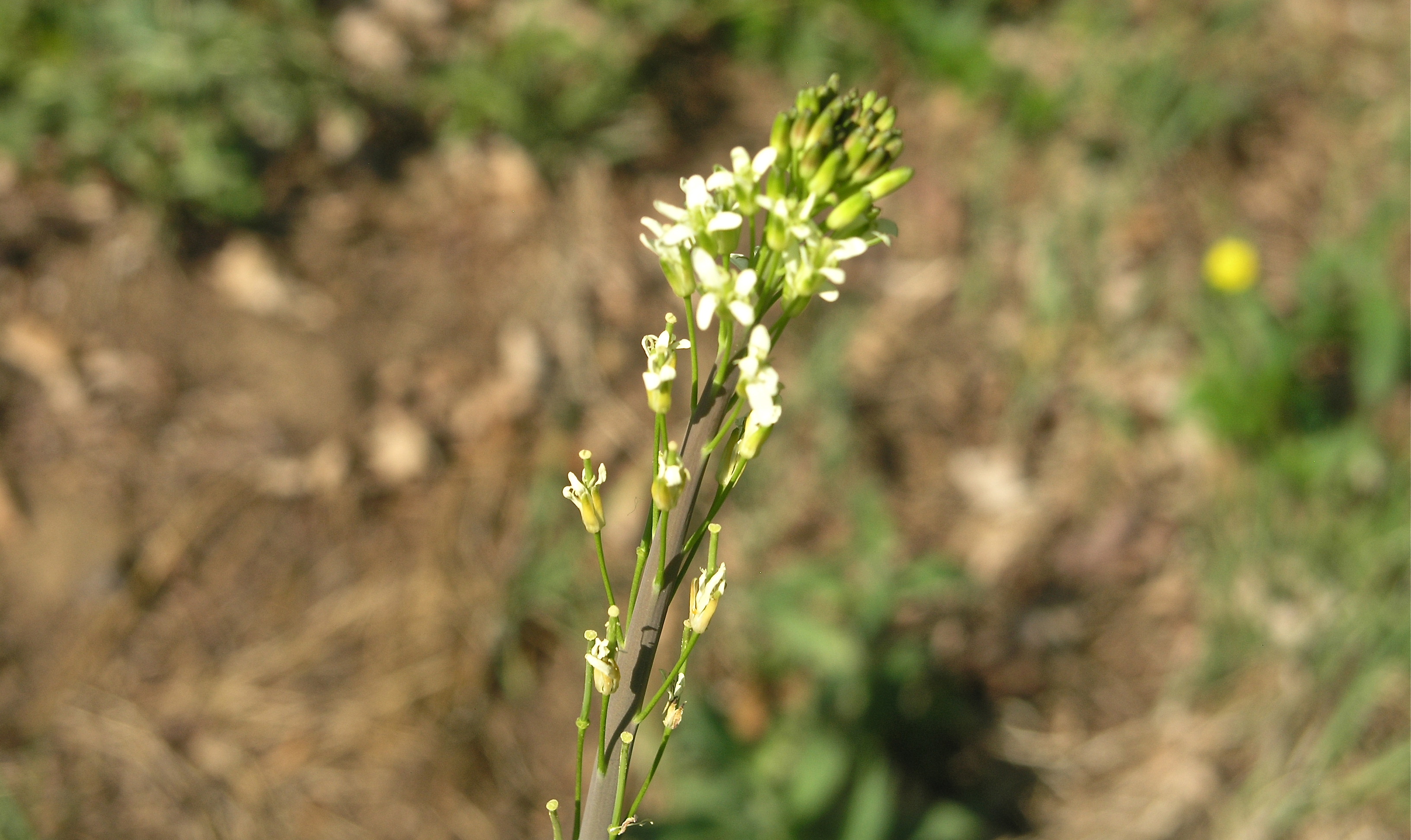
This is a plant I photographed weeks ago (second photo) but couldn’t identify. But recently, it’s gotten some very distinguishing characteristics, namely these leafless vertical seed pods that hug the stem. Plus they’re about 4 to 5 feet tall.

Tower Rockcress, Tower Mustard (Arabis glabra)
Shinleaf

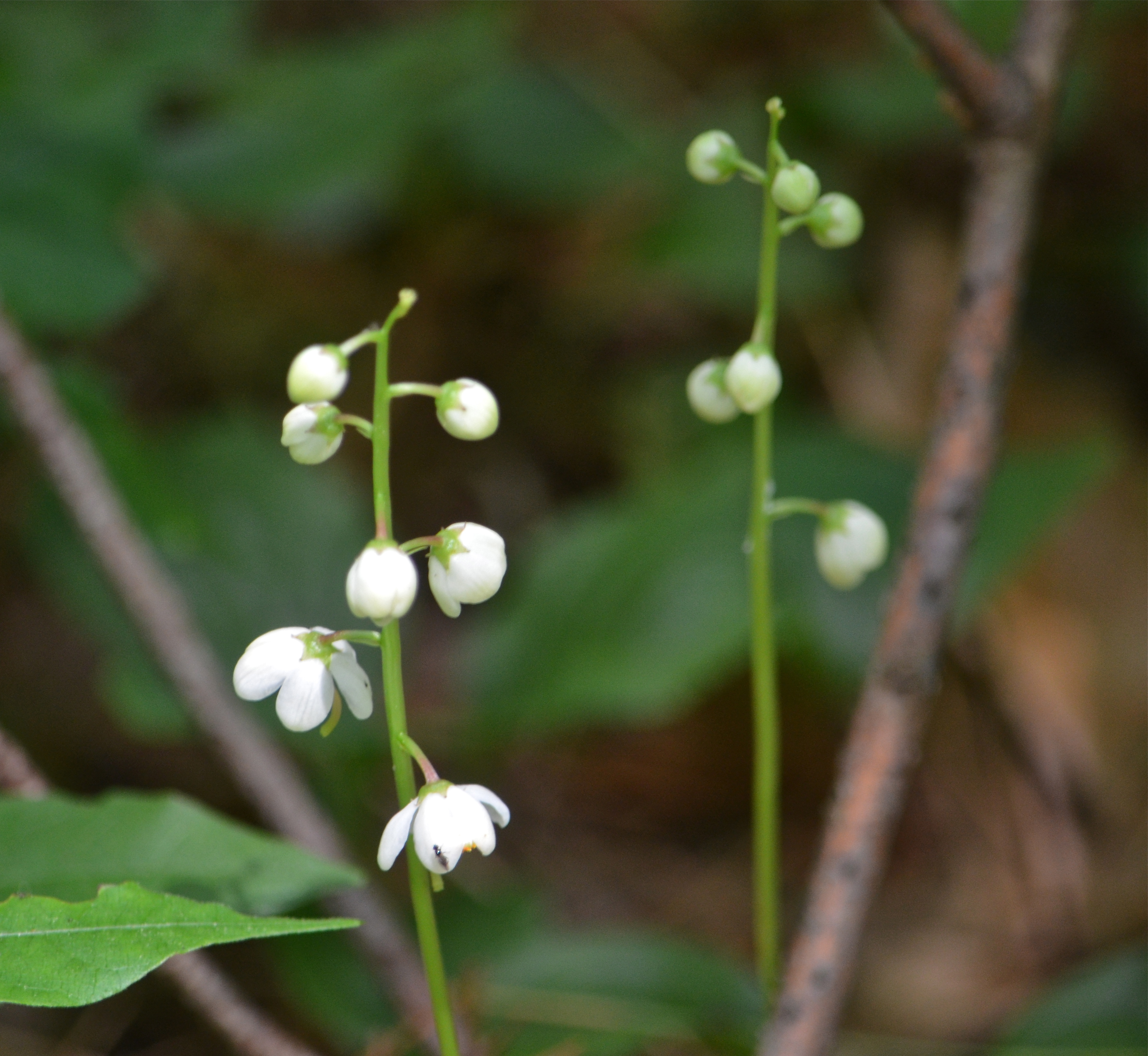
A dainty little plant. A Wintergreen. Historic medical use was application of crushed leaves to bruises and injuries to ease pain. A paste of crushed leaves was called a shin plaster, and that’s the name origin. Native.

Shinleaf (Pyrola elliptica)

Blue False Indigo

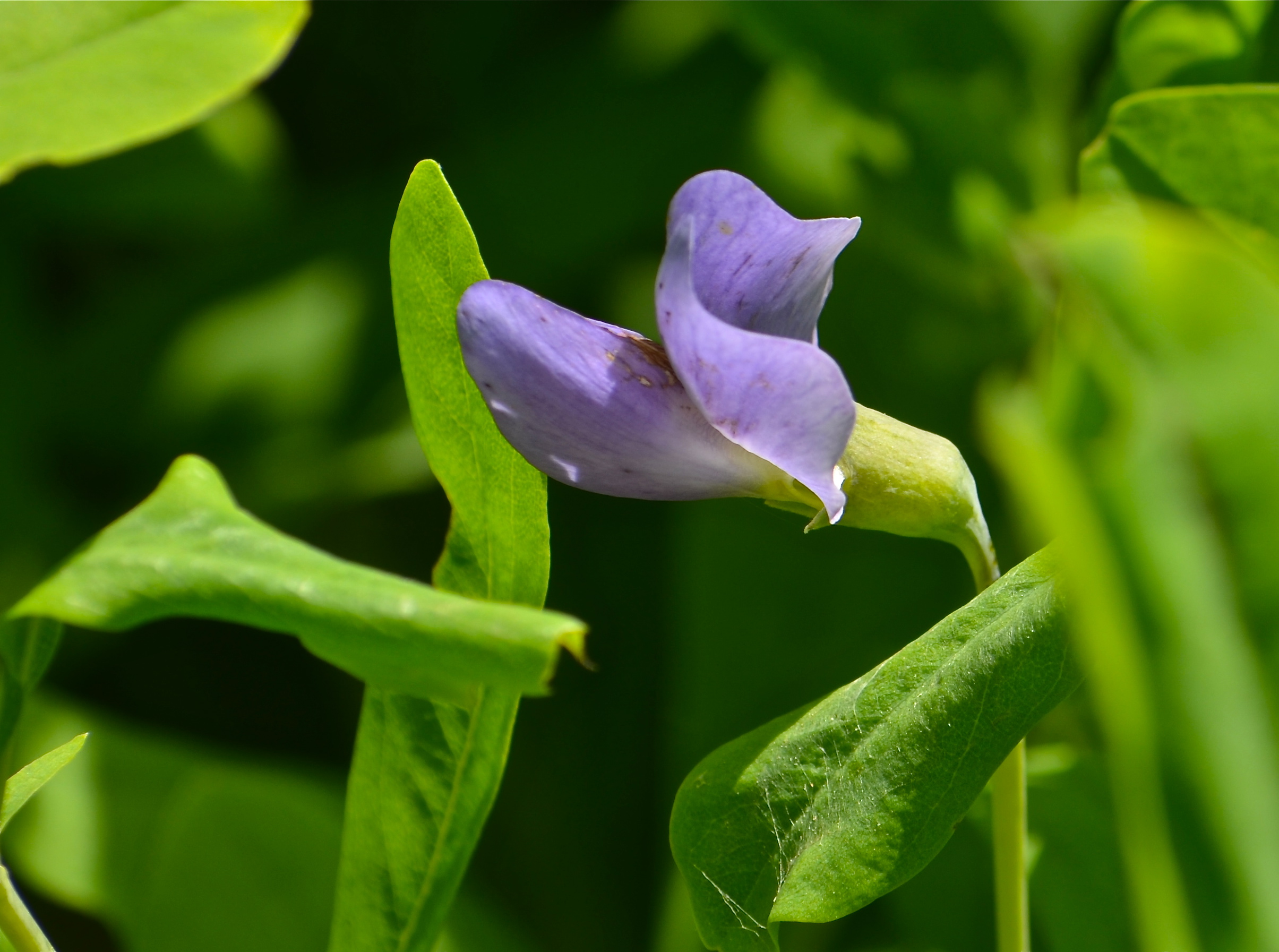
In the Native American garden at Elm Bank. Was grown in early American gardens for making blue dye as a substitute for expensive imported indigo dye. Cherokees used it to make blue dye also. The Osage made an eyewash from the plant. It’s called Blue False Indigo because of its use as a substitute for the Indigo plant which is superior for dye-making. Native to North America, introduced to Britain by 1724. Pea family.

Blue False Indigo (Baptisia australis)

Smooth Hawksbeard

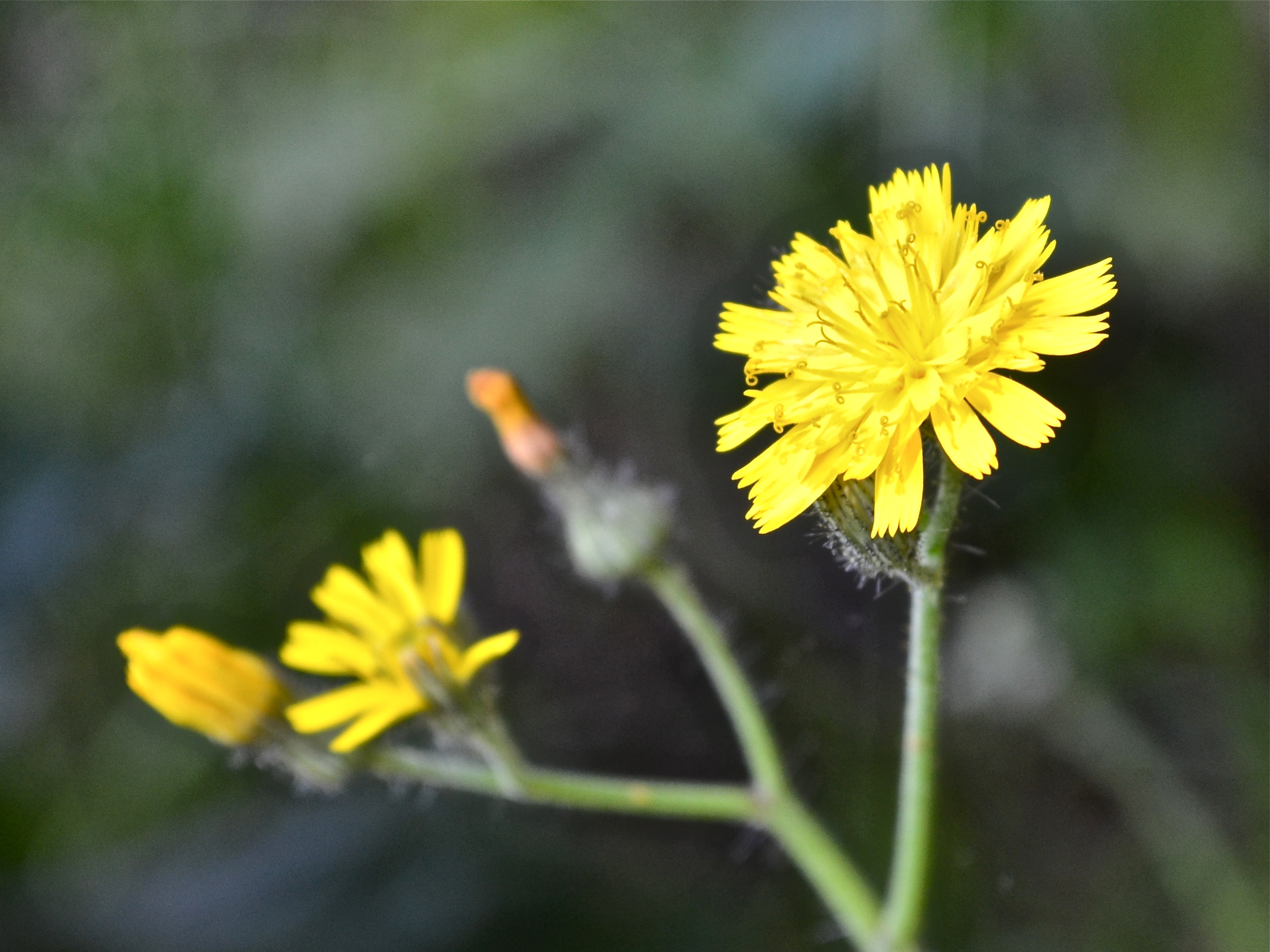
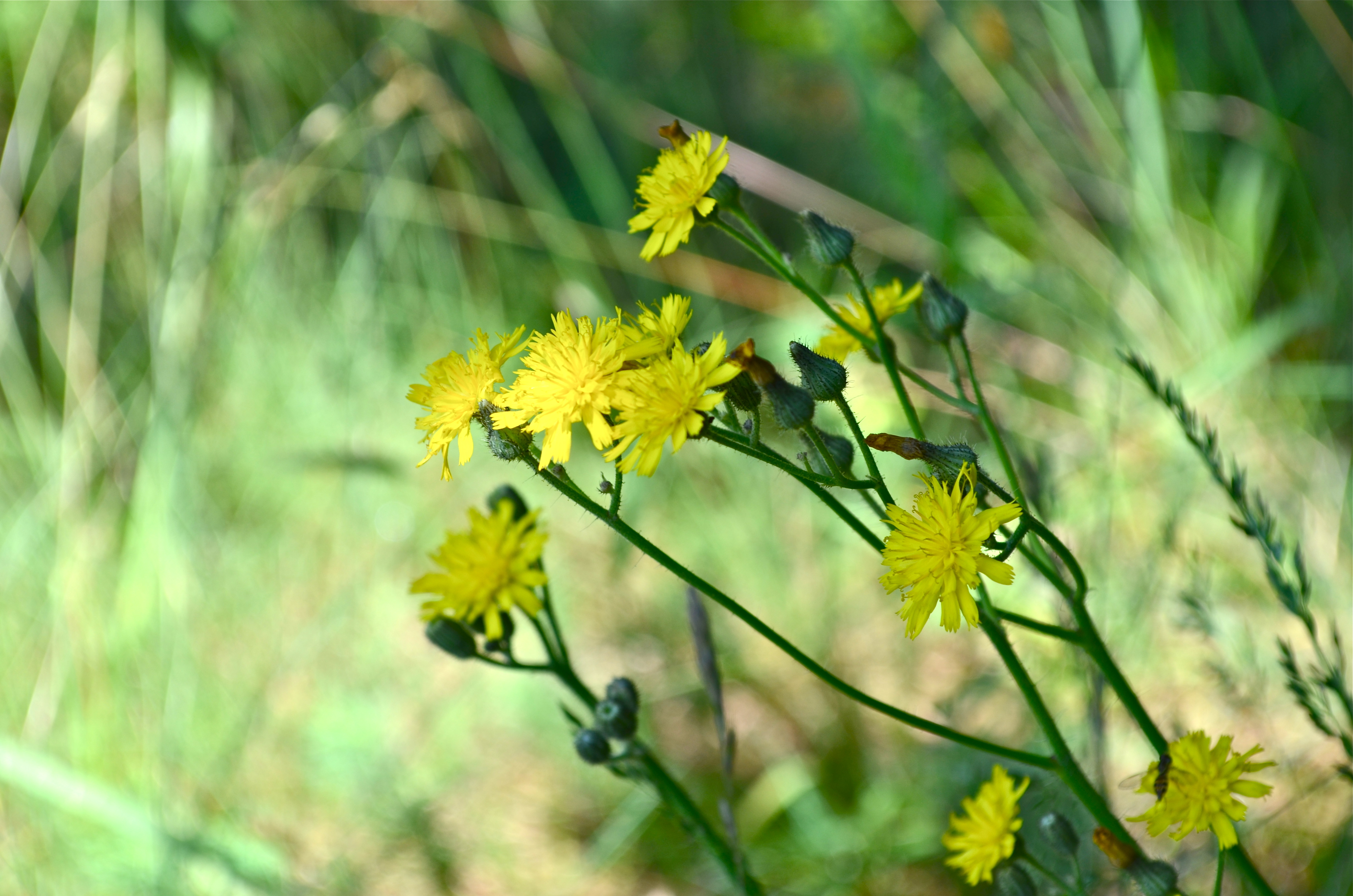
Okay, this blossom looks similar to Dandelions and also to Yellow King-Devil… but it’s tall with thin basal leaves, and branched stems. Here’s some botany talk: “The plumed pappus is longer than the achene.” An annual introduced from Europe.

Smooth Hawksbeard (Crepis capillaris)

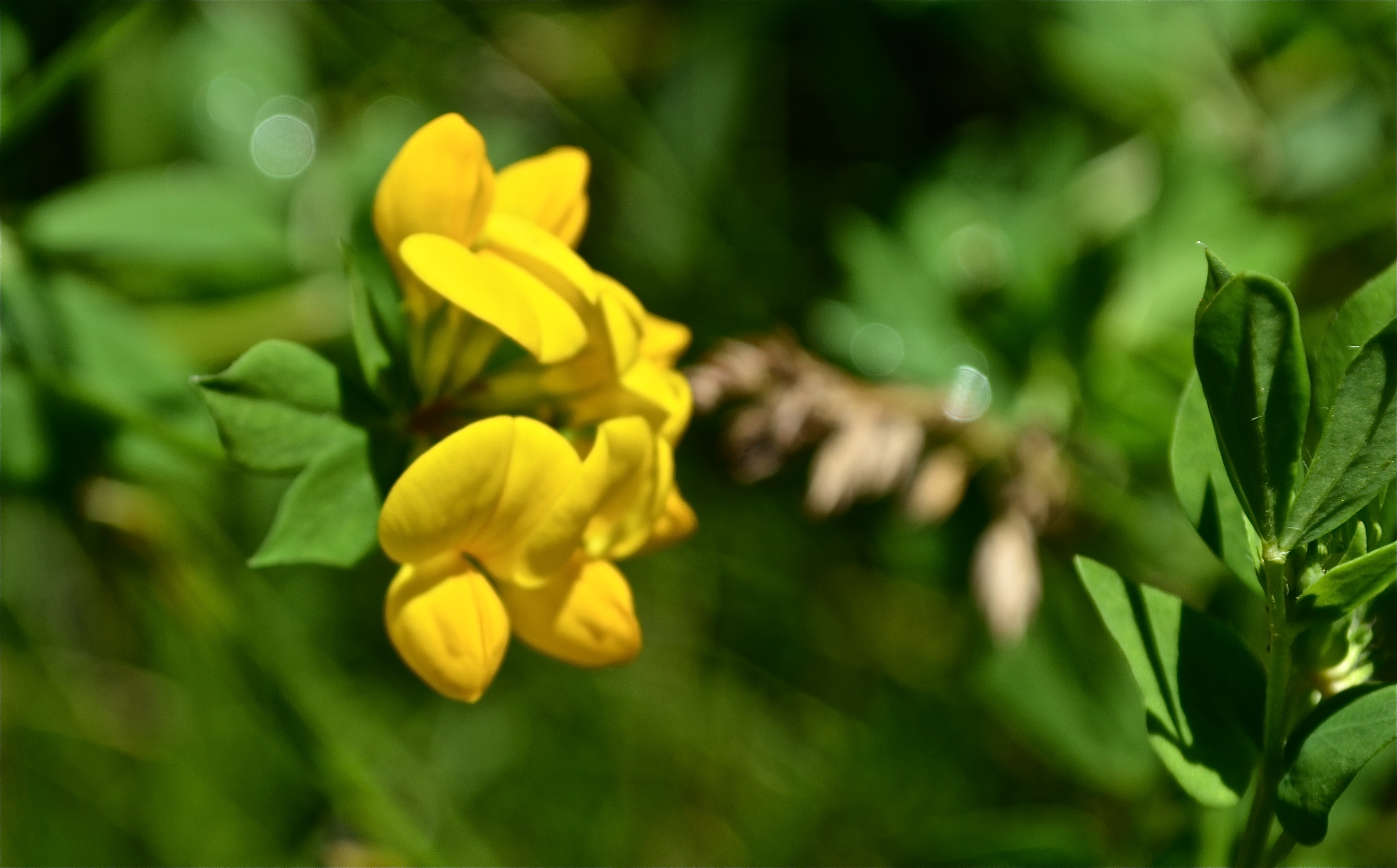
Bird’s Foot Trefoil


First described in Europe in 1597. Use as a cultivated species noted about 1900. Now a valuable forage crop, but considered invasive in some states. “Bloat is no problem and palatability is fairly high.” — that’s the sort of thing it says on agriculture sites. Bird’s Foot refers to the look of the seed pods… so we’ll find out about that later. Poisonous to humans. This is one of the few plants that have a negative meaning in the language of flowers; it’s associated with revenge!

Bird’s Foot Trefoil (Lotus corniculatus)

Common Morning Glory

An annual vine. Can be purple, blue, pink or white. Introduced from South America as an ornamental. Seeds and foliage are mildly toxic. Bindweed family.

Common Morning Glory (Ipomoea purpurea)

Deptford Pink

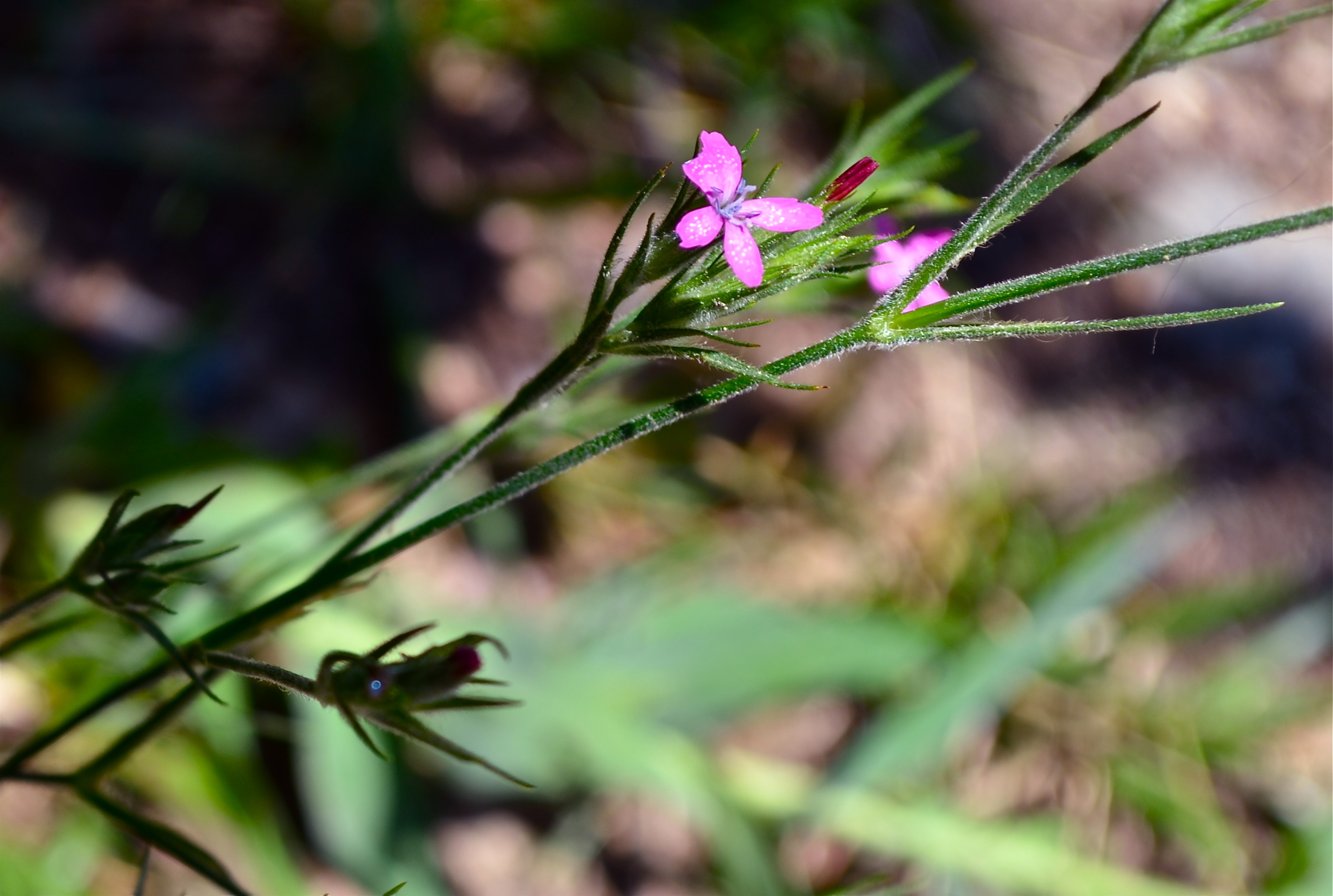
Smaller flowers than the kind of Dianthus cultivated in gardens, with pale spots on the petals. The name Deptford refers to an area of England where this pink was once common. Annual or biennial. Pink family. Native to Europe.

Deptford Pink (Dianthus armeria)

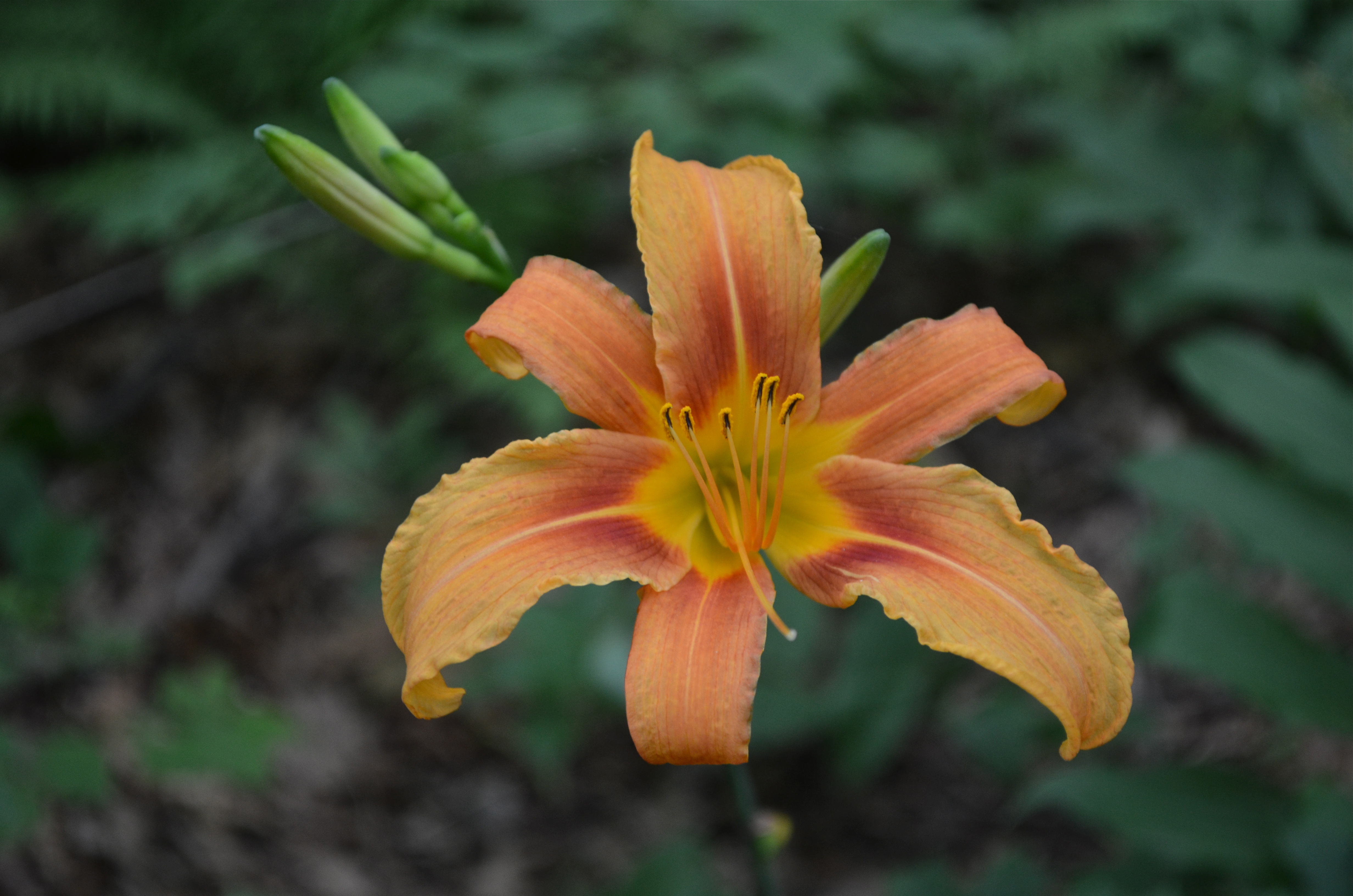
Orange Day Lily

Introduced from Asia. Blooming period is about a month during midsummer, and each bloom lasts only a day. “Has been in cultivation for a long time and often outlasts the buildings that surround it and their inhabitants.” Lily Family. Thanks to Alert Flowerophile and Day Lily Queen Donna for pointing this out and assuring me it counts as wild.

Orange Day Lily (Hemerocallis fulva)

Whorled Loosestrife

Photographed at Centennial but also growing in the Needham Town Forest. There is so much more to spring than tulips. Or violets. All these things I’ve been walking by all these years. Also you start to see how people were able to survive off the land, when they knew the possibilities and utilities of each plant. Primrose family. Native.

Whorled Loosestrife (Lysimachia quadrifolia)