Category Archives: Location
Ragweed
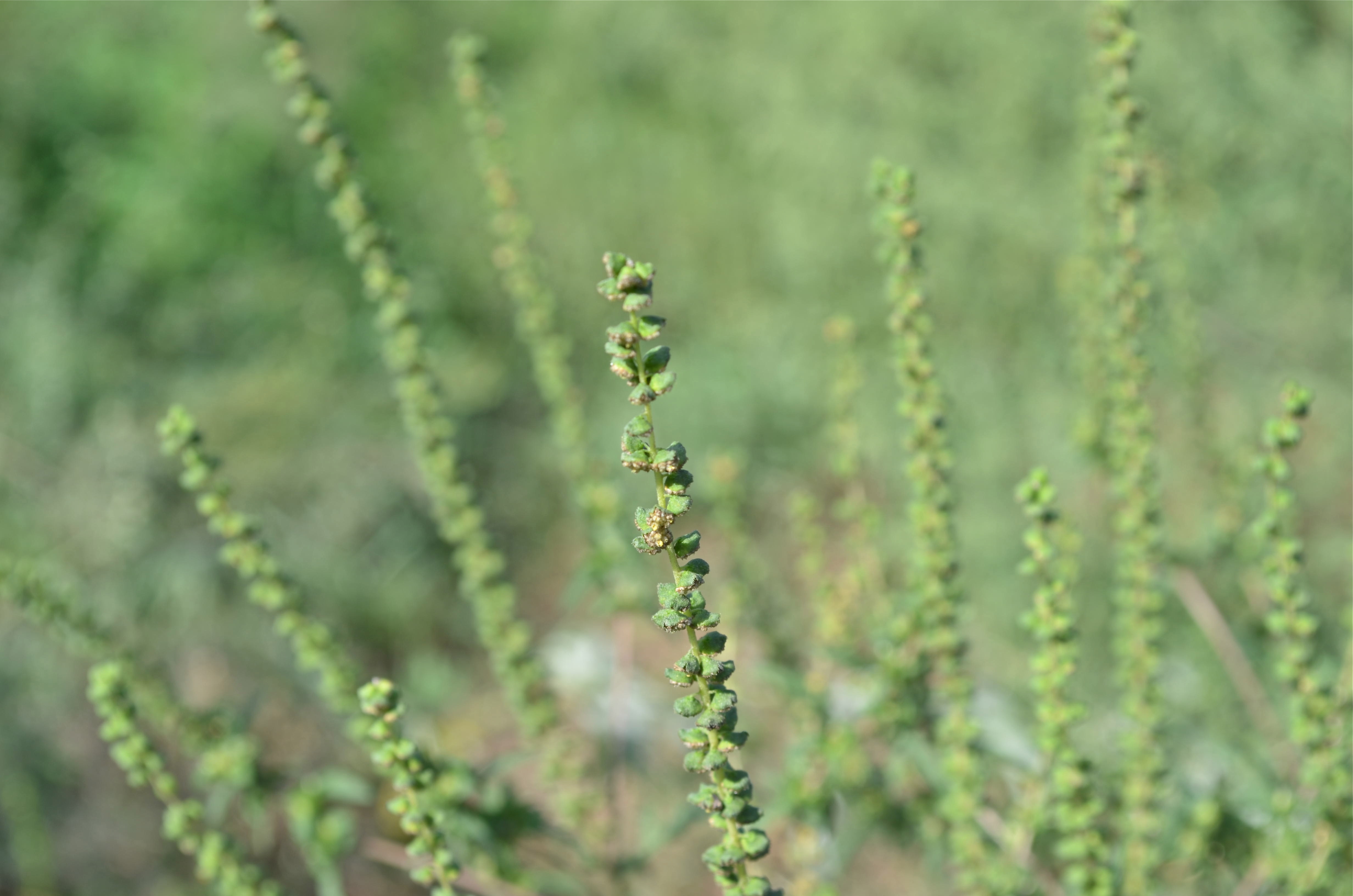
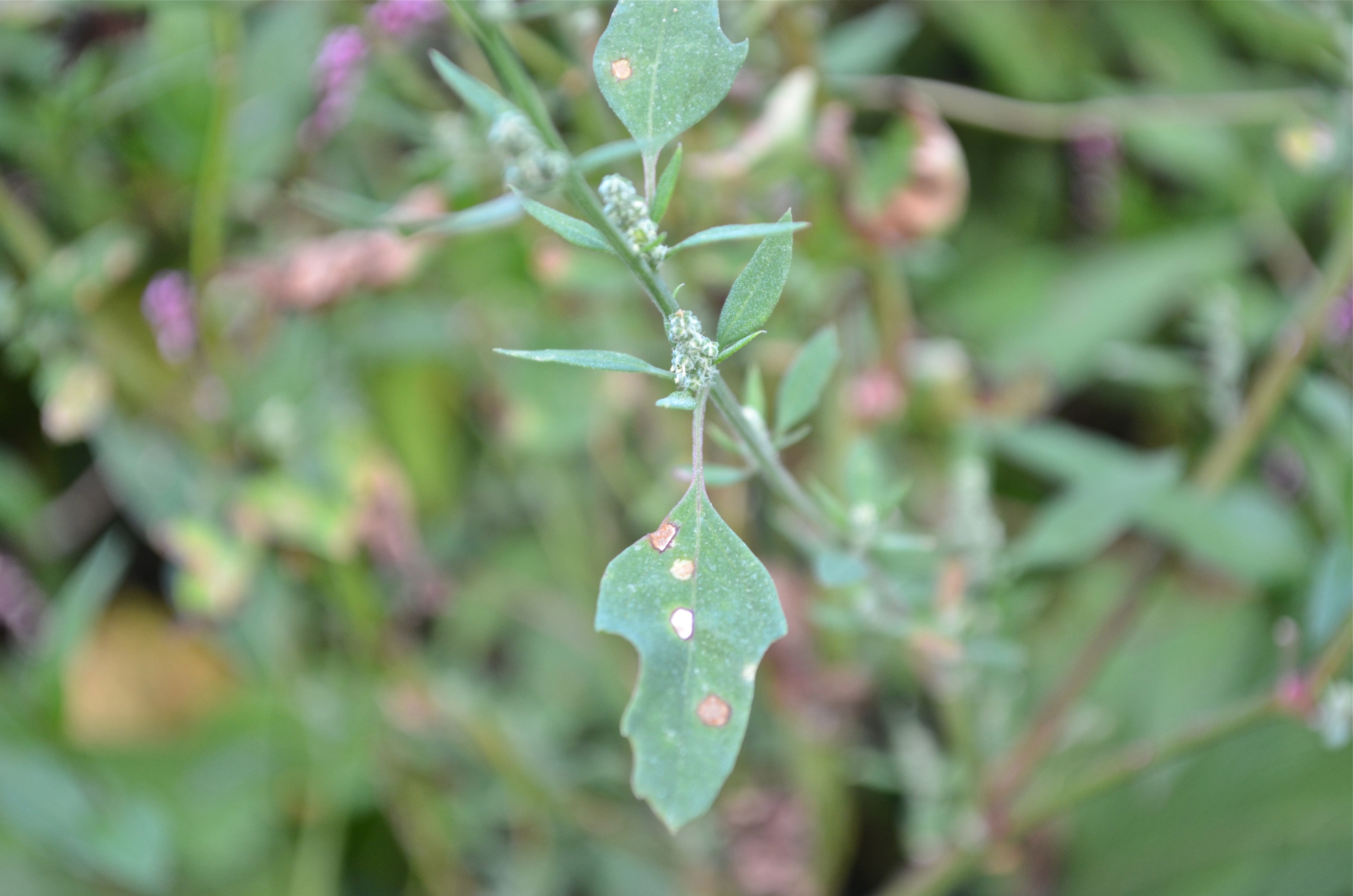
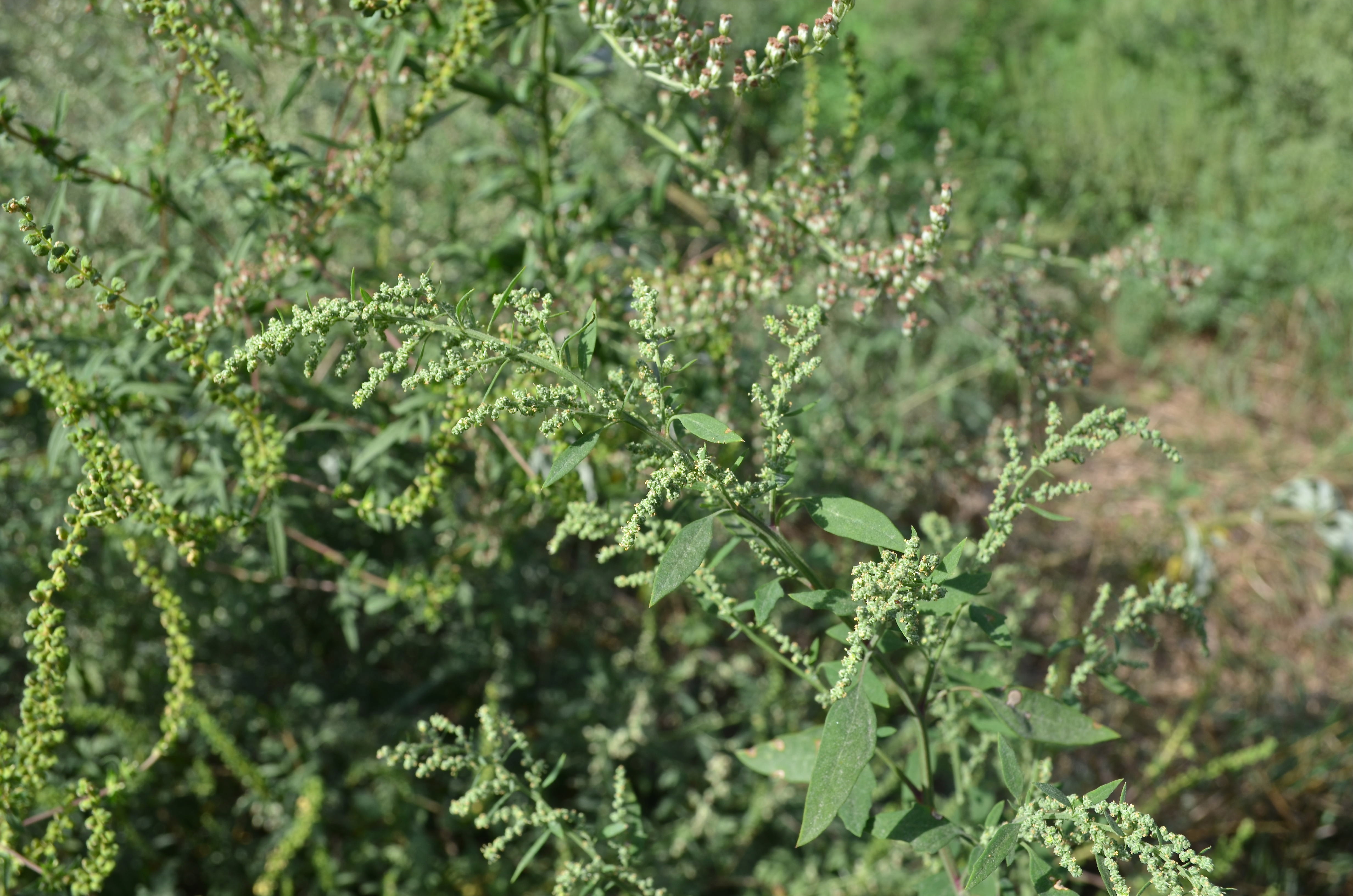
This is the plant that you hear about because it’s a major cause of hay fever. I never knew what it looked like, and now that I know, I see it is growing like a house afire all over the meadows at Centennial. Up to 6 feet tall. Aster family. Native.
Common Ragweed, Bitterweed, Roman Wormwood, Stammerwort (Ambrosia artemisiifolia)
Common Mugwort
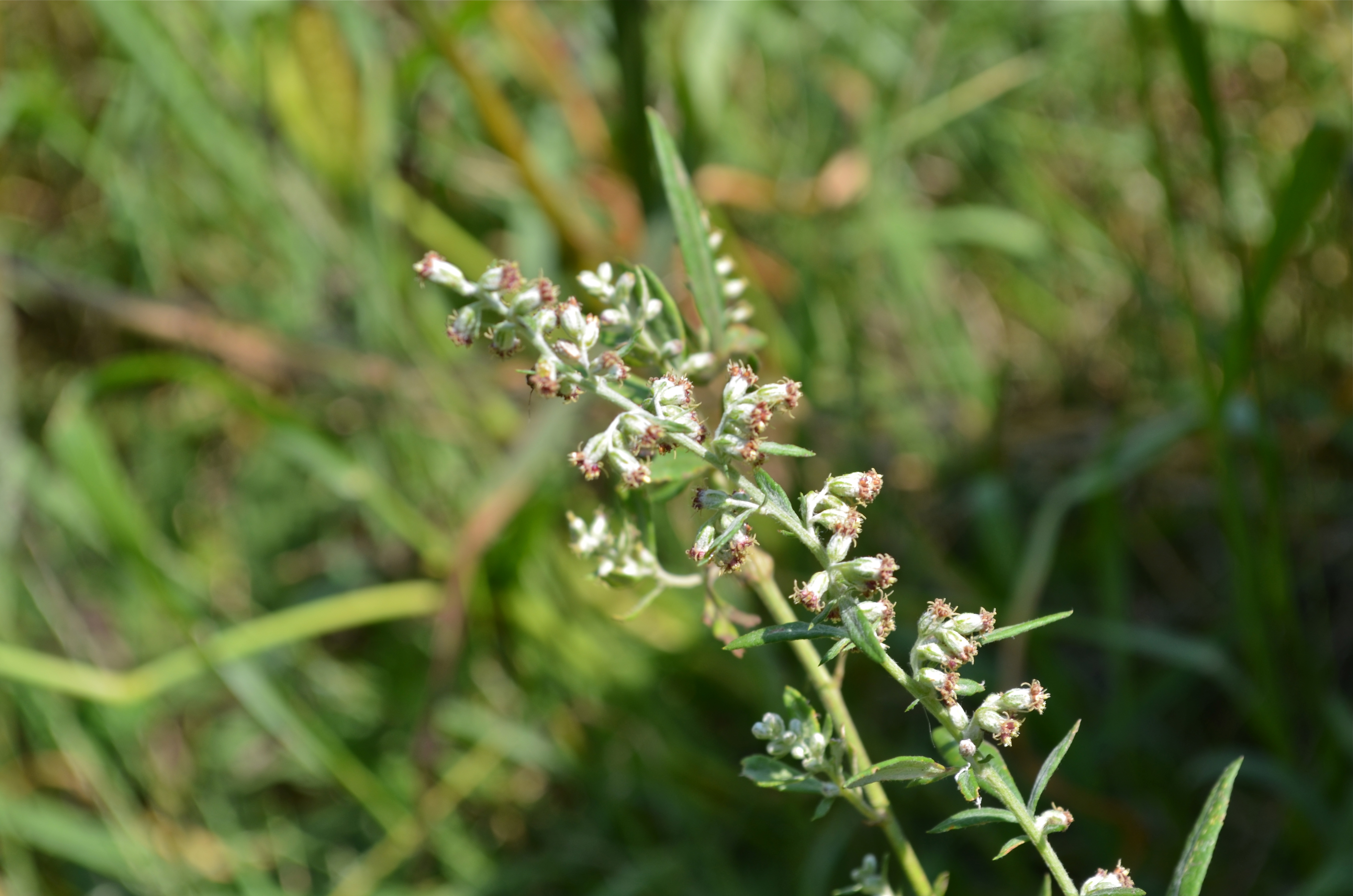
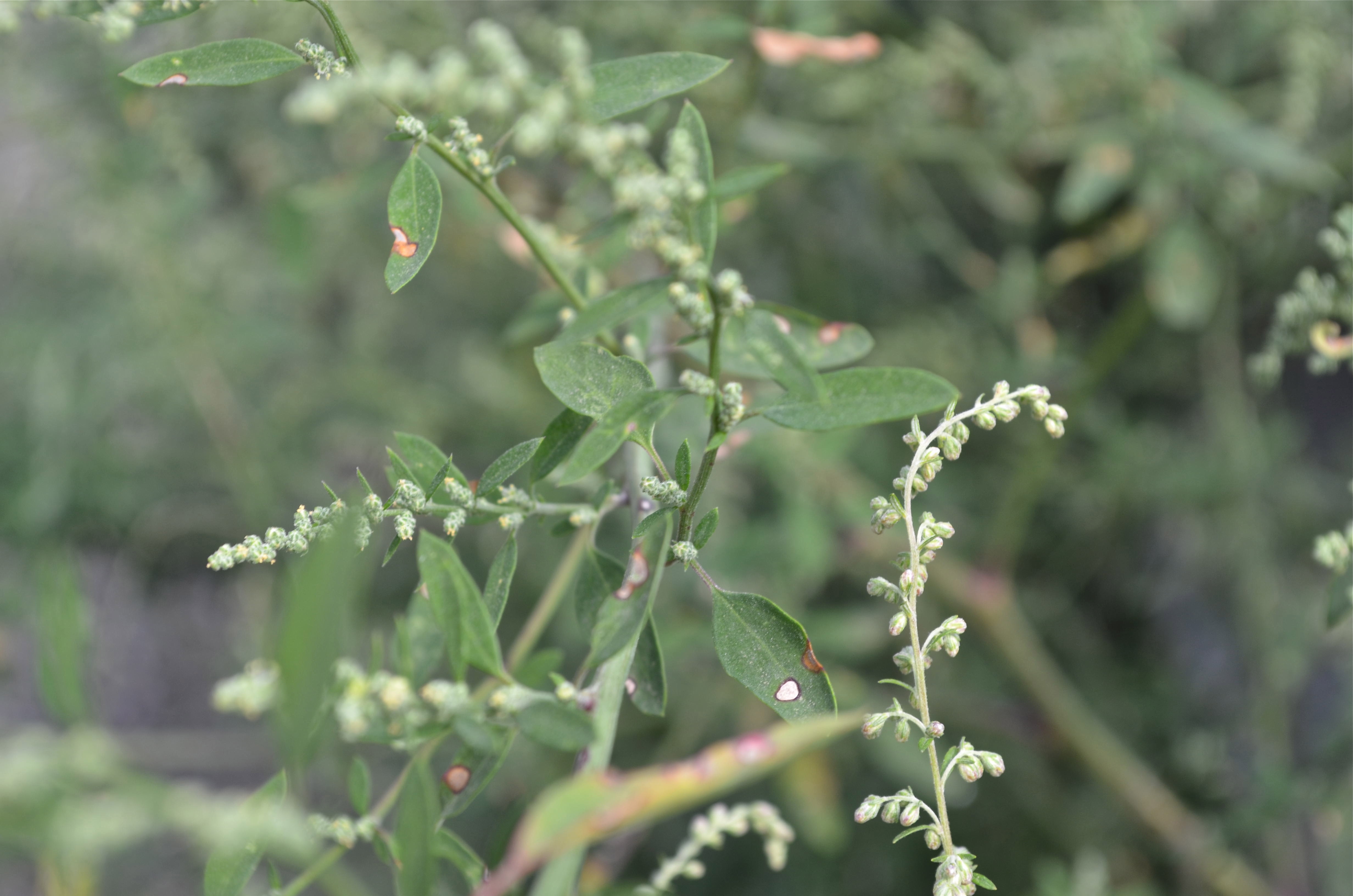
A tall bushy, silvery plant that is growing in all the open meadows now. It’s prominent around the lower meadow at Centennial (along with pigweed and ragweed). The leaves remind me of rosemary. They’re green above and silvery underneath, aromatic. Mugwort has been used to flavor drinks since the Iron Age. (How do they know that?) Also used in food, herbal medicine, for smoking, for magical protection against evil spirits and wild animals, and to repel moths from gardens. Roman soldiers lined their sandals with mugwort to ward off fatigue. Mugwort pollen is a major source of hay fever. Native to Europe, Asia, Africa and Alaska.
Common Mugwort, Common Wormwood (Artemisia vulgaris)
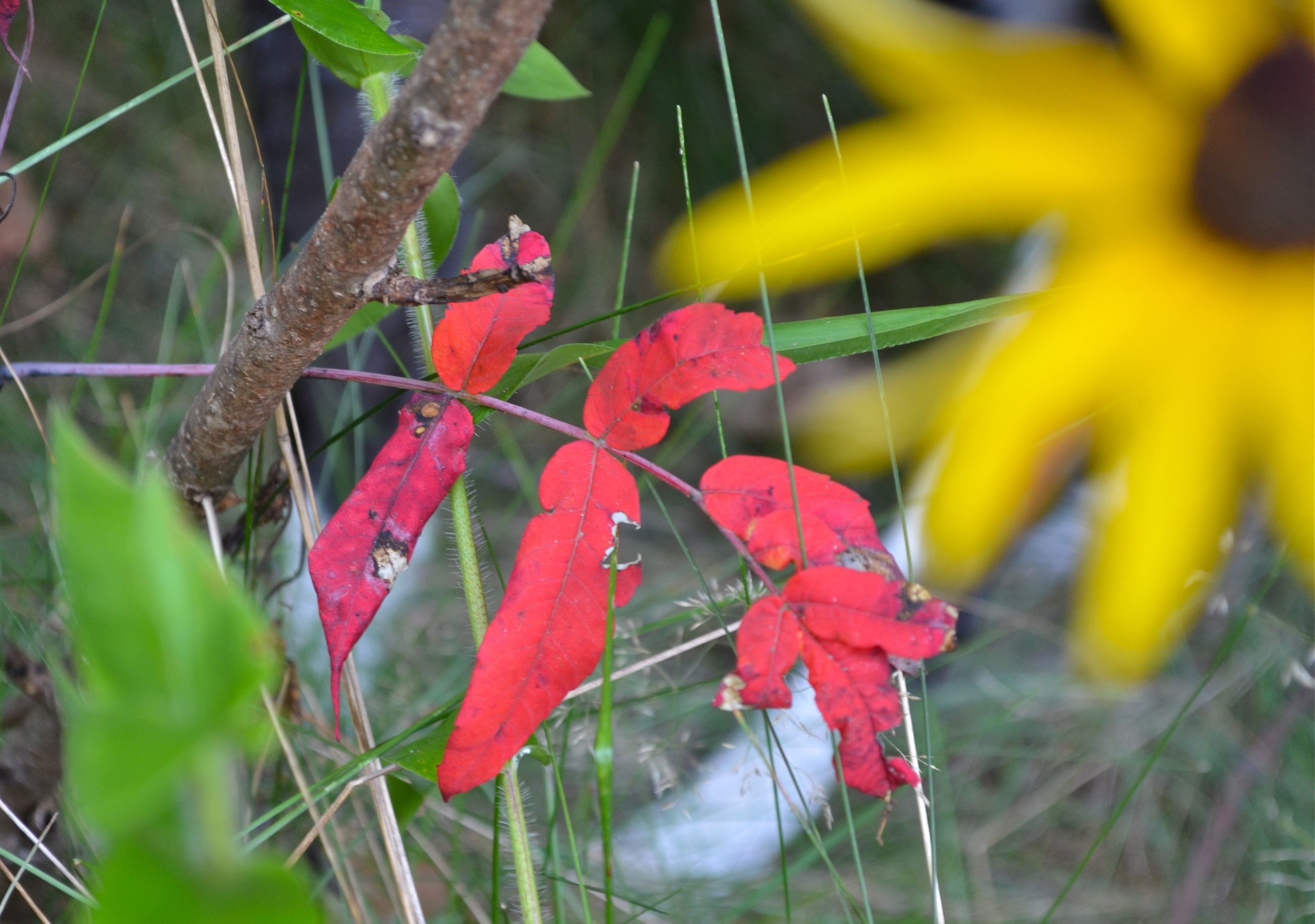
Sumac is the first to change
Fernleaf False Foxglove
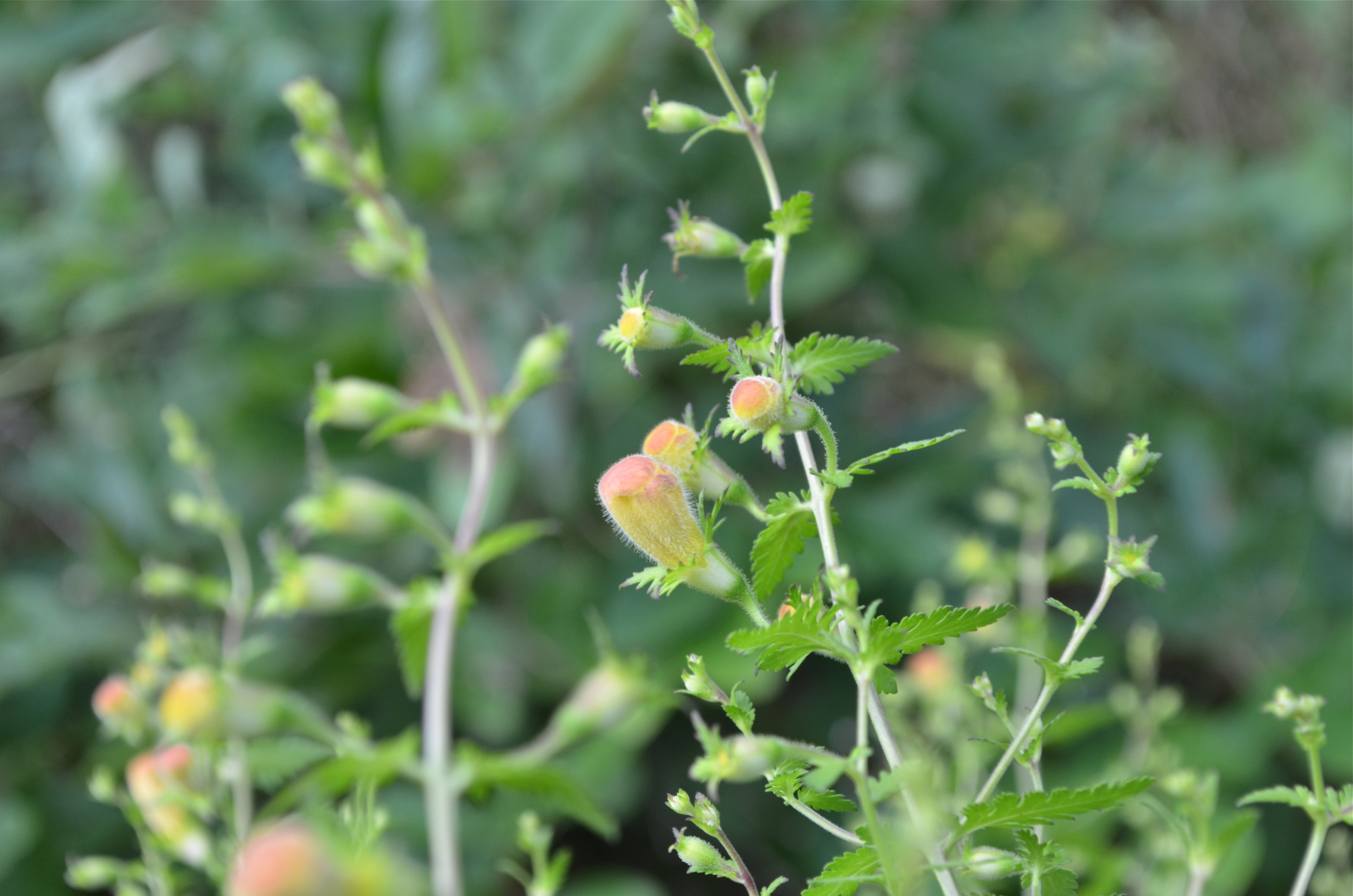
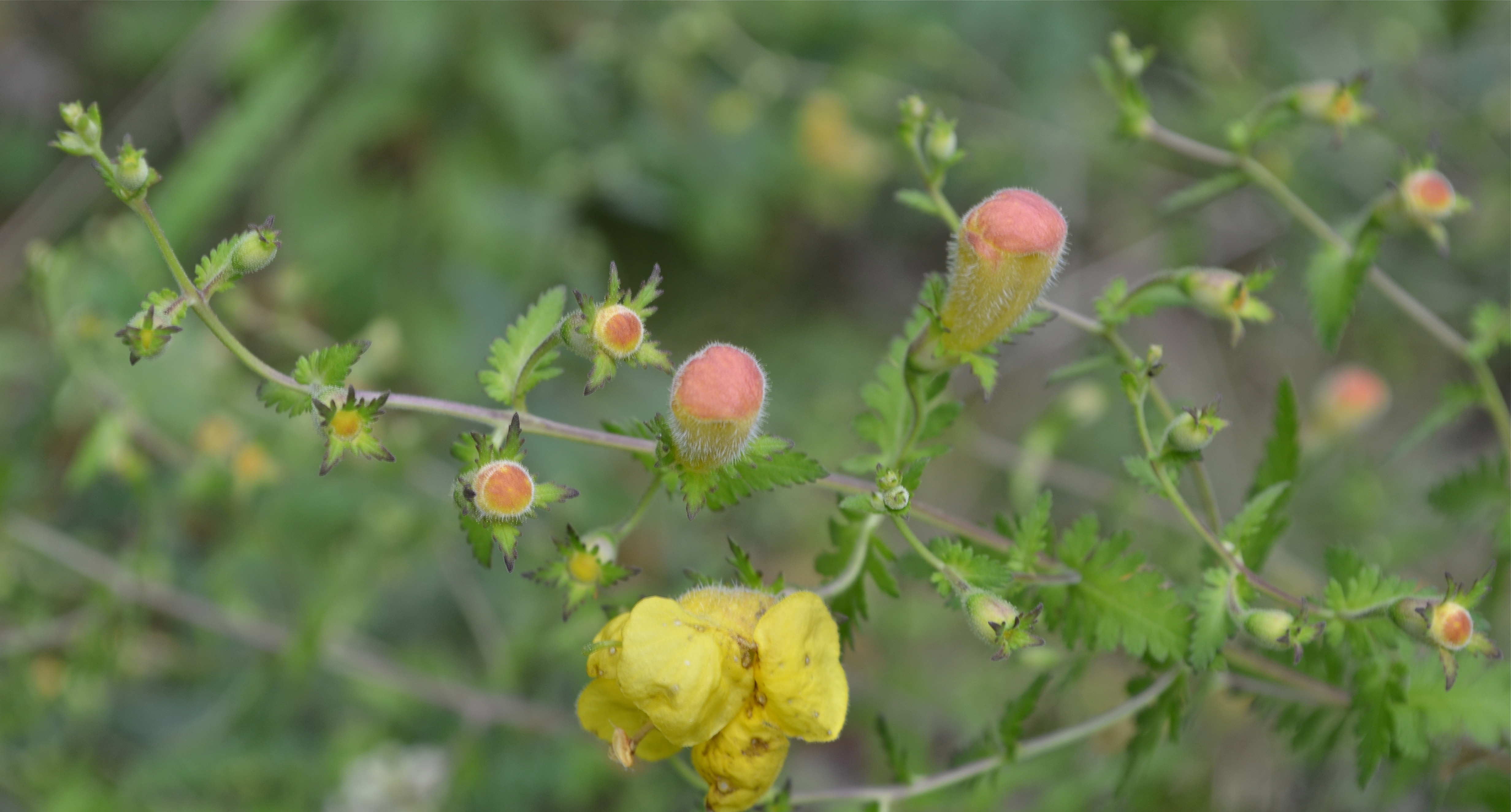
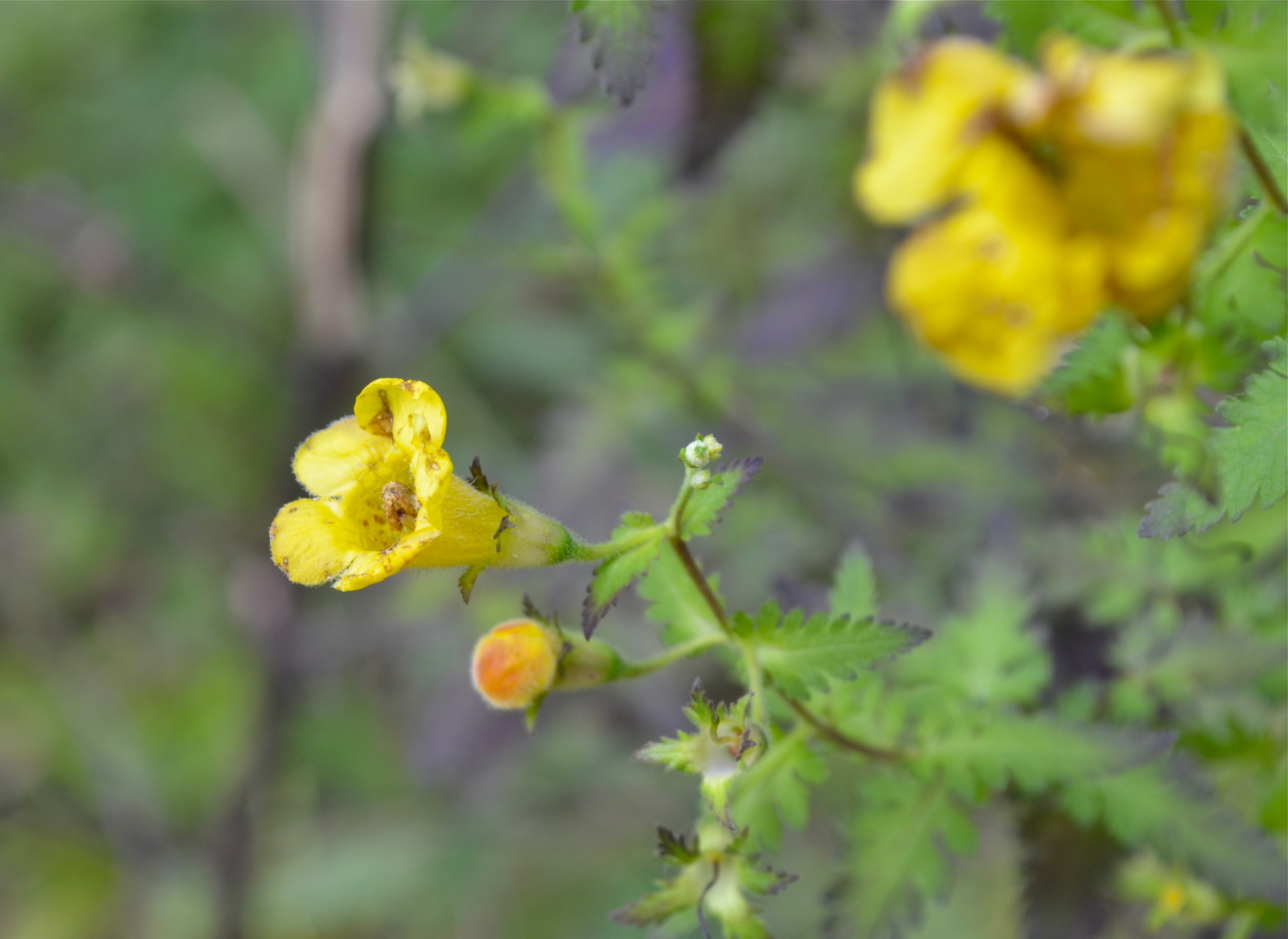
Even as most of the wildflowers are looking toasted or wilted, I’m still coming across new and unfamiliar flowers. These blossoms are not so pretty, but the buds are very distinctive and beautiful. False foxgloves are partially parasitic on oak trees, and therefore always grow near oaks. Figwort family. Native.
Fernleaf False Foxglove (Aureolaria pedicularia)
Camouflage
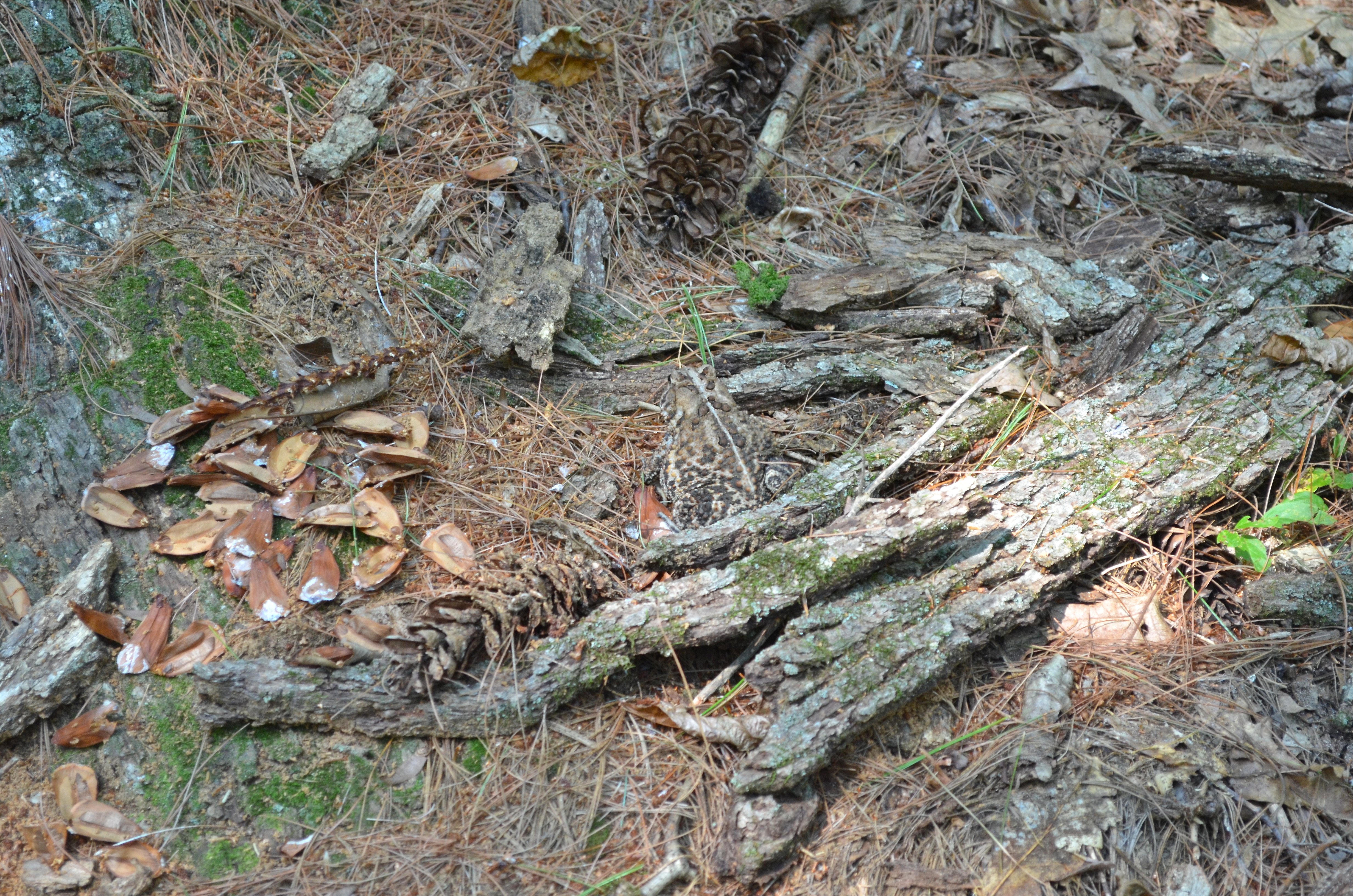
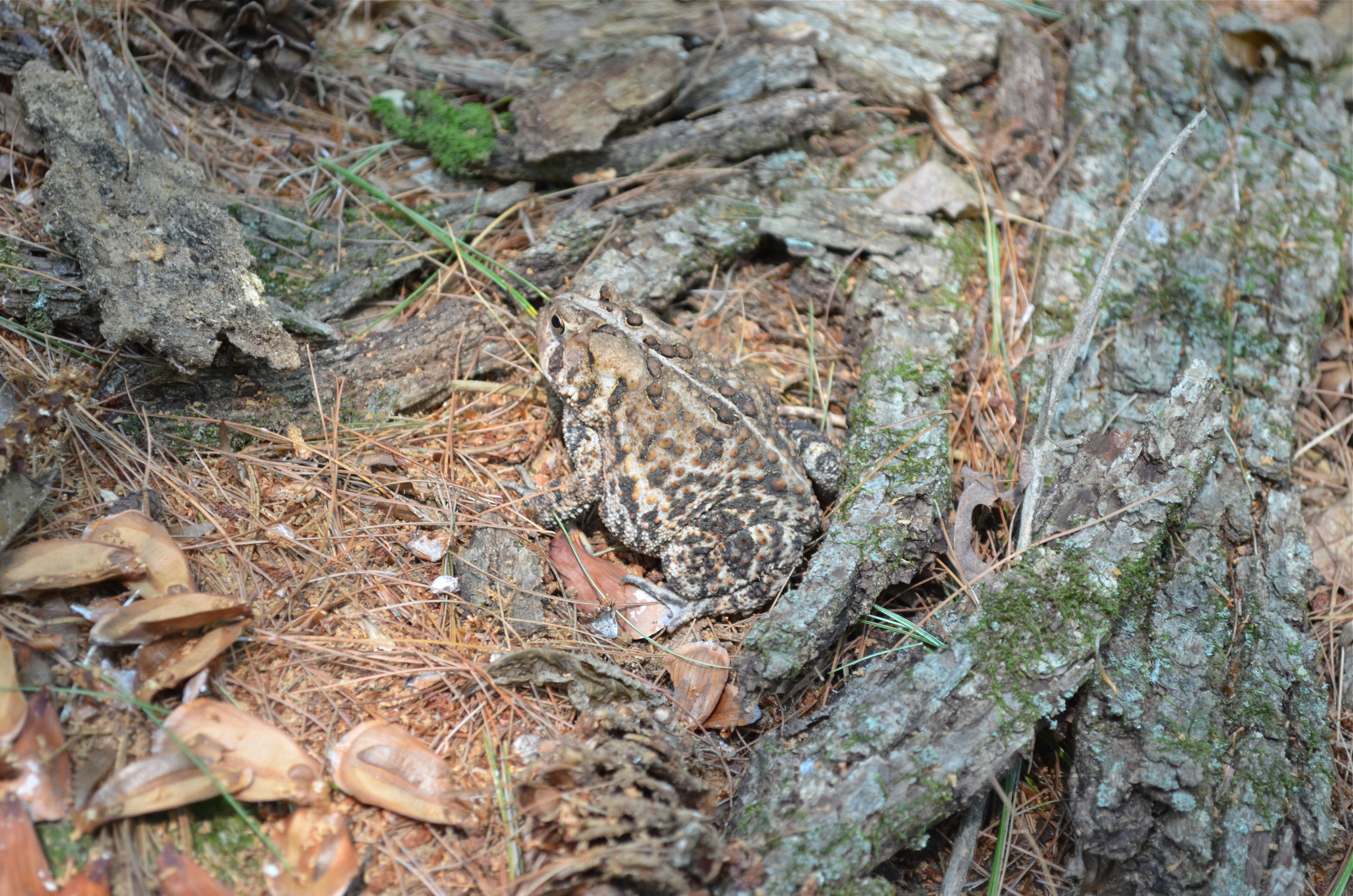
Lucy and I were walking in the woods not on a trail when something cold brushed past my leg. I kept the shrieking to a minimum and saw this toad, about the size of my fist, so well camouflaged that I never would have seen it had it not tapped me on the shoulder. So to speak. Even the stripe on its back looks like a bit of grass.
Their tadpoles are very small, solid black, and reach adulthood in 30-40 days, and then become mostly terrestrial. Their skin produces a toxic chemical that discourages fish from eating them.
American Toad (Bufo Americanus)
Buckwheat
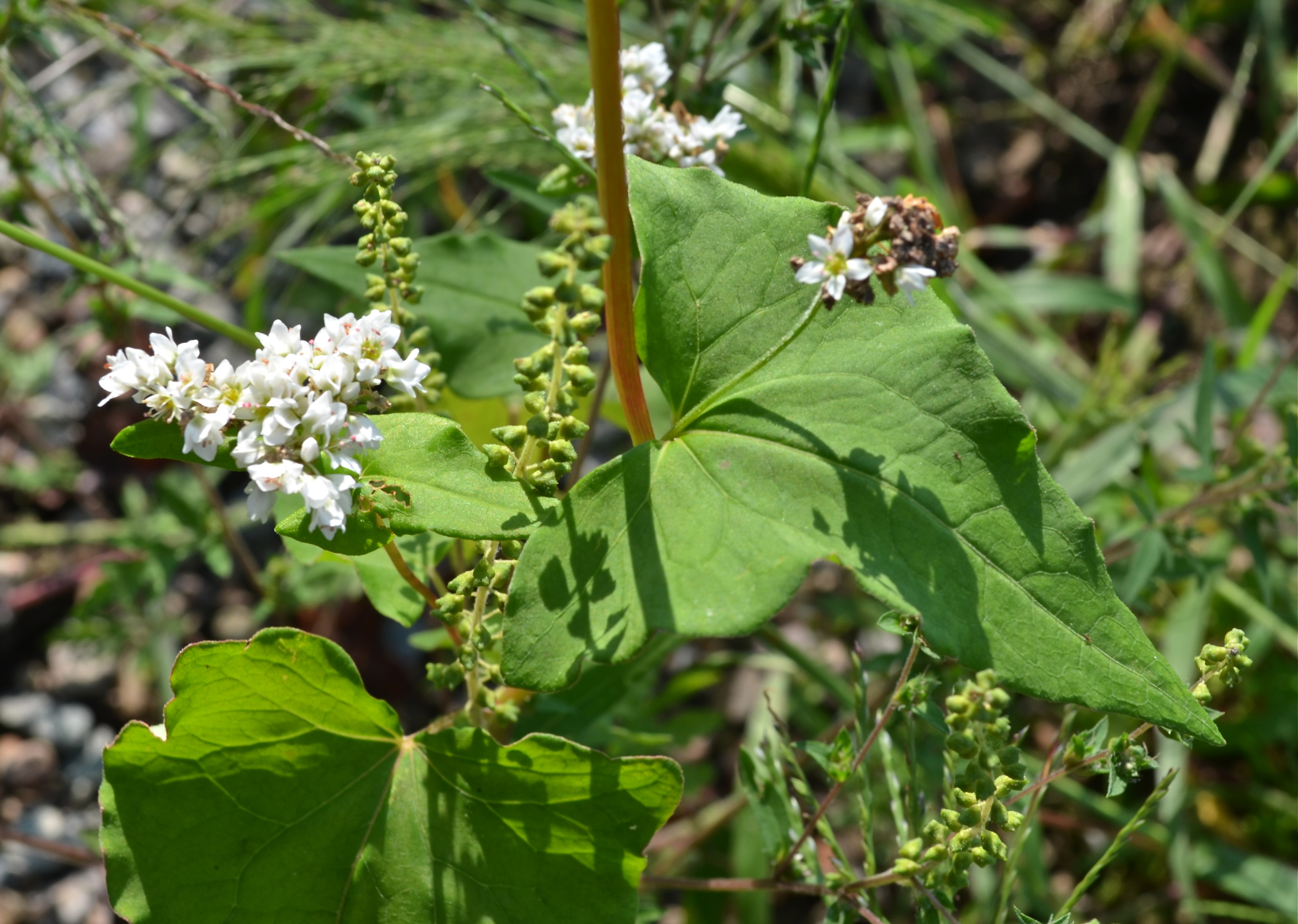
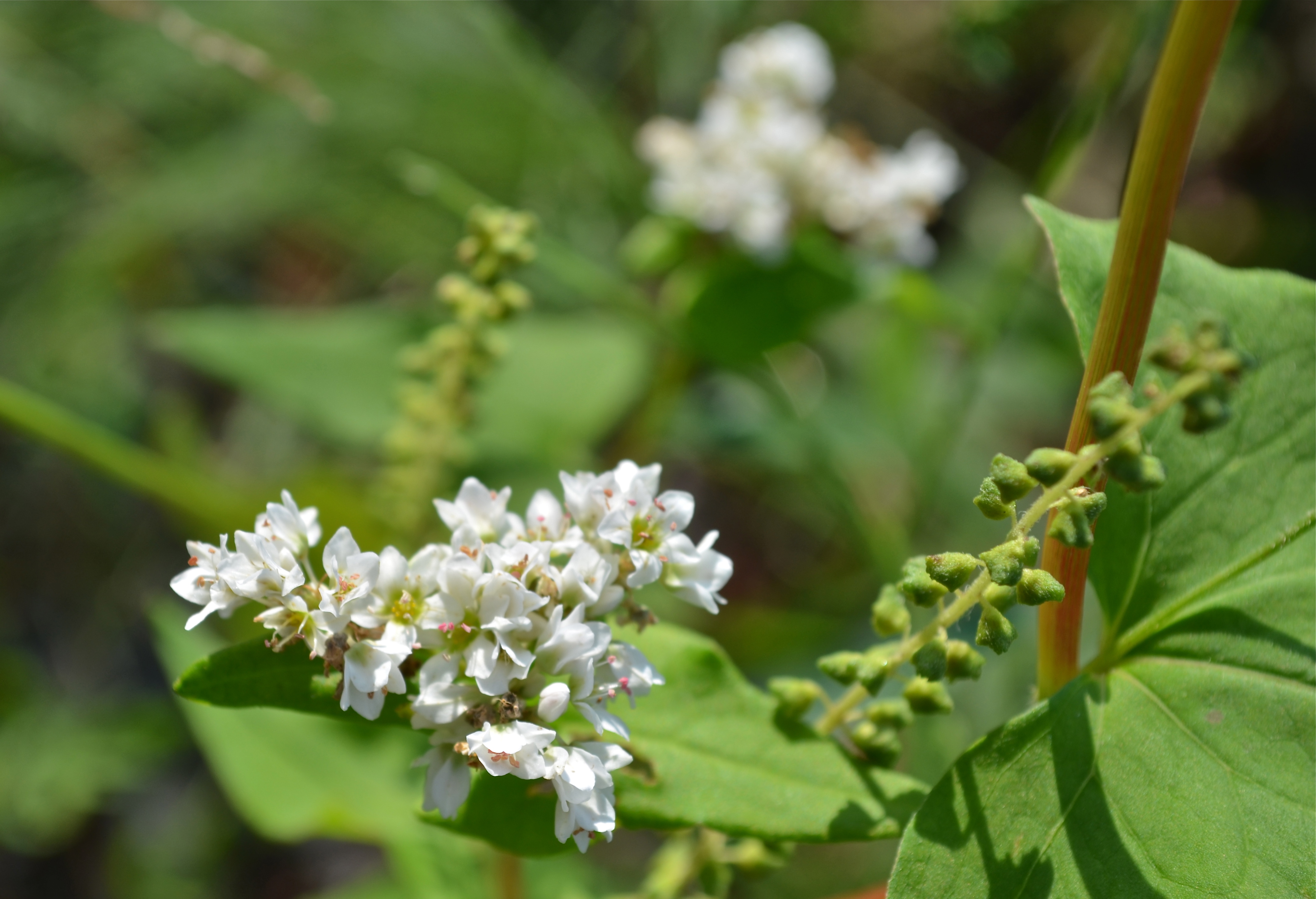
At the Dover Farm, I was wading out into the field to pick some cherry tomatoes, and noticed this plant with distinctive arrow-shaped leaves. It’s Buckwheat! Cultivated as a crop, but this one is an escapee. Buckwheat has been grown as a crop in the U.S. since colonial times for livestock feed and for flour. Also a honey crop (used to supply nectar for bees) and a smother crop (a quick germinator that creates a dense leaf canopy to smother weeds).
Buckwheat (Fagopyrum sagittatum)
Bonus picture to contrast with the farm: we were just in Manhattan. Drive-by shot of a grocery store in the Washington Heights neighborhood that is open to the sidewalk. It’s the sort of colorful outdoor display where you expect produce… but it’s all cans.
Nodding Smartweed
Pink Knotweed
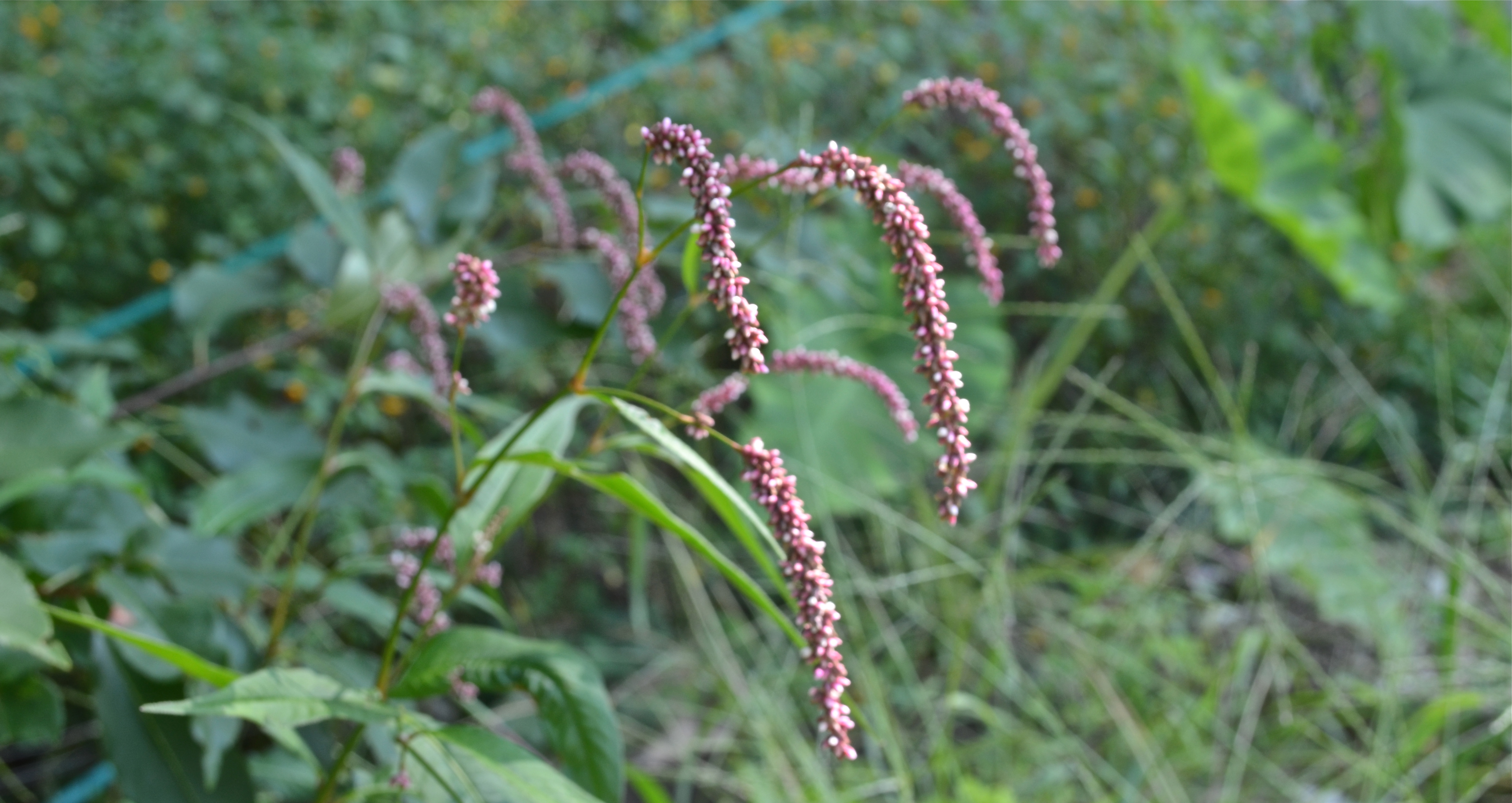
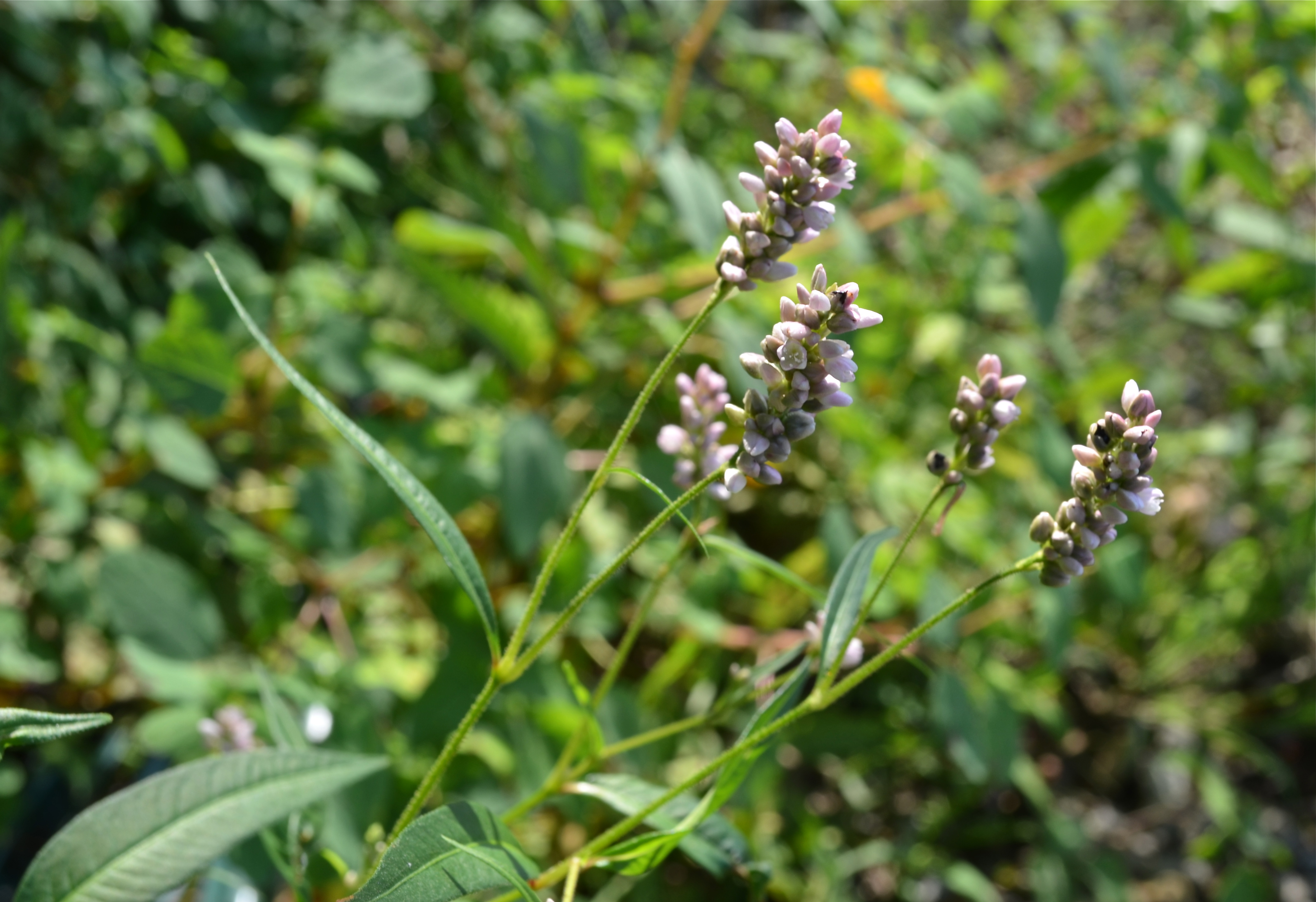
There is a little weed charmingly called Lady’s Thumb, which is very common and looks a lot like this. It took me a while to notice that all these varieties of smartweeds and knotweeds are NOT Lady’s Thumb. There are about 35 varieties in this area. This one is a paler pink. Also, Lady’s Thumb has a dark smudge on the leaves. Buckwheat family. Native.
Pink Knotweed (Polygonum pensylvanicum)