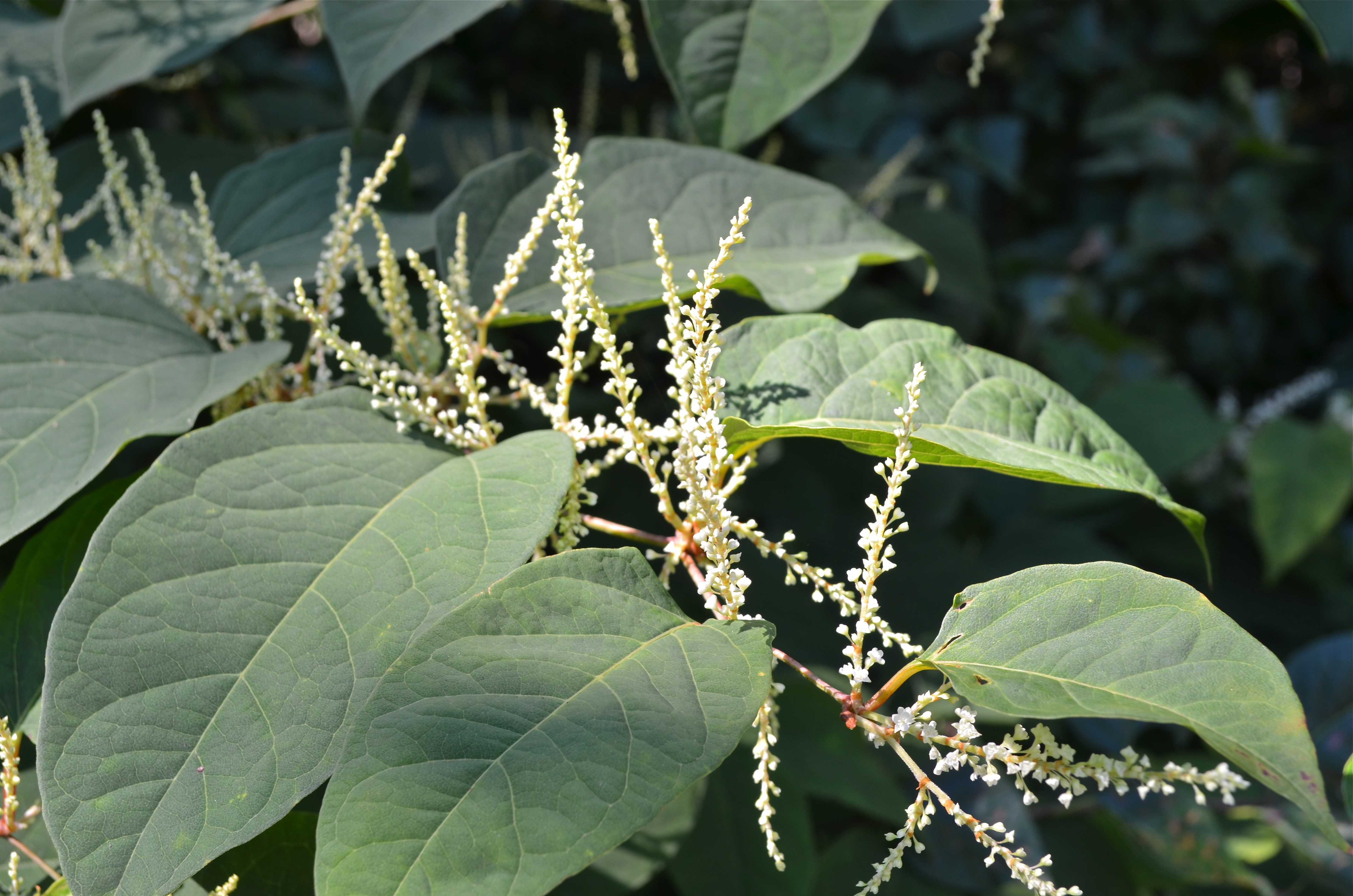
Japanese Bamboo

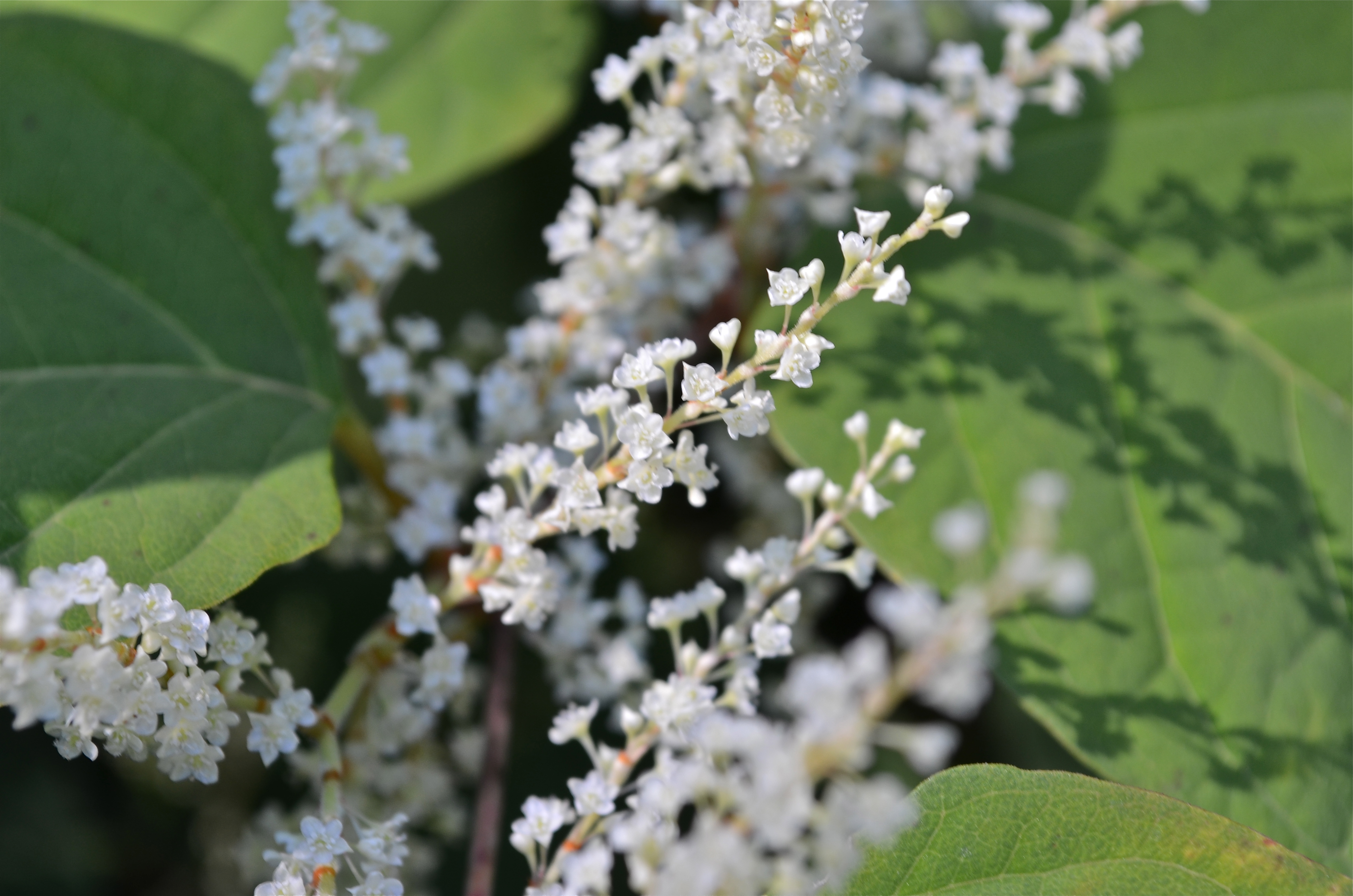
Big shrubs (4-8 feet tall) with great arching branches with spikes of white flowers at every axil. Native to Asia, introduced to the U.S. as an ornamental. Considered a noxious weed in some west coast states. Young shoots can be eaten like asparagus. Seeds are eaten by birds.

Japanese Bamboo, Japanese Knotweed, Rice Cane (Polygonum cuspidatum)

Pale Smartweed

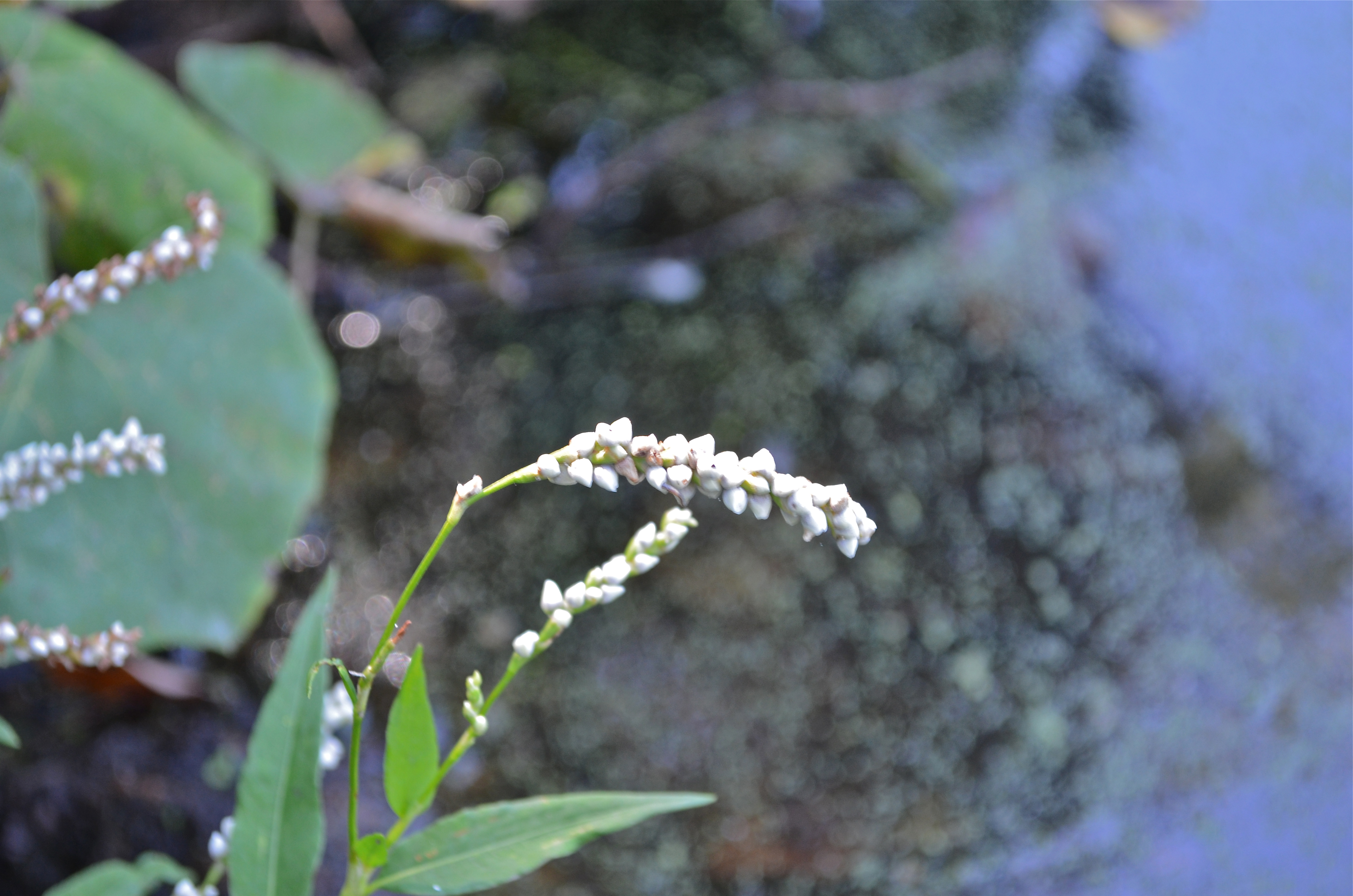
This is at the edge of the Charles. White blossoms, nodding. The stem has prominent joints. Buckwheat family. Native.

Pale Smartweed, Dock-leaved Smartweed (Persicaria lapathifolia)

White-pored Chicken of the Woods

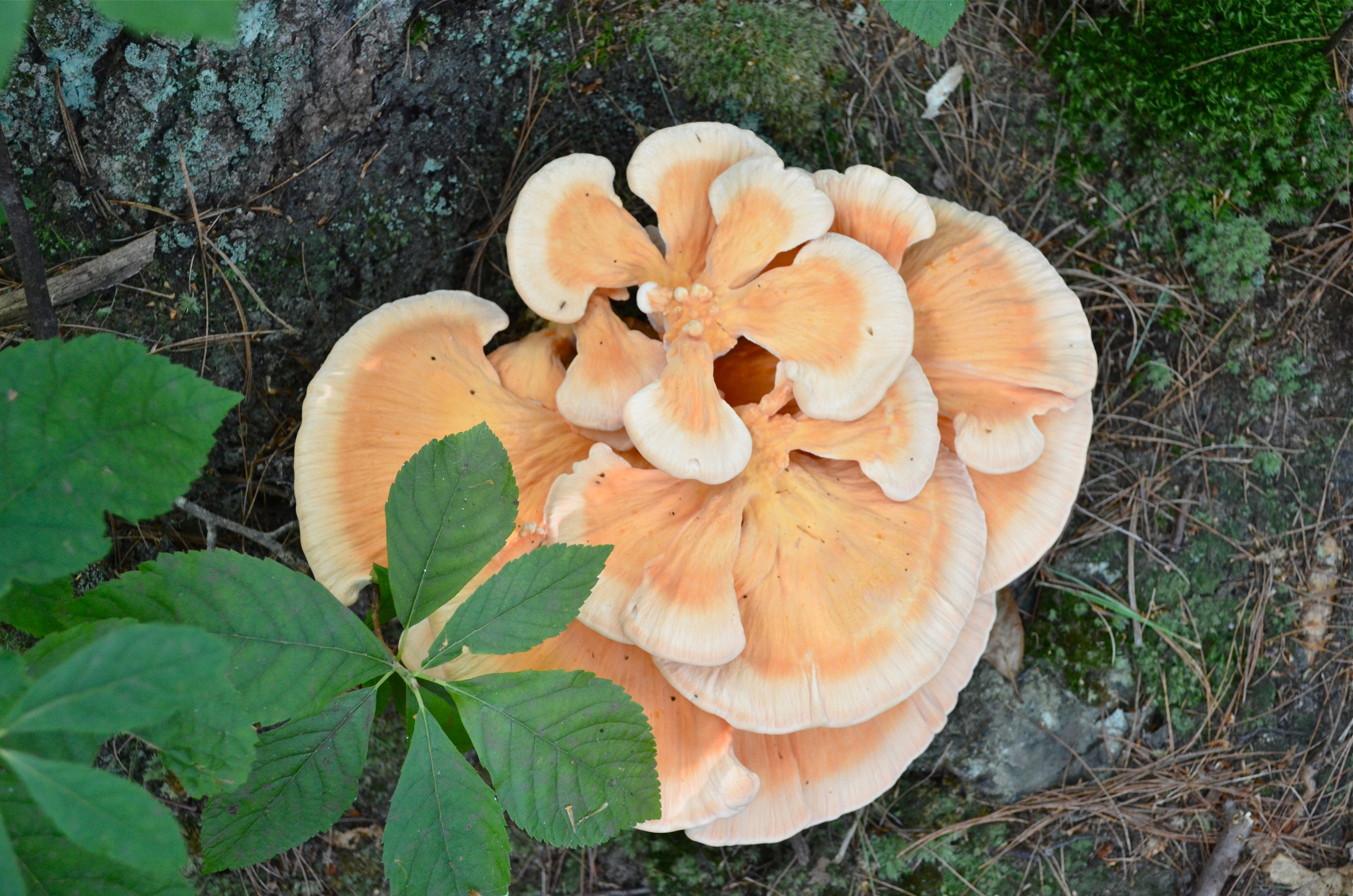
A.F. Irit was wondering what these feel like so we tried it. I expected it would feel velvety, dry, and hard. But actually it was not velvety dry, it was more like velvety damp, cold and kind of rubbery, like feeling a diving wet suit. Reputedly edible and absolutely choice if cooked (and very upsetting if eaten raw)! (No thanks!)

White-pored Chicken of the Woods (Laetiporus cincinnatus)

Yellow Coral Fungus

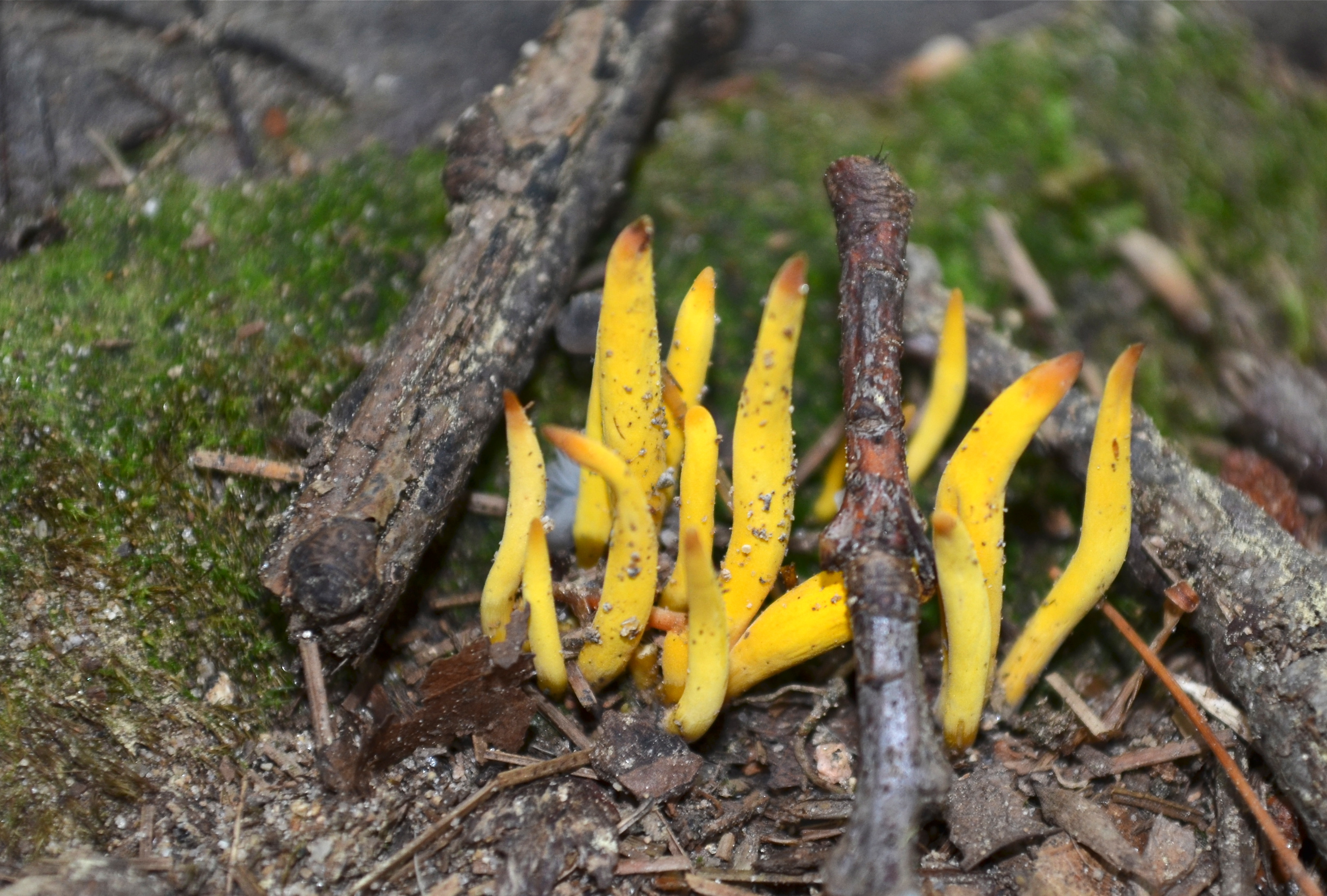
With new wildflowers scarce, I do find other things catch my eye, like these small yellow fingers of fungus. I hope this is the correct identification.

Yellow Coral Fungus (Clavaria amoena)

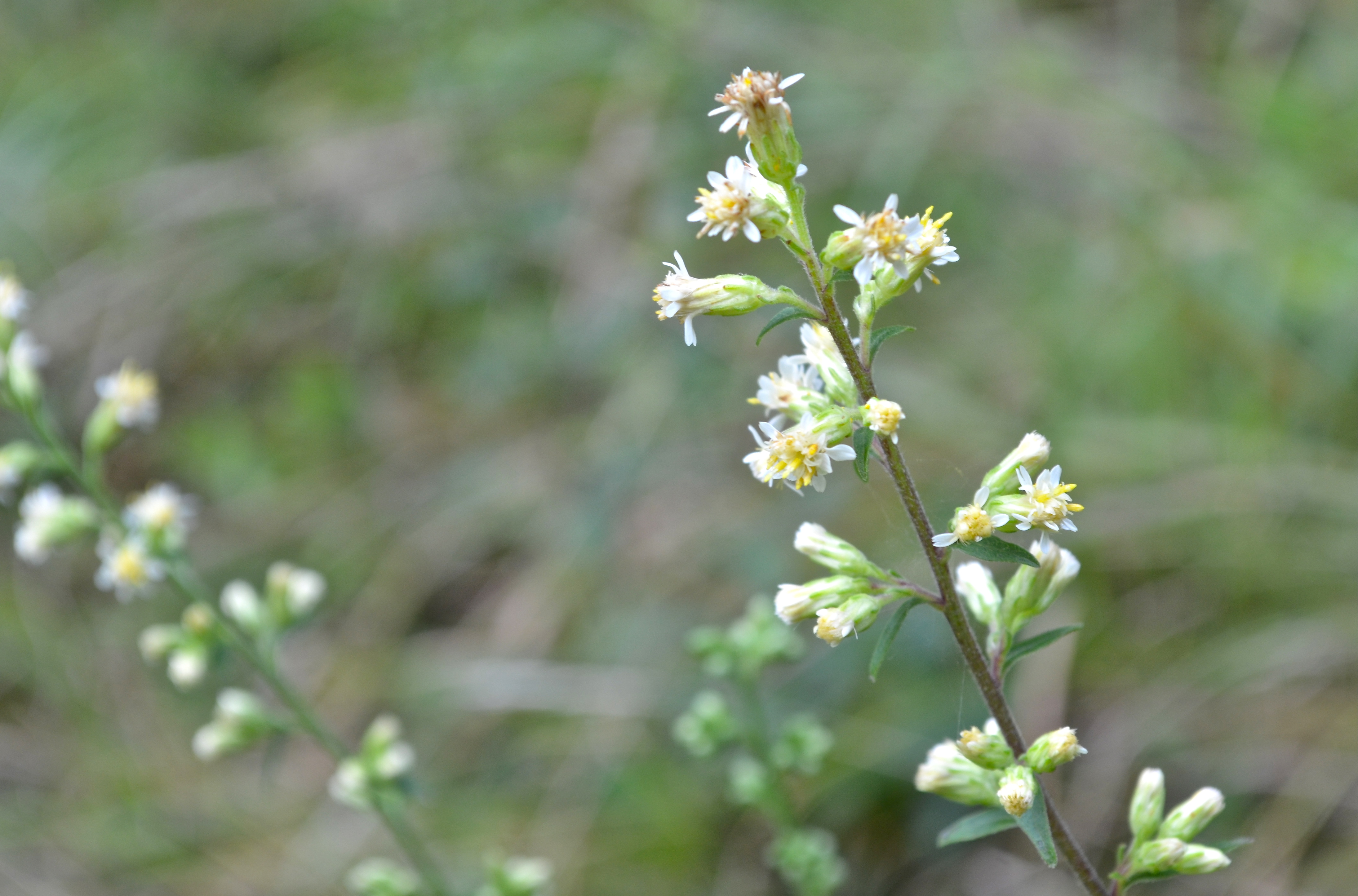
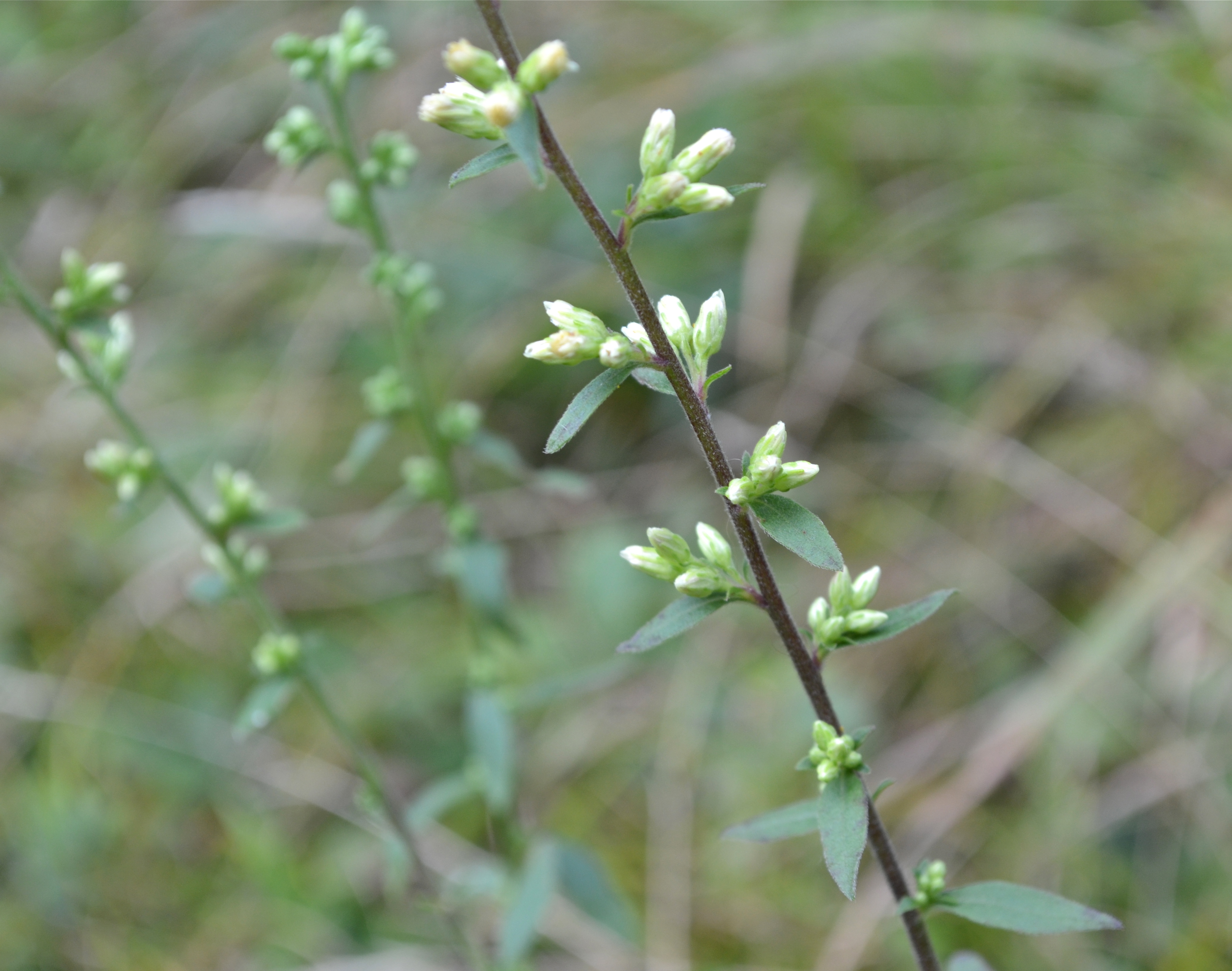
Silver-Rod

The only non-golden goldenrod! White flowers, and look how they grow in the axils all the way up. Blooms through October. Another gift from the meadow of wonder, while most of the flowers there are wilting down and going to seed. Aster family. Native.

Silver-Rod (Solidago bicolor)

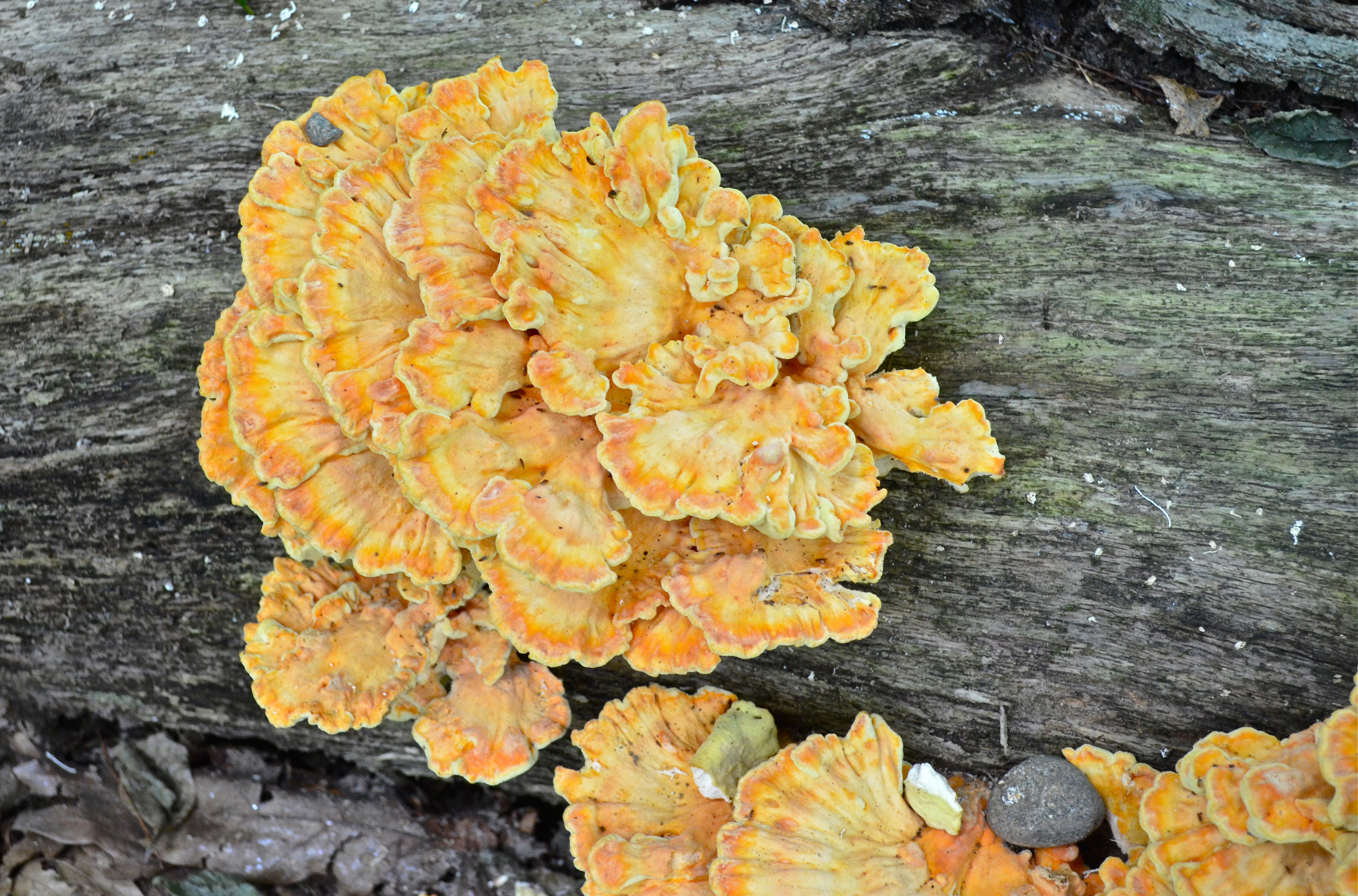
Sulphur Shelf

The procession of new flowers has slowed, but a little rain has brought out lots of fungus. Today we noticed this ruffly specimen. It’s edible, and not the same as another edible mushroom I posted, Hen-of-the-woods. Can be prepared like chicken, but only eat young fresh ones! And start with just a little! Psh.

Sulphur Shelf, Chicken-of-the-woods (Laetiporus sulphureus)

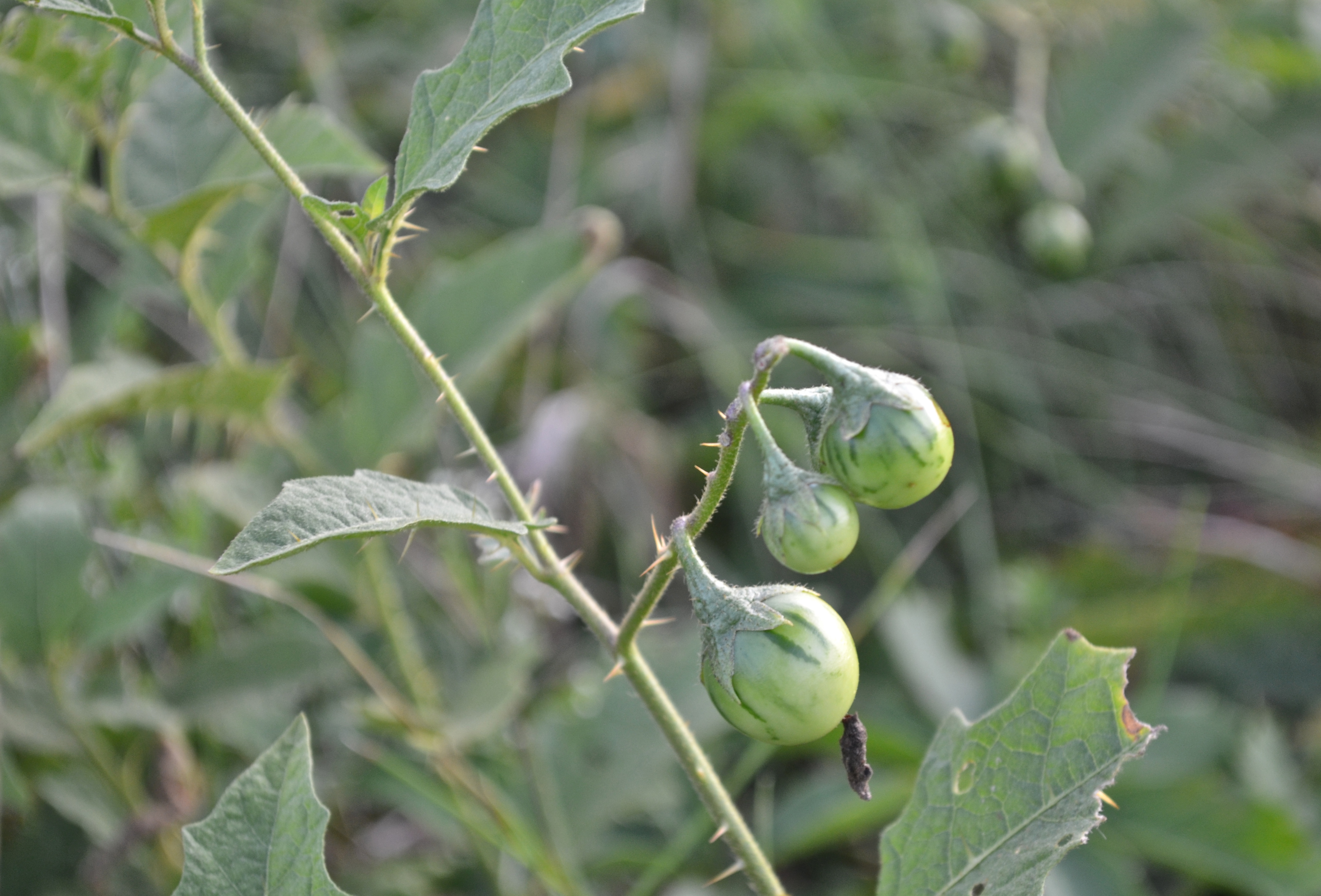
Horse Nettle (fruit)

Autumn can’t take you by surprise if you’re paying attention to the wildflowers; the passage of time is well-measured by their progress. They’re moving into fruiting and seeding overdrive… at Charles River Peninsula, the milkweeds have developed their giant seedpods, and the horse nettle has set on its tomato-like fruits. These are toxic to humans, but many other creatures eat them. Nightshade family. Native.

Horse Nettle (Solanum carolinense)

Northern Water Snake

Let us digress from admiring wildflowers for a moment and instead say Eww on behalf of this big snake who was basking on a rock very near the water lilies I photographed recently. An unusual sight — usually we just see garter snakes. The Northern Water Snake eats pretty much anything alive that fits in its mouth– frogs, birds, mammals. At night, it can eat fish sleeping in shallow water. It can swim on the water’s surface, or submerged. Thanks to Alert Wildlife Spotters Clara and Aaron for taking this photo. Colubridae family. Native.

Northern Water Snake (Nerodia sipedon)

Live Forever

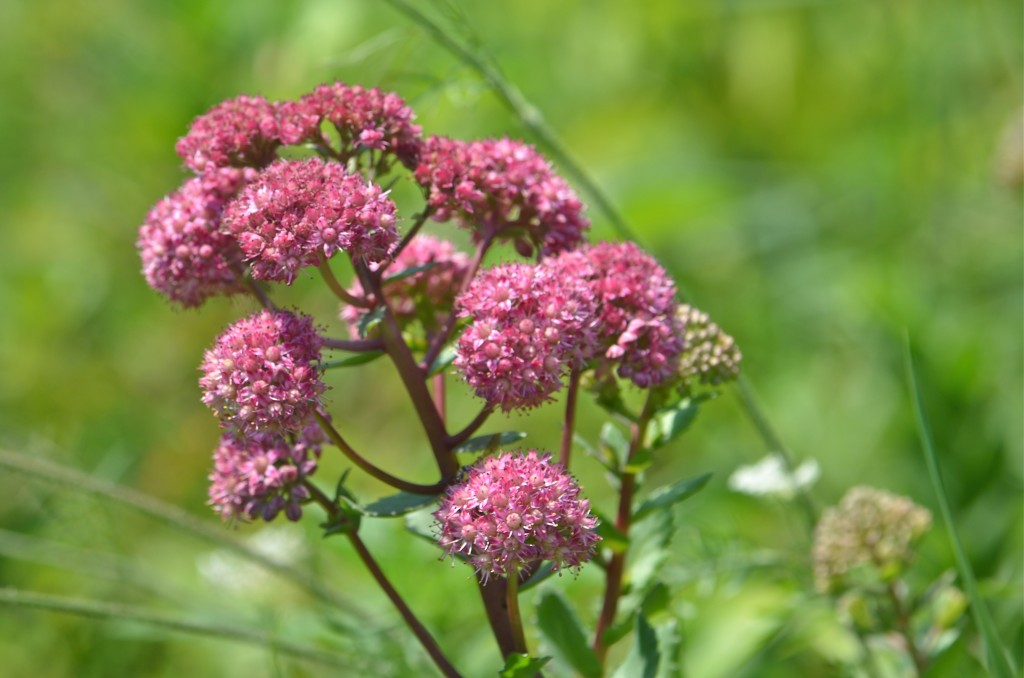
As we approach the end of summer, it was great to get this surprise– a really showy new flower. It looks a lot like purple milkweed, but has distinctive succulent leaves that are very regular and same-sized all the way up the stalks. An unusual characteristic: the leaves can be alternate or opposite. It’s named Live Forever because it’s very persistent and can grow from any small bit. We saw just a couple of plants in this whole field of other flowers– I wonder if this is the beginning of a big colony.

It has several intriguing common names that come from this: put the leaf in your mouth until it’s soft, and when the membranes are sufficiently loosened, you can inflate the leaf like a little balloon. Crassulaceae (Stonecrop) family. Native to Europe.

Live Forever, Witch’s Moneybags, Midsummer-Men, Orpine, Aaron’s Rod, Pudding-bag Plant (Sedum purpureum)
Tall Blue Lettuce

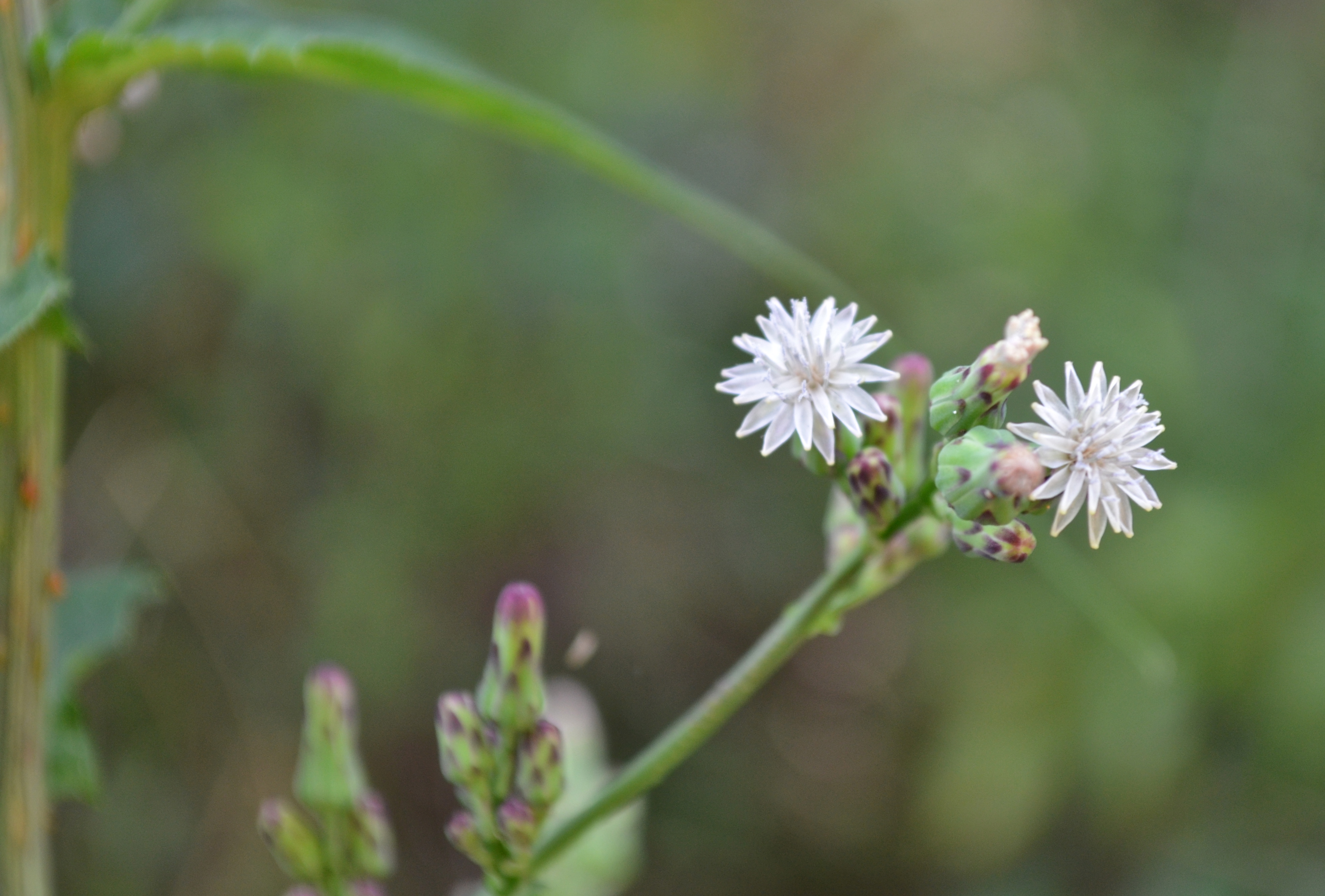
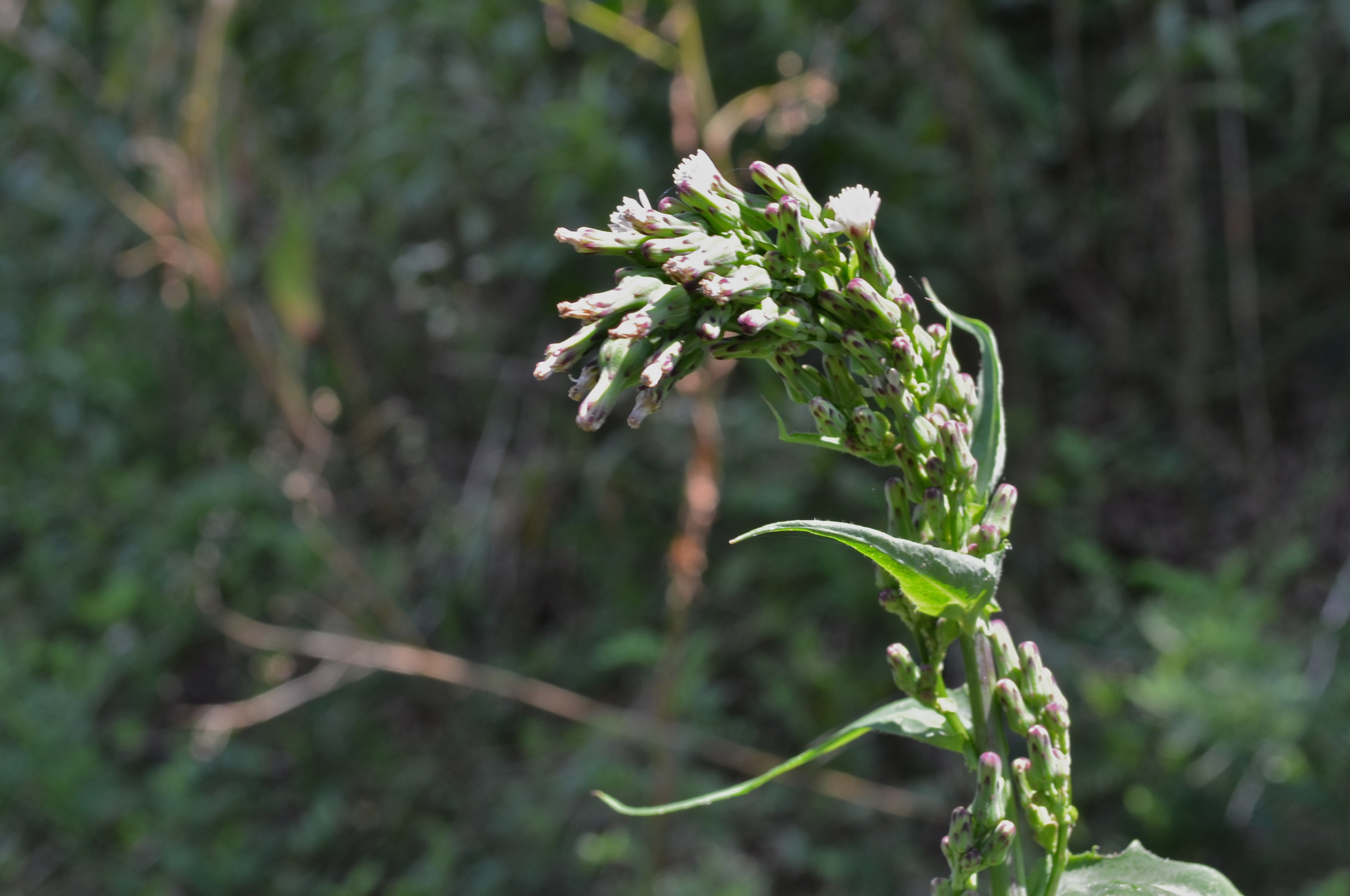
I love this name. Small flowers, under a half inch wide, that are only open when it’s sunny. A thick cascade of flowers–can be blue, but these are white. A tall plant, up to 15 feet, with milky juice. Has a history of medical uses but not of food use. Annual or biennial. Aster family.

Tall Blue Lettuce, Woodland Lettuce (Lactuca biennis)