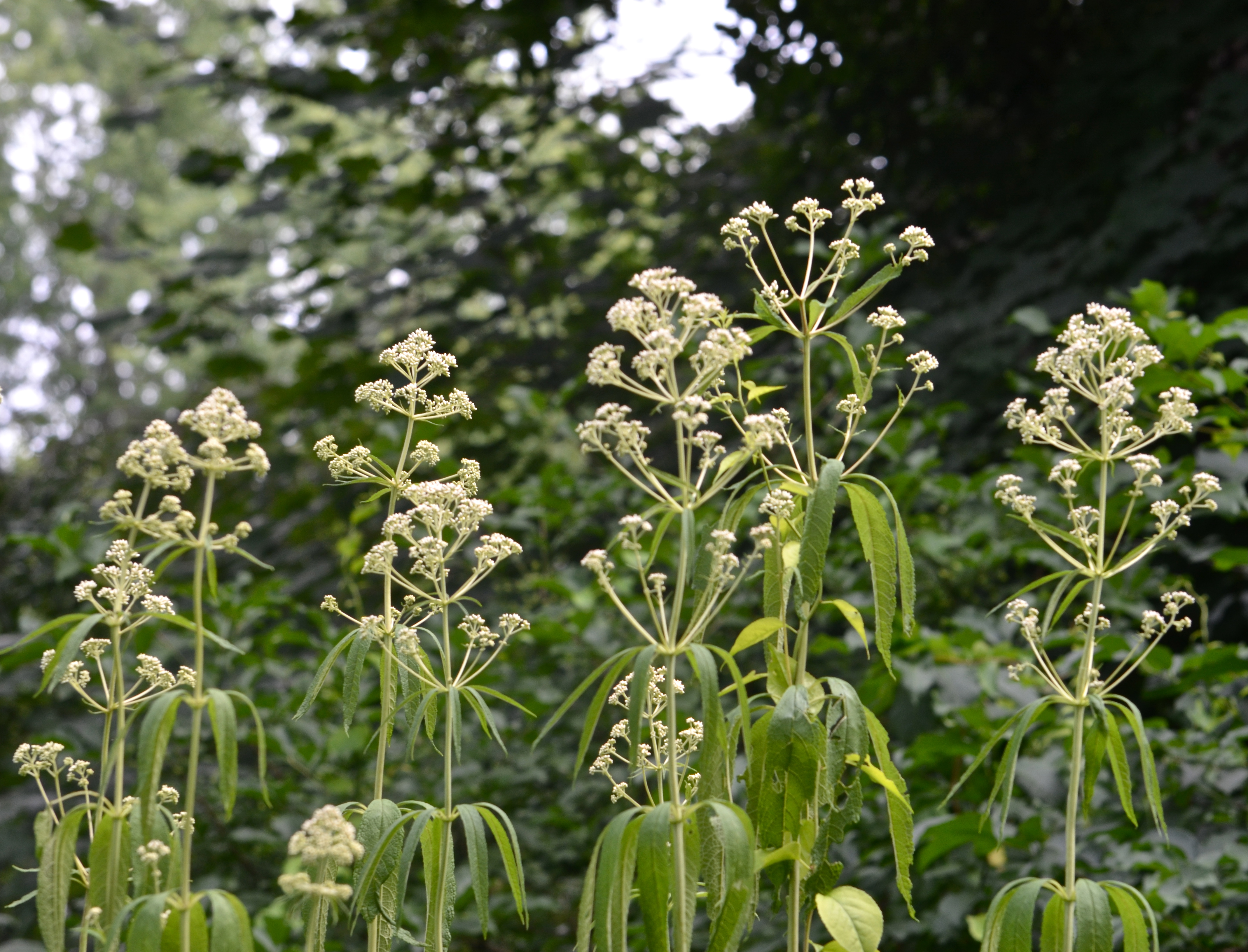
White Joe Pye Weed

Back to Centennial when the temperature was about 95. I don’t have a closeup of this plant because it’s out in the poison ivy field, but it’s about 8 feet tall, and even from a distance you can see the distinctive leaf structure. They’re wilted from the heat and drought I presume, but you can see that it’s several leaves encircling the central stalks (“whorled leaves”). The only giant plant I can find with that leaf is Joe Pye Weed, usually pink, but evidently there are white variations. Who was Joe Pye? It seems he was a colonial-era New England herbalist/doctor (Native American, in some versions) who  famously used this weed to stop an epidemic of typhus. Native. Aster family.

White Joe Pye Weed (Eupatorium)
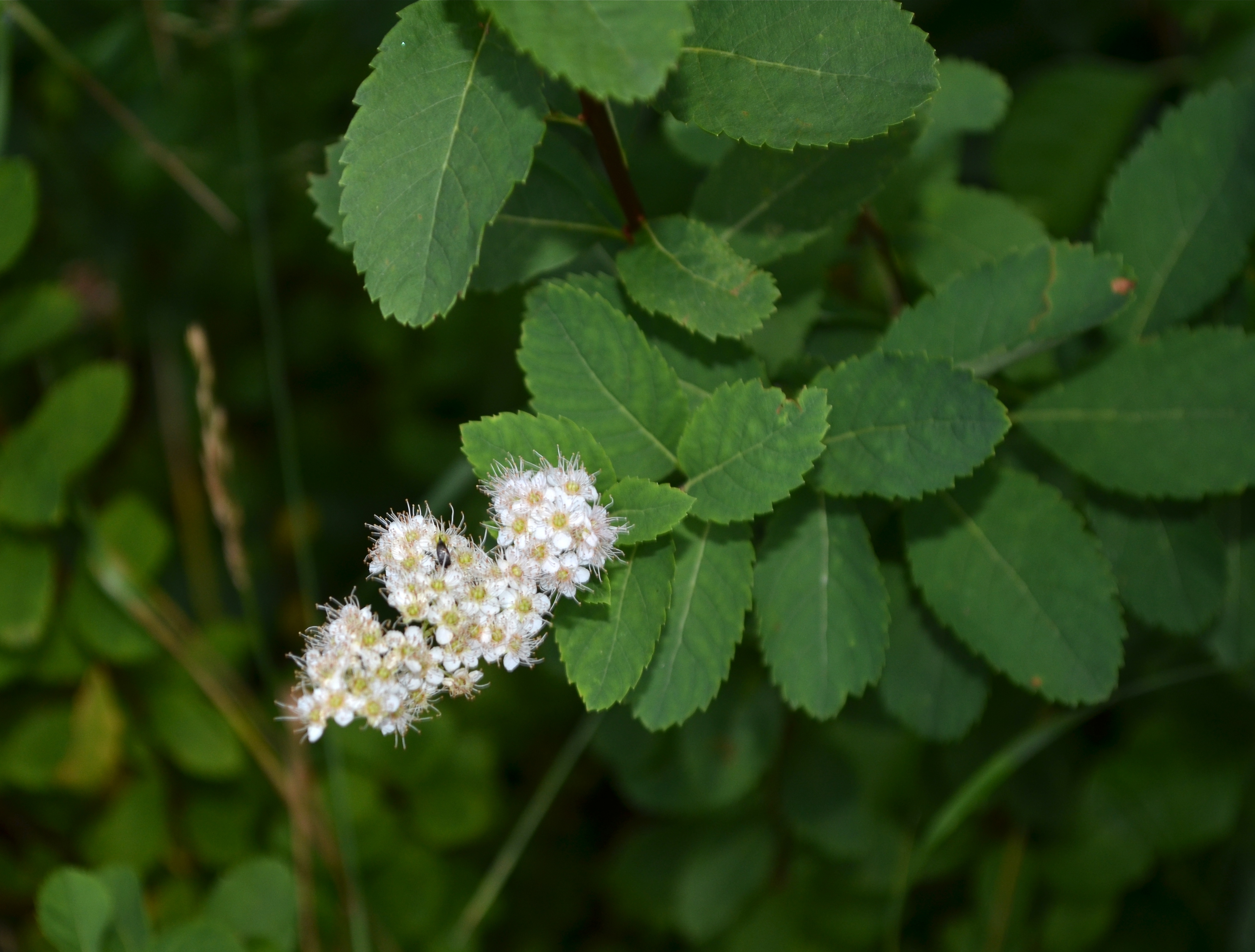
Meadowsweet

This concludes this particular amazing walk at CRP where all kinds of exciting new stuff was in bloom — catnip, water hemlock, campion, tick trefoil, button bush… Rose family. Native.

Meadowsweet (Spiraea latifolia)

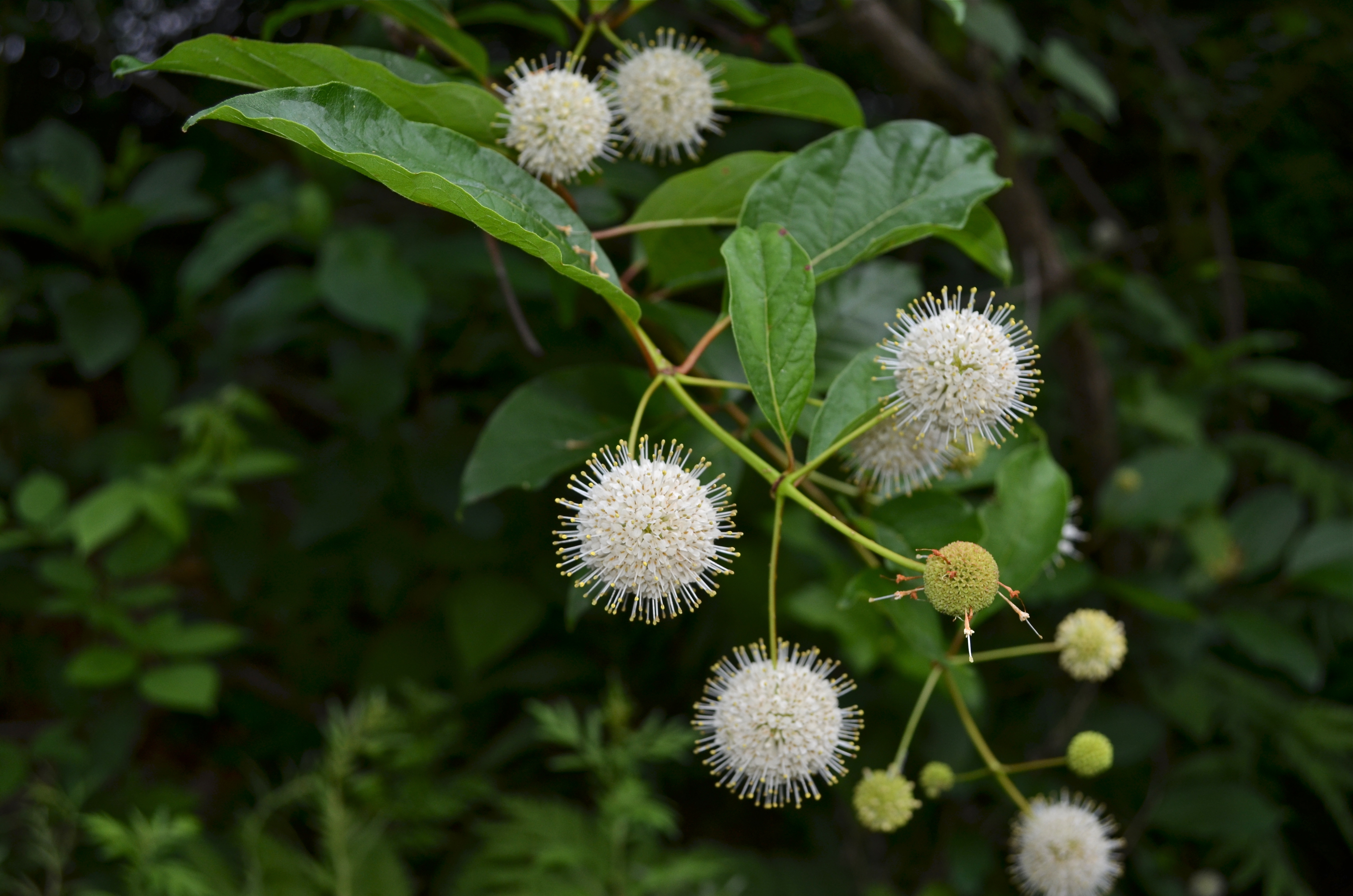
Button Bush

A fascinating plant that presumably in past years I walked by blindfolded. A shrubby little tree growing with its feet in the Charles River. Has medicinal uses, but also considered toxic. Good for butterfly gardens! Coffee Family. Native.

Button Bush, Button-willow, Honey Bells (Cephalanthus occidentalis)

Water Hemlock

One of North America’s most poisonous plants, contains “cicutoxin.” Many recorded deaths of people, and apparently it kills a lot of grazing livestock. Can grow to 8 feet tall. Apiaceae family. Native.

Water Hemlock, Cowbane, Poison Parsnip (Cicuta)

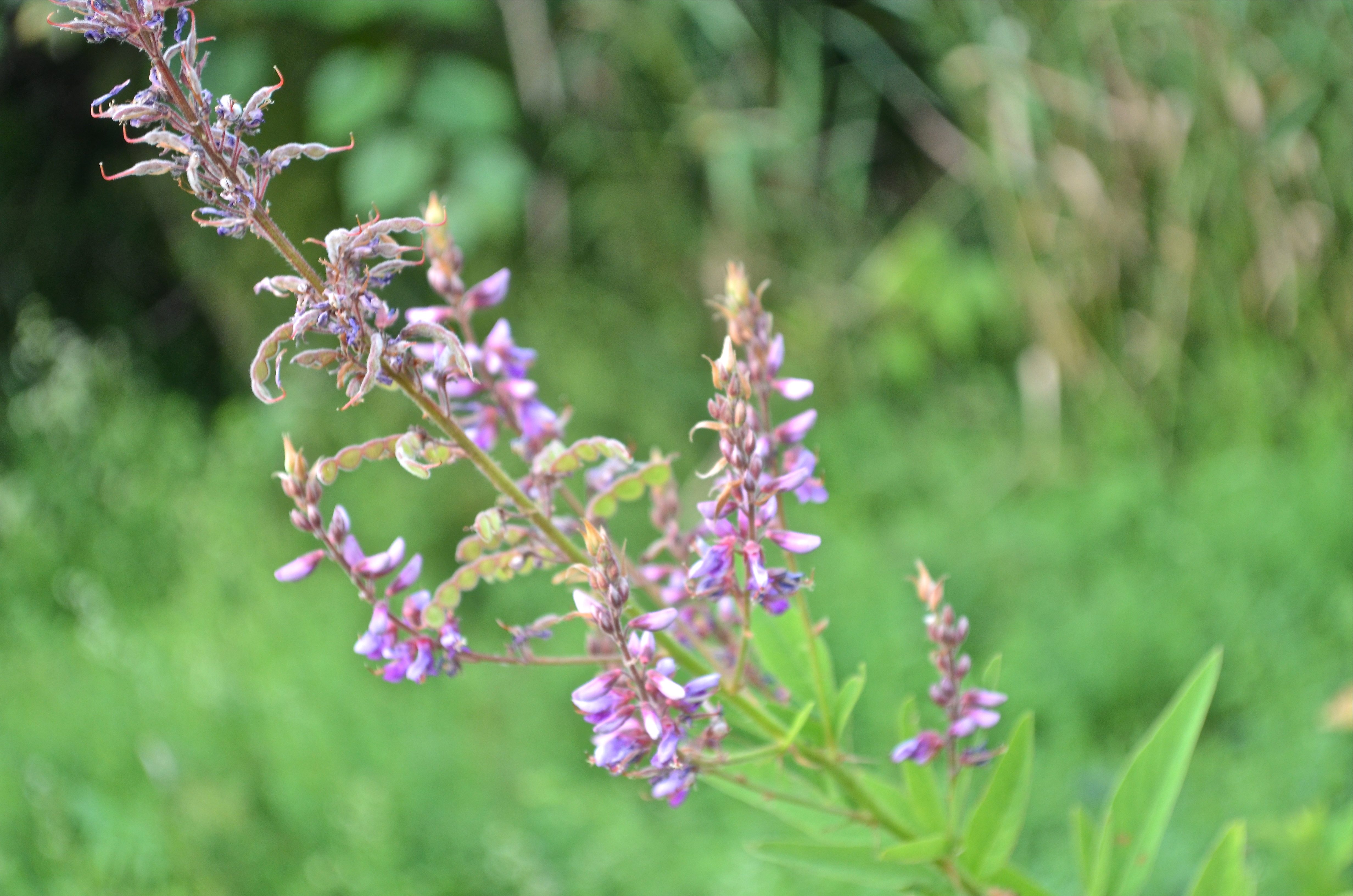
Sessile-leaved Tick Trefoil

Sessile-leaved means the leaves are basically growing right out of the central stalk with no leaf stems. You can see the green seed pods that grab onto passersby like ticks. Bean family. Native.

Sessile-leaved Tick Trefoil (Desmodium sessilifolium)

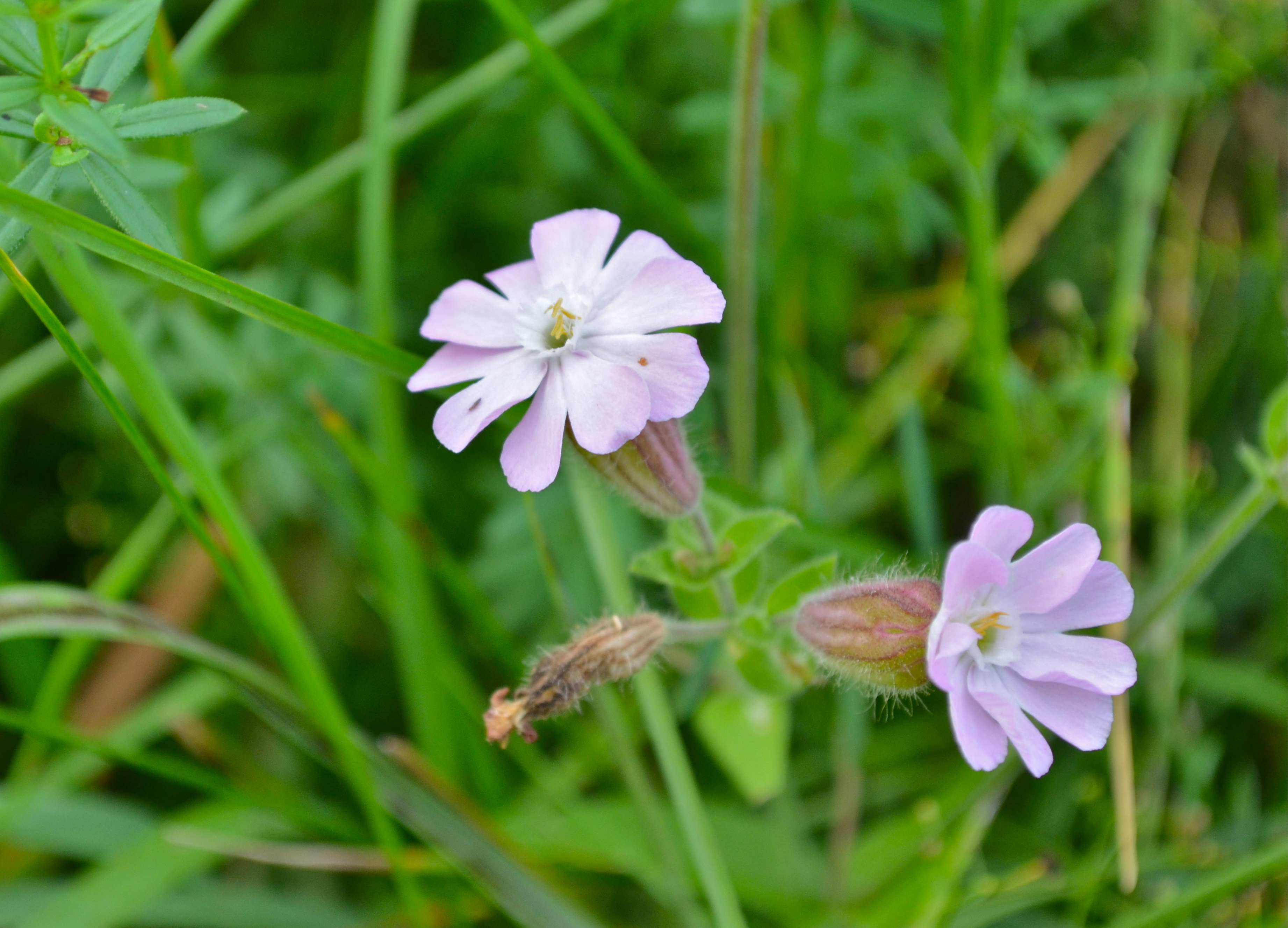
Pink Campion

Have seen loads of white campion and bladder campion, but this is the only little plant of this kind that I’ve noted.

Pink Campion (a hybrid of Silene dioica and S. latifolia — red and white campions)

Snowberry

This is apparently a variety of Snowberry, a shrub in the honeysuckle family. Will have white berries. The inside of the berries looks like sparkling snow. A winter food supply for birds, but poisonous to humans. Native to North and Central America. (Photo by A.F. Aaron.) (He was kind enough to include a bonus Dogbane Beetle, Chrysochus auratus.)

Snowberry (Symphoricarpos albus)

Bonus bug munching on Milkweed leaves: it’s a Red Milkweed Beetle (Tetraopes femoratus)


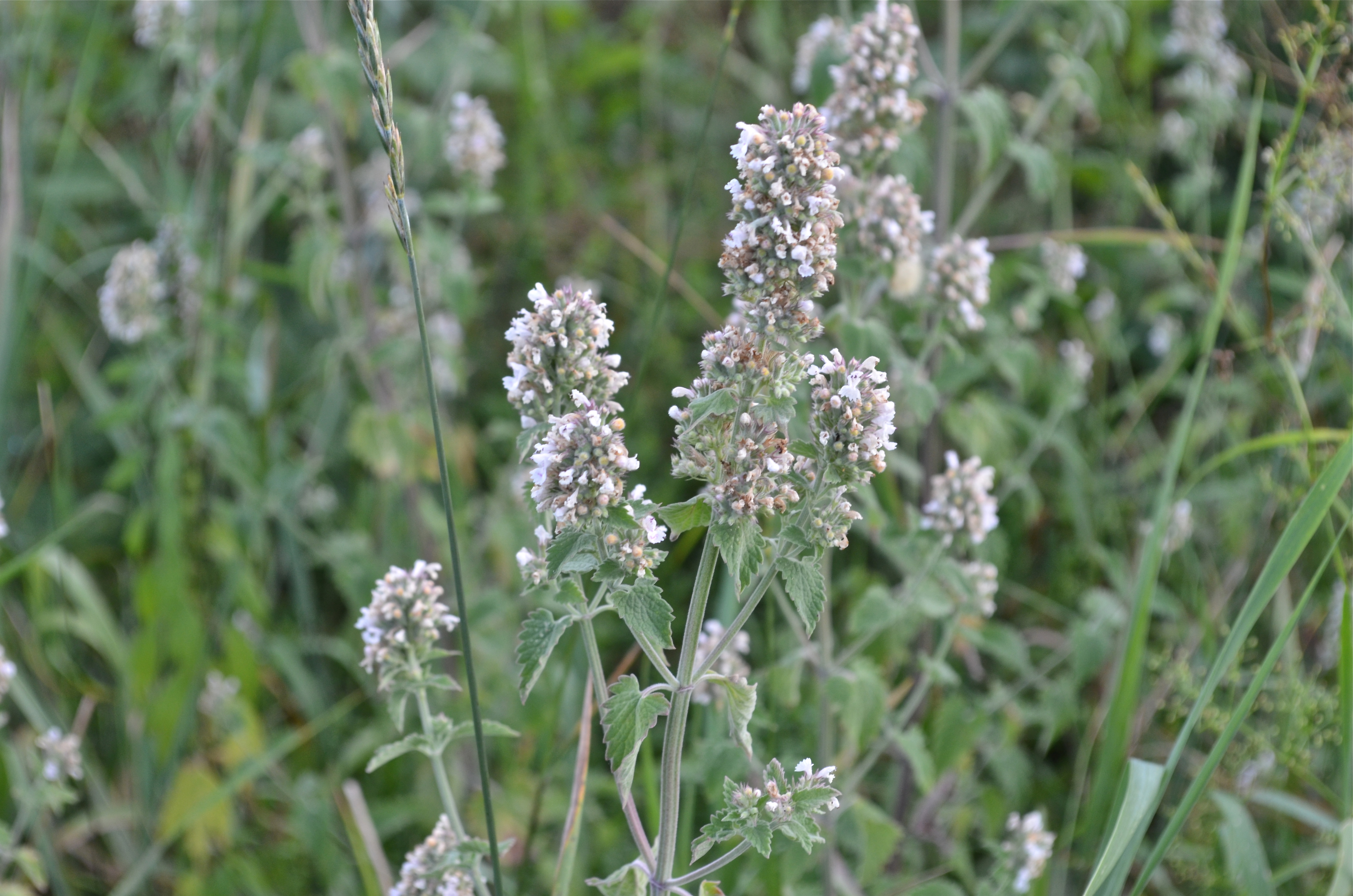
Catnip

It had been a couple of weeks since I visited this area, and the flora had really changed… so many new things in blossom, and so many formerly flowering plants already browning or sprouting seed pods. There is a big stand of this flower and I’m excited to discover that it’s wild catnip! Must collect a few sprigs for the cats in my life. The most drought-resistant member of the Mint family. According to Illinoiswildflowers, “Apparently, a chemical in the foliage produces a pleasant intoxicating effect in cats, somewhat akin to the effect of marijuana on humans. As a result, plants in residential areas may display signs of damage from cats rolling in the foliage.” Native to Eurasia.

Catnip (Nepeta cataria)

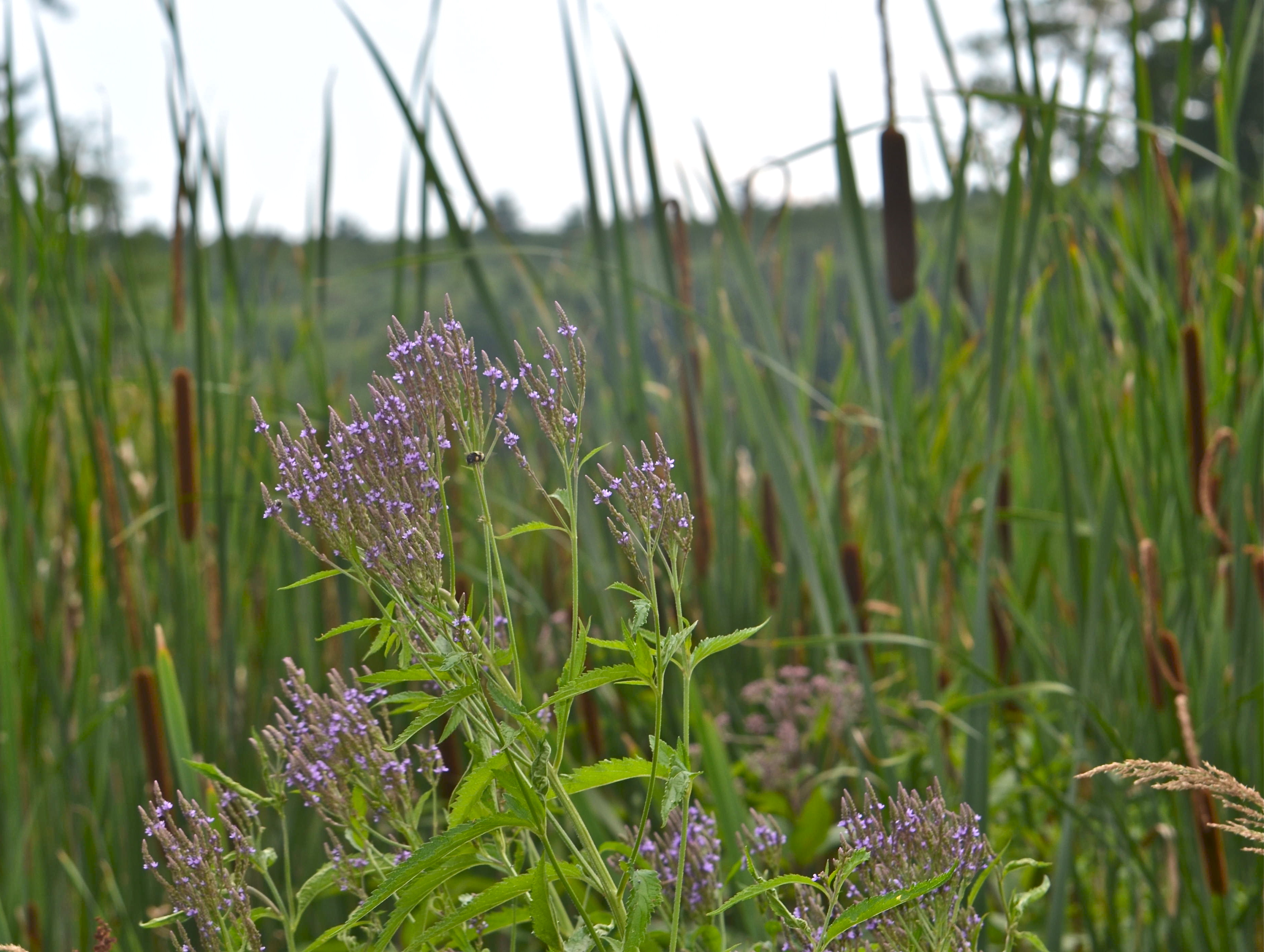
Blue Vervain

Up to 6 feet tall. Likes a good swamp. Part of a really great wetland restoration project on the Wellesley campus. Native. Vervain family.

Blue Vervain, Swamp Verbena (Verbena hastata)

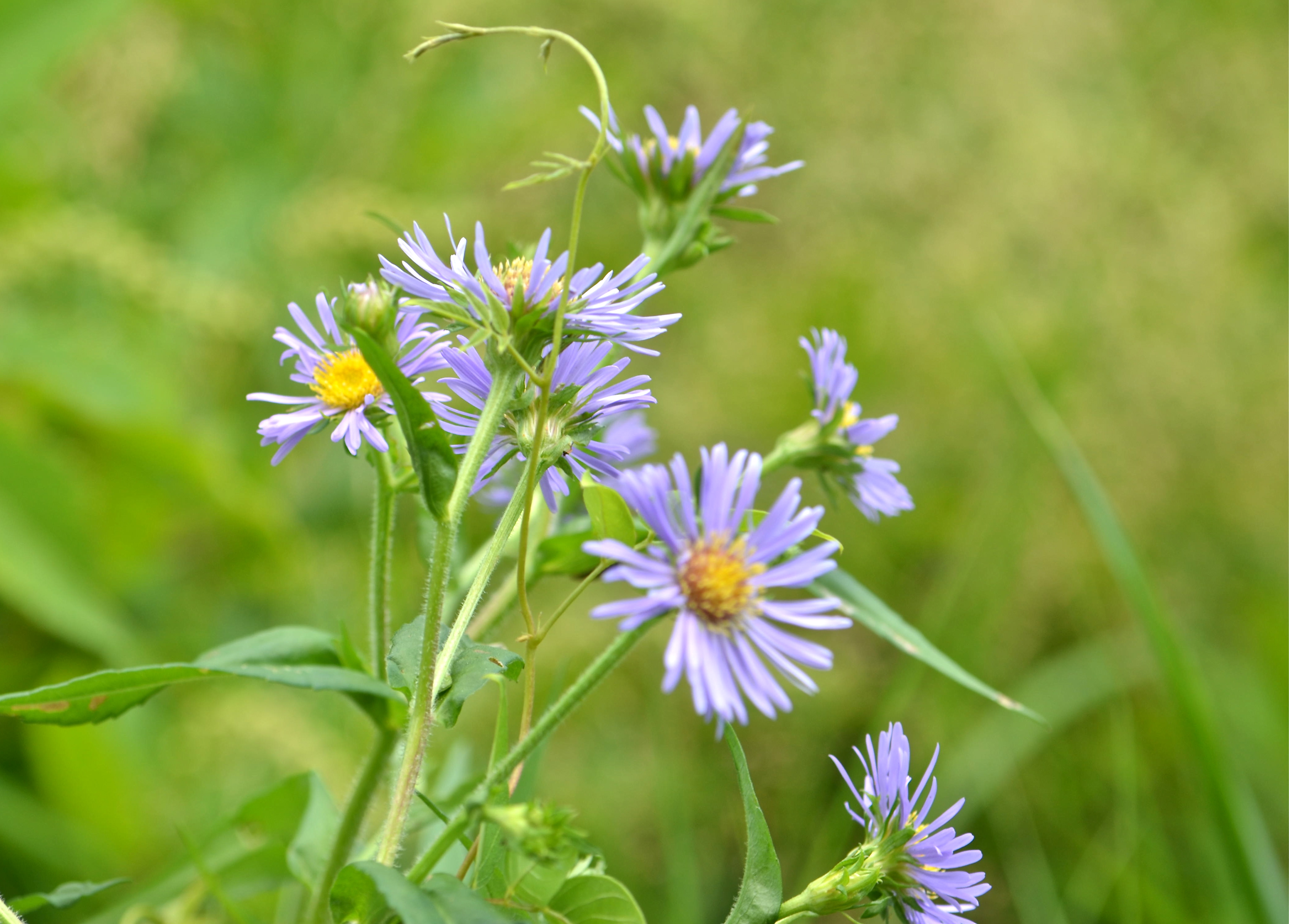
New England Aster

There are many kinds of asters. This one is distinguished by how tall it is, with the flowers at my eye level, clasping leaves, and largish flowers, 1 – 2 inches wide. Native. Aster family.

New England Aster (Symphyotrichum novae-angliae)

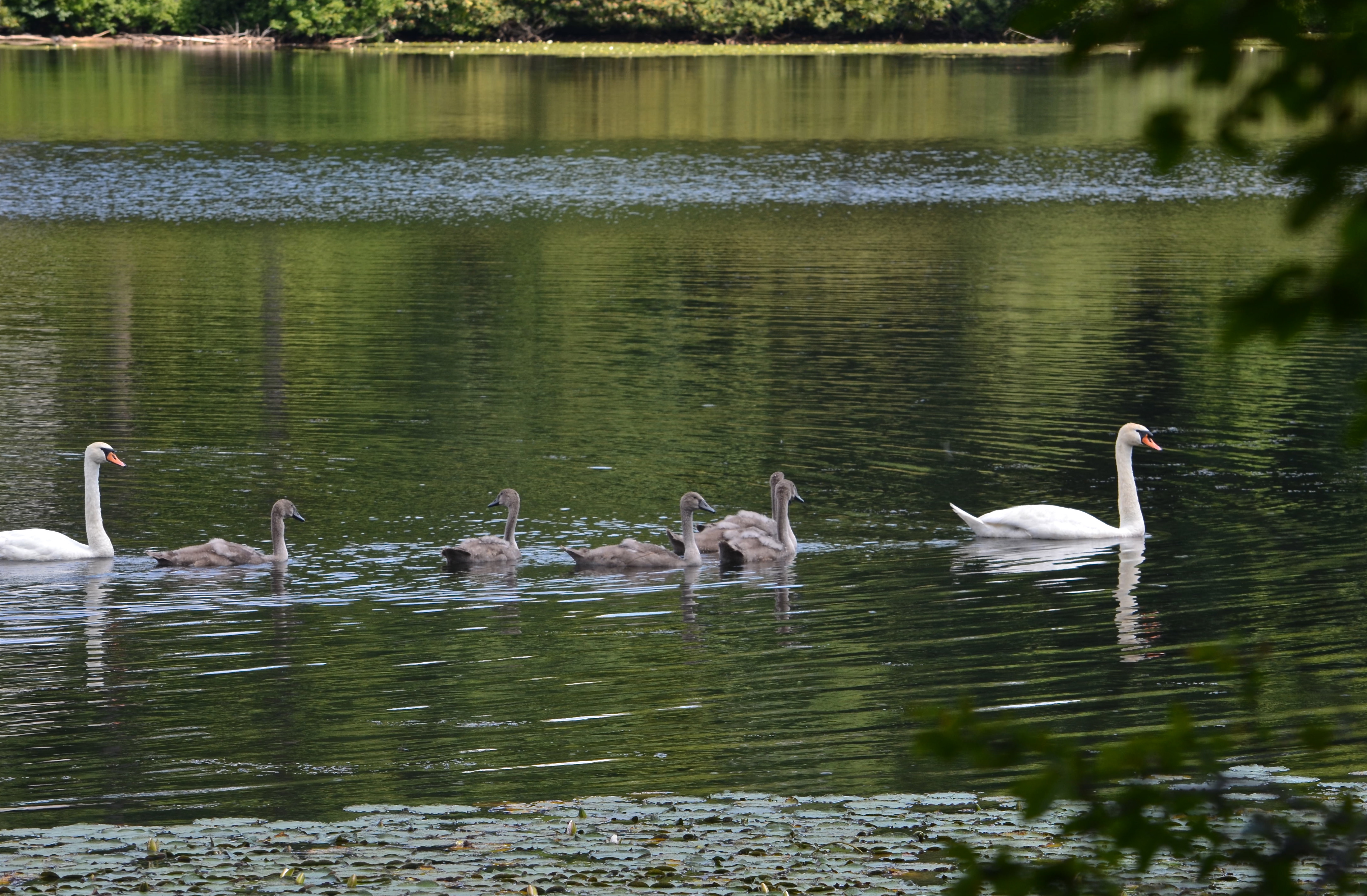
Bonus picture from the lake (this is the Wellesley College campus):