Burning Bush

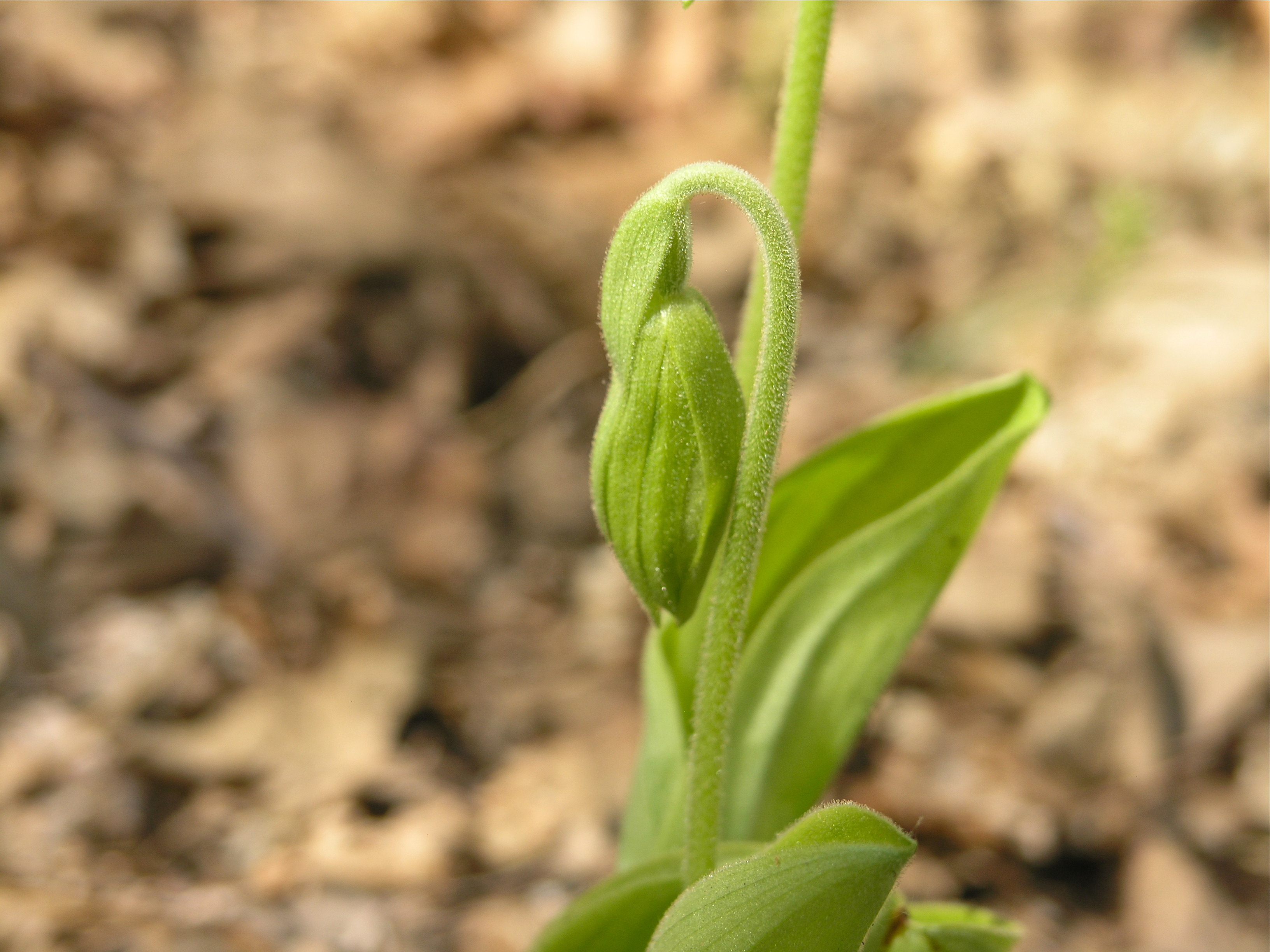
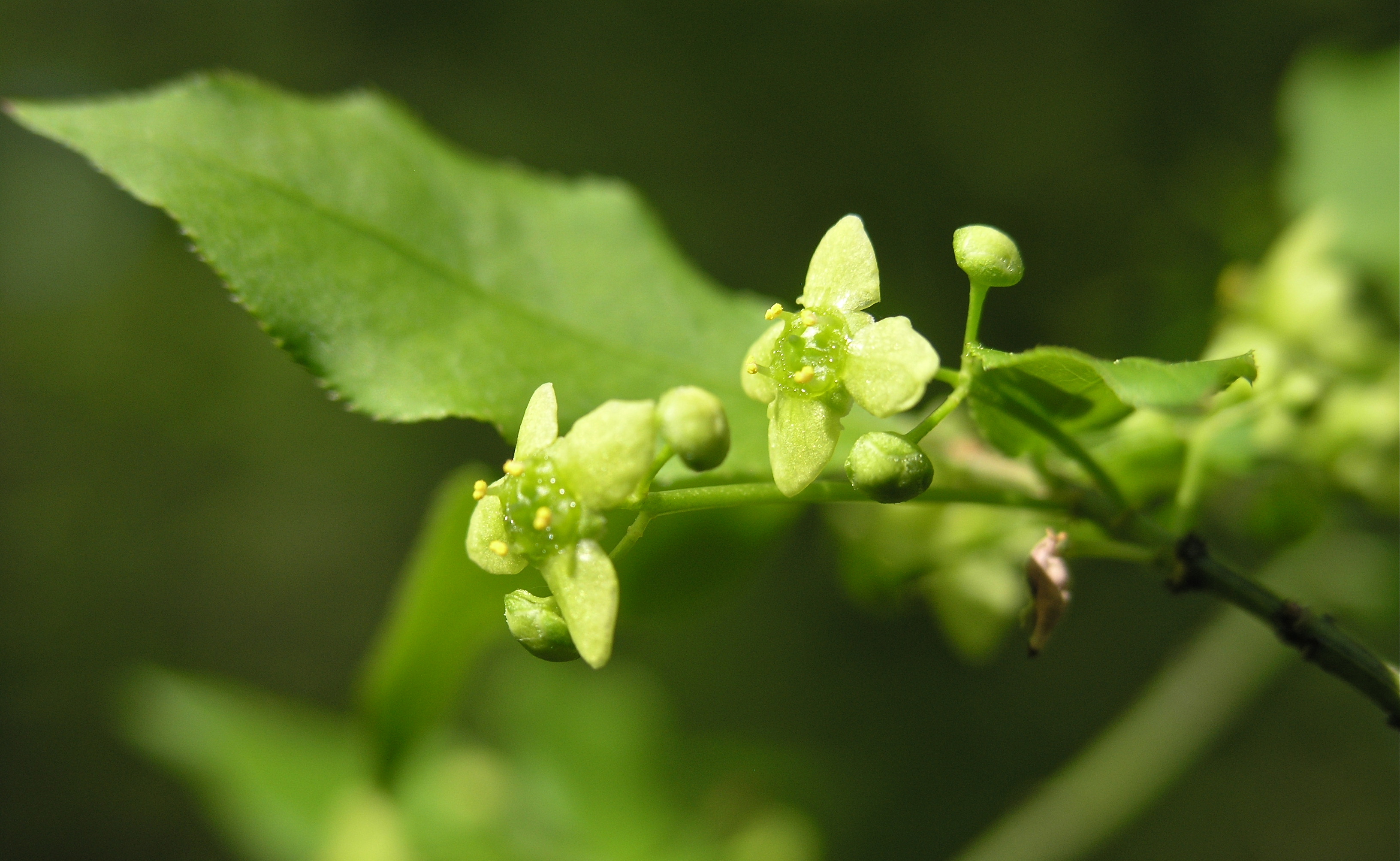
There are lots of these at Centennial. In autumn, the leaves turn a ghostly pale pink in the shade. It’s an invasive and “its importation and sale is prohibited in Massachusetts and New Hampshire.” That must be a recent development, since they’re everywhere. Native to eastern Asia.

Burning Bush (Euonymus alatus)

Wild Geranium


This was looking very dry out in the lower field at Centennial. Thanks to Alert Flower-Spotter Brian on this one. (Can we call him a flowerophile? I’m not sure.) Native.

Wild Geranium (Geranium maculatum)

Celandine


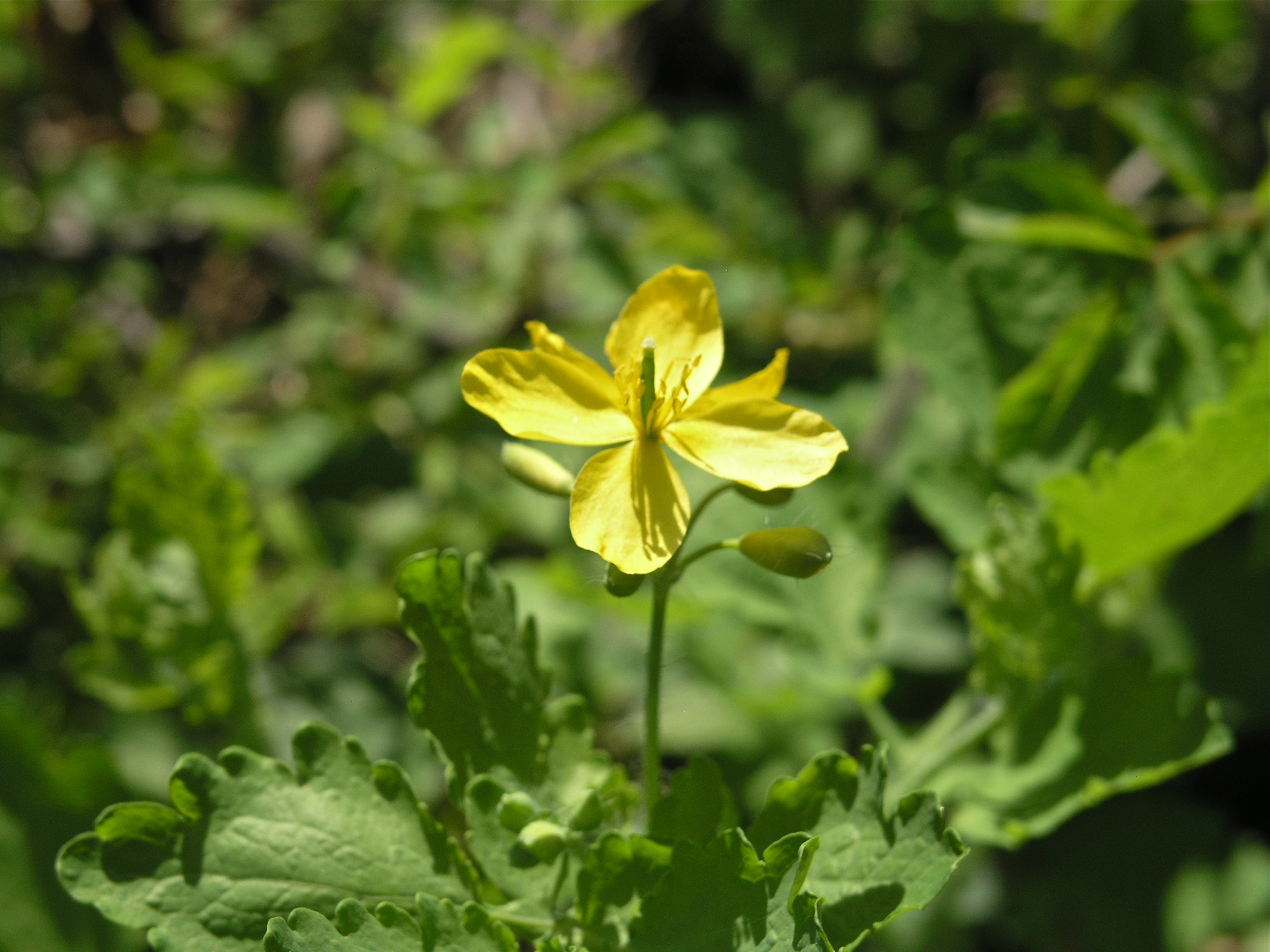
I’ve seen this growing several places including a big stand at the Arboretum. There’s a flower I recorded earlier called Wood Poppy or Celandine Poppy — this one is weedier looking. Family: Poppy. Origin: Europe.

Celandine (Chelidonium majus)

Bluets (Quaker Ladies)


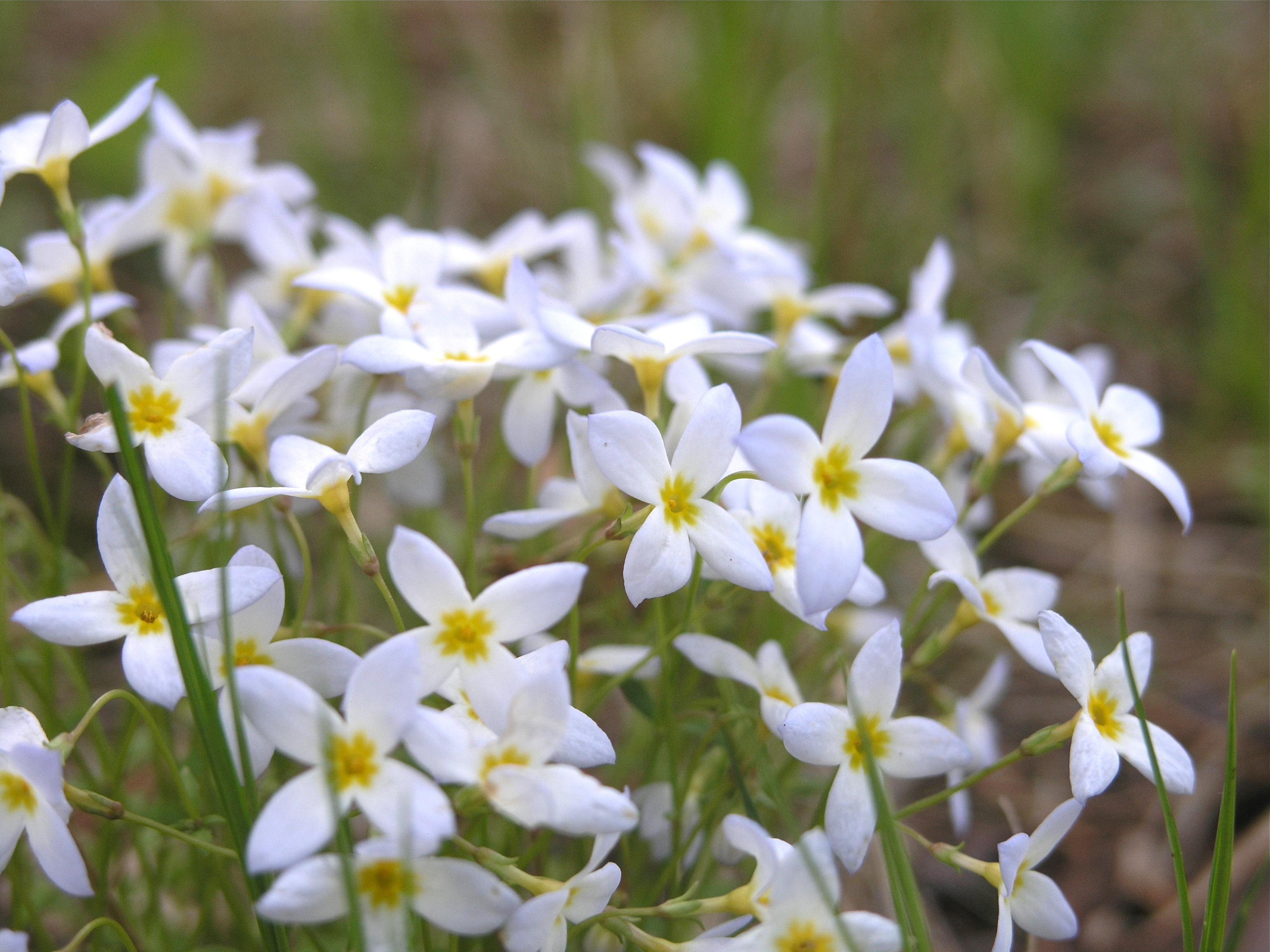
At Centennial, I saw only one single bloom of this, but down the street by Walker Pond, there is quite a colony. They’re beautiful — the color so subtle. Cannot find why they are called Quaker Ladies!

Bluets, Quaker Ladies (Houstonia caerulea)

Common Cinquefoil

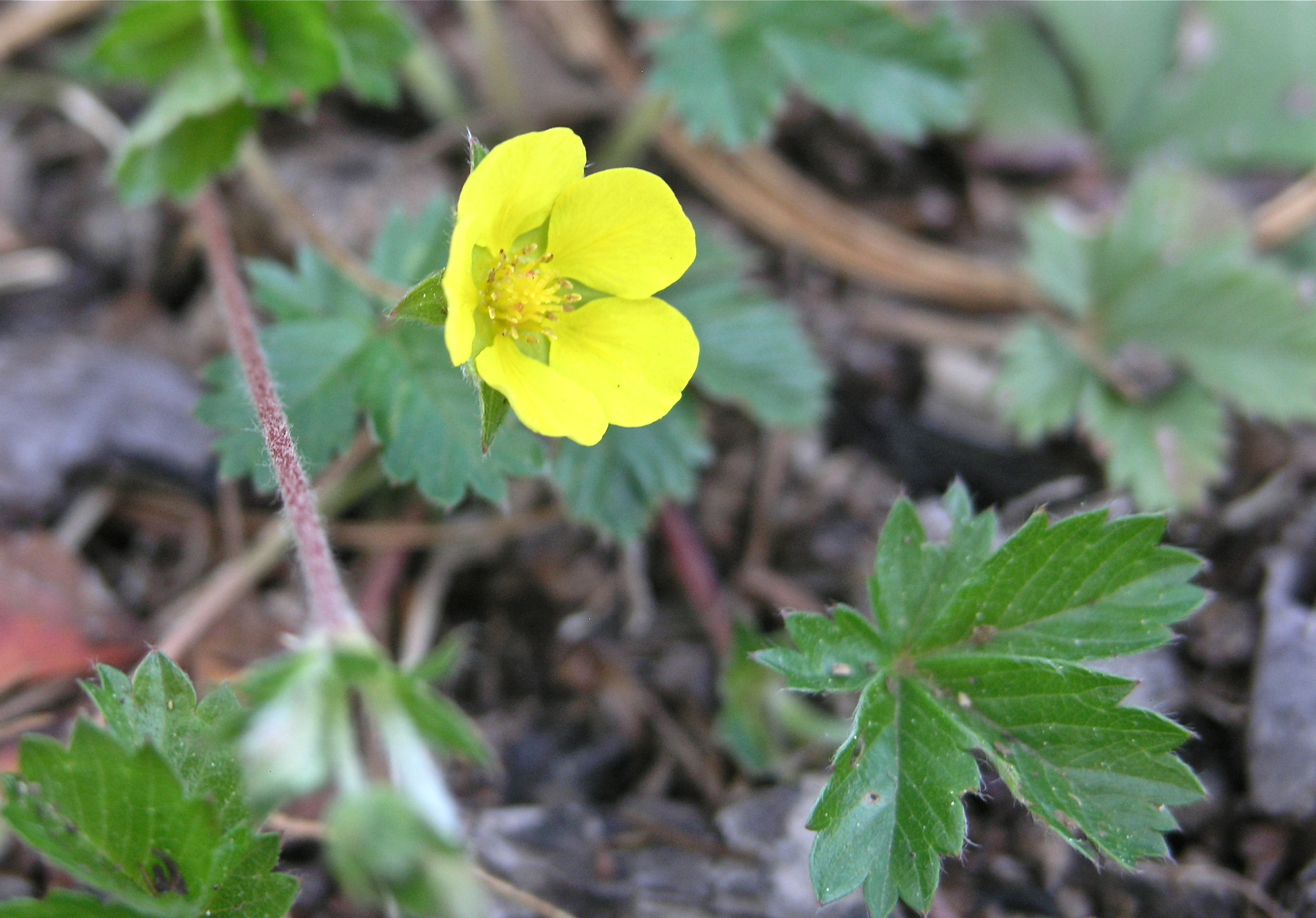
There are a lot of little yellow flowers out there! They’re all different! This is low-growing, kind of like a wild strawberry plant. It has 5 leaves — that’s what cinquefoil means– and 5 petals on the blossom. The Rose family.

Dwarf Cinquefoil (Potentilla simplex)

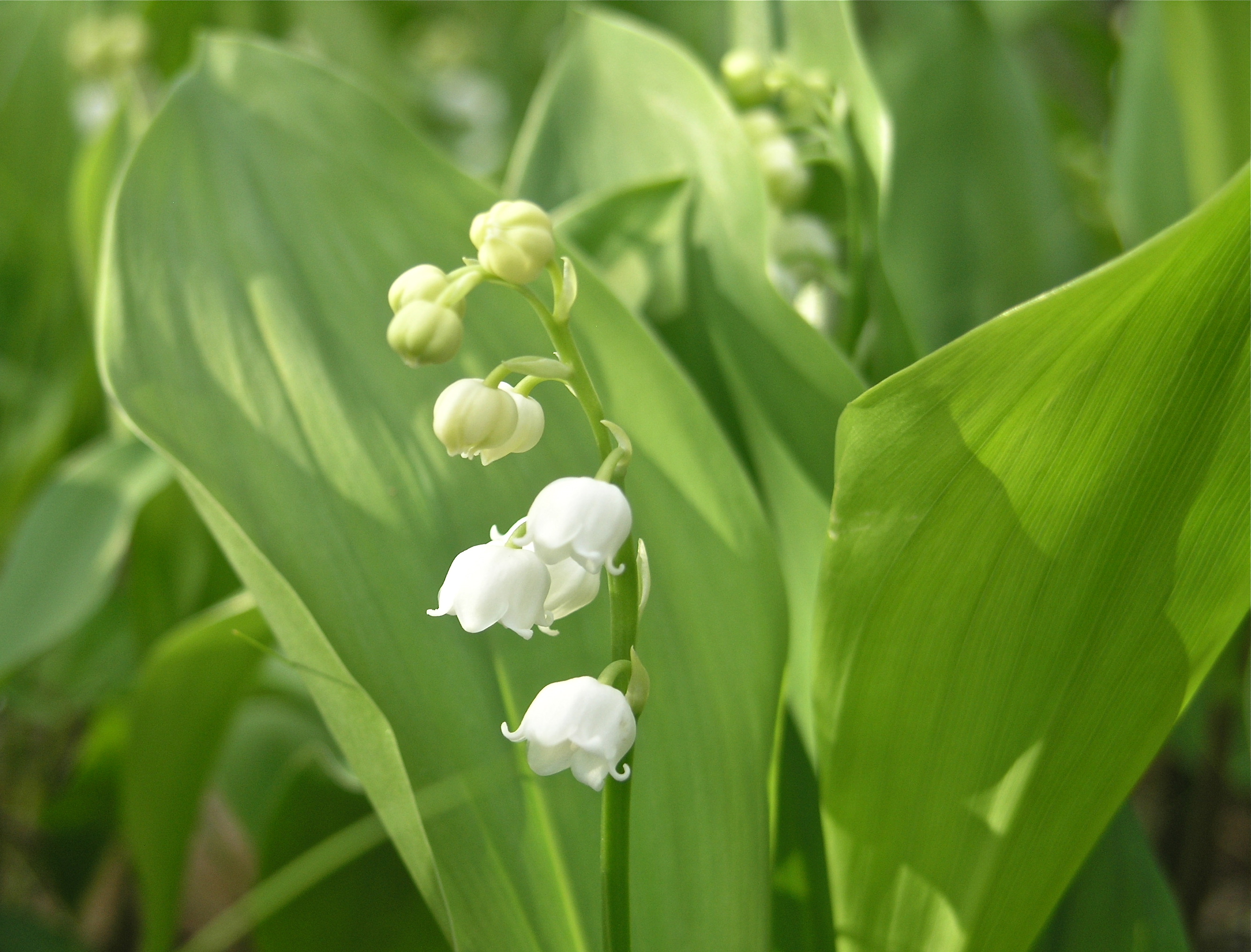
Lilies of the Valley

These seem like domestic wanderers, but evidently they count as wild. I finally found a group of them whose blooms were open. Look how the petals curl back. Fragrant! Lily family.

Lily of the Valley (Convallaria majalis)


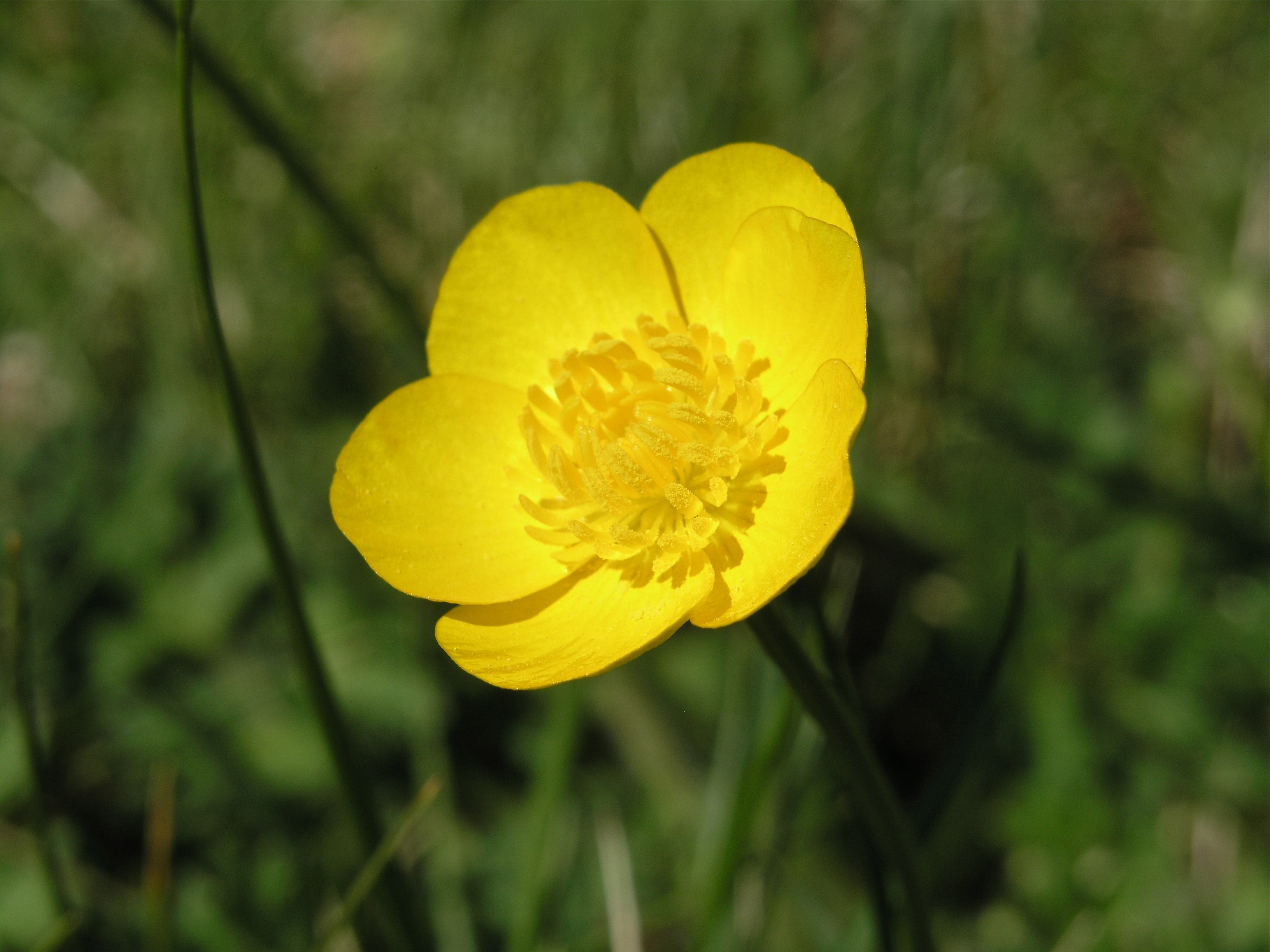
Common Buttercup


This is from the Ranunculacea family, which means “little frog.” (Meaning they like wetlands.) Introduced from Europe.

Common Buttercup (Ranunculus acris)

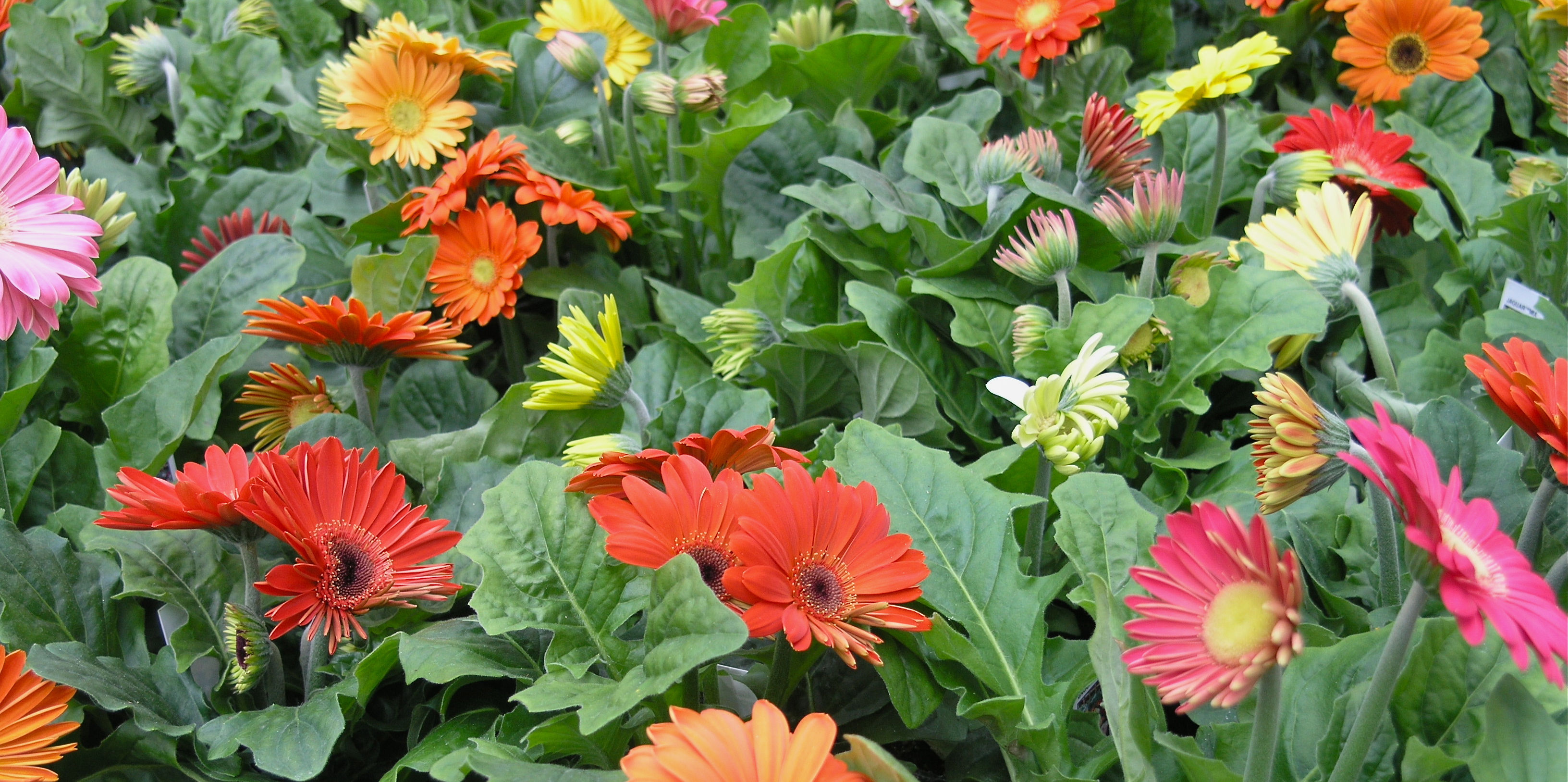
Bonus picture: I went to Volante Farms today, and after all this searching for tiny hidden flowers, the bounty of giant blossoms seemed almost fake…

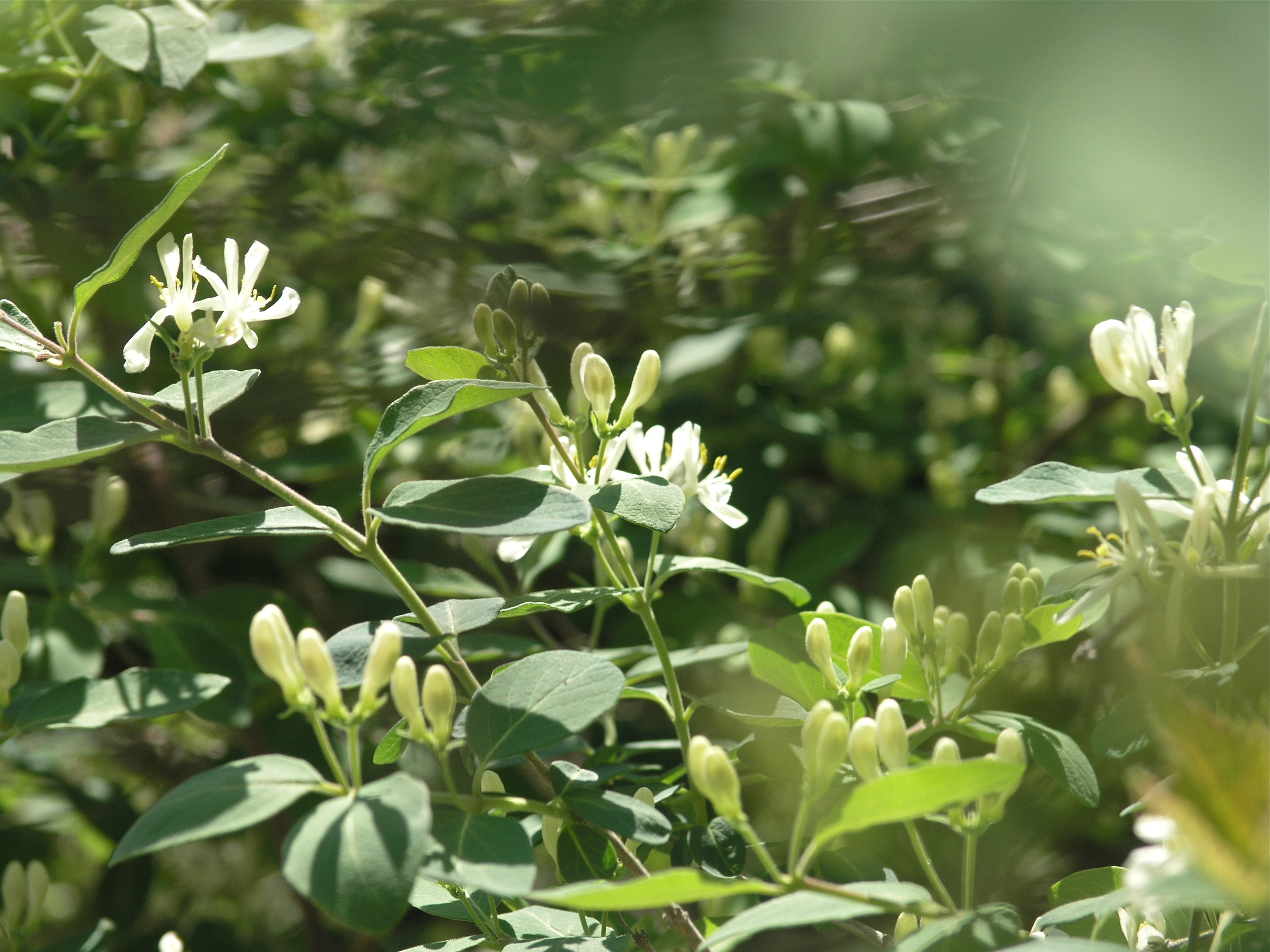
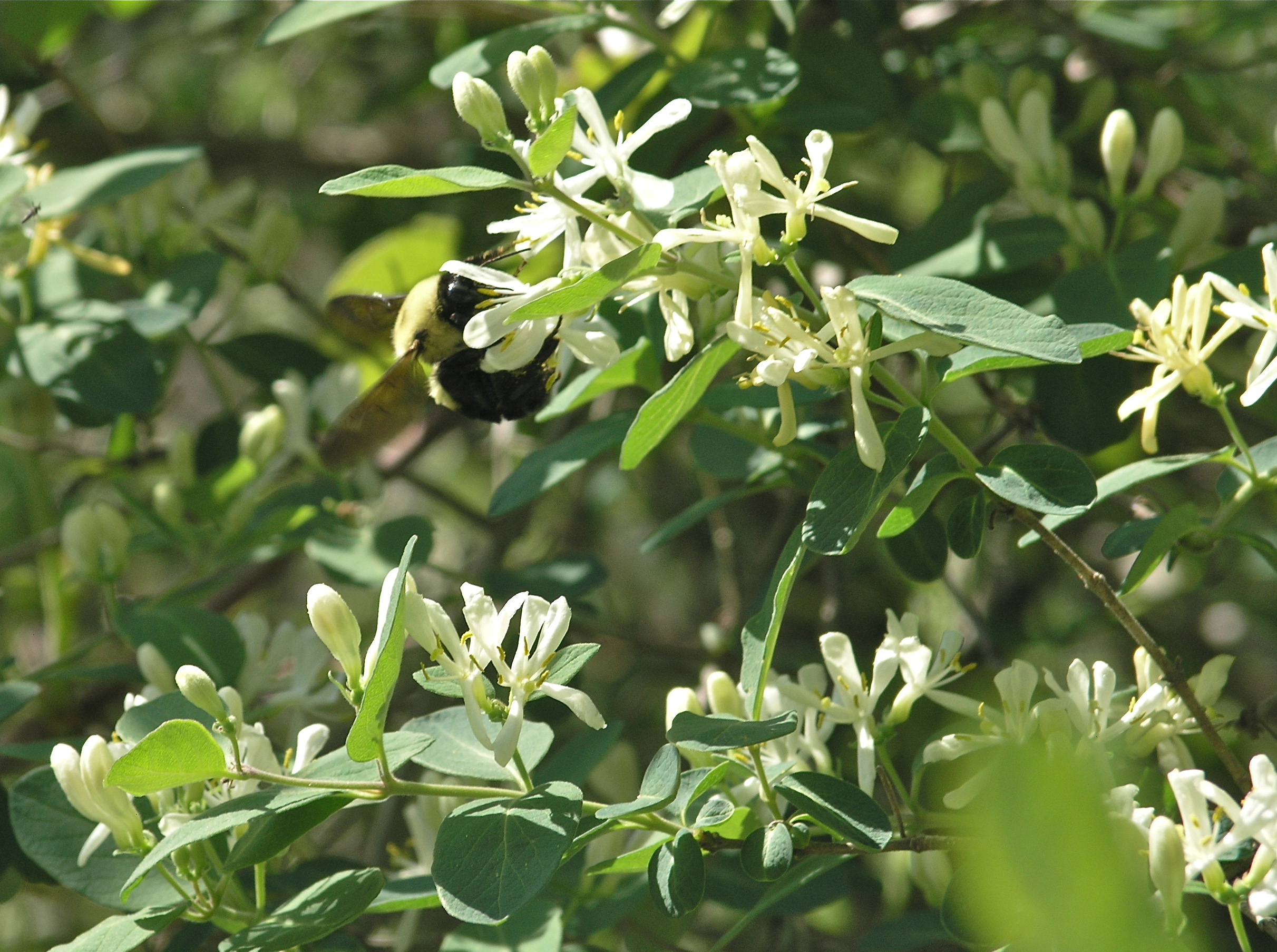
Morrow’s Honeysuckle


This huge bush was rumbling with bumblebees. Then I went to the Japanese Silverberry next to it, and it was buzzing loudly, full of honeybees. Morrow’s honeysuckle is an invasive. Origin: Japan.

Morrow’s Honeysuckle (Lonicera morrowii)