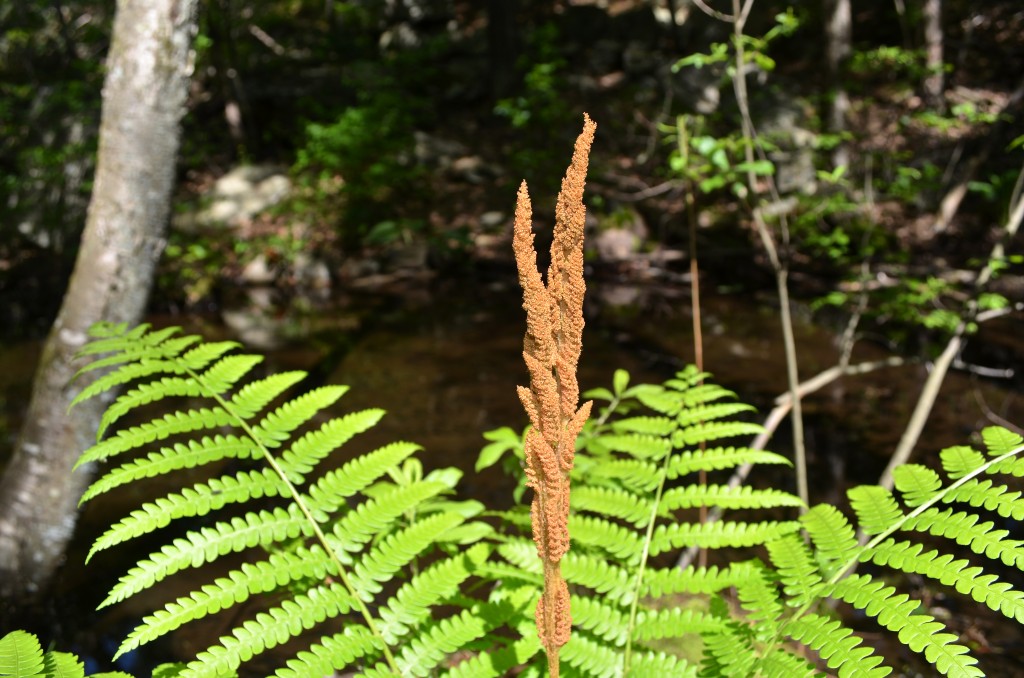
Cinnamon Fern

DSC_0009

Native. Likes bogs and other moist habitats. The leafy parts are sterile; the cinnamony part is a fertile, spore-bearing frond. This kind of fern is considered a living fossil because it occurs in the geologic record 75 million years ago, among the oldest of ferns.

Cinnmon Fern (Osmundastrum cinnamomeum)

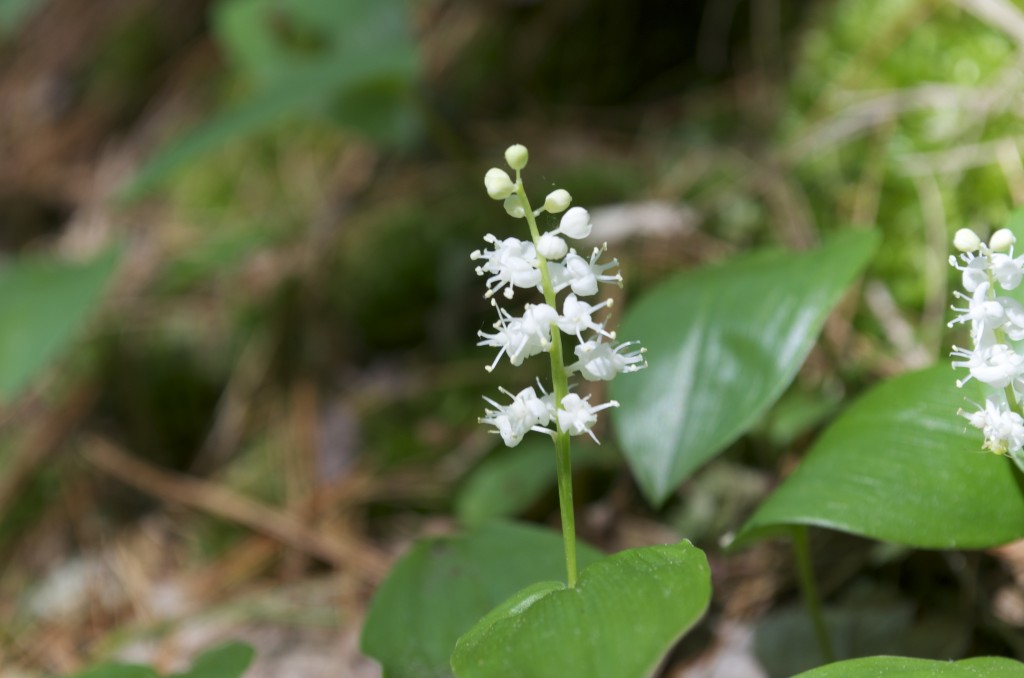
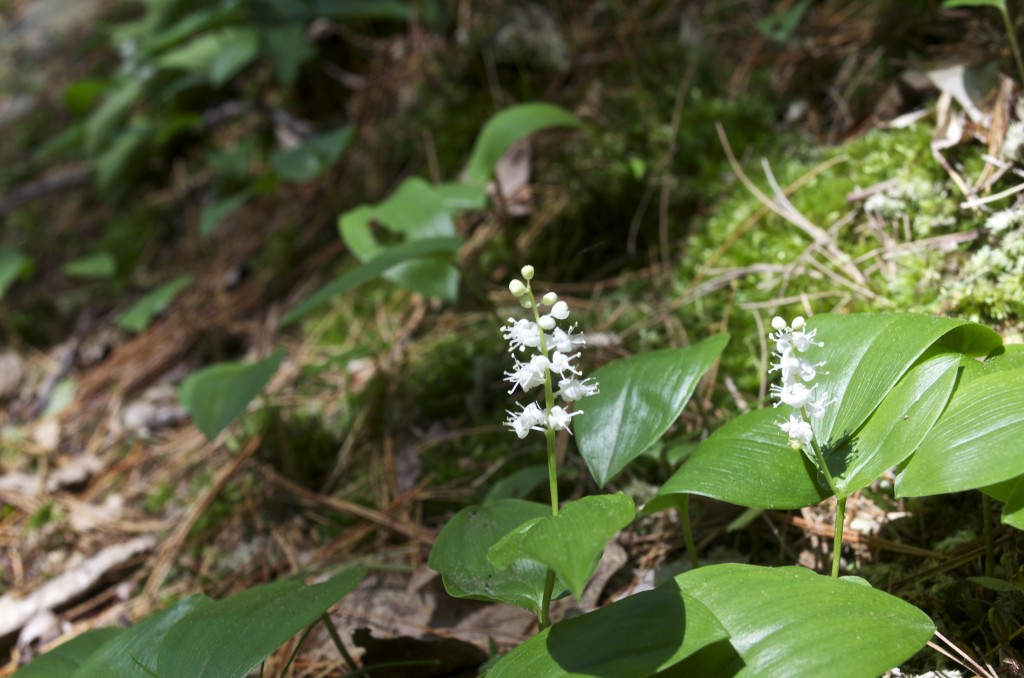
Canada Mayflowers

DSC_0004 DSC_0003These are the plants whose leaves carpet the woods, just little leaves standing vertically out of the ground. The flowers are fragrant. During the summer the flowers are replaced by small speckled red berries. Lily family. Native perennial.

Canada Mayflower, Two-leaved Solomonseal (Maianthemum canadense)

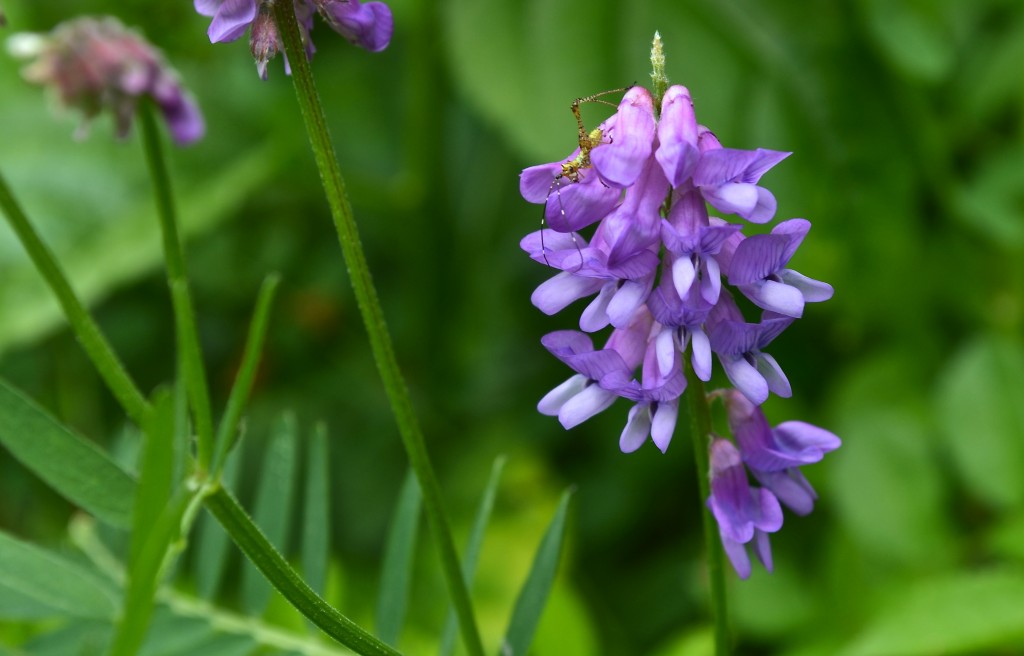
Cow vetch

Vetch

Okay, locally we have at least three kinds of vetch to keep straight. This is cow vetch, and the other two are common vetch (which is magenta and looks like a sweet pea) and crown vetch (pale pink and shaped like a crown). This is similar to a pea in habit, with tendrils that fasten on to (and can strangle) other plants. Widely used as forage for cattle. Pea family. Origin: Eurasia.

Cow Vetch, Tufted Vetch, Bird Vetch, Boreal Vetch (Vicia cracca)

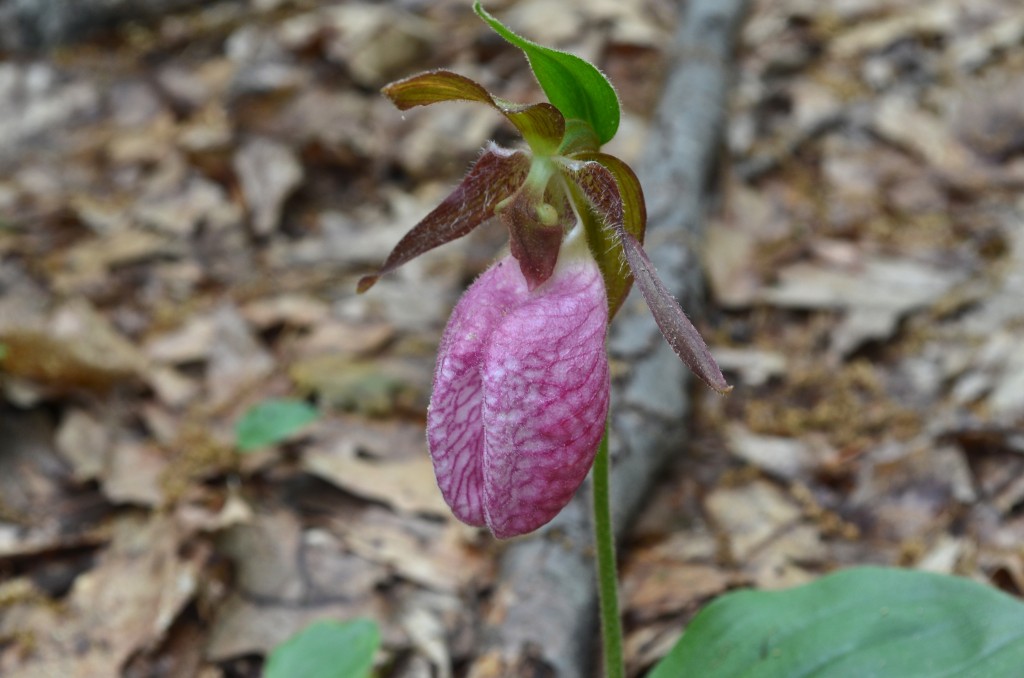
Pink Lady-slipper

Pink LadyslipperDid you ever notice lady-slipper always has just two leaves and one flower? Also that the blossom is mostly closed, but has a small opening in front to admit pollinating insects, who have to find a different exit to bust out (brushing past the pollen-covered stamen). Lady-slippers can live to be twenty or older! Photo taken May 22, 2013.

Pink Lady-slipper, Moccasin flower (Cypripedium acaule Ait.)

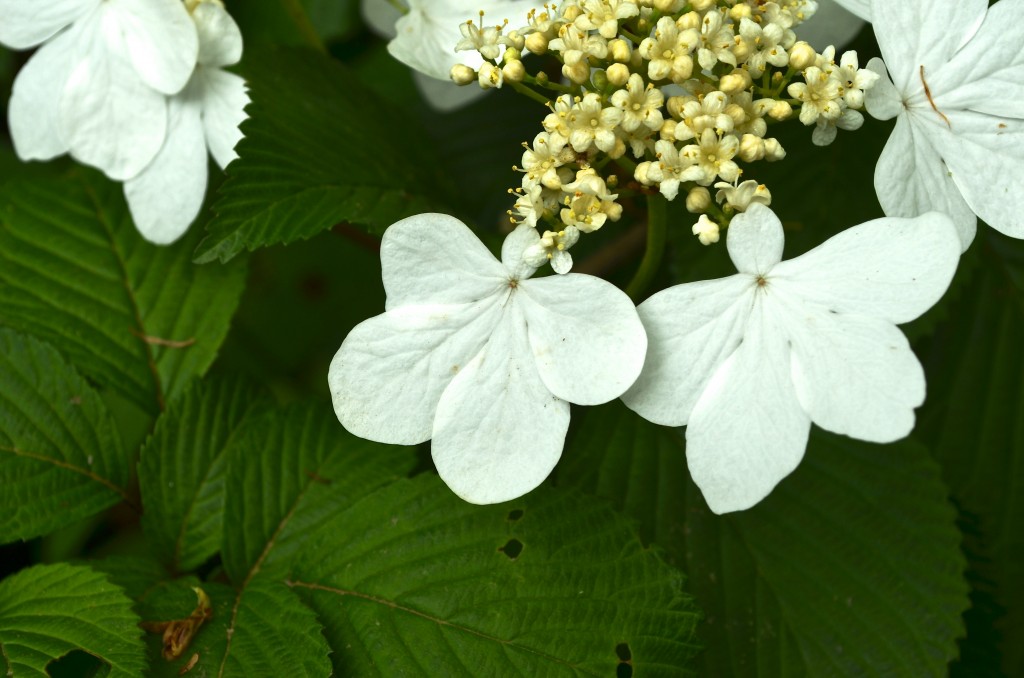
Hobblebush

DSC_0005

This looks like some kind of wild hydrangea, but based on the way it has these large flowers opening around the edge, I think it’s Hobblebush. The showy outer flowers are sterile, the tiny inner flowers are fertile. Later will have fruit changing from red to purple. Has low hanging branches that put down roots where they touch the ground, forming webs of roots that hobble walkers—supposedly that’s the origin of the name. Honeysuckle family. Native.

Hobblebush, Witch-hobble, Moosewood (Viburnum alnifolium)

I went to France

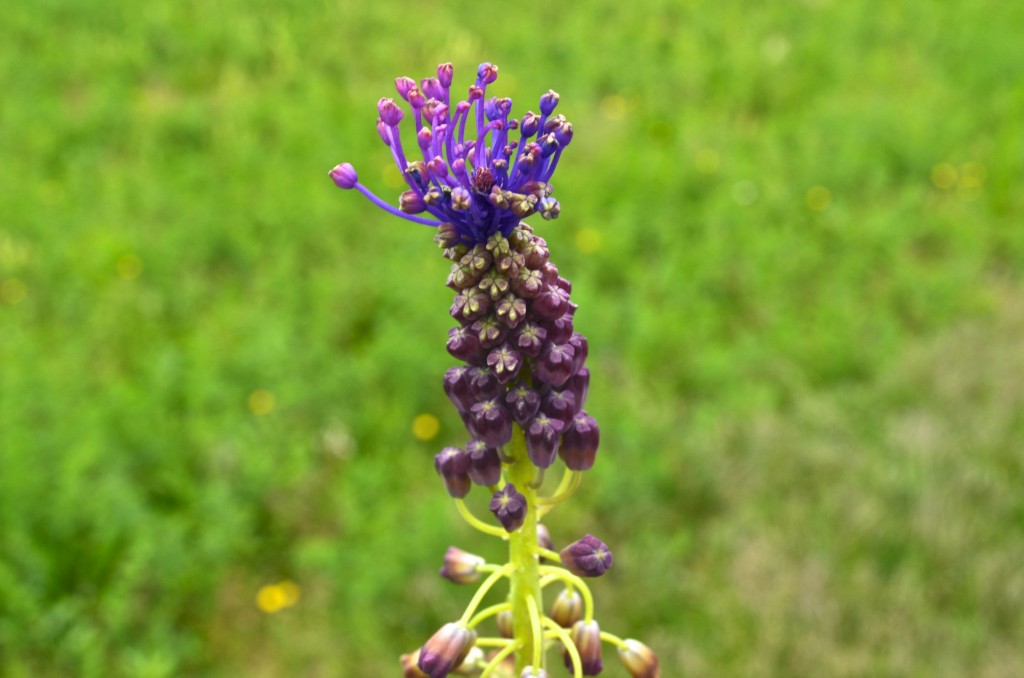
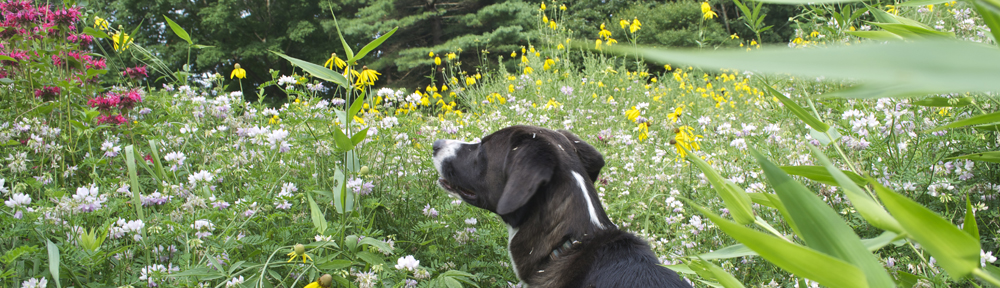
DSC_0332I didn’t make a study of their wildflowers, but I had to notice this one!  I can’t figure out what it is, maybe a kind of lavender?
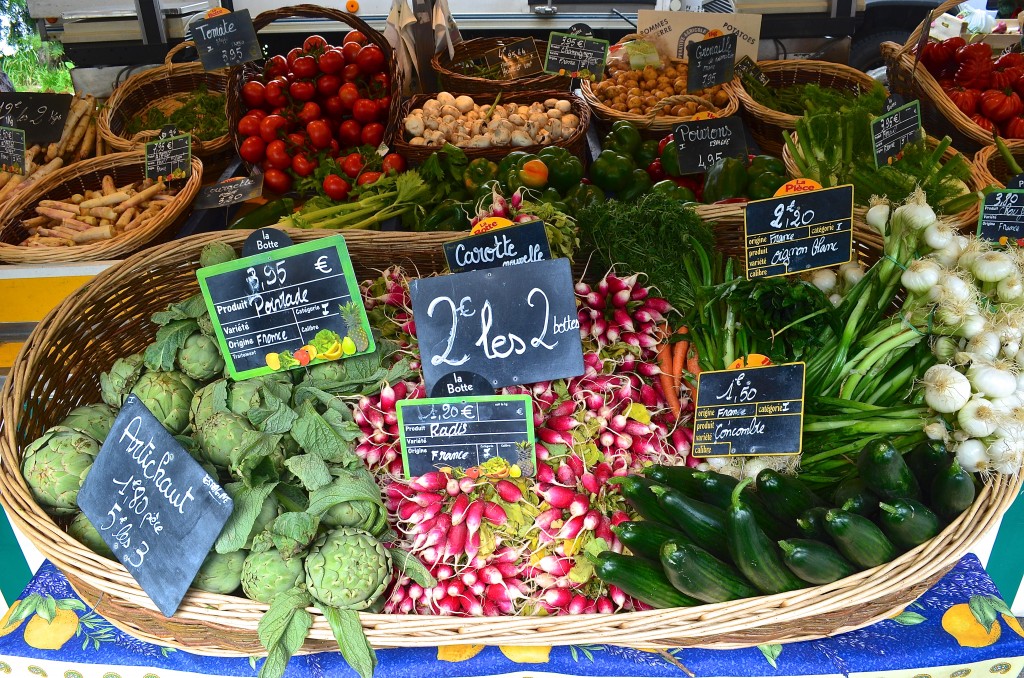
French produce market

And on another botanical note, I can tell you that in the small town open-air markets and on the sidewalks of Paris, they have splendid produce stands. They look beautiful and everything seems to be perfectly ripe and ready to eat.
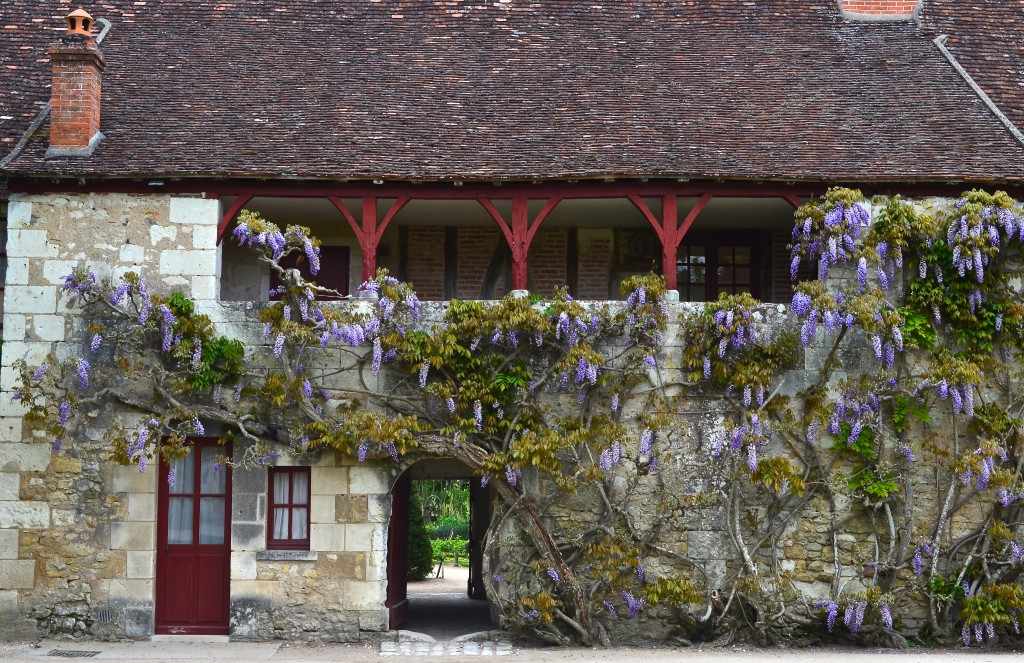
DSC_0274

And I can tell you they love wisteria. And lilacs.

Also, we visited the chateau where Leonardo da Vinci spent the last three years of his life, and here is one of his drawings… we can recognize that he was out in the yard drawing the violets… peonies or roses? fuschia?
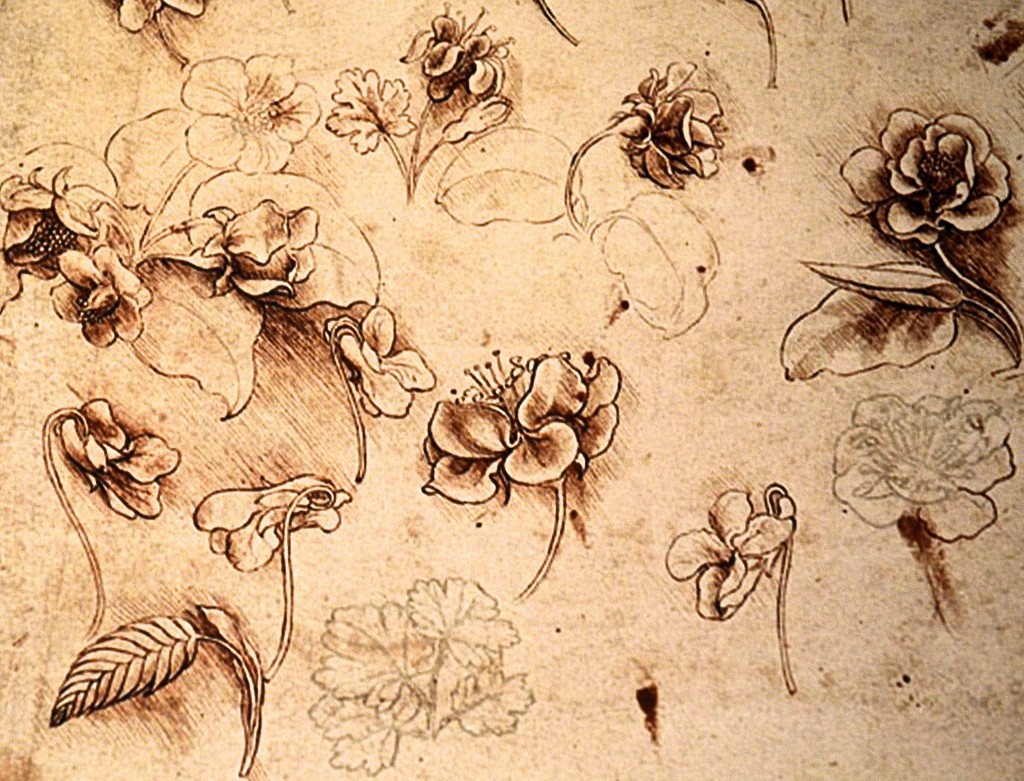
Da Vinci flowers

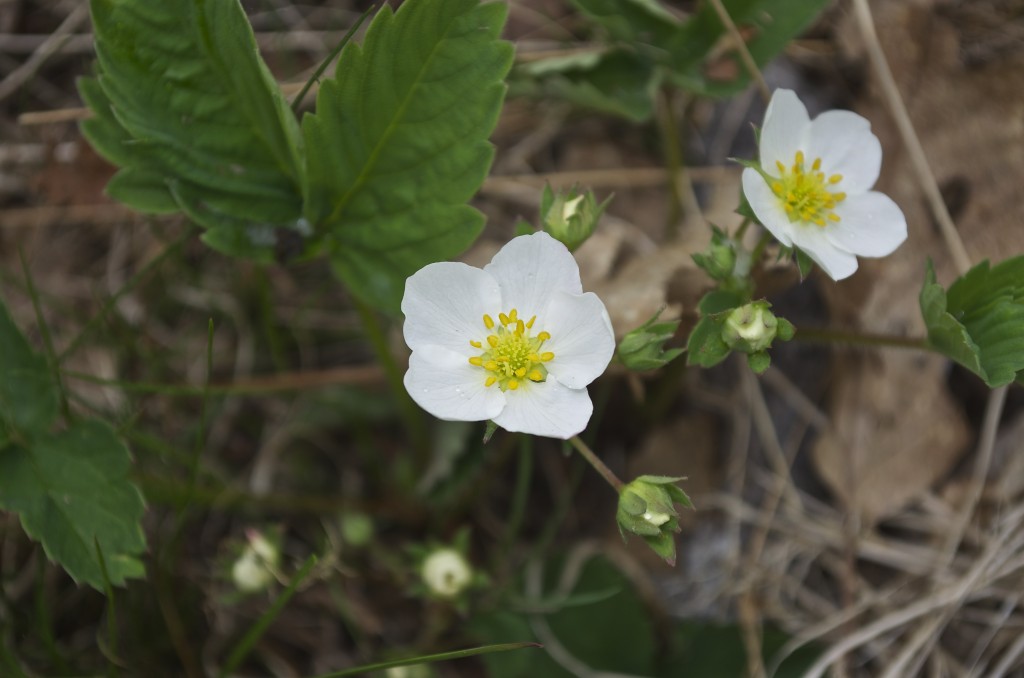
Common Strawberry

DSC_0027

Our current sort of strawberries were first bred in Brittany, France, in the 1750s, a cross of Fragaria virginiana (the wild kind pictured here) from eastern North America and Fragaria chiloensis, which was brought from Chile by Amédée-François Frézier in 1714.

Wild Strawberry (Fragaria virginiana)

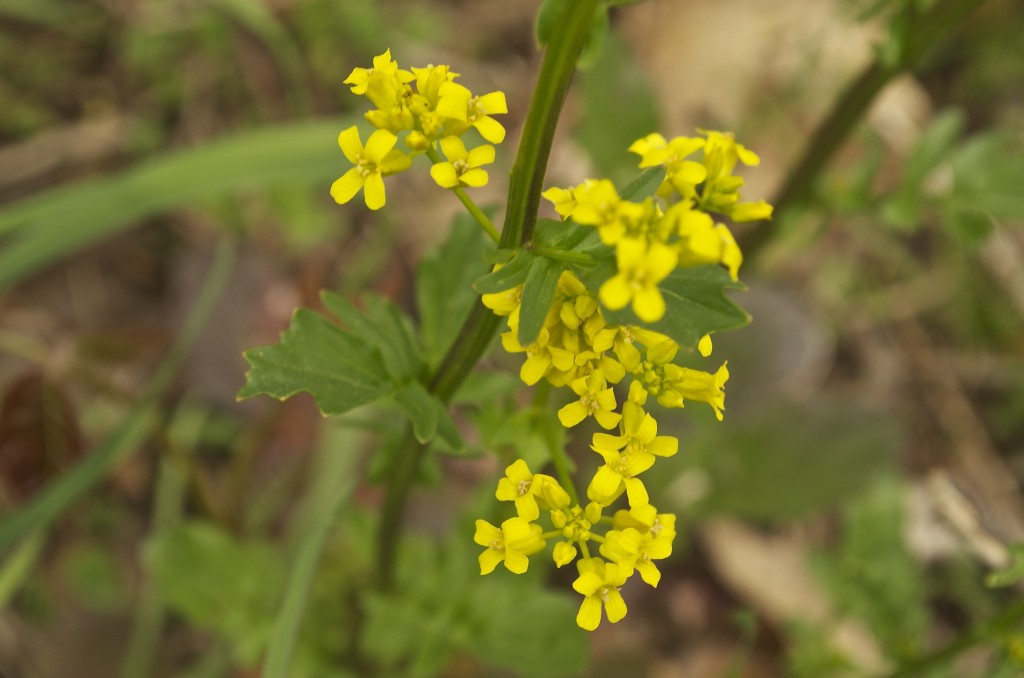
Yellow Rocket

DSC_0021

Member of the Mustard family. Blooms all summer. “Historically” used to make a medicinal tea. Several moth and butterfly varieties lay eggs on them. Native to Eurasia.

Common Winter Cress, Yellow Rocket, Bittercress, Wound Rocket (Barbarea vulgaris)

Celandine Poppy, Wood Poppy

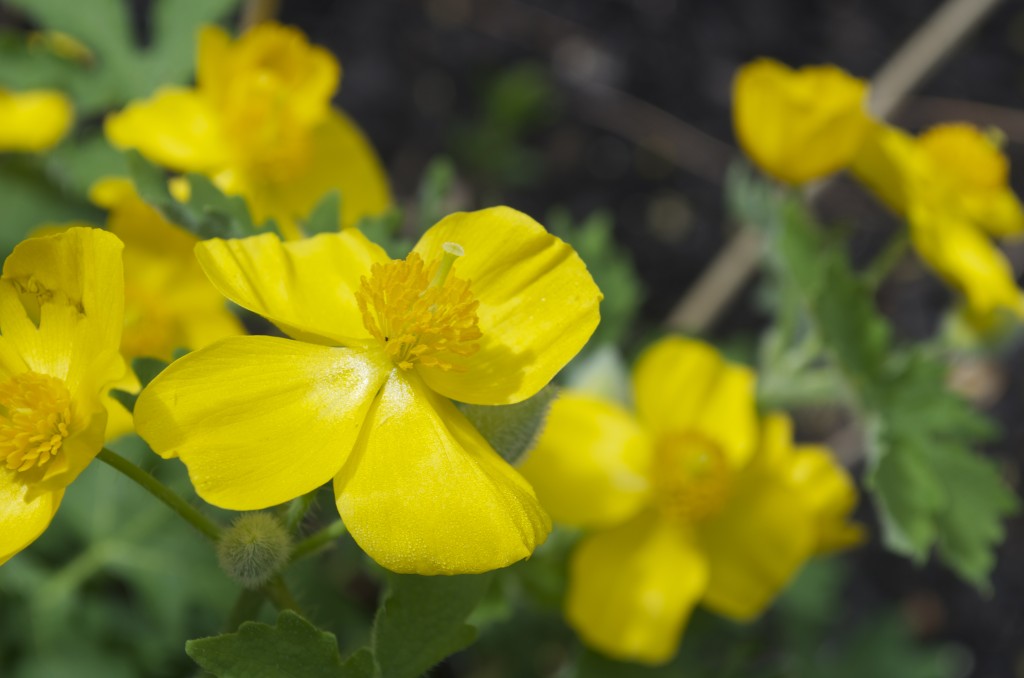
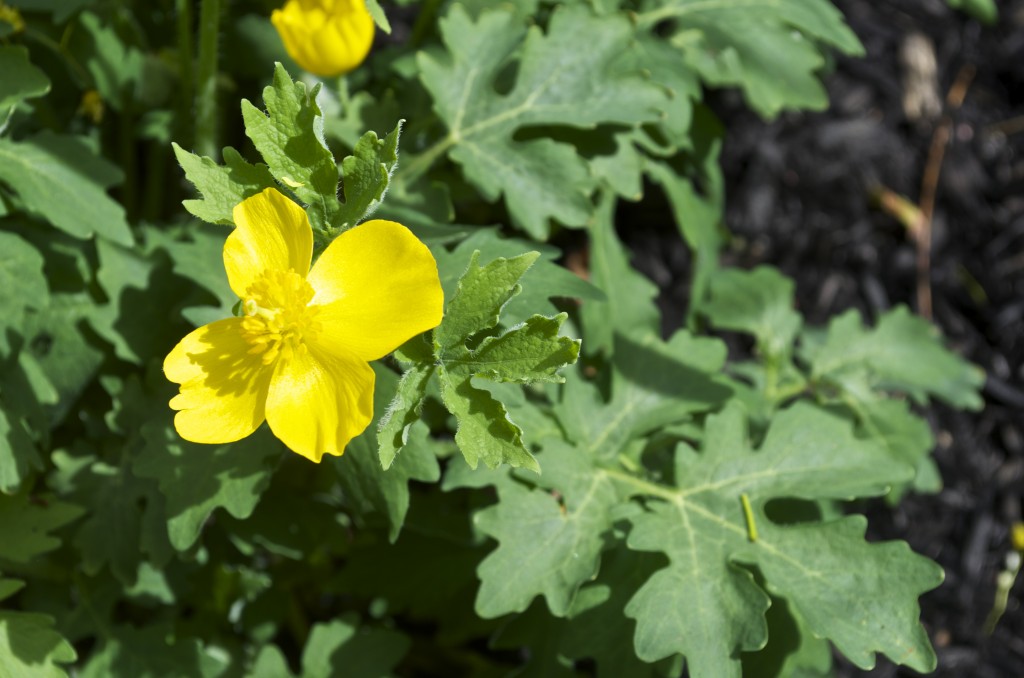
Celandine poppies Celandine foliageThey are wild and native to eastern and midwest North America. Poppies produce latex, and in Celandine Poppies, it’s a bright yellow sap that was used as a dye by Native Americans.

Wood Poppy, Celandine Poppy (Stylophorum diphyllum)

Bird’s-eye Speedwell

DSC_0008

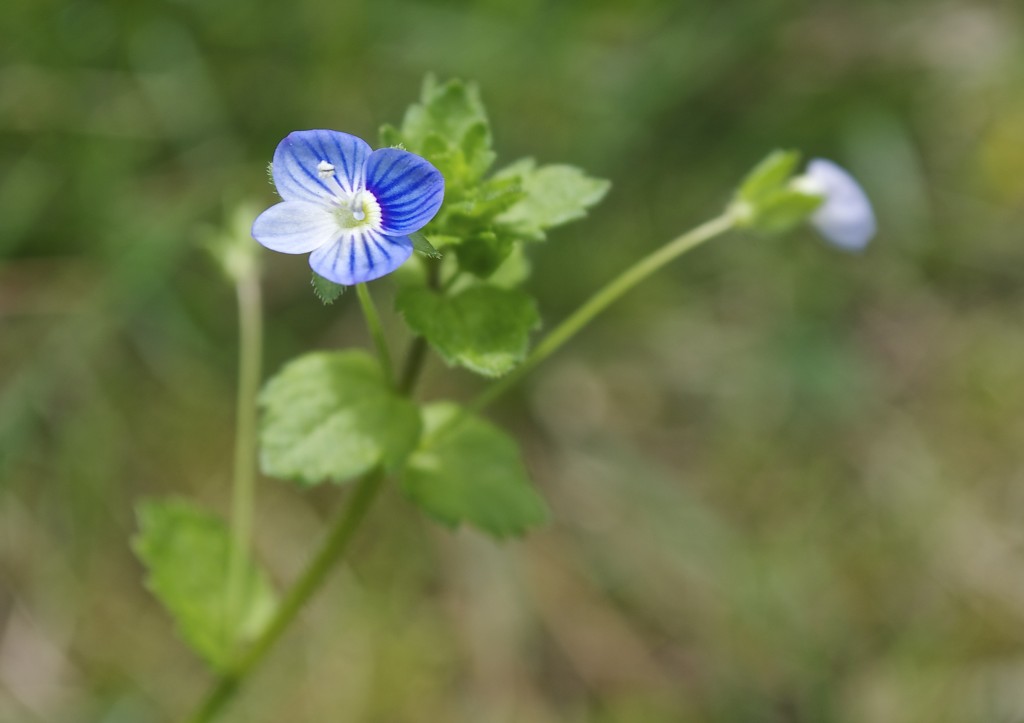
There are several similar-looking kinds of Speedwell. This kind has flowers on long stalks instead of stalkless in the axils. In Italian it’s known as “gli occhi della Madonna,” which means “the eyes of the Virgin Mary.” Native to Europe. Photo: May 8, 2013.

Bird’s-eye Speedwell, Persian Speedwell (Veronica persica)