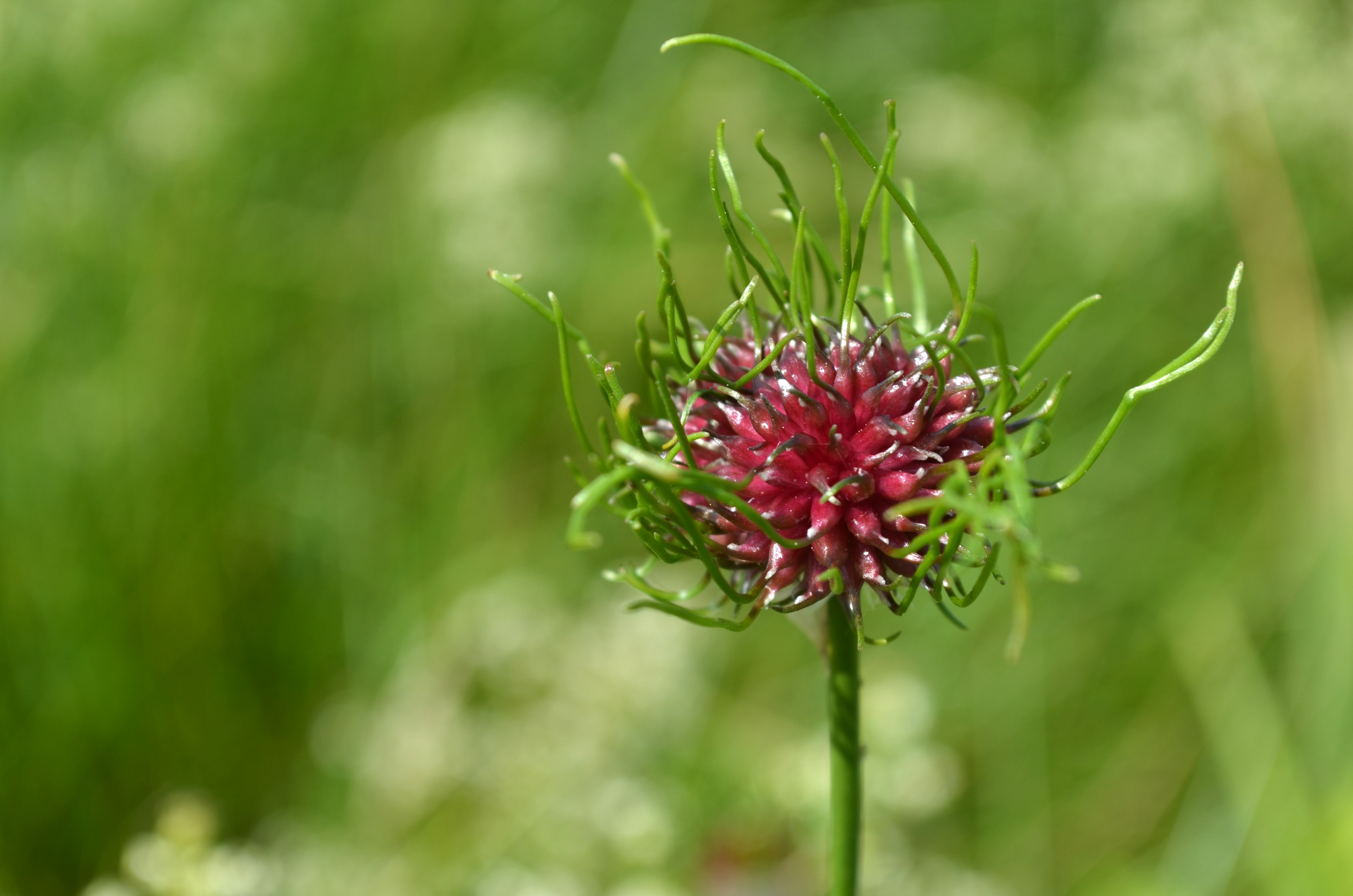
What a find, this Dr. Seussical plant! They’re about an inch across, 1 or 2 feet tall, and with no discernible leaves, just a tall stalk. Lily family.
Wild Garlic (Allium vineale L.)
What a find, this Dr. Seussical plant! They’re about an inch across, 1 or 2 feet tall, and with no discernible leaves, just a tall stalk. Lily family.
Wild Garlic (Allium vineale L.)
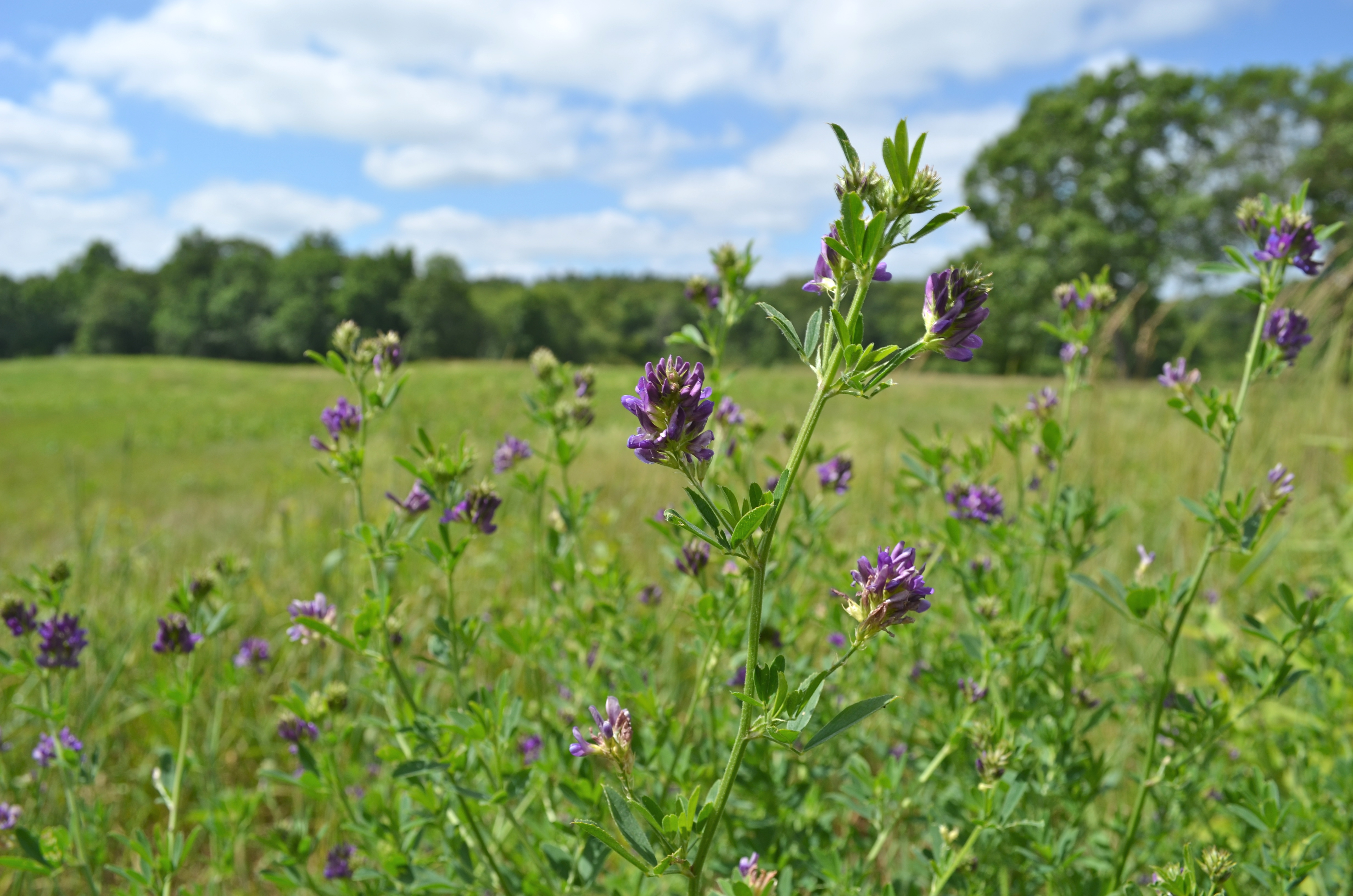 An important forage crop. The English name comes from the Spanish name alfalfez, which comes from the Arabic al-fisfisa, meaning fresh fodder. Has been cultivated since at least the 4th century AD. Was introduced to the Americas by the Spanish as fodder for their horses. It’s where alfalfa sprouts come from! Pea family.
Interesting note from Wikipedia: “Alfalfa pollination is somewhat problematic because Western honey bees, the most commonly used pollinator, are not suitable for this purpose; the pollen-carrying keel of the alfalfa flower trips and strikes pollinating bees on the head, which helps transfer the pollen to the foraging bee. Western honey bees, however, do not like being struck in the head repeatedly and learn to defeat this action by drawing nectar from the side of the flower. The bees thus collect the nectar, but carry no pollen and so do not pollinate the next flower they visit. Because older, experienced bees do not pollinate alfalfa well, most pollination is accomplished by young bees that have not yet learned the trick of robbing the flower without tripping the head-knocking keel. When western honey bees are used to pollinate alfalfa, the beekeeper stocks the field at a very high rate to maximize the number of young bees.”
Alfalfa, Lucerne ( Medicago sativa)
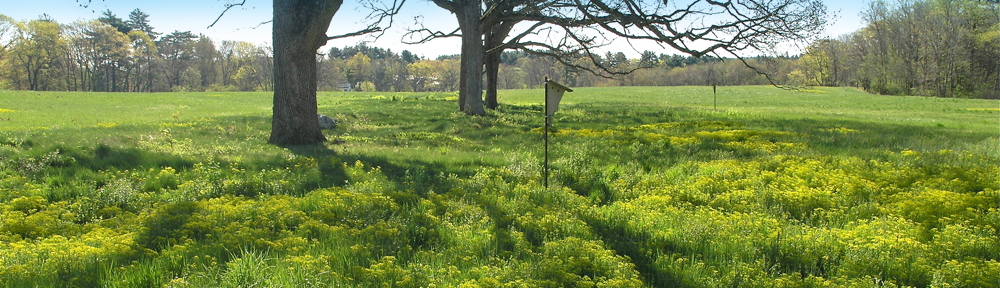
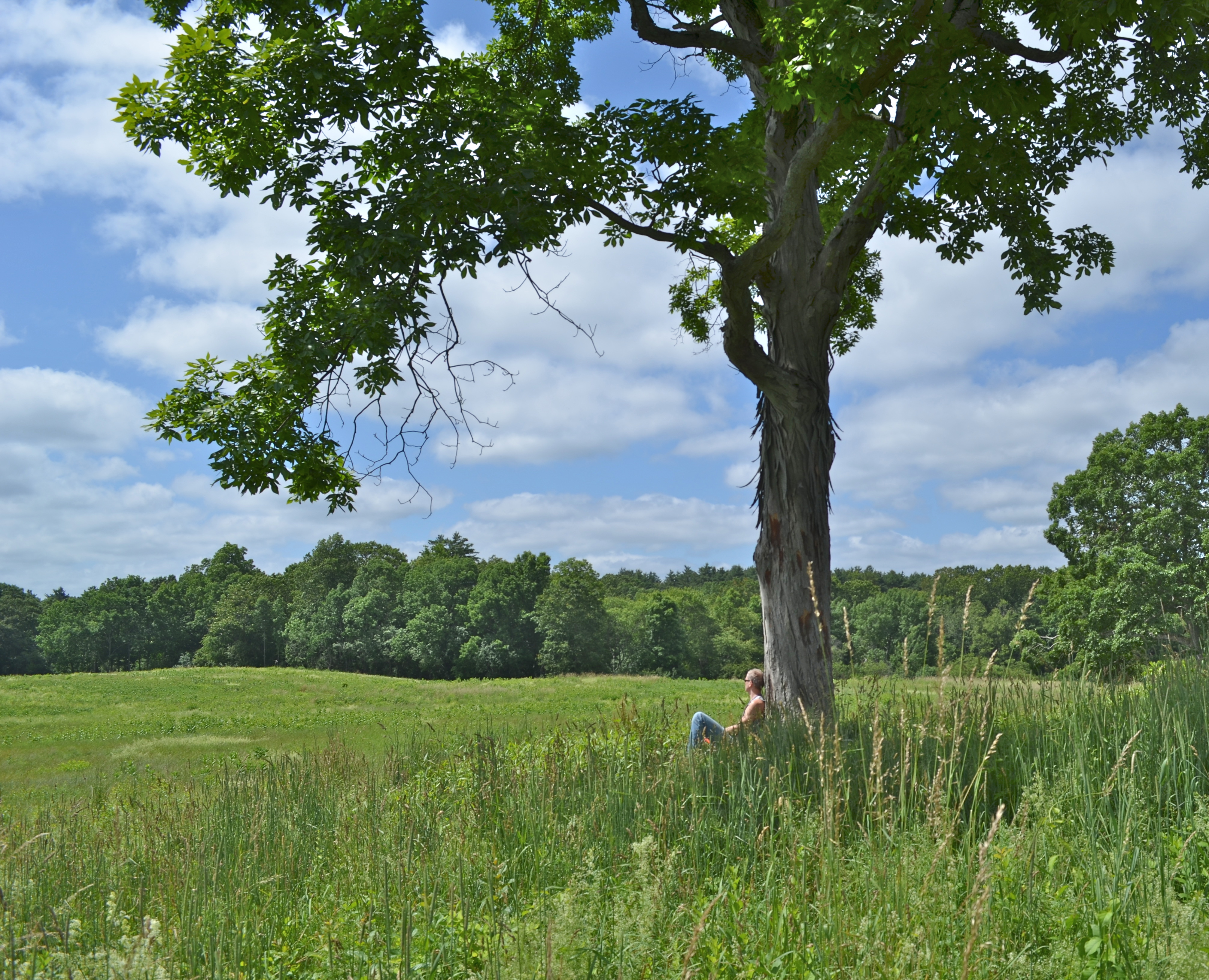
Bonus picture: This is the scene where I photographed the alsike clover, the milkweed, the curly dock, the alfalfa, the pale swallowwort… This area used to be a dairy farm, and I understand that it was a common thing to plant a useful tree (in this case, a Shagbark Hickory) at the high point of your field, so that you would have a shady place to sit while you kept an eye on your herd or your flock (as demonstrated here, but he’s just watching Lucy).
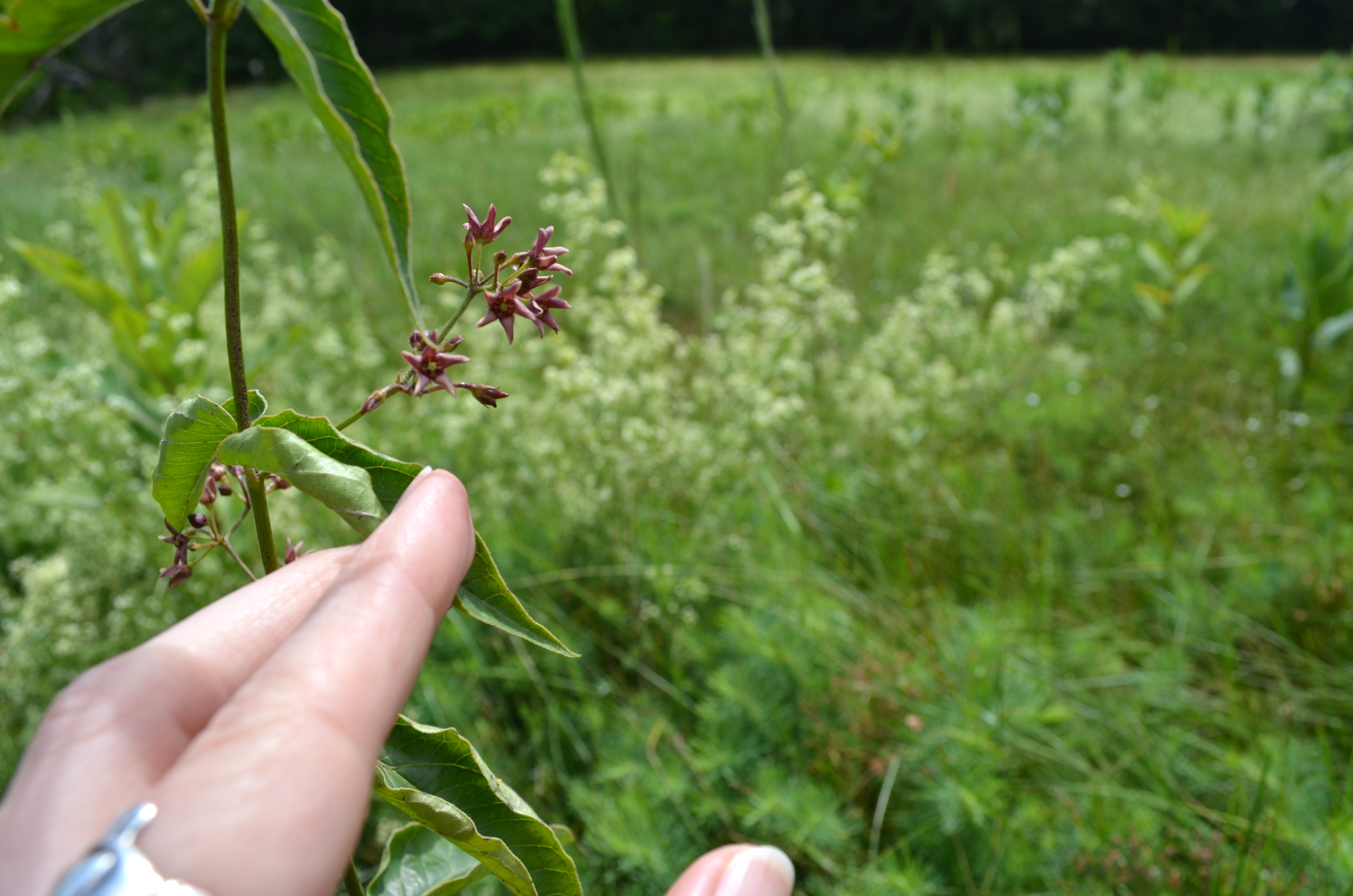
Pardon my fingers; the wind was blowing and I was trying to steady the plant enough for a photo. There is just one of these plants all by itself in this field, but it’s considered highly invasive, so I wonder if there will be more next year. An unusual color. A twining vine. Milkweed family. Introduced from Europe in the 19th century.
Pale Swallowwort, Dog-strangling Vine (Cynanchum rossicum)

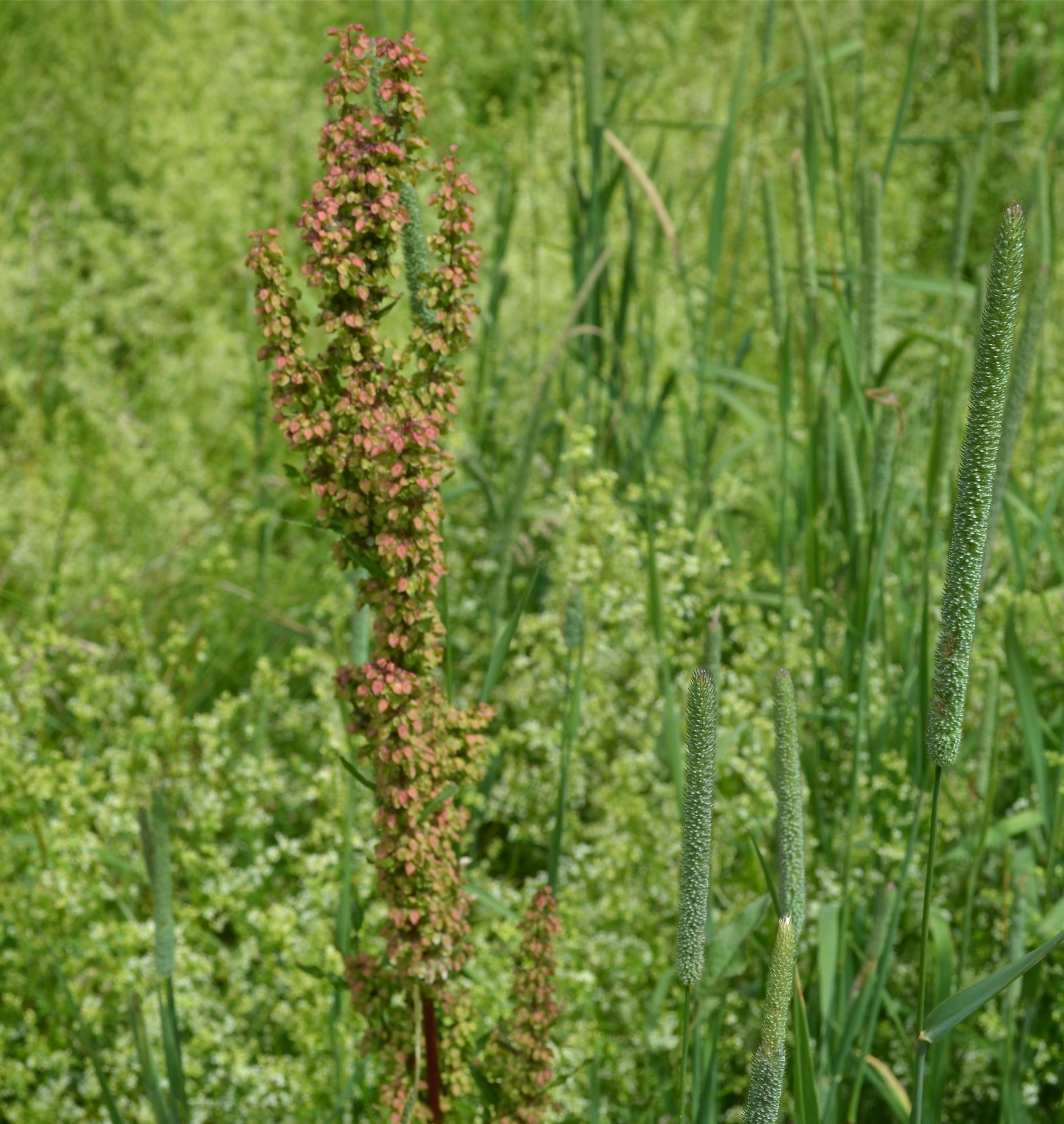
This is one of those big unattractive weeds that I’ve always seen but never knew the name for… or noticed that up close, it’s rather pretty. About 3 feet tall. Native to Europe and Asia.
Curly Dock, Sour Dock, Narrow Dock (Rumex crispus)


The Milkweed is just starting to bloom, which makes it seem like I can already see the end of summer, picturing those white-feathered seeds to come. Fragrant blooms. Provides food for many insects. Host plant for caterpillars of monarch butterflies and many moths. The flower nectar was used by native people as a sweetener. Milkweed family. Native to North America.
Common Milkweed, Butterfly flower, Silkweed (Asclepias syriaca)
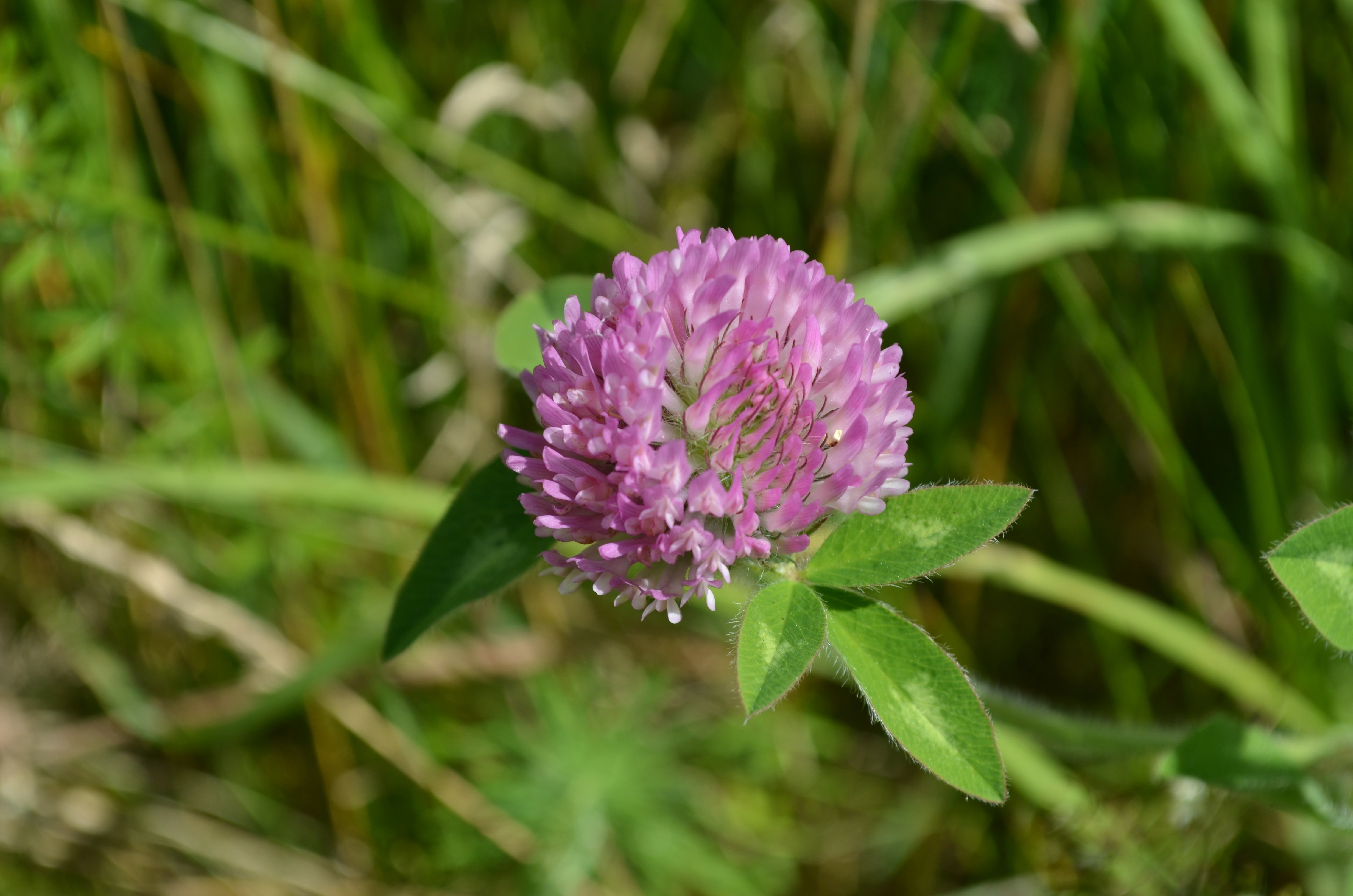
 Have you ever noticed that there is not just one kind of red clover? You can recognize Alsike Clover (above) by the fact that the flower is on a stem without leaves, but Red Clover (below) has the flower always sitting on a doily of leaves. Also, Alsike Clover leaves don’t have the pale markings of Red Clover. Pea family. Native to Europe. Its name is from the Swedish town of Alsike.
Alsike Clover (Trifolium hybridum)
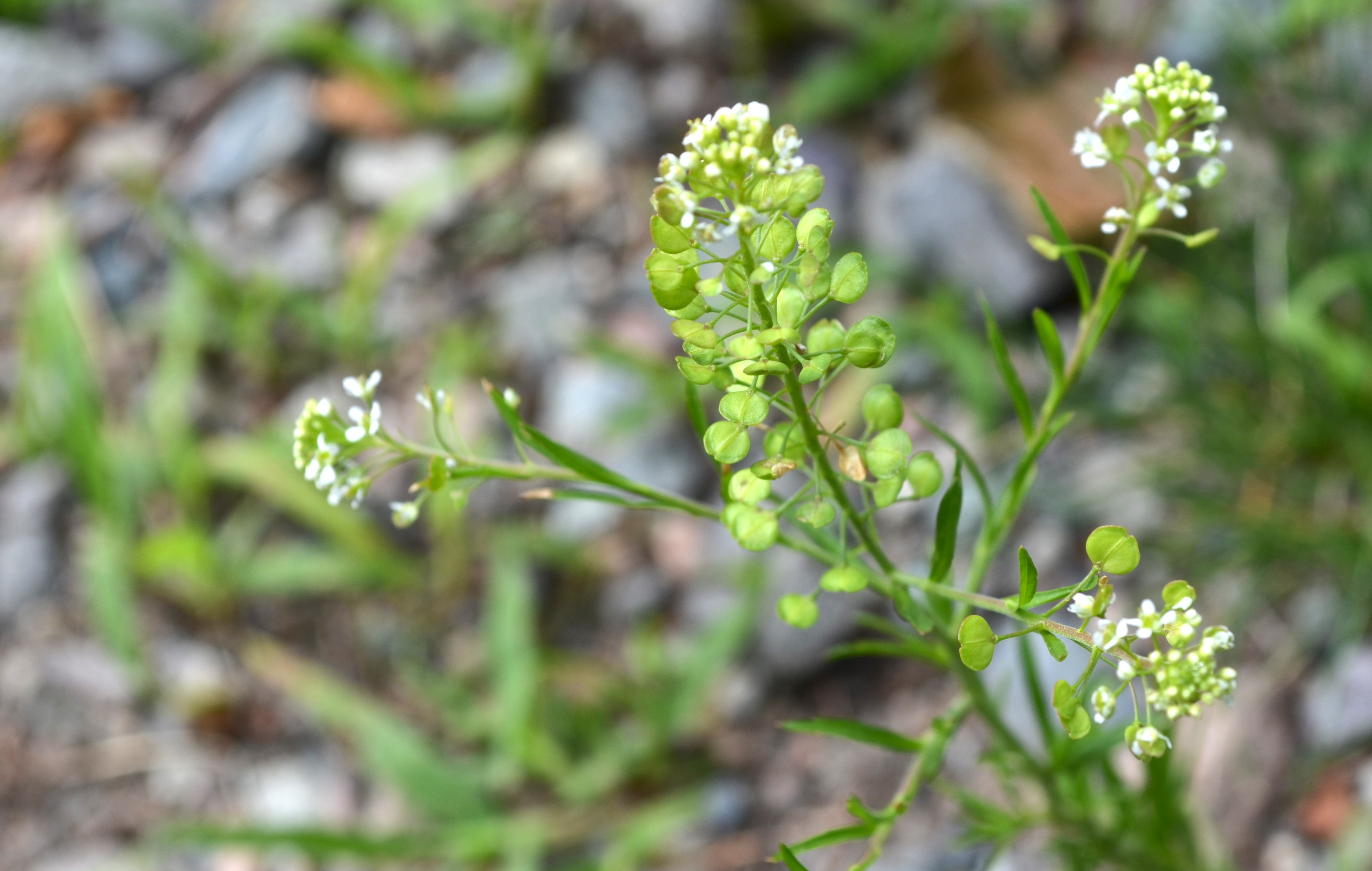
Edible. All parts taste peppery. The young leaves can be sauteed or eaten in salads, and the young seedpods can be used like black pepper. Mustard family. Native.
Virginia Pepperweed, Peppergrass (Lepidium virginicum)
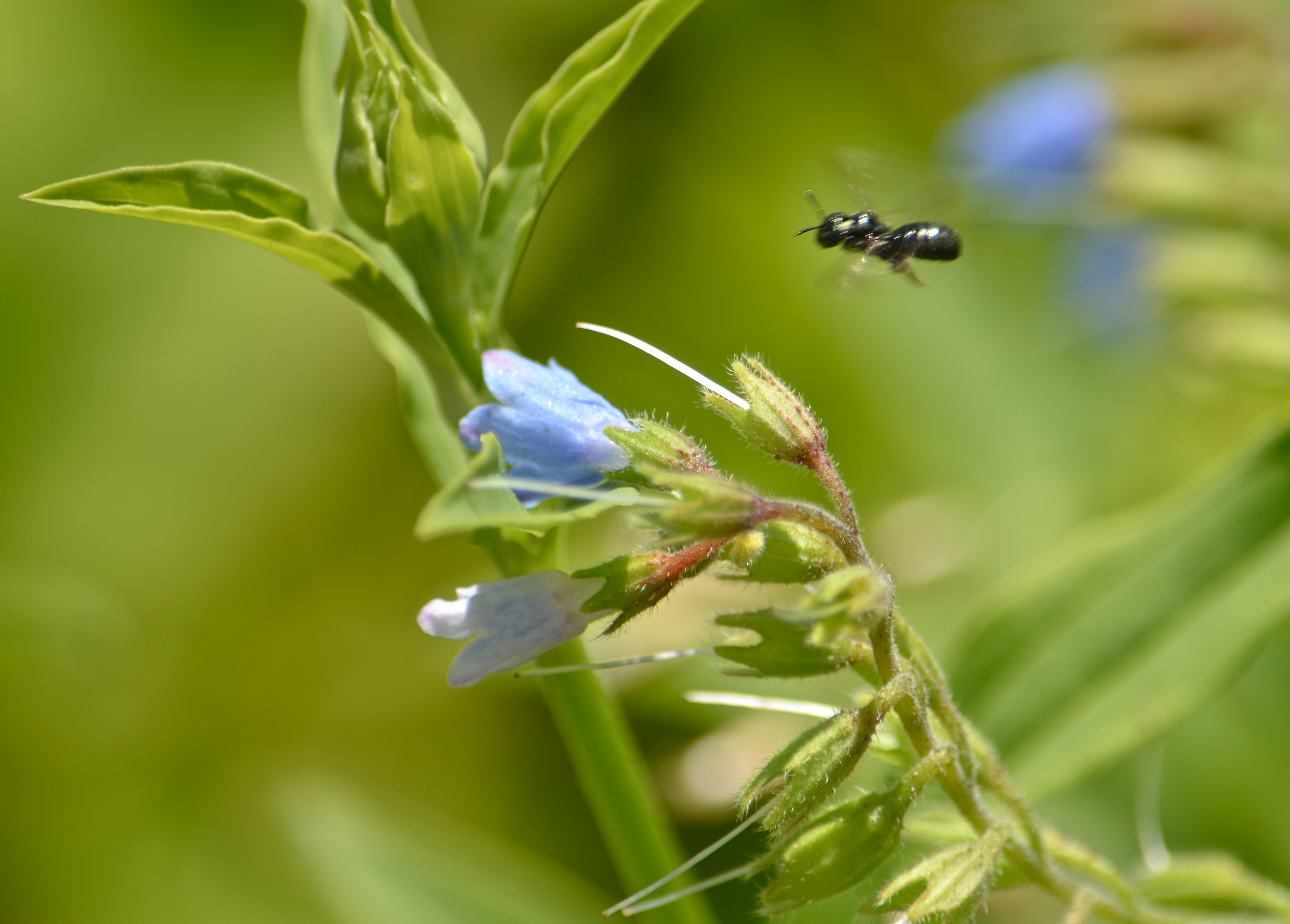 This is in the medicinal garden at Elm Bank. A bee happened to fly through the frame as I was shooting! A perennial herb, native to Europe. Evidently it has historic medicinal uses, especially as a topical ointment, but is poisonous if taken internally. One of the common names was “knitbone.”
Comfrey (Symphytum officinale L.)
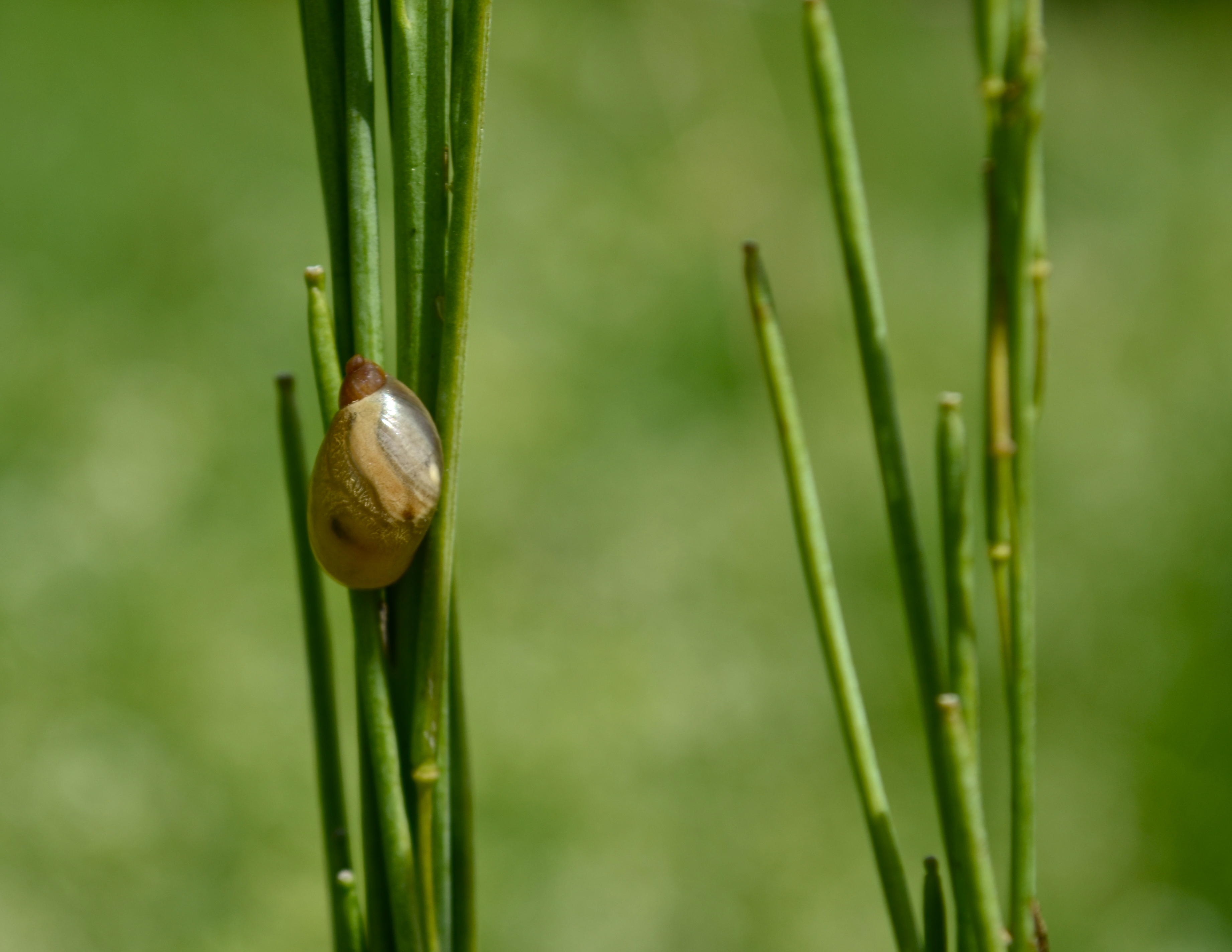
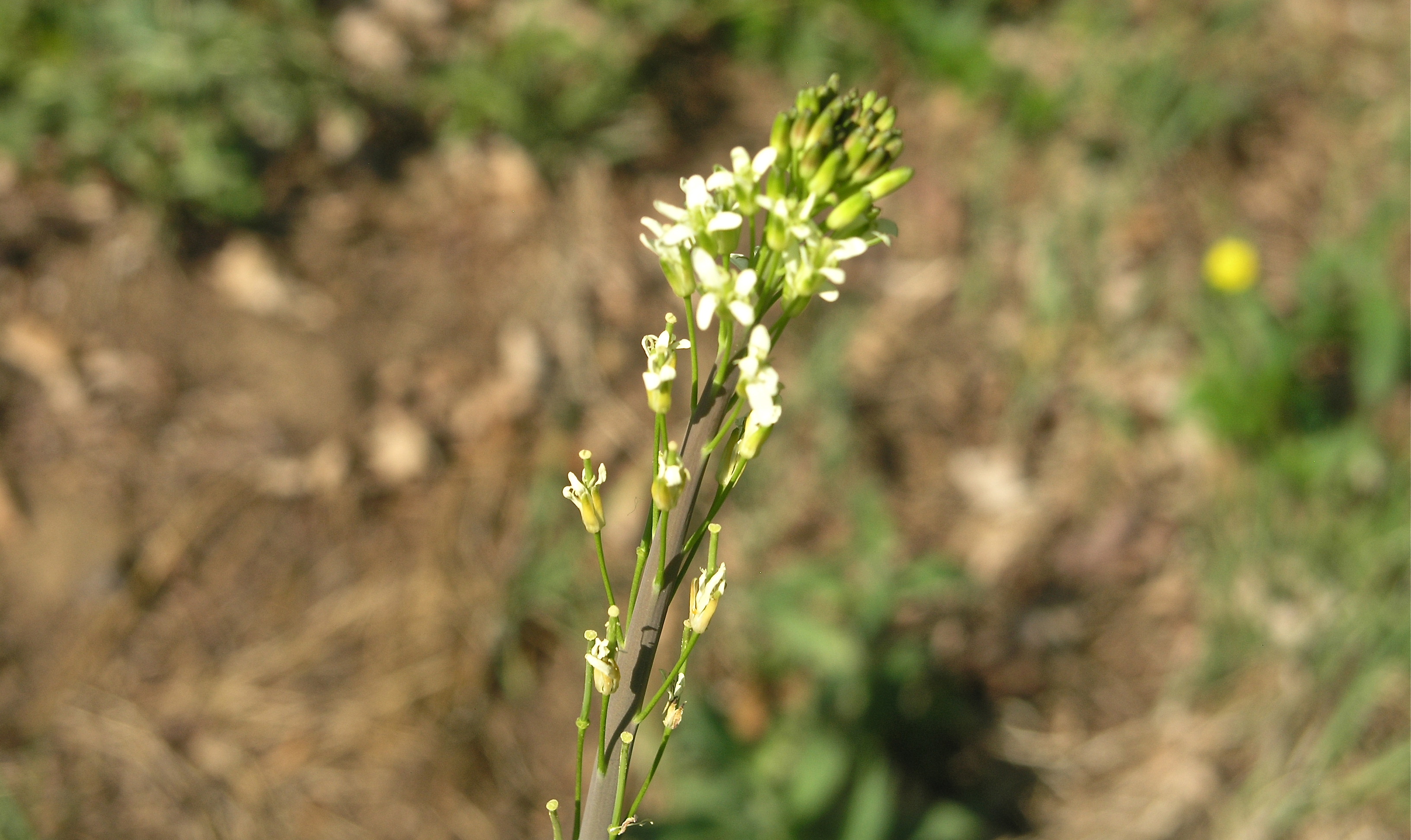 This is a plant I photographed weeks ago (second photo) but couldn’t identify. But recently, it’s gotten some very distinguishing characteristics, namely these leafless vertical seed pods that hug the stem. Plus they’re about 4 to 5 feet tall.
Tower Rockcress, Tower Mustard (Arabis glabra)
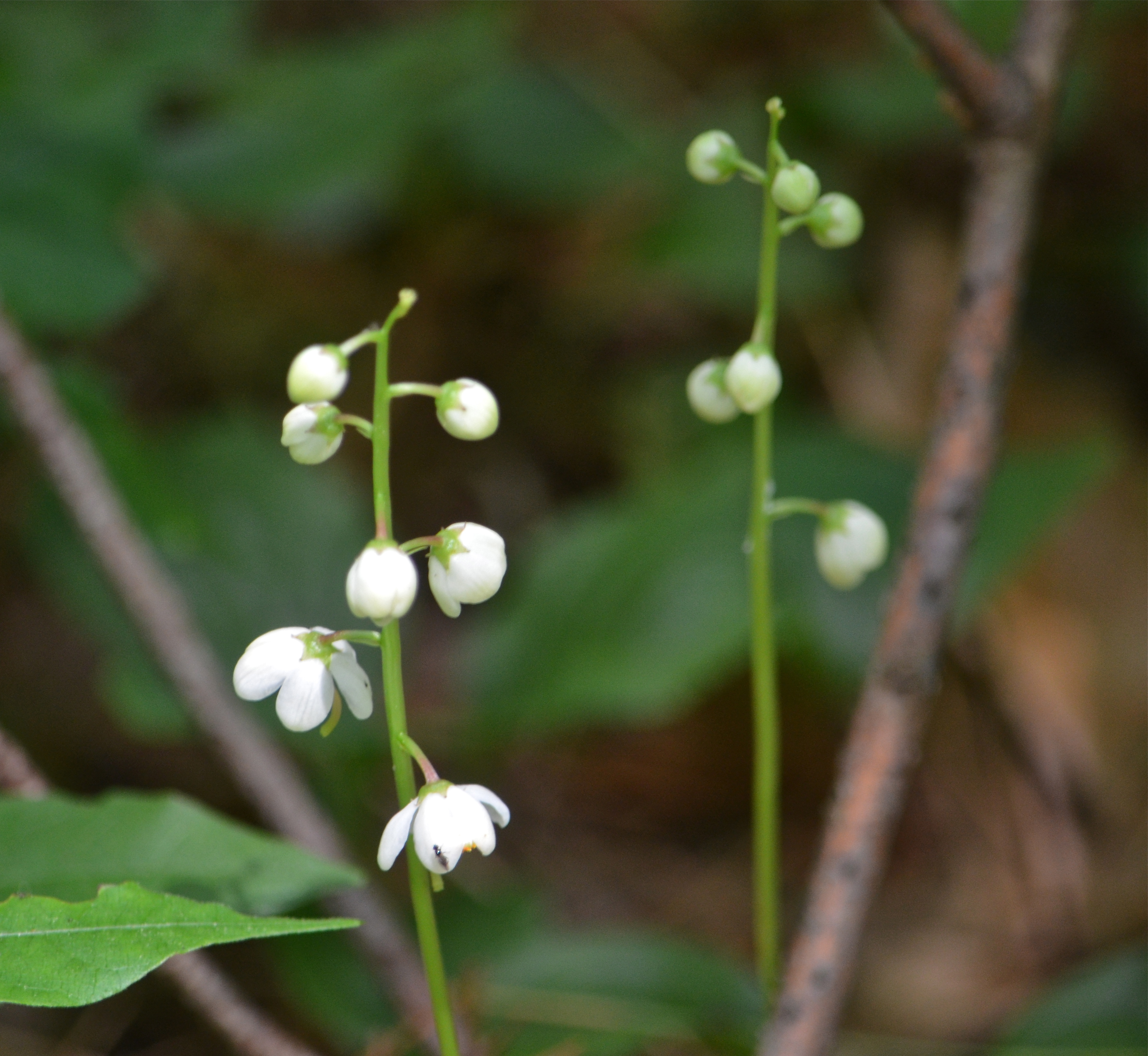
A dainty little plant. A Wintergreen. Historic medical use was application of crushed leaves to bruises and injuries to ease pain. A paste of crushed leaves was called a shin plaster, and that’s the name origin. Native.
Shinleaf (Pyrola elliptica)