Wood Hyacinth


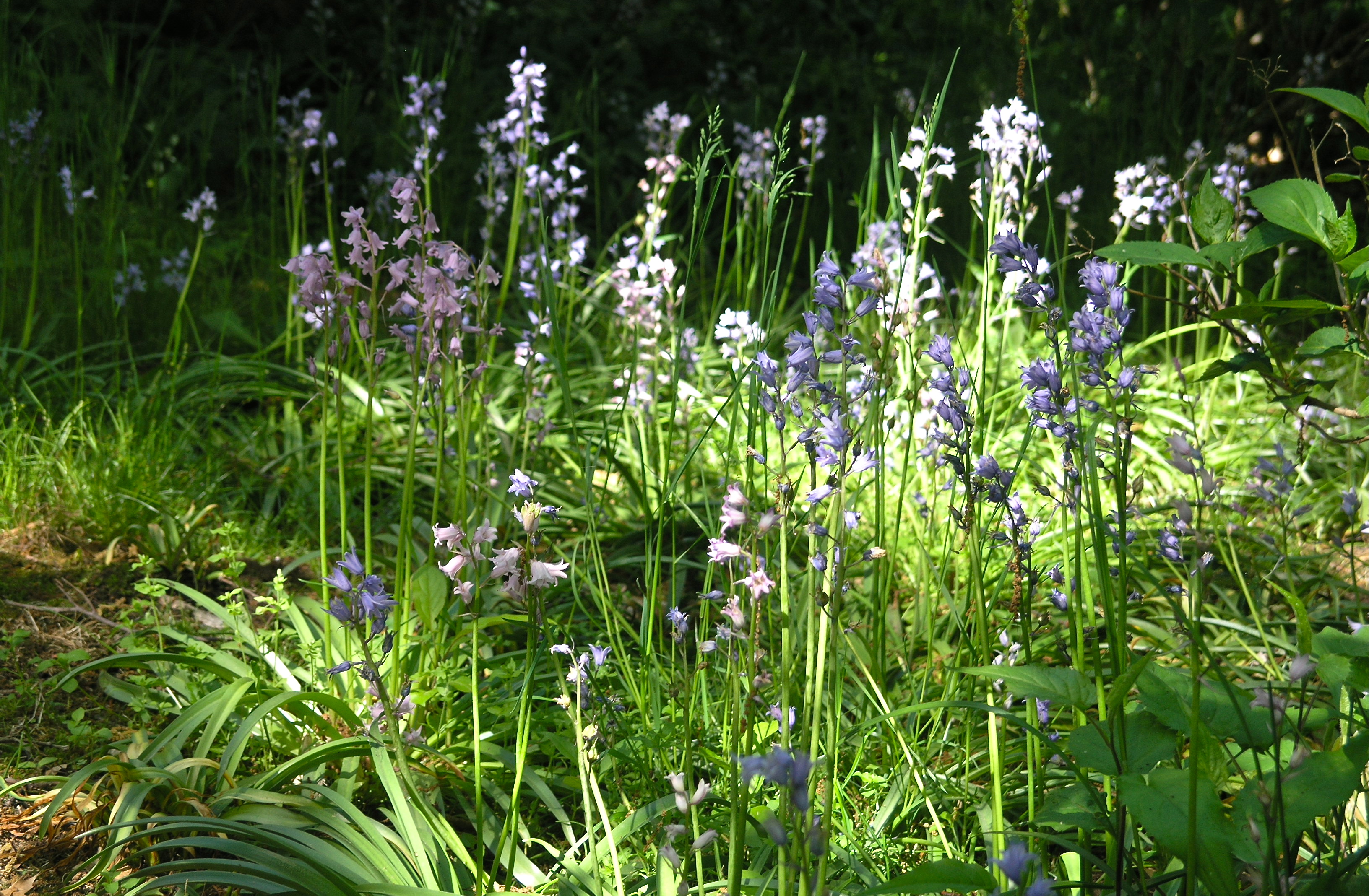
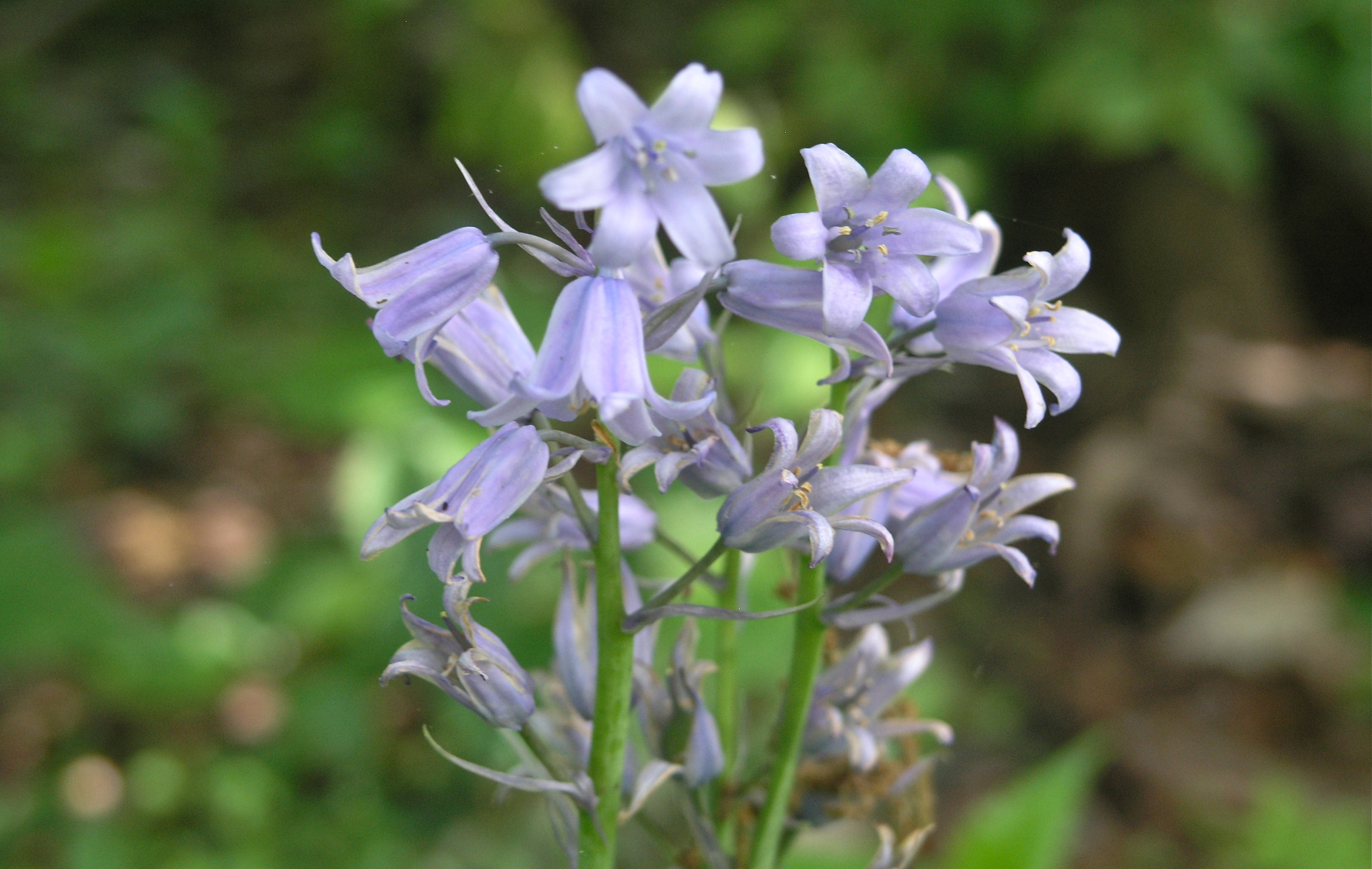
These are lovely in the dappled shade. Not sure if this variety is strictly wild… Lily family. Native to Europe and Africa.

Wood Hyacinth (Hyacinthoides hispanica)

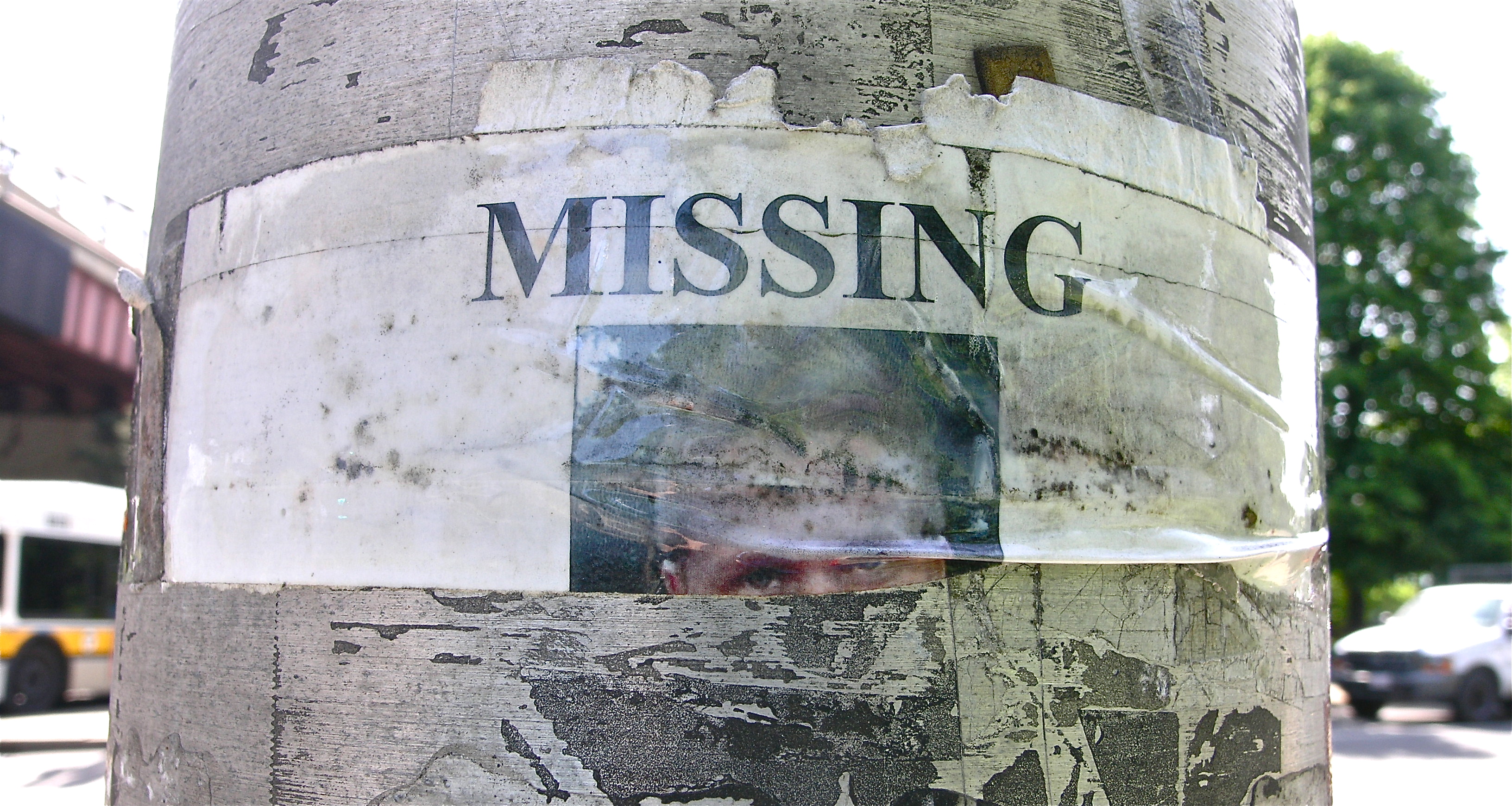
Bonus picture for A.F. Marilyn, who likes when I include other photos from the general environment. I saw this ripped missing leaflet as I walked from the arboretum back to the school, walking from Eden back to the city.
Yellow Flag

Taiji class was at Arnold Arboretum today, and afterwards I sleuthed for wildflowers. A stand of these irises were at the edge of the pond. It has the ability to absorb heavy metals through its roots, and because of this has been used for water treatment! Native to Europe, Asia, Africa.

Yellow Flag, Yellow Iris (Iris pseudacorus)

Common Vetch

Common vetch makes high quality hay! But “bloat is a risk.” I think there are about three kinds of vetch at Centennial. We’ll see. Common vetch has been part of the human diet — as evidenced by carbonized remains at early Neolithic sites in Syria, Turkey, and several other countries. Pea family.

Common Vetch (Vicia sativa)

Bristly Locust

Kudos to A.F. Donna for spotting this at Wilson Mountain. There is an area just full of these low shrubs all hung with pink blossoms. Pea family. Native to the southeastern U.S…. so these have somehow escaped and migrated northward.

Bristly Locust (Robinia hispida)

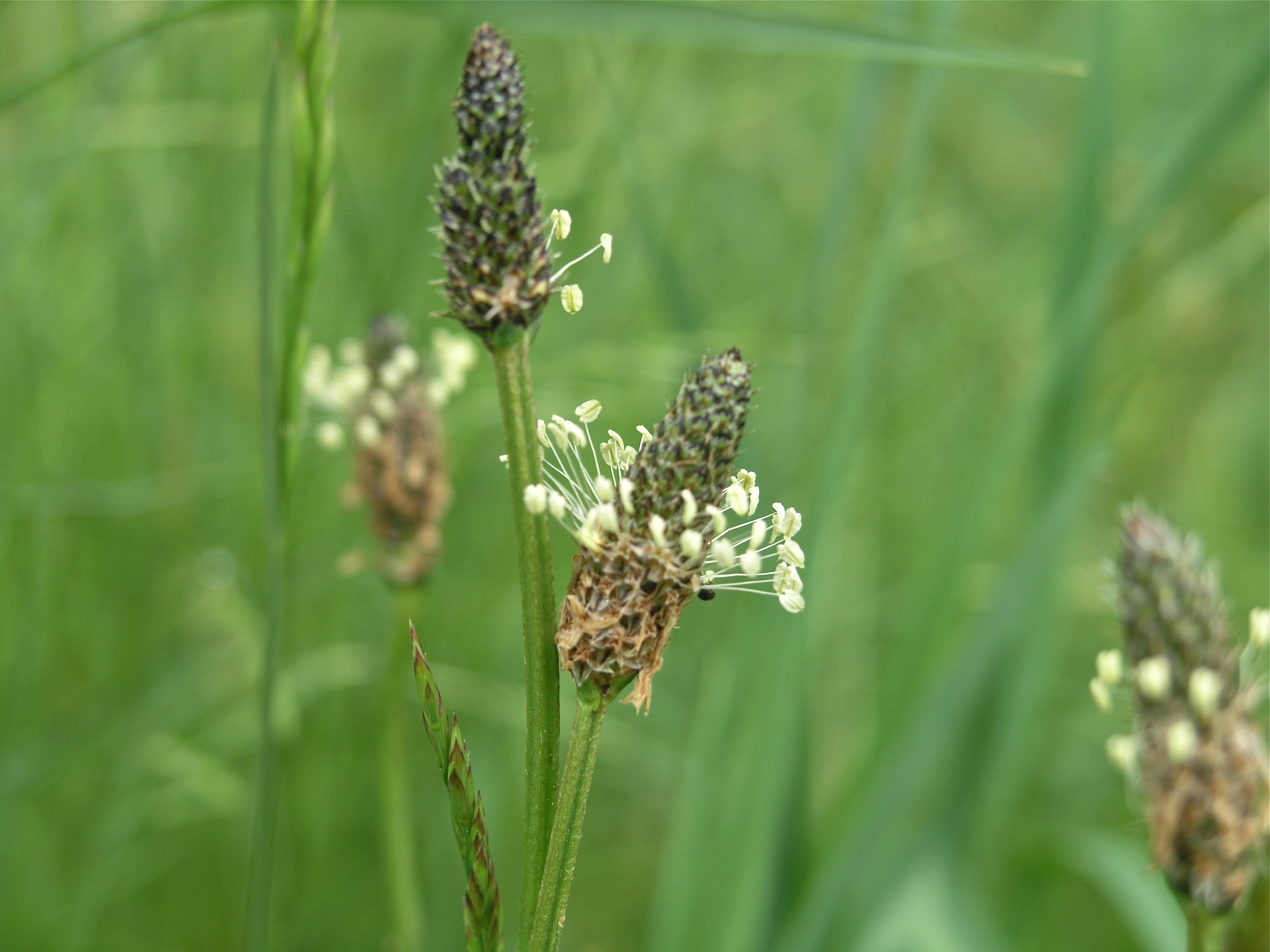
English Plantain

The flowers are wind-pollinated, so they attract few insects. A.F. Donna remarked that the flower form is like a little sombrero. Native to Eurasia. Plantain Family.

English Plantain (Plantago lanceolata)

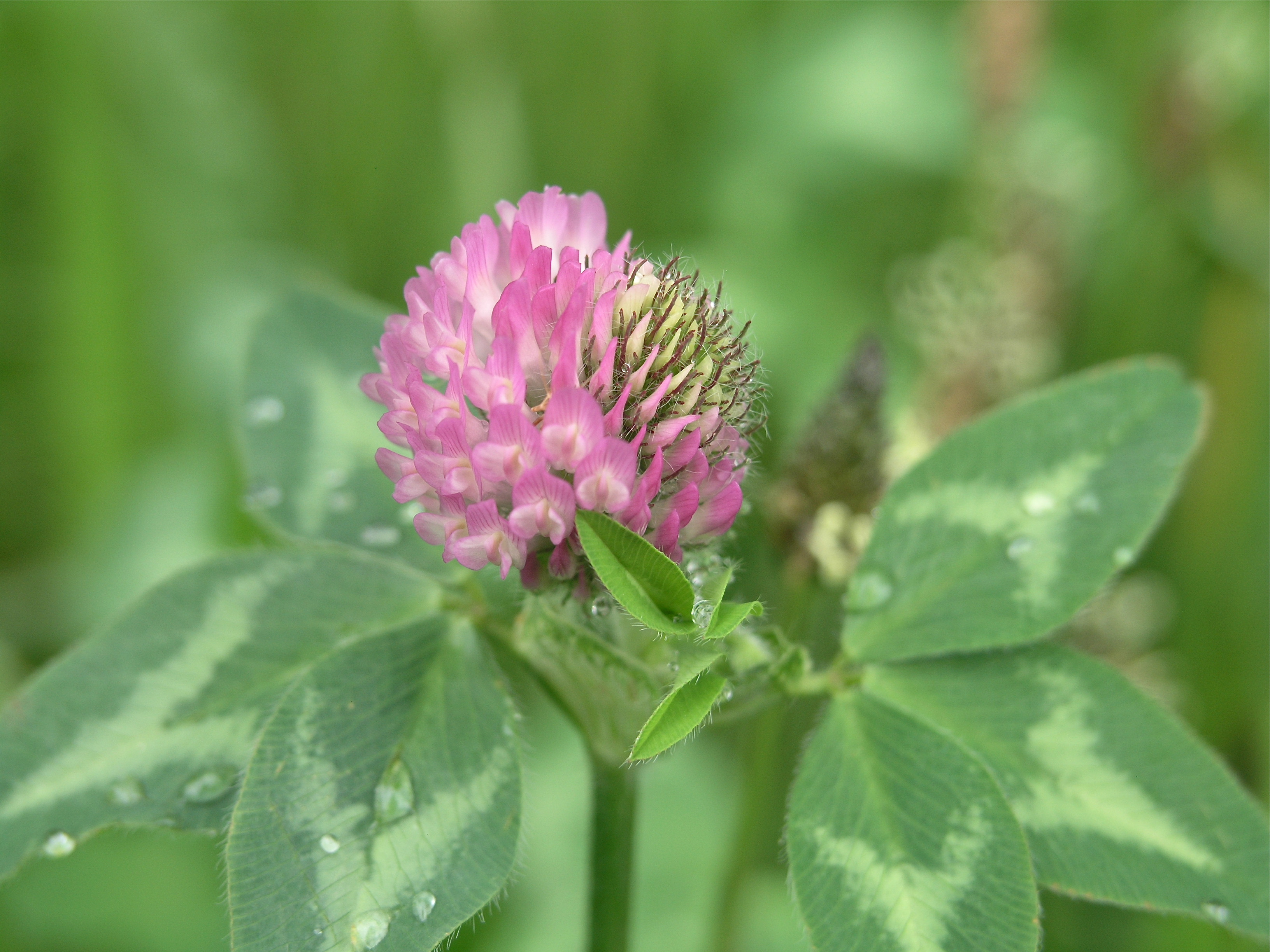
Red Clover

Used for a long list of medicinal purposes… Native to Europe, Western Asia and northwest Africa. Bean family.

Red Clover (Trifolium pratense) (pratense is Latin for “found in meadows.”)