Skunk cabbage is the first

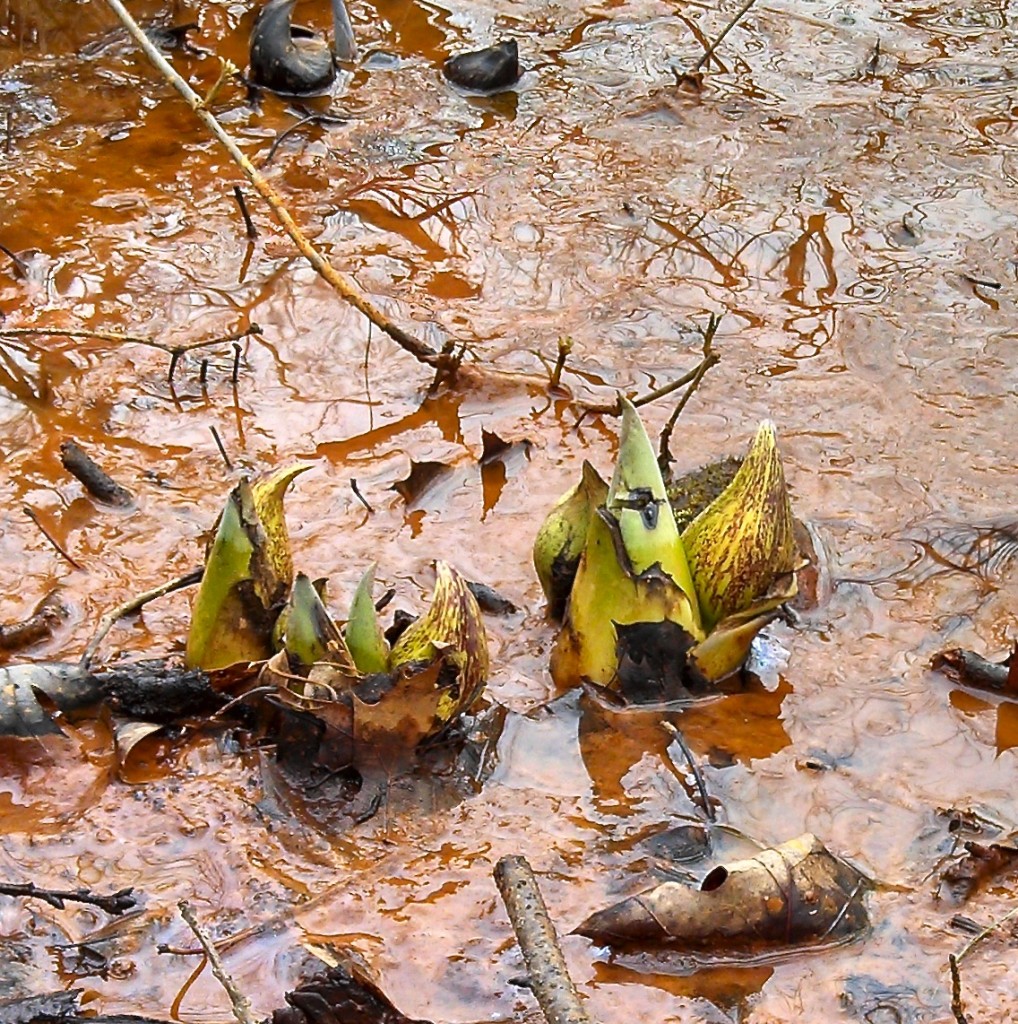
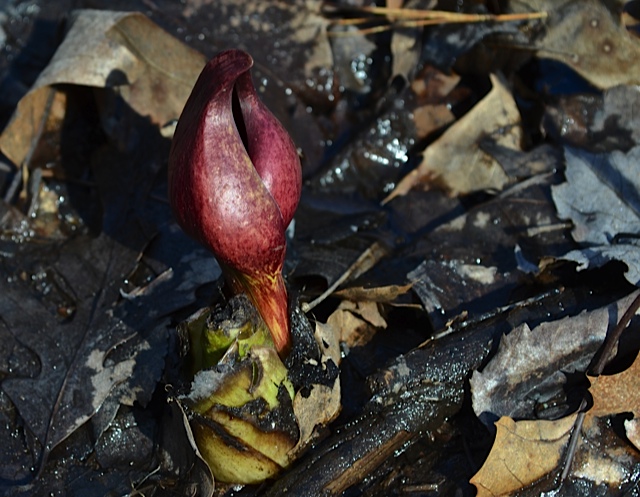
skunk cabbage 1 We first noticed the skunk cabbage emerging on February 16. Even though there had been a blizzard and there was snow everywhere else, this is a protected swampy spring-fed area, and the shoots were emerging up through the ooze, looking very primordial and eager to get on with it. This is their bloom, before they leaf out later in spring. From Wikipedia: “Eastern Skunk Cabbage has contractile roots which contract after growing into the earth. This pulls the stem of the plant deeper into the mud, so that the plant in effect grows downward, not upward. Each year, the plant grows deeper into the earth, so that older plants are practically impossible to dig up.” (I started this blog with photos from this location last March.)

Eastern Skunk Cabbage (Symplocarpus foetidus)
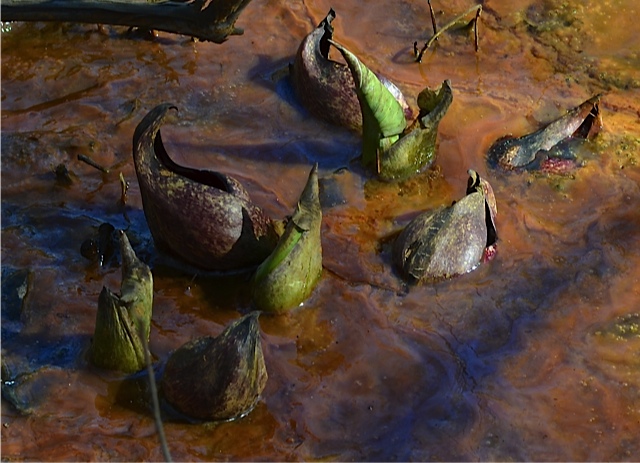
Skunk cabbage in muck

Skunk cabbage first appearance: Feb 16, 2013

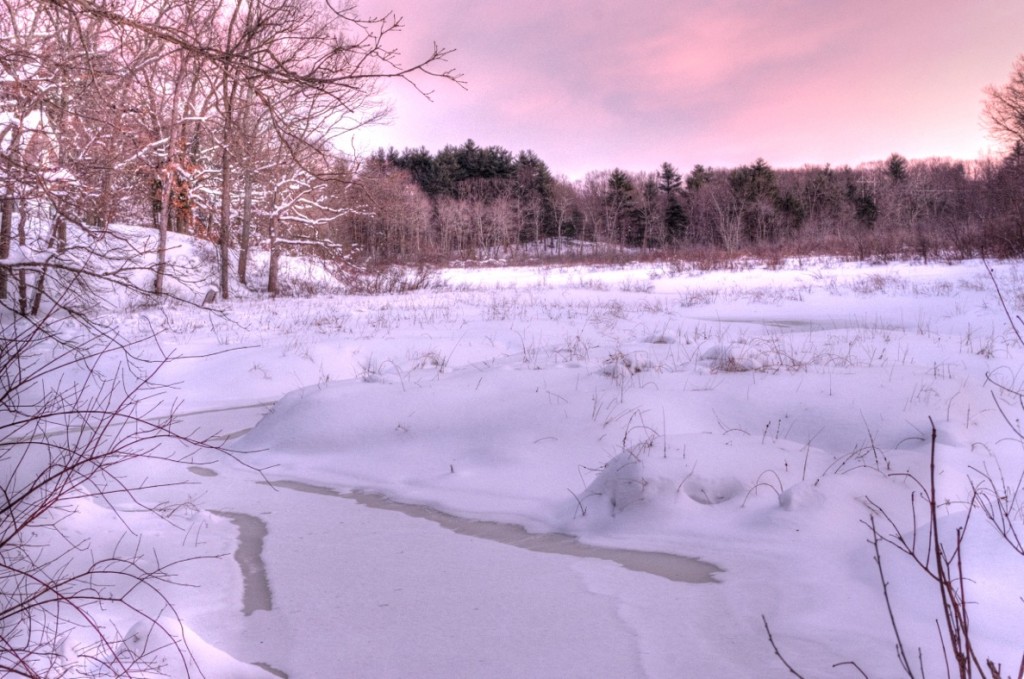
Bonus picture: except for down in the swamp, the snow blanket prevails.
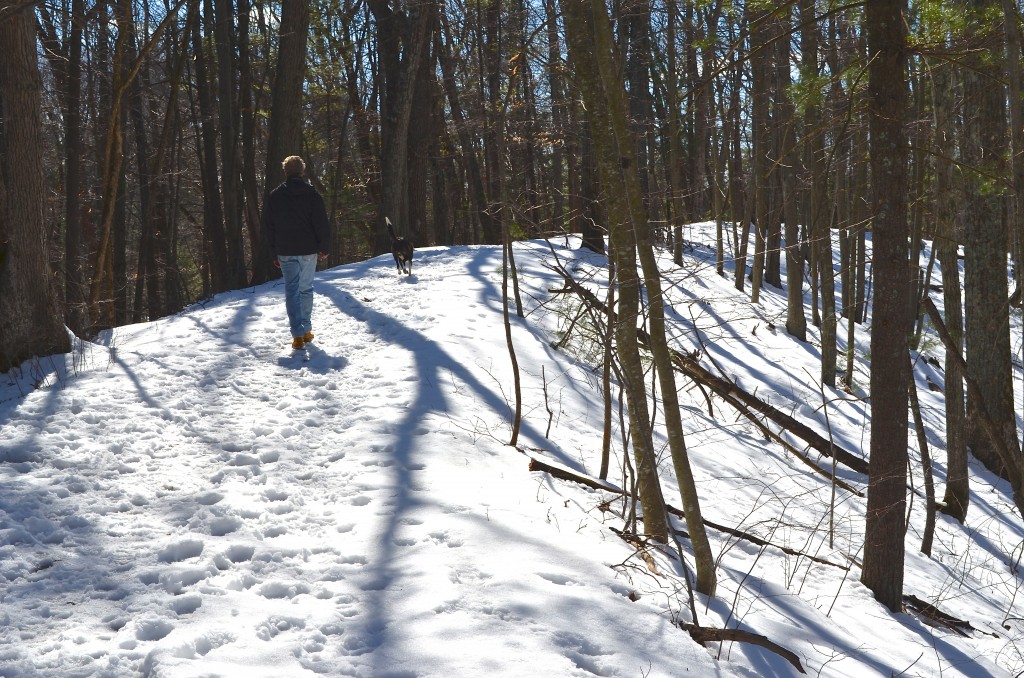
Ridge Hill in the Snow

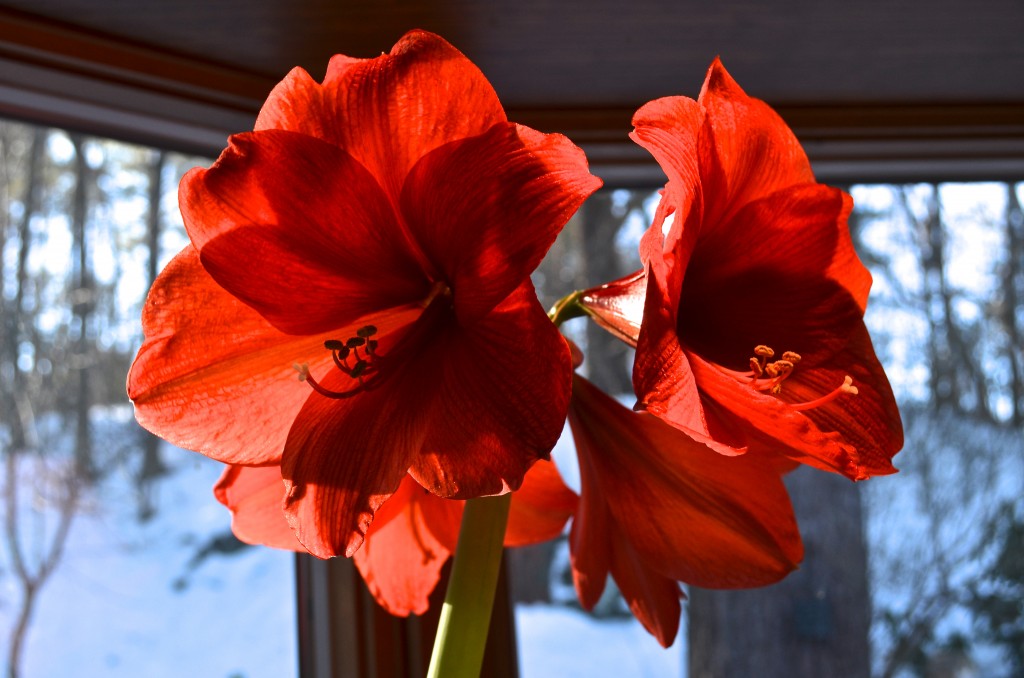
Amaryllis while we wait

AmaryllisWhile we dream of spring, here is a giant tropical ignoring the snow outside the window. I notice on my calendar that in 2012, the spring peepers started singing on March 12, now almost two weeks past. That was an eerily warm winter. This blizzardy year, they’re still asleep under the ice.

Amaryllis (Hippeastrum x hybridum)

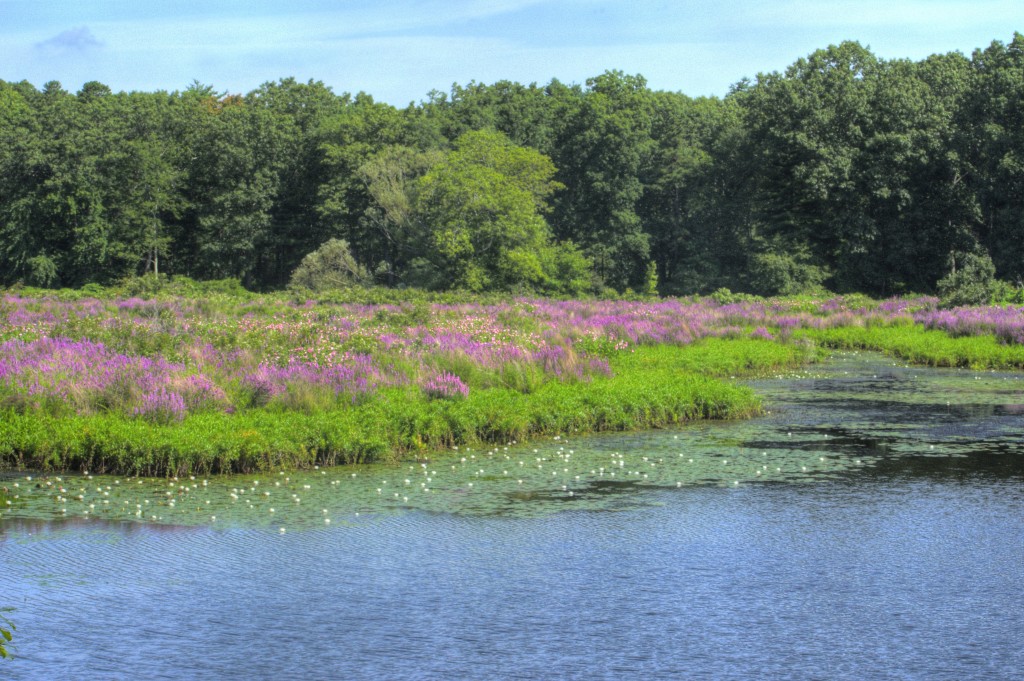
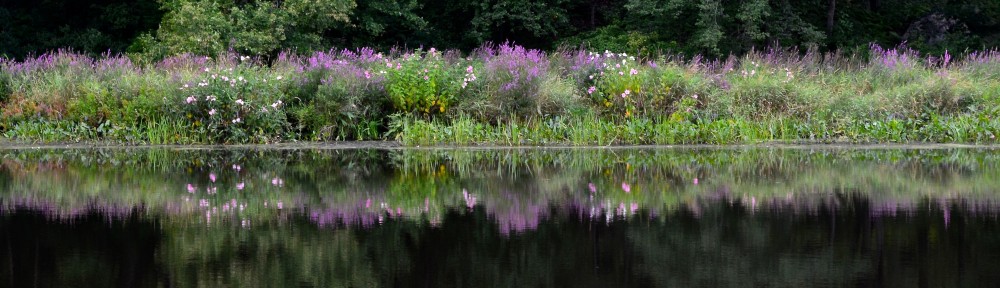
Snow blanket on the purple loosestrife

Blizz2013river_tonemappedloosestrifemallow1Alert Flowerophile Sybil inquired about when I would start posting again. I’m thinking it will be awhile before we see any wildflowers… but here’s a comparison view: a bend in the Charles River, Dover MA at sunset after our most recent giant blizzard (Feb. 9, 2013) and how it looked back on Aug. 6, 2012.

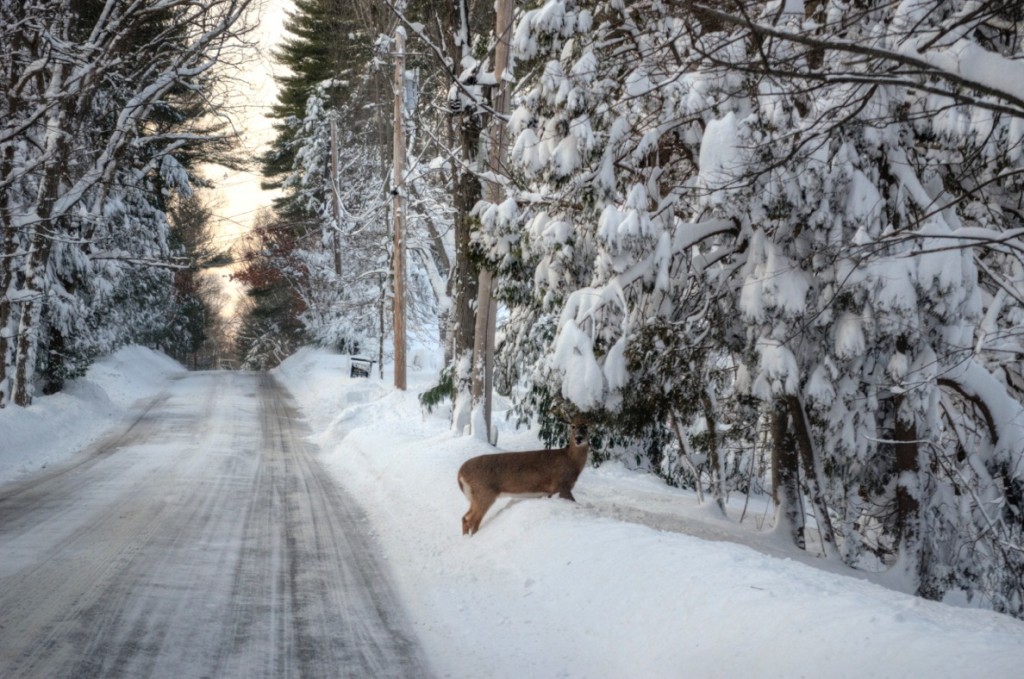
Bonus picture: deer out foraging on that same evening, after about a day and a half when all creatures just had to hunker down and wait for the weather to ease up.

Blizz2013_deer

Giant Puffball

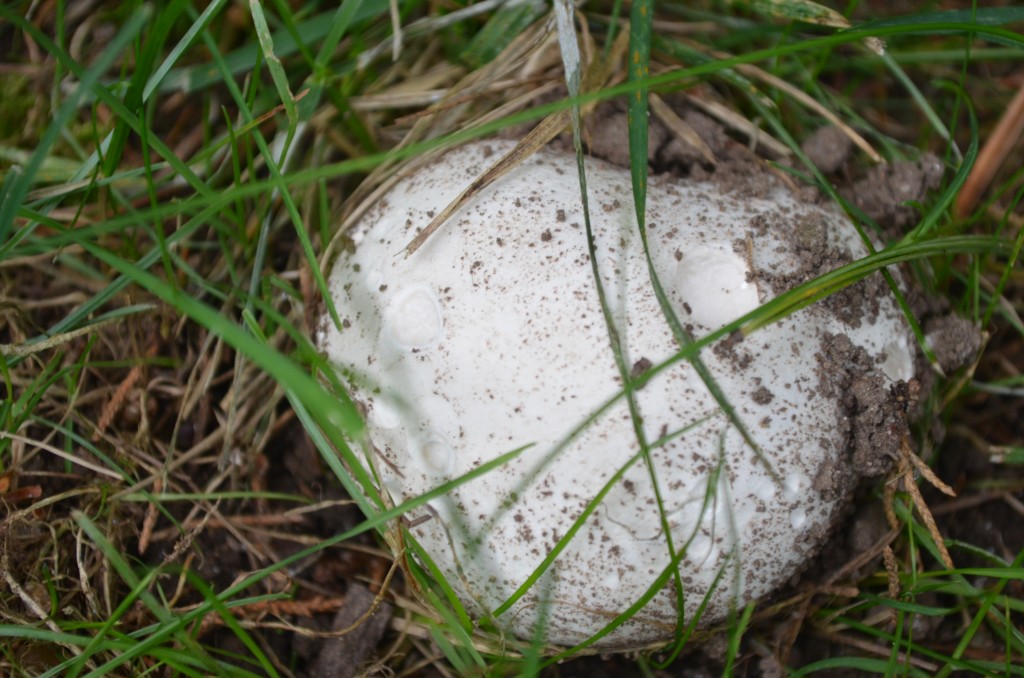
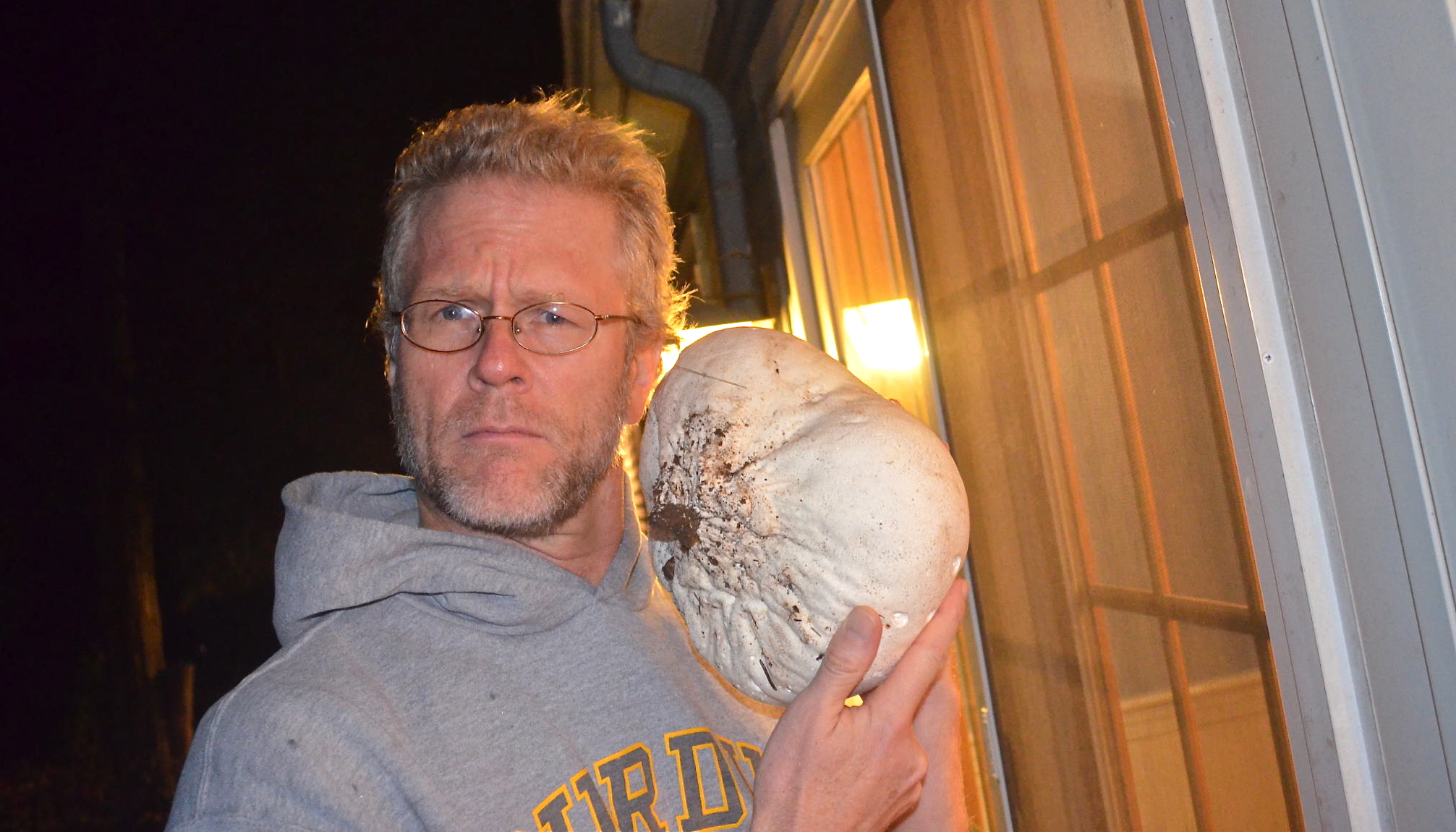
A giant puffball grows in our back yard every fall. When I first noticed it, it had just emerged from the ground and was the size of a baby’s fist. (September 26)

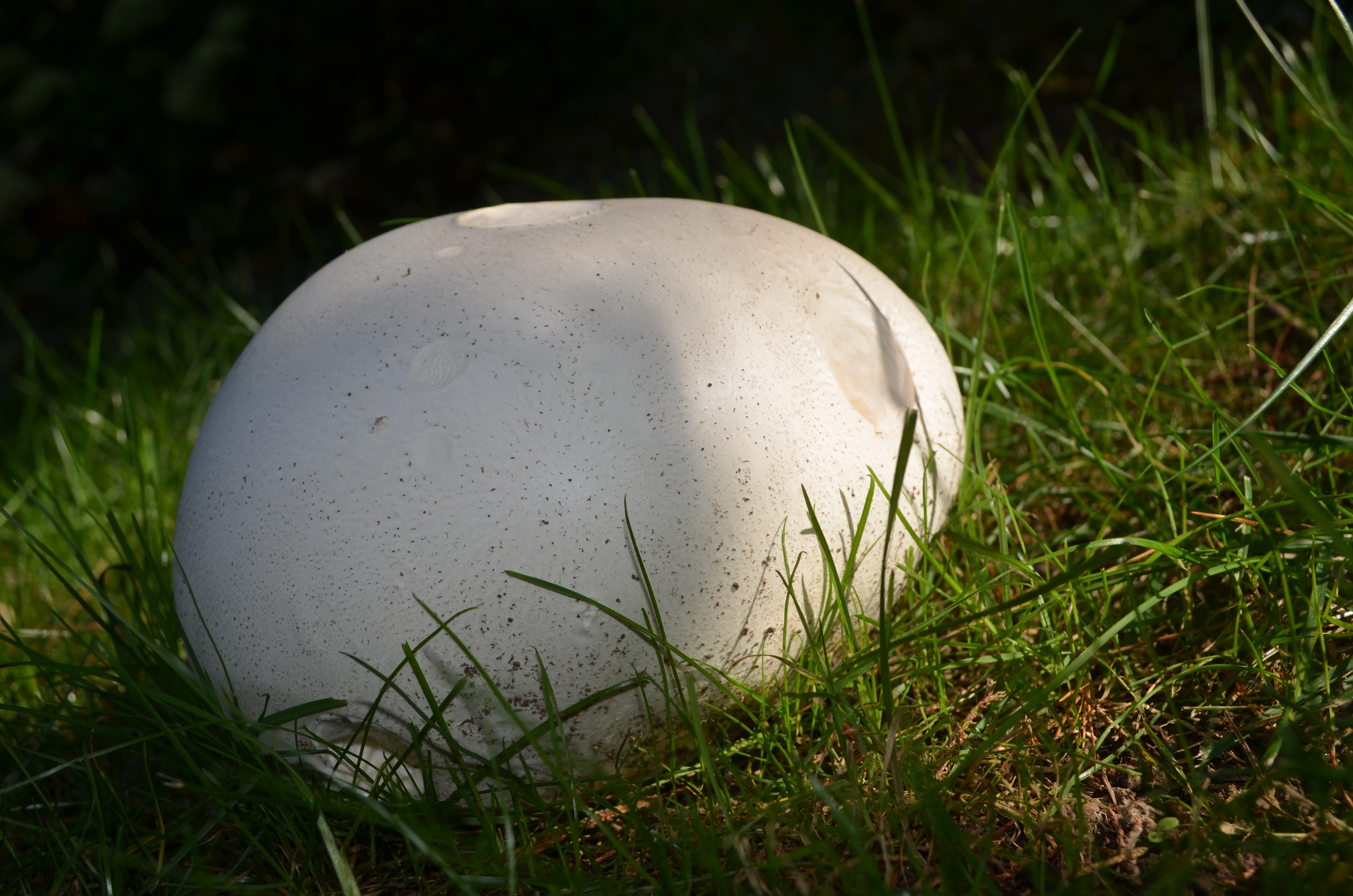
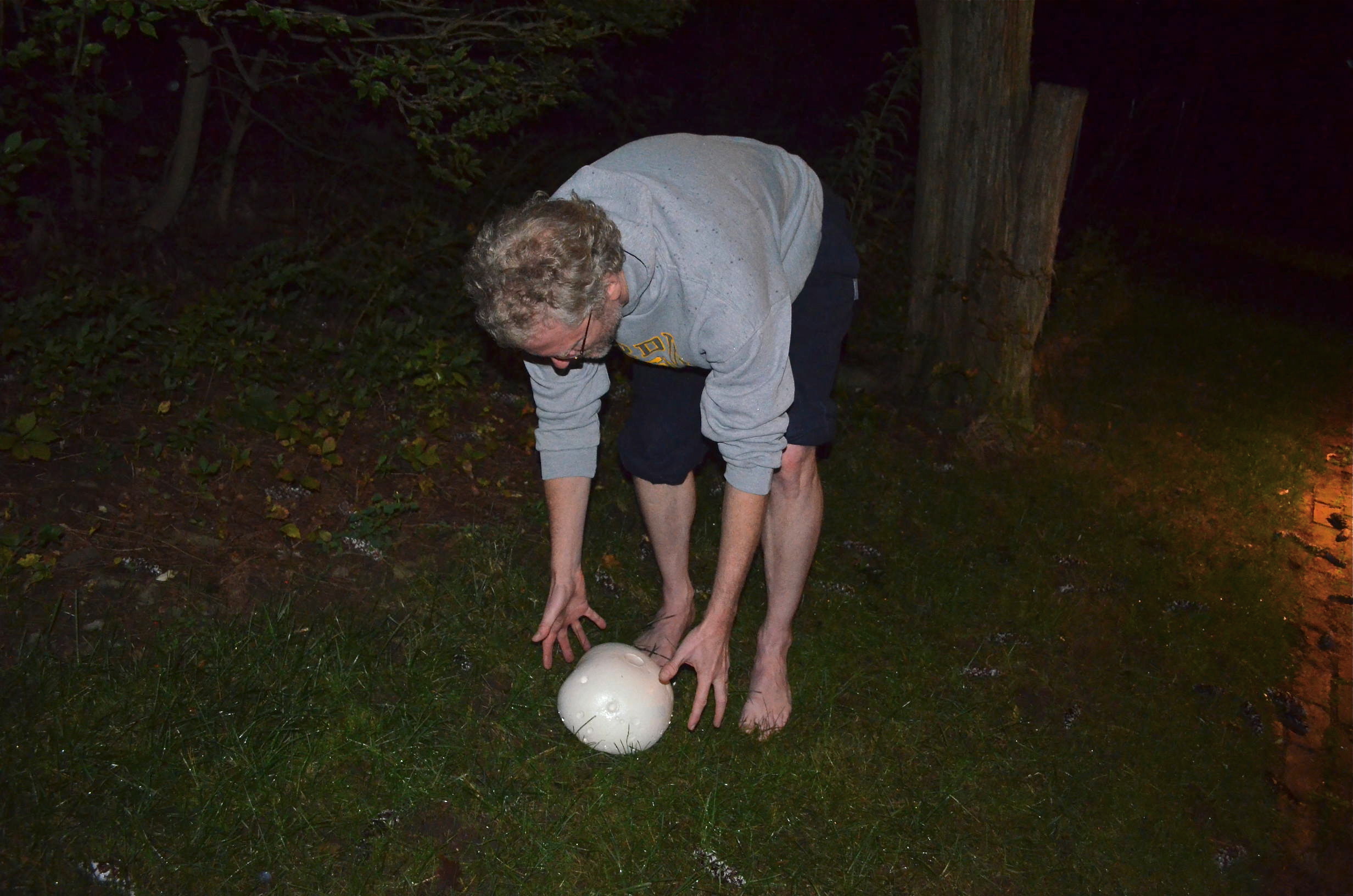
By October 1, just 5 days later, it was the size of a brain. We let it get a little bigger (3 more day’s worth of growth), and then picked it.

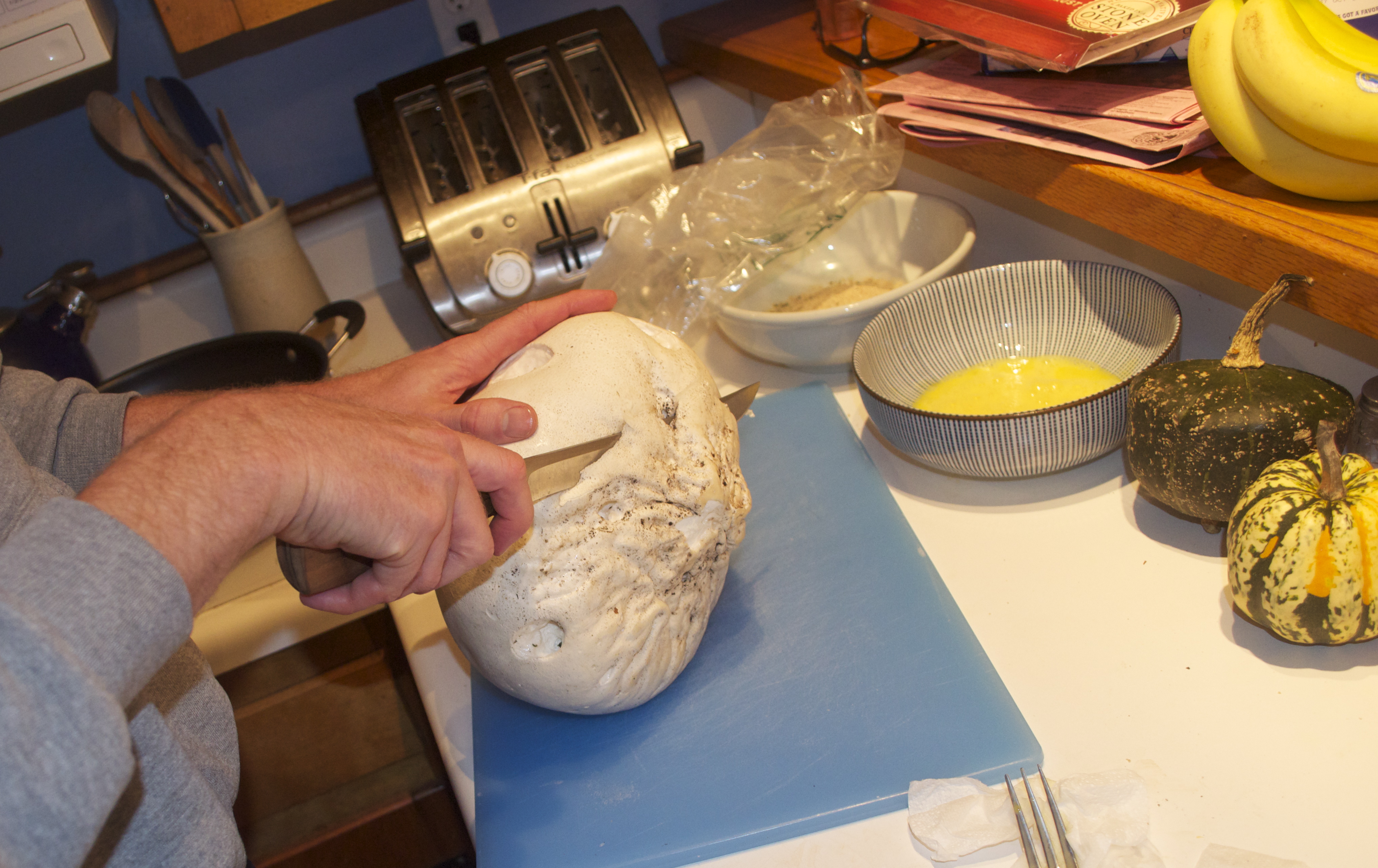
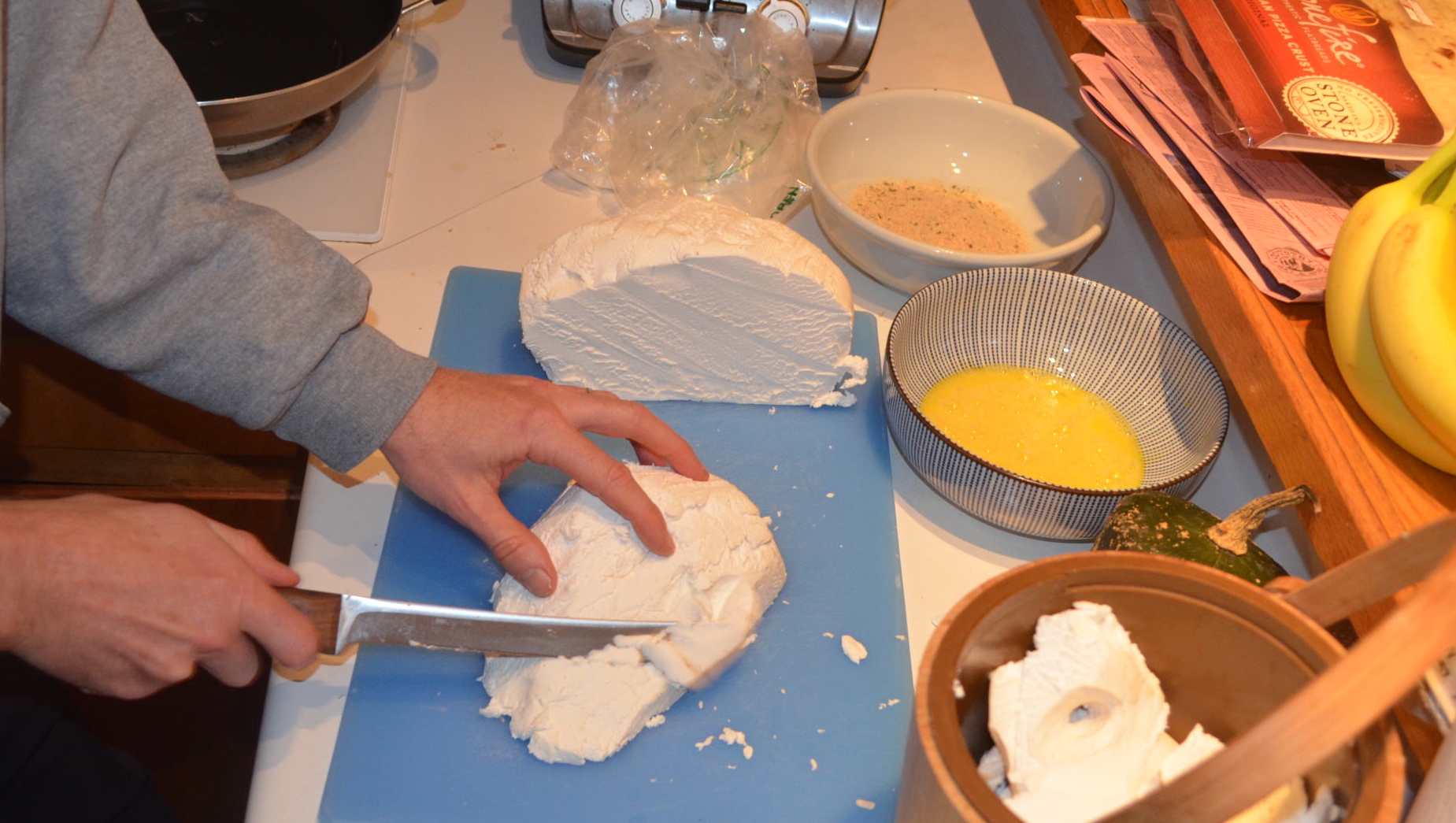
The consistency of the raw mushroom is like an especially dense, moist marshmallow. And there looks to be no circulatory system — they’re just solid white.

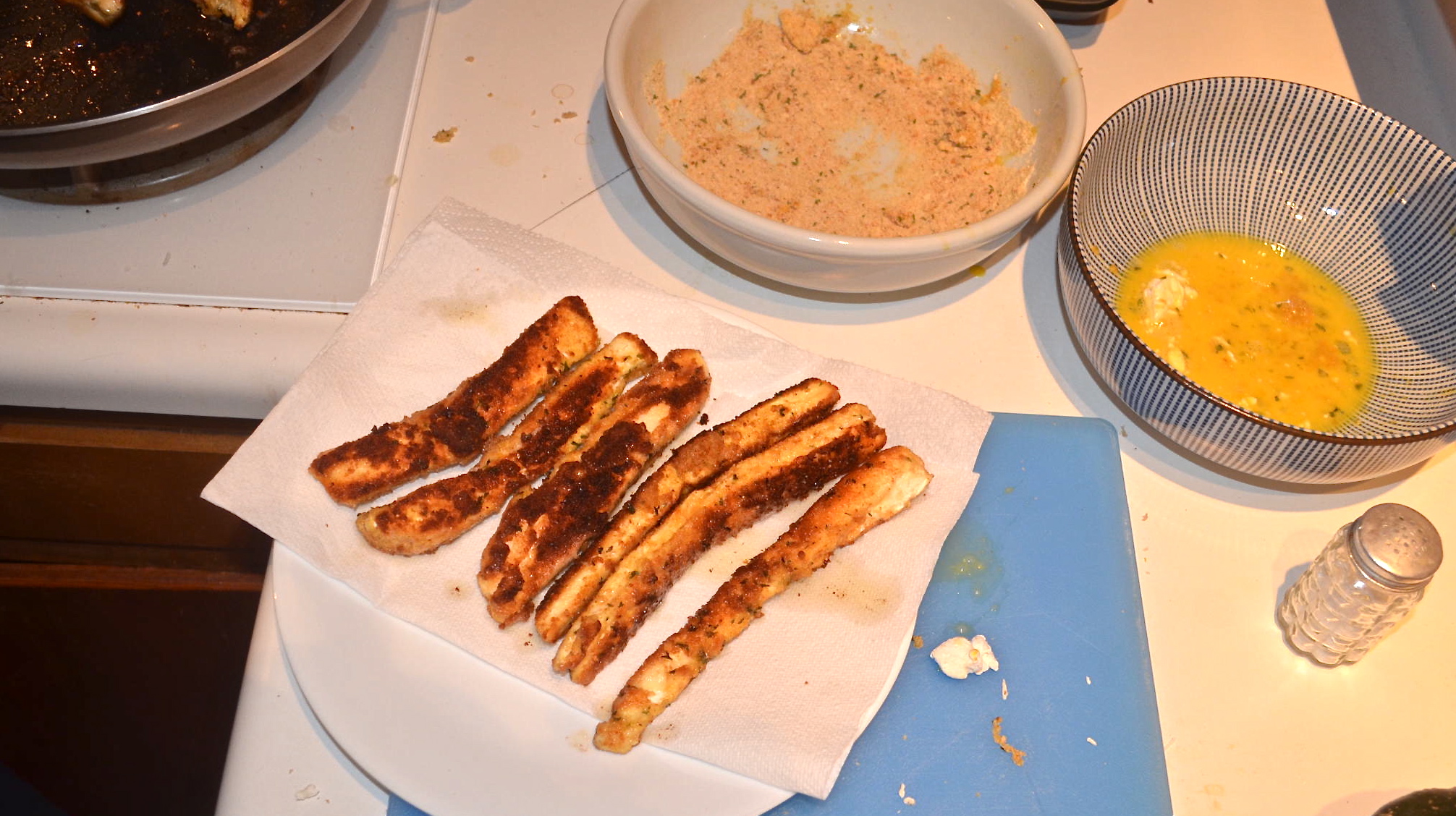
They were very good cooked — kind of like mozzarella sticks, melty and creamy. We also seared and froze some for later.

They’re edible only when young (when the inside is still pure white). Mature ones are greenish brown inside. All the spores are inside there — can be trillions of spores inside a single puffball. Native. Lycoperdaceae family.

Giant Puffball (Calvatia gigantea)

Lone sentinel down

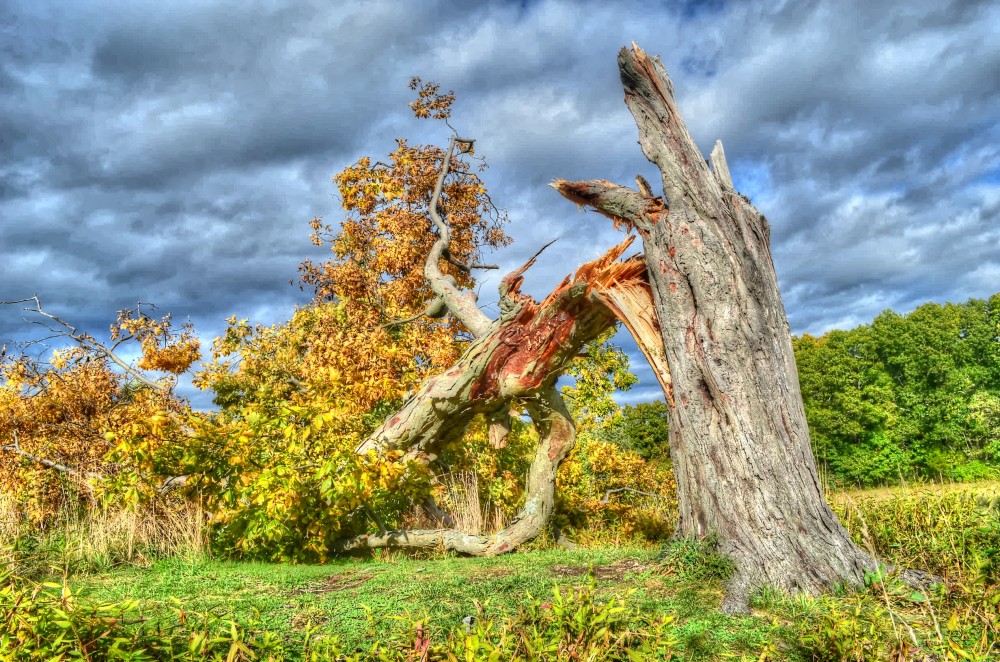
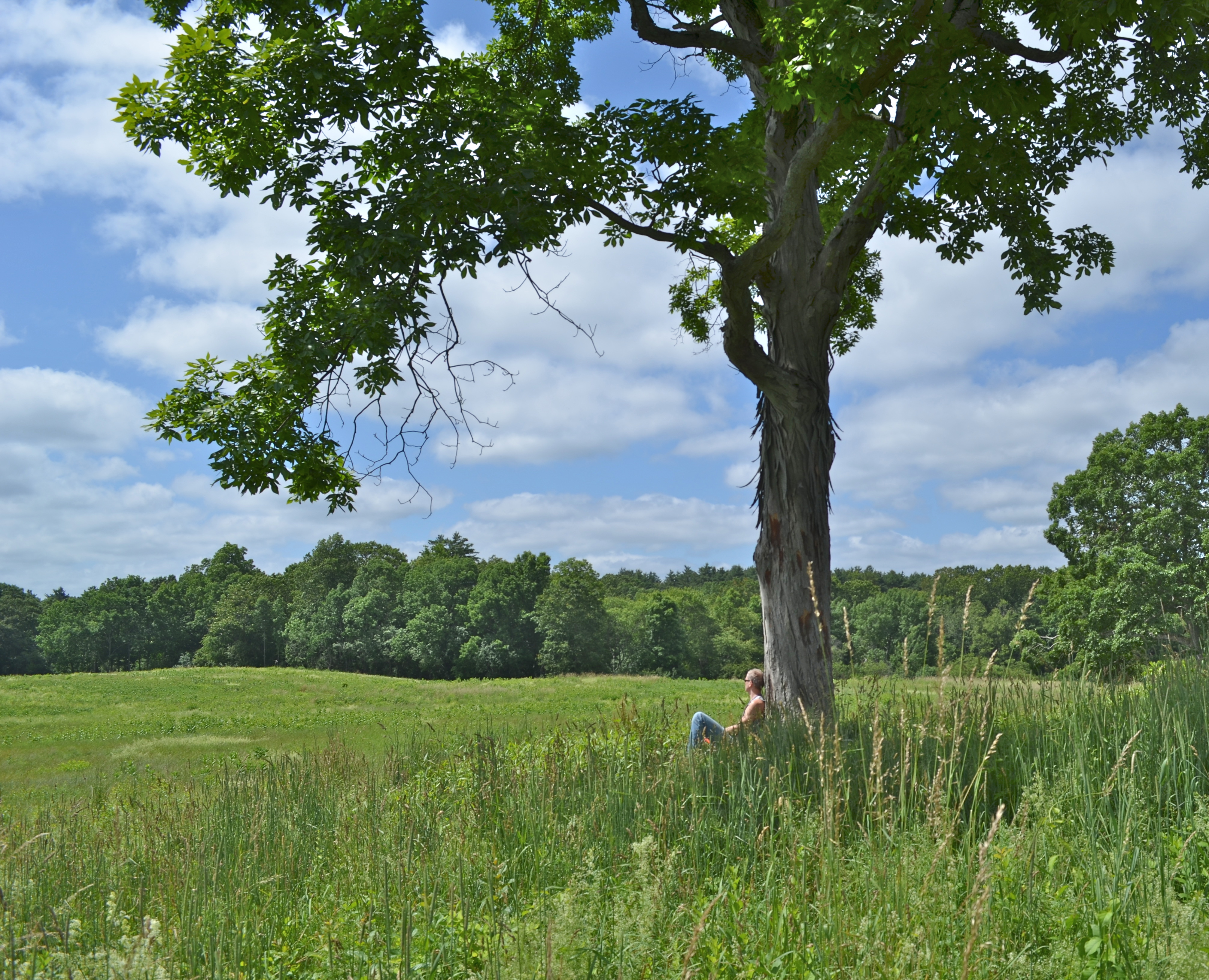
Before it was conservation land, Charles River Peninsula was a meadow where dairy cattle grazed, and this shagbark hickory stood at the top of the rise overlooking the scene. A big limb came down previously and revealed that it was partly hollow … so it was not a surprise and yet, a very sad sight to see that a September windstorm had taken it down. 

Someone had tucked wildflowers into the gash… Below, the scene last summer. We’ll miss it.

Poison Ivy

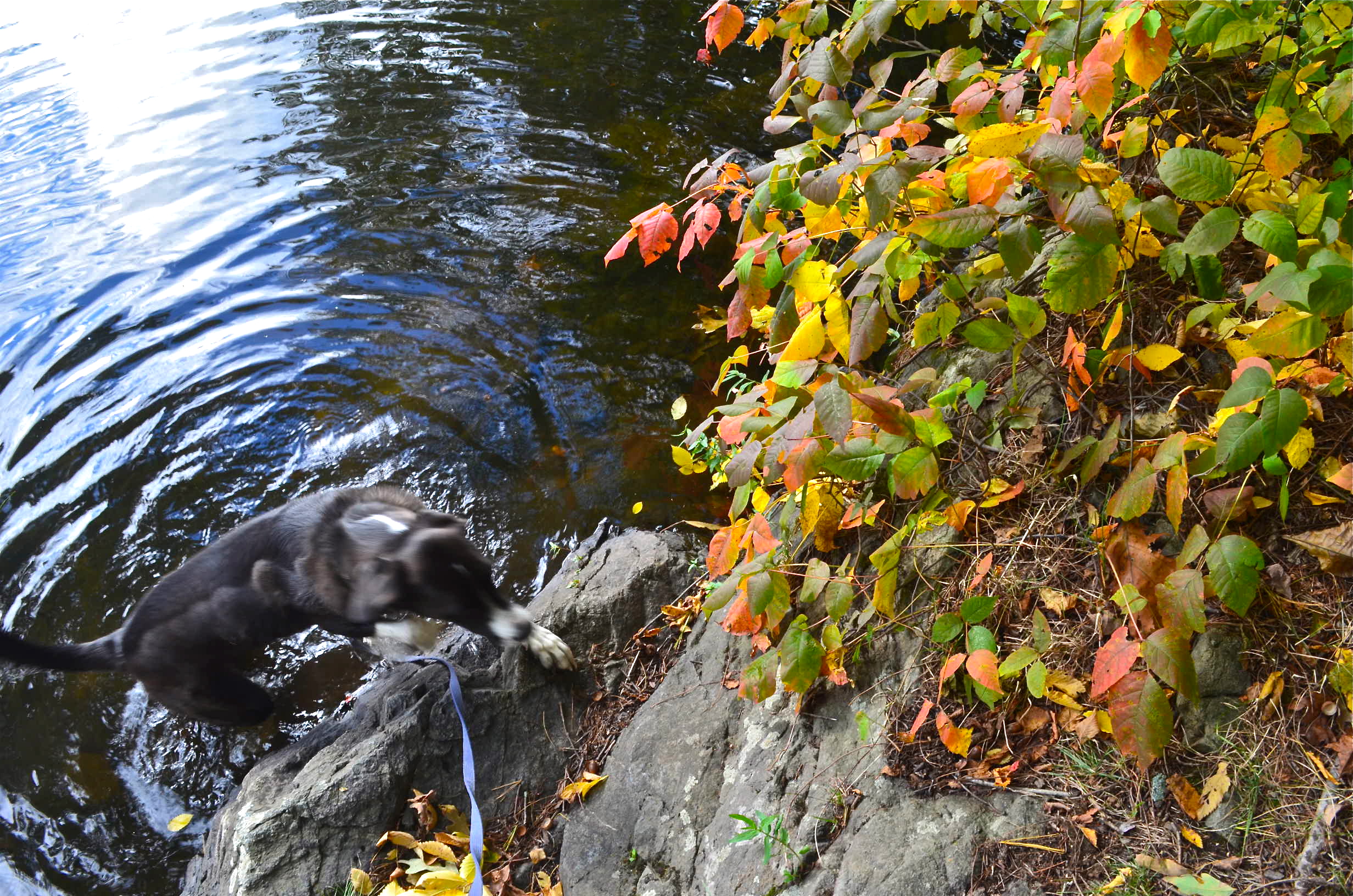
I never got a good shot of the poison ivy when it was in bloom. But now it’s really drawing attention to itself with color. Many songbirds eat the seeds and fruit. Bears, rabbits and deer eat the foliage with apparent immunity–in fact only hamsters and primates are known to have allergic reactions to it! Of course, it is identifiable by its three leaves, regardless of other variables– it can be a shrub, a trailing or a climbing vine. The poison is urushiol, a compound found in the sap. Urushiol oil can still be active for years after the plant is dead, so an old vine is still poisonous. Also, mangoes are in the same family, and people who are sensitive to poison ivy can have a similar reaction to mangoes. Jewelweed is a natural remedy for poison ivy. Native. Virtually unknown in Europe. Anacardiaceae family.

Poison Ivy (Toxicodendron radicans)

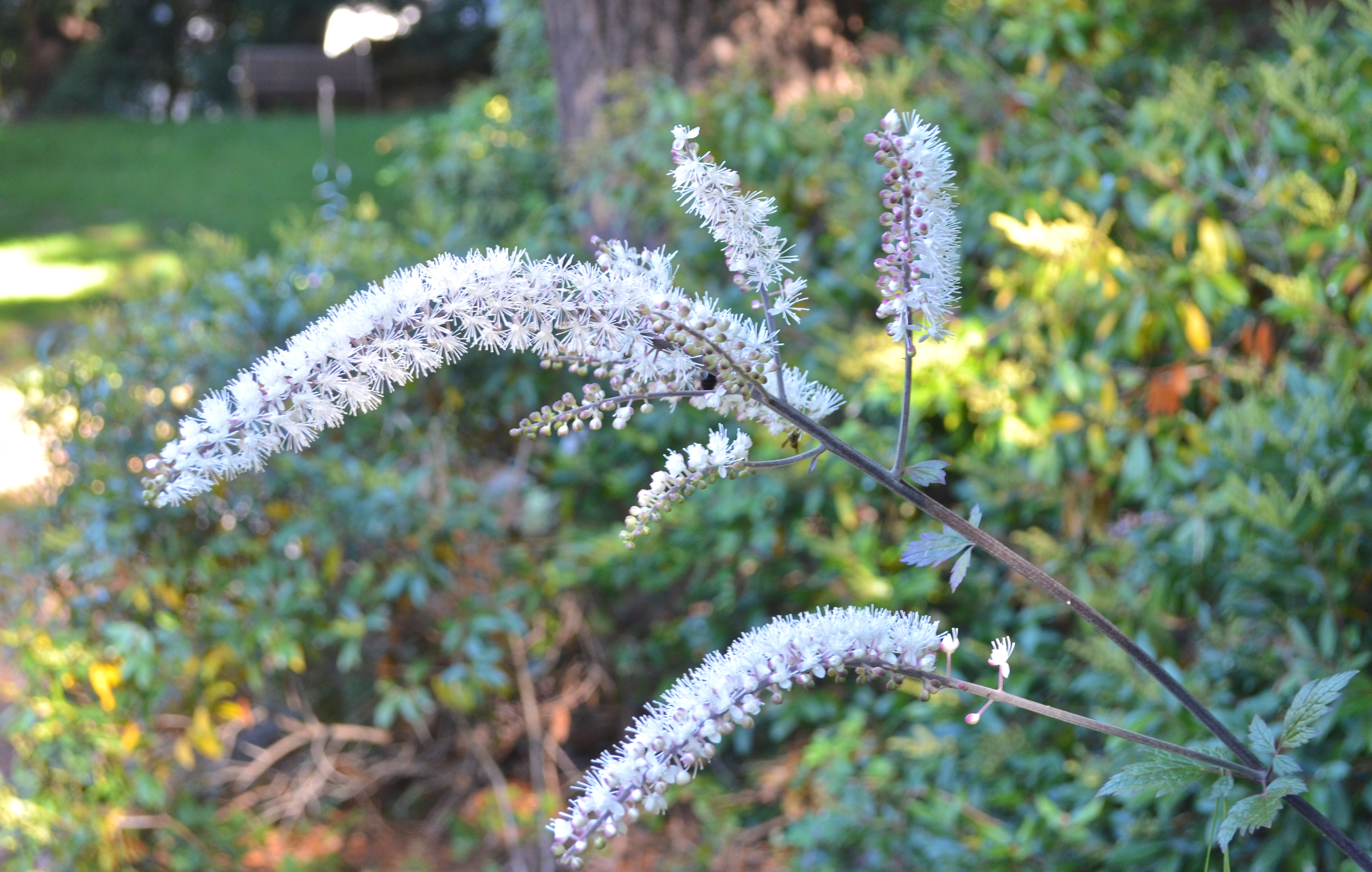
Black Cohosh

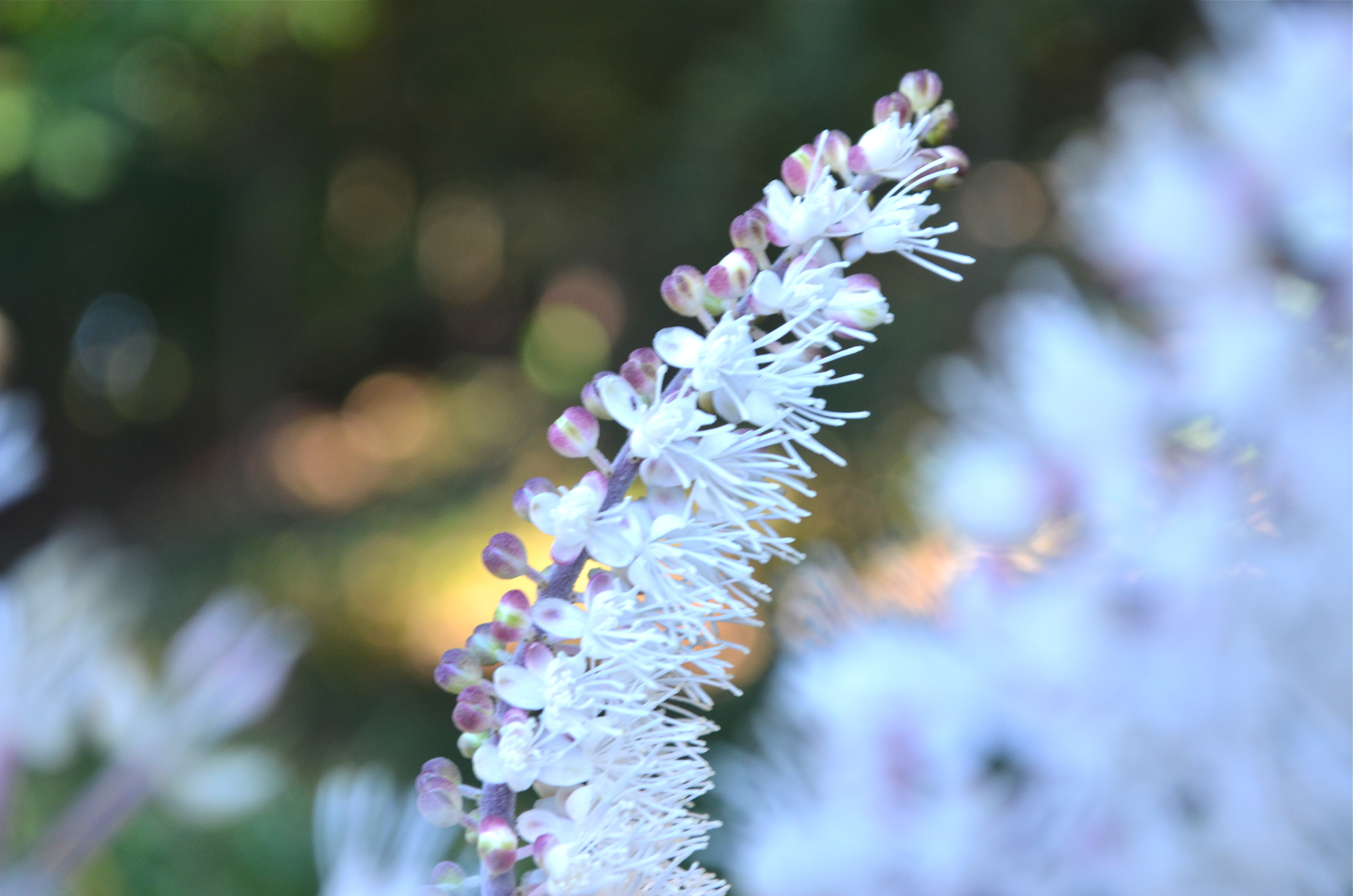
These are tall and beautiful right now. The books say they have a bad fetid smell, but to me it just smells like a sweet floral — very nice today perfuming the air after rain. Up to 8 feet tall. A variety of bugbane. Has long been used medicinally to treat practically everything, and currently is popular for treating problems associated with menopause (but its actual effectiveness is uncertain). Native to eastern North America. Buttercup family.

Black Cohosh, Bugbane, Black Snakeroot, Fairy Candle (Cimicifuga racemosa)

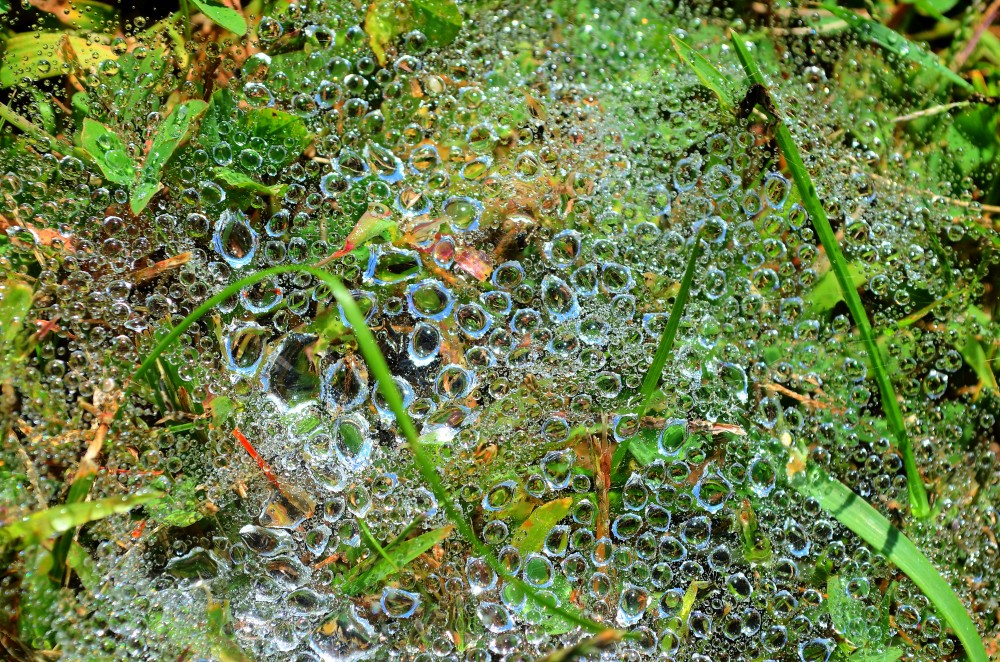
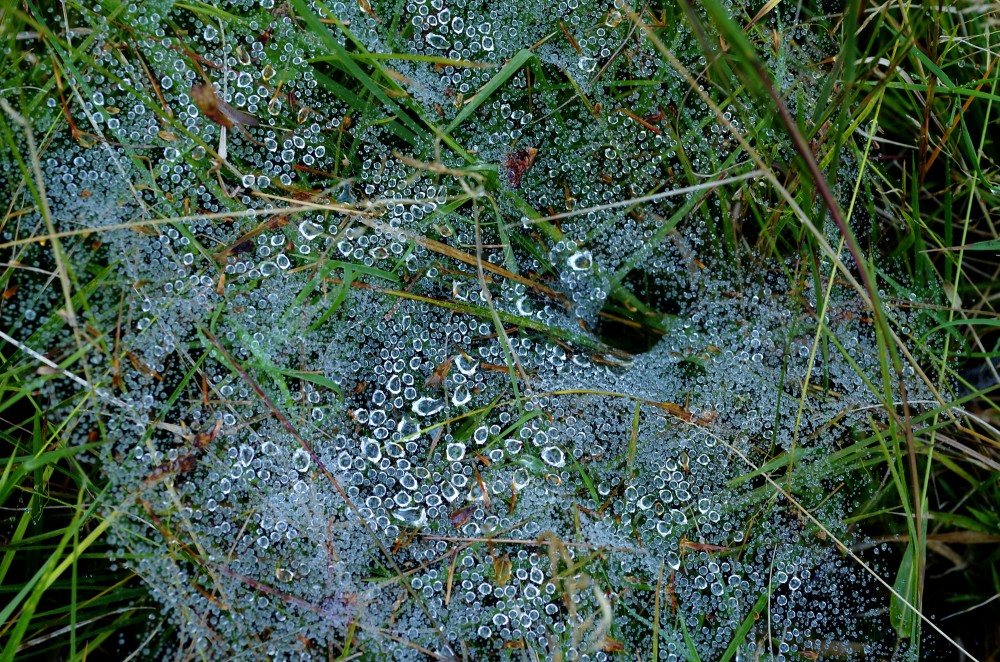
Grass Spider Webs

It looked like someone had too many diamond-studded hairnets, so they had just tossed them all over the grass. Here’s one in sun and one in shade. In the sun one, you can see the sky reflected in the dew. In the shade one, you can see the dark funnel-shaped hole that the spider hides in. Evidently these webs are not sticky, so if anyone (very small) happens on to it, the spider is just very speedy zipping out to grab it. Their bite paralyzes their prey, but their chompers are too small to pierce human skin. Genus Agelenopsis.

Grass Spider

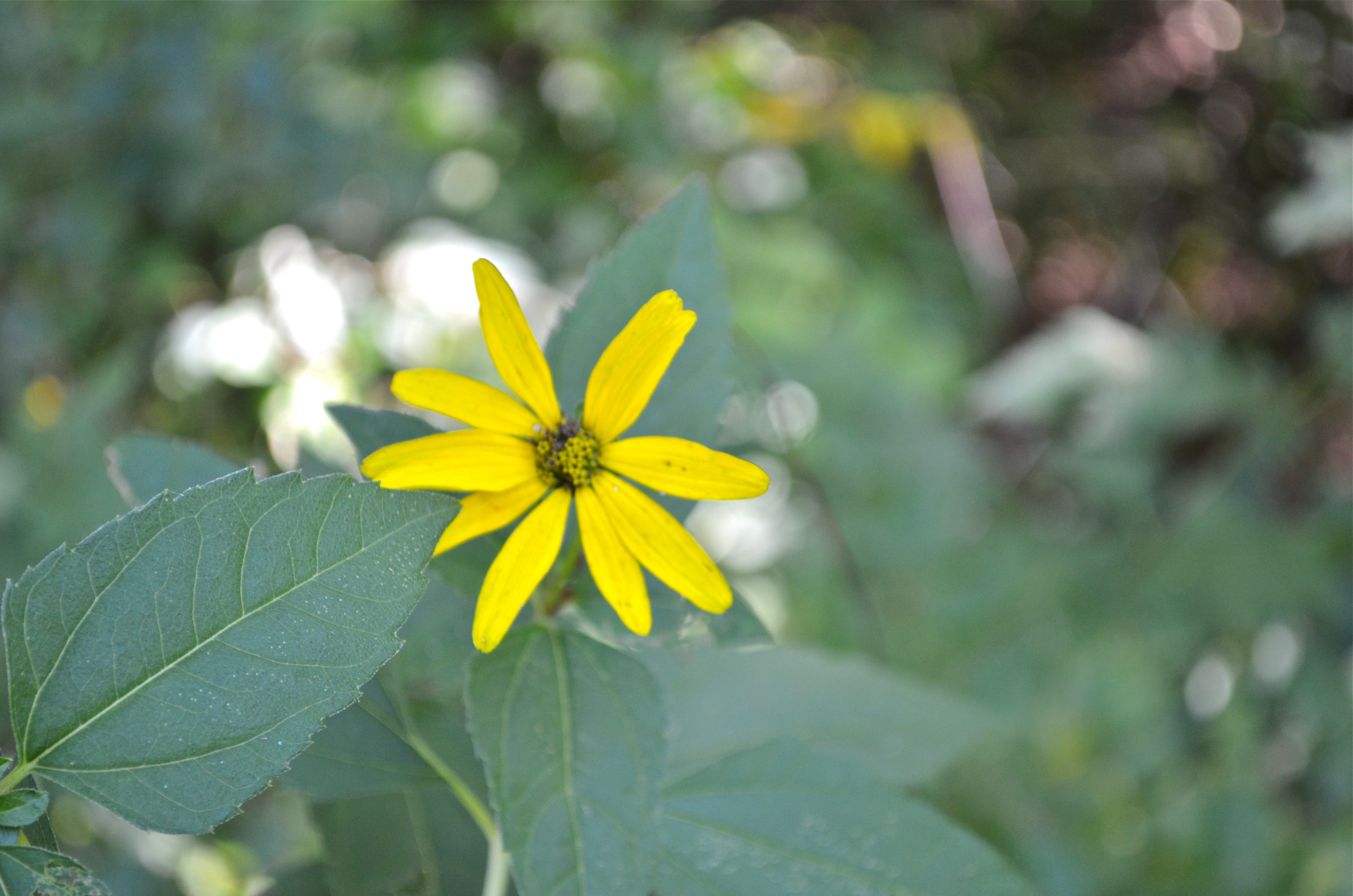
Thin-leaved Sunflower

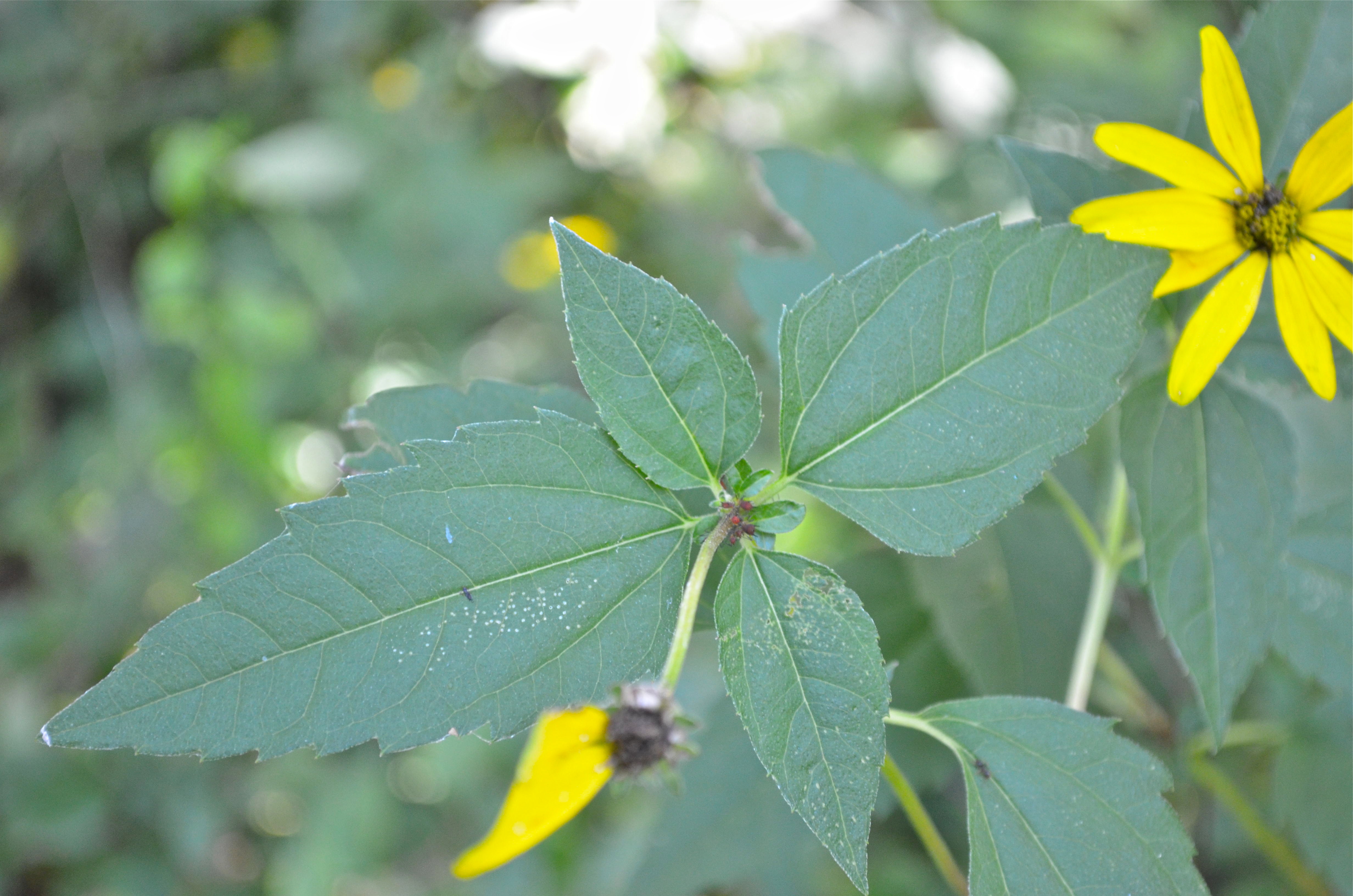
Near the aqueduct bridge. I include the leaf picture to show how much the leaf helps in identification. You can see the leaves are directly opposite each other (instead of alternate). Also they have toothed edges. The really distinctive thing about them is that in addition to that central dividing line (the midrib), they have two prominent veins running somewhat parallel to the midrib. That seems to be a consistent characteristic among sunflowers. This variety is only 2-5 feet tall. Native. Aster family.

Thin-leaved Sunflower (Helianthus decapetalus)

Seaside Goldenrod

Flowers from August through November. Bigger flowerheads than most goldenrods. Aster family. Native.

Seaside Goldenrod (Solidago sempervirens)