Spangle Grass

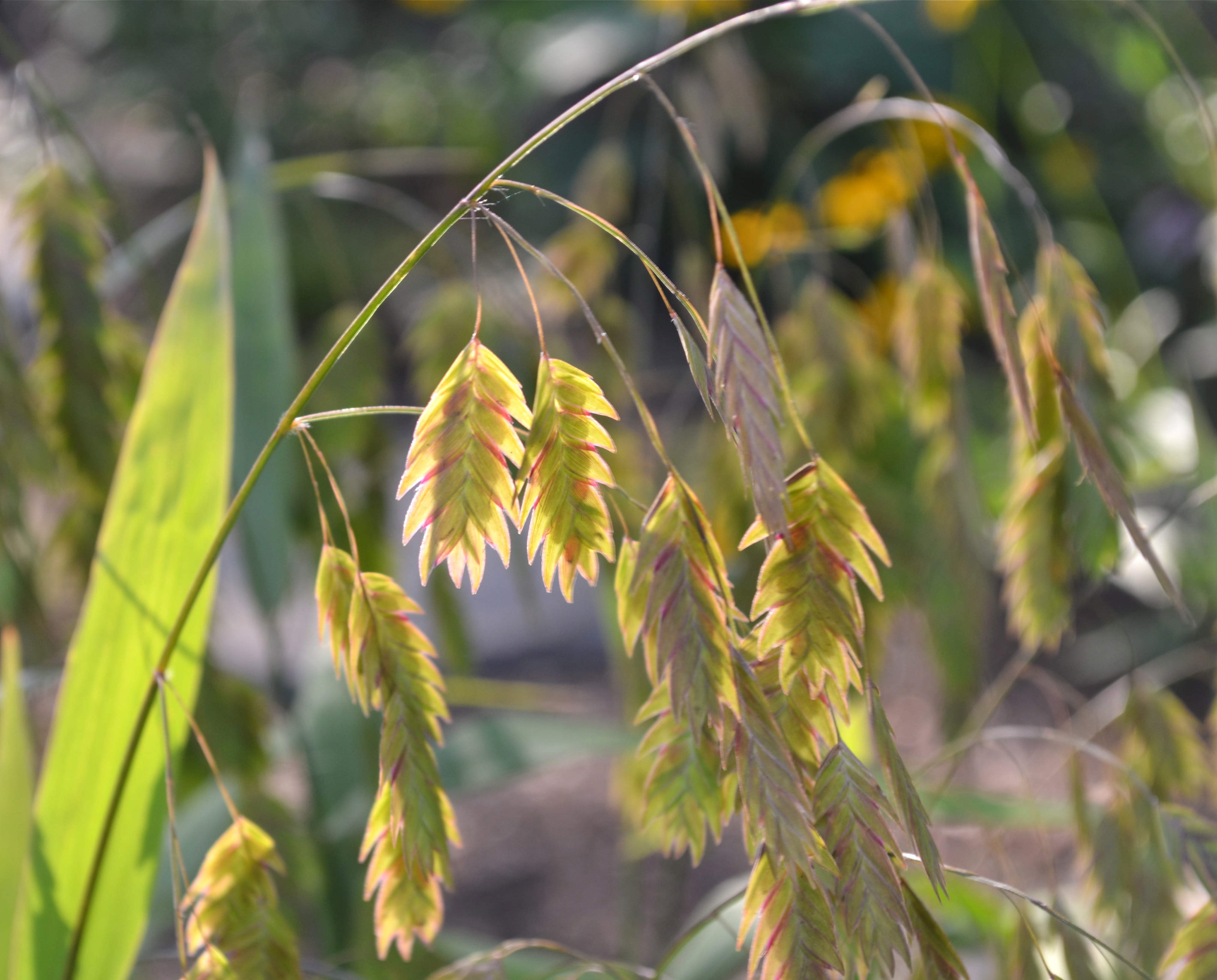
These are the flower heads. They turn bronze in the fall, and yellow in winter. Pretty stuff — can be dried. Note there is a spring flower that’s also called wild oats (sessile bellwort). Native.

Spangle Grass, Northern Sea Oats, Wild Oats (Chasmanthium latifolium)
Thin-leaved Coneflower

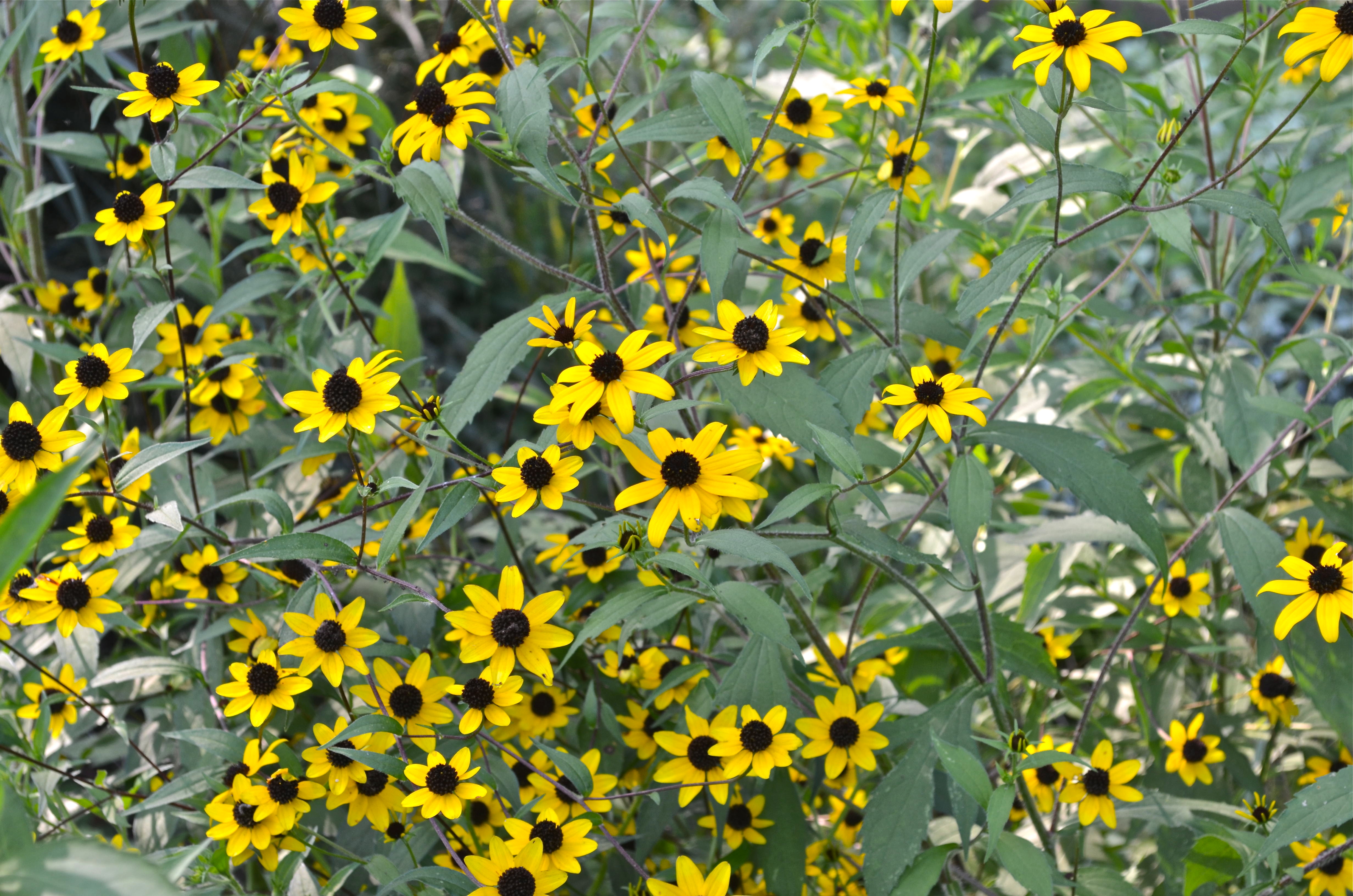
Related to Black-eyed Susan (both a kind of coneflower), but generally with smaller flower heads. Composite family. Native.

Thin-leaved Coneflower (Rudbeckia triloba)

Tall Ironweed

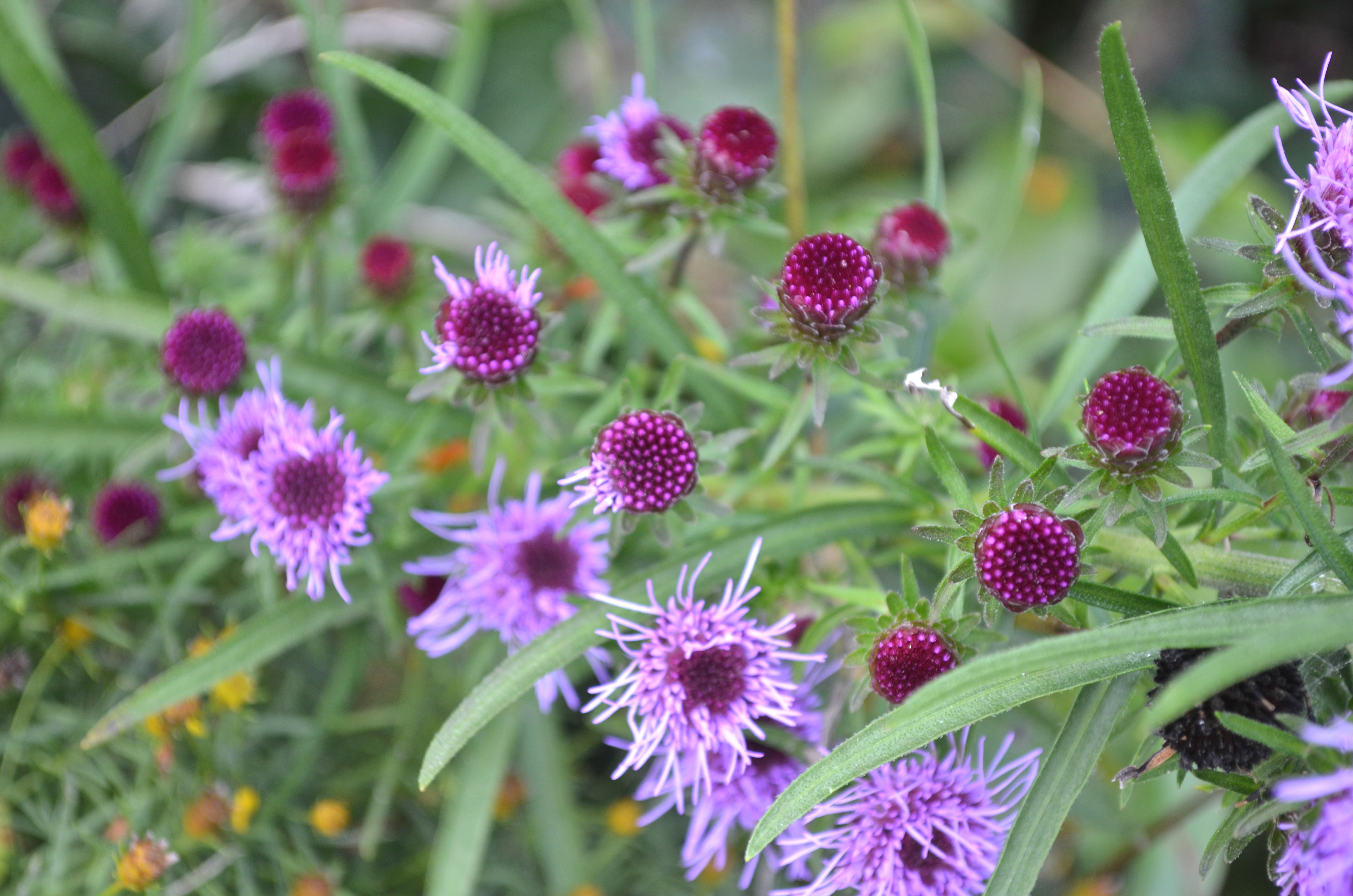
These buds are especially interesting, so densely packed. My sources are conflicting about differentiating between the different kind of ironweed, so I’m afraid this is just my best guess, based on the bract form and leaf shape. (Let’s just enjoy the look of it, whatever it is…) Composite family. Native perennial.

Tall Ironweed (Vernonia altissima)

Blackhaw Viburnum

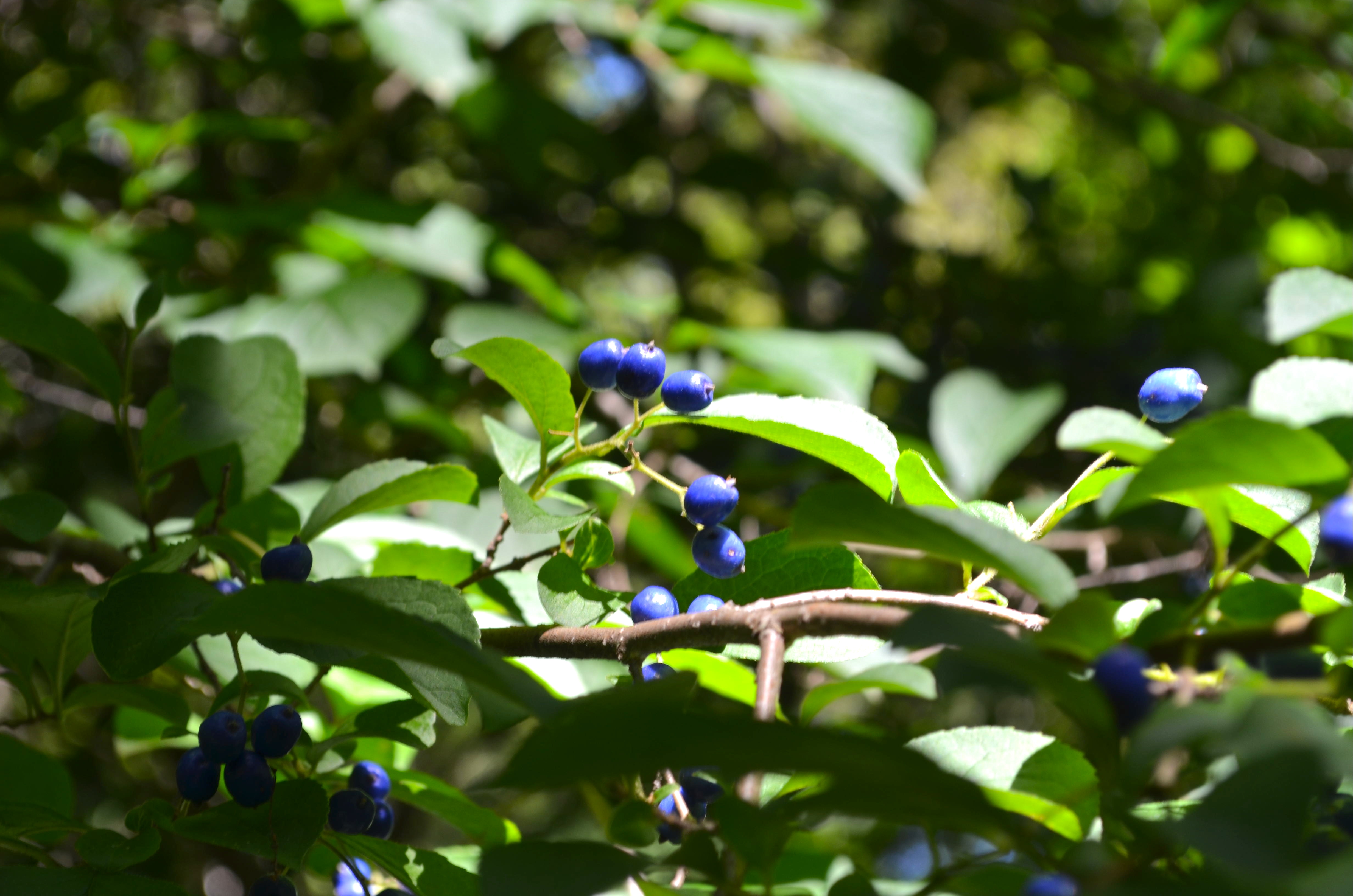
Looking for color wherever it might be—these are a beautiful deep blue. The fruit becomes edible after a frost, and is then eaten by birds. Black Haw has a long history of medicinal uses, mostly for all kinds of women’s issues, primarily to prevent miscarriages and ease menstrual cramps. It’s a decoction of the bark that is used—it contains a chemical relative of aspirin as well as other active components. However it is not “recognized as safe” by the FDA. Adoxaceae family. Native.

Blackhaw Viburnum, Sweet Haw, Black Haw, Stag Bush (Viburnum prunifolium)

Eastern Wahoo

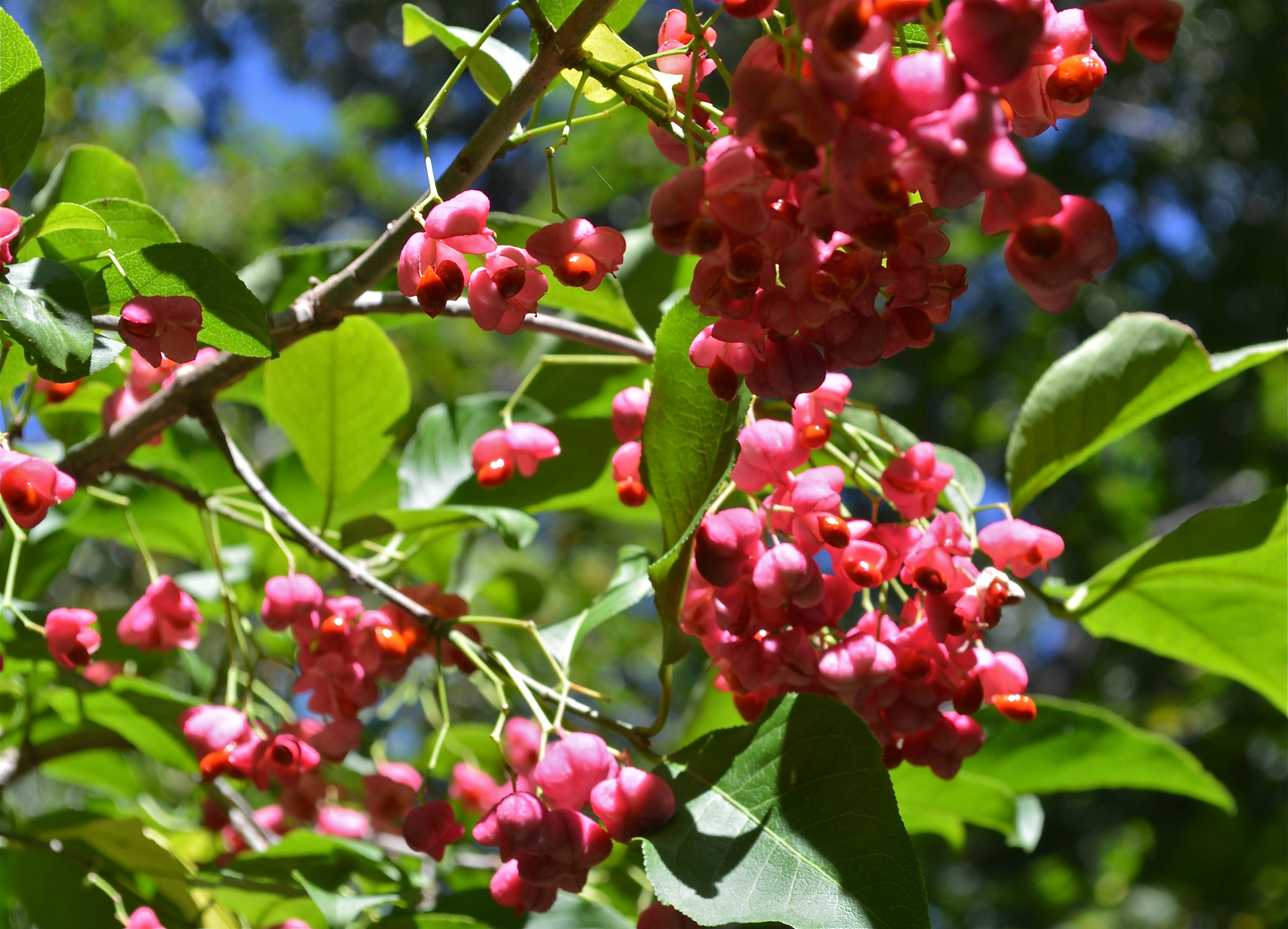
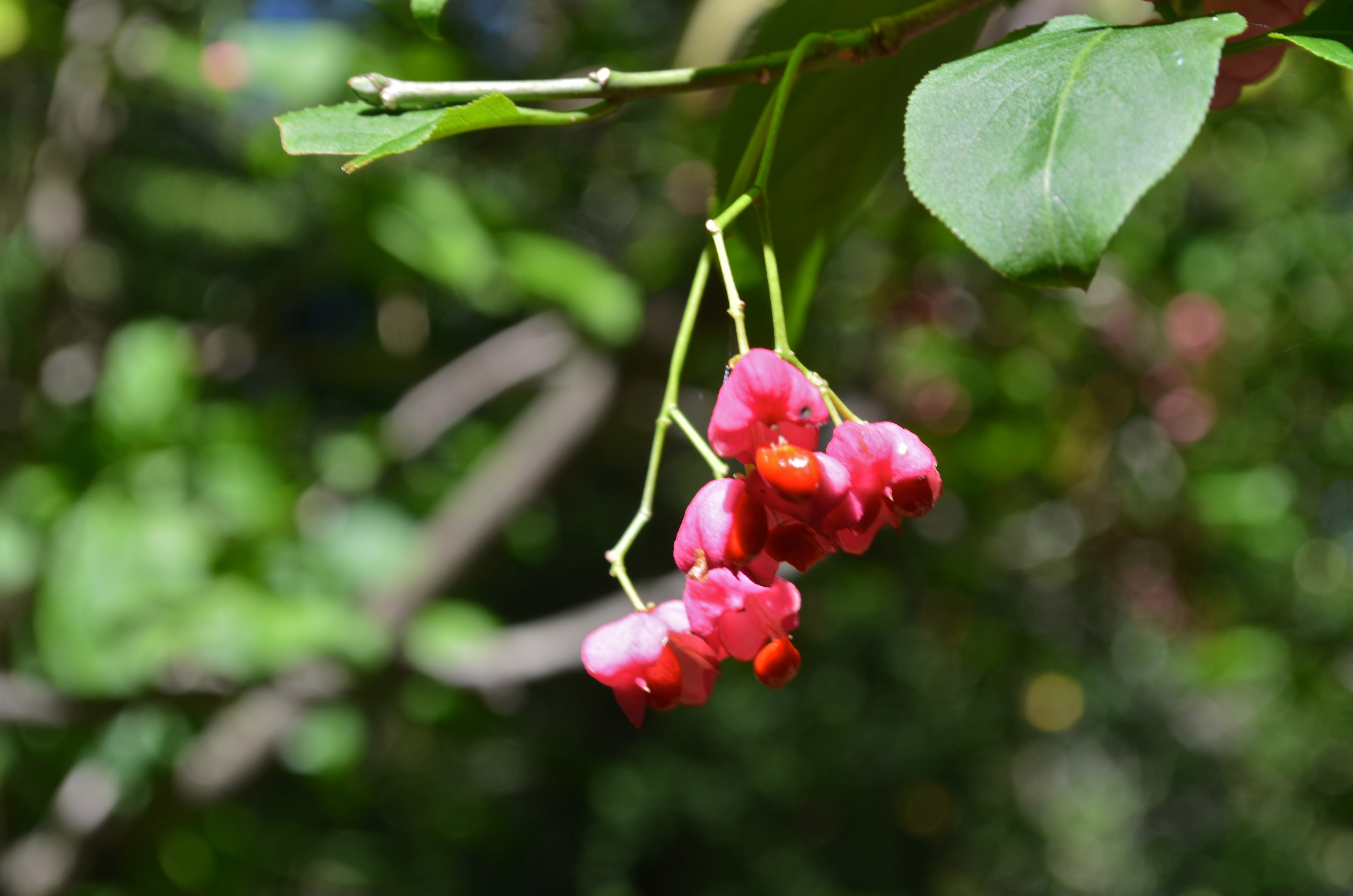
I had a hard time identifying this flowering tree, and I know you think I gave up and made up a name, but no, really, it’s an Eastern Wahoo! In late spring it has a purple flower, and now it has these red four-lobed fruit capsules that open to expose the seeds. It’s really beautiful and showy. Why haven’t people planted it everywhere? Where can I put one? Bittersweet family (which explains why the part opening to reveal the seed looks so similar to bittersweet). Native.
Eastern Wahoo, Burning Bush (Euonymus atropurpureus)

Wreath Goldenrod

A.F. Irit thought this would make a good wreath, and that turns out to be the name of this goldenrod, one of the few varieties that has the flowers in clusters near the stem like this, and not in terminal clusters. You can see that the stem is blue-gray, inspiring the other name. Native.

Wreath Goldenrod, Blue-Stemmed Goldenrod (Solidago caesia)

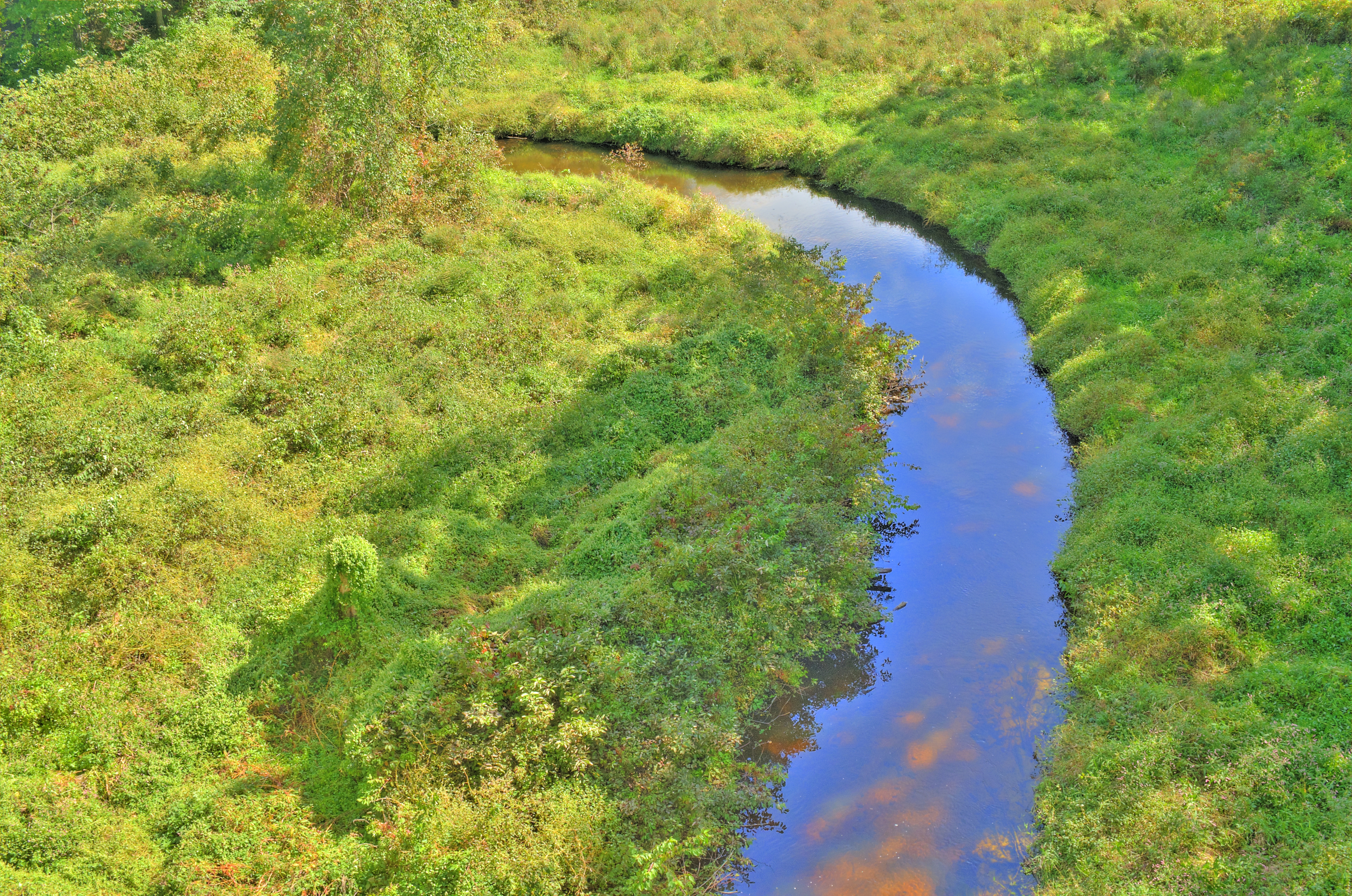
Bonus pictures: this plant is near a high aqueduct bridge which overlooks a tributary to the Charles River. The bridge is covered with graffiti…


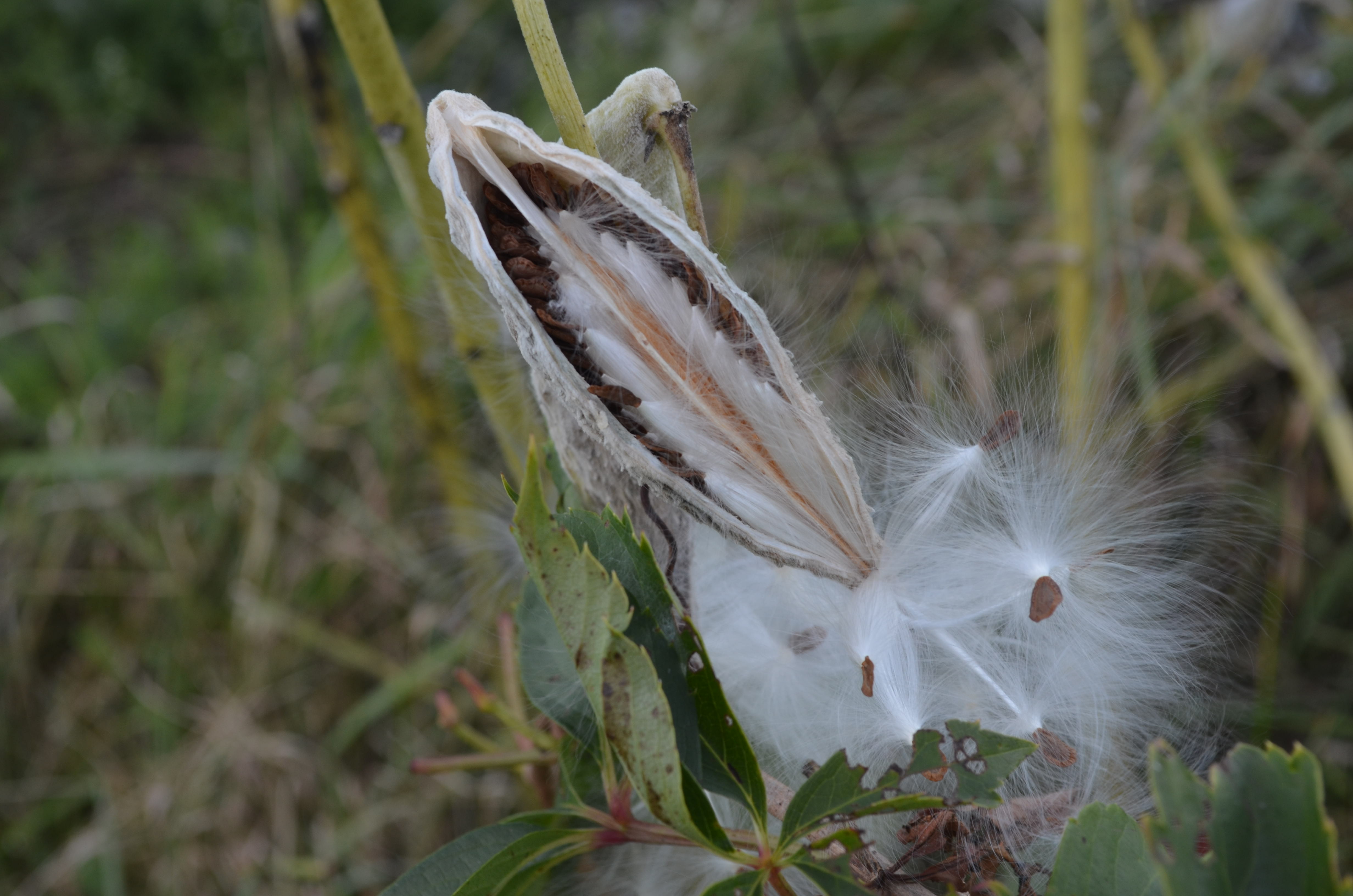
Milkweed seeds

The milkweed is moving on to seeds. The pods are splitting and spilling. This great meadow is full of milkweed, but I never noticed any monarch caterpillars or chrysalises…

Wasp Nest

Nestled in the spurge and poison ivy, a cozy wasp nest. There are two categories of wasps: solitary and social. The singletons don’t construct nests, and they’re all fertile. The socials live in colonies with thousands of their buddies and often only the queen and males are fertile; the rest are sterile female workers. Also, most wasp species are parasitic; i.e., they lay their eggs directly into the body of a host insect. Ew.

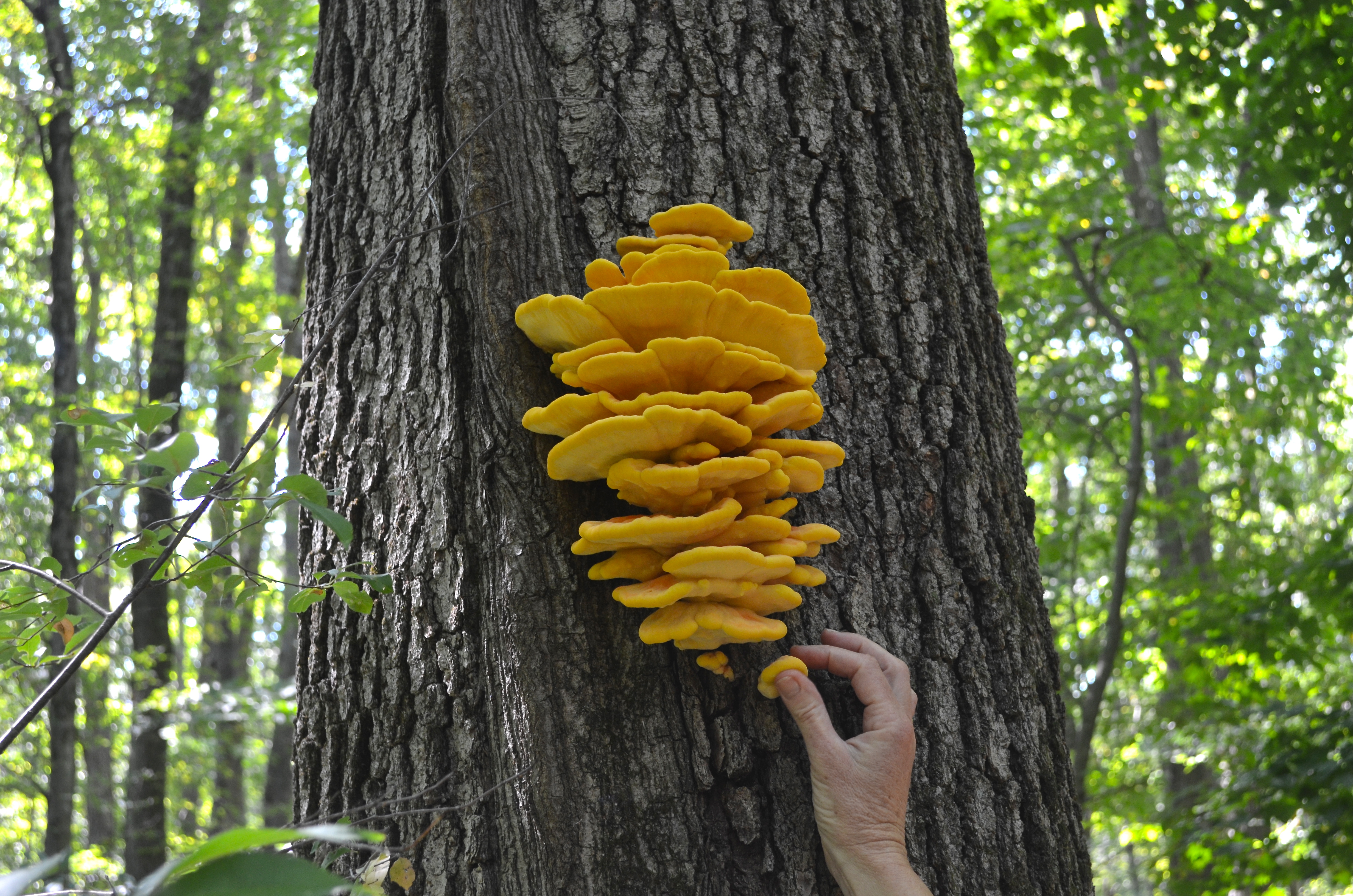
Chicken Mushroom

I think we have already included this kind of fungus (Sulphur Shelf), but this is a nice example. Now Irit and I always test-feel them! Cold! Clammy! Edible but no thanks!

Chicken Mushroom (Laetiporus sulphureus)

Rugosa Rose

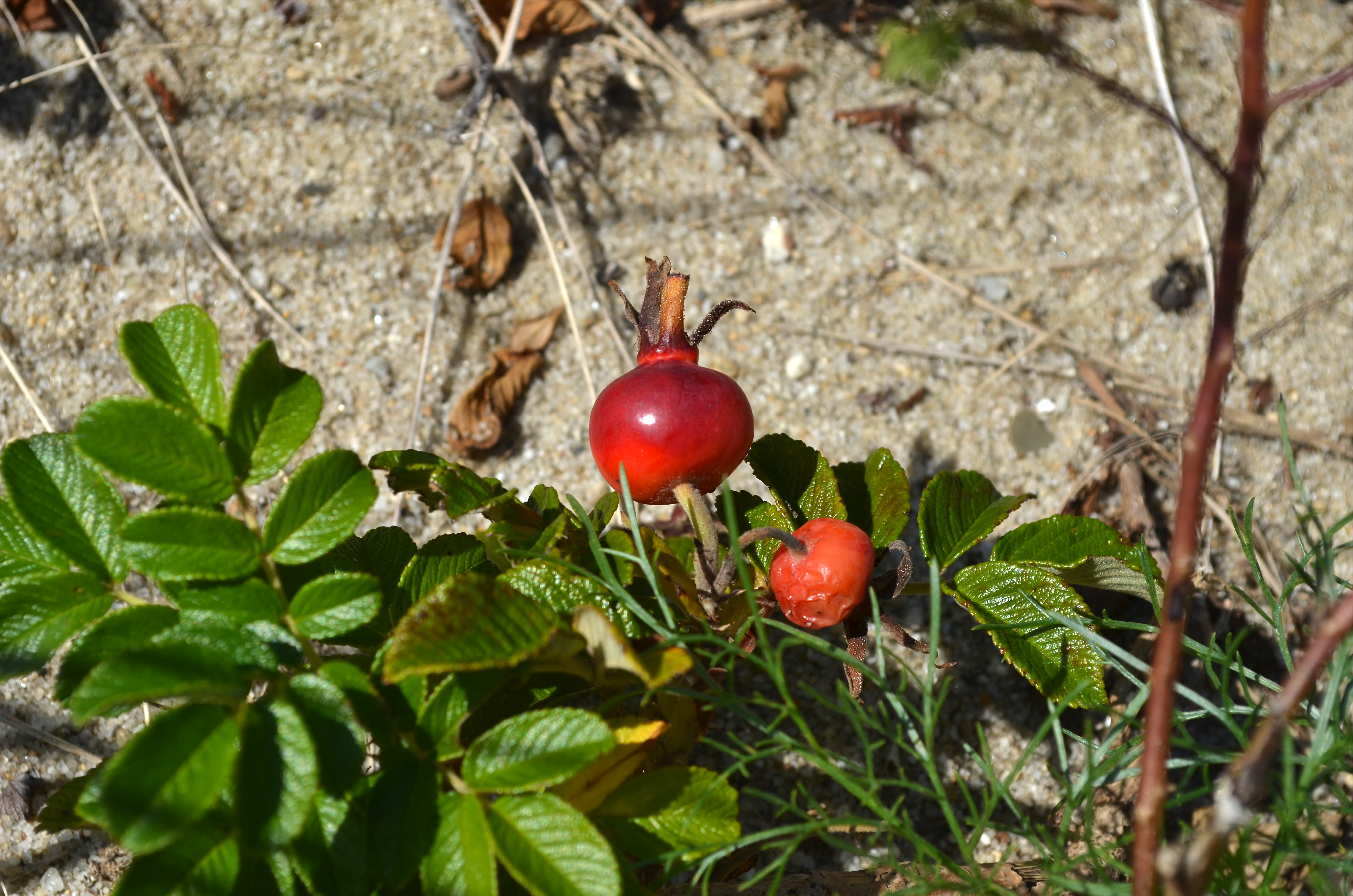
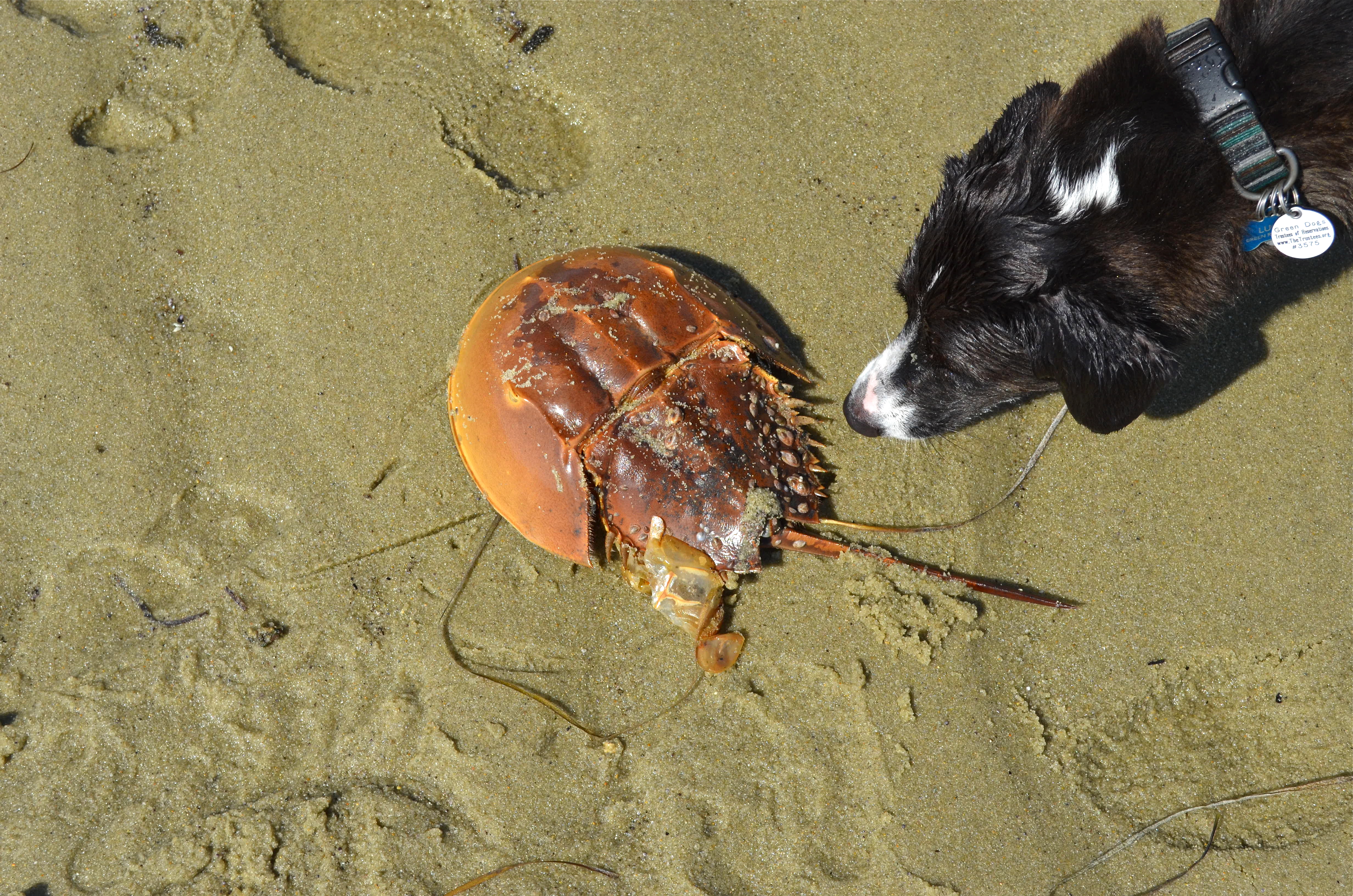
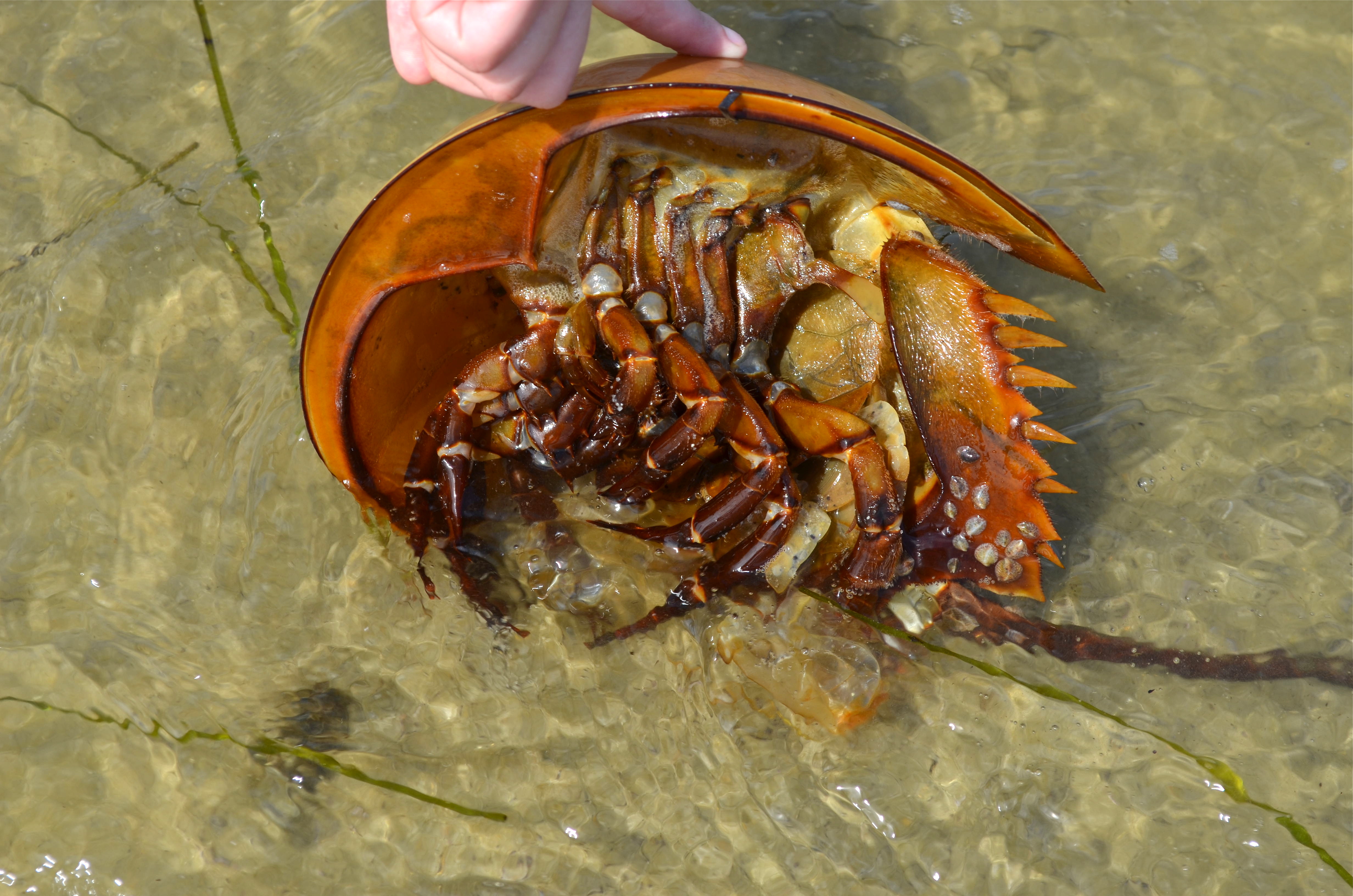
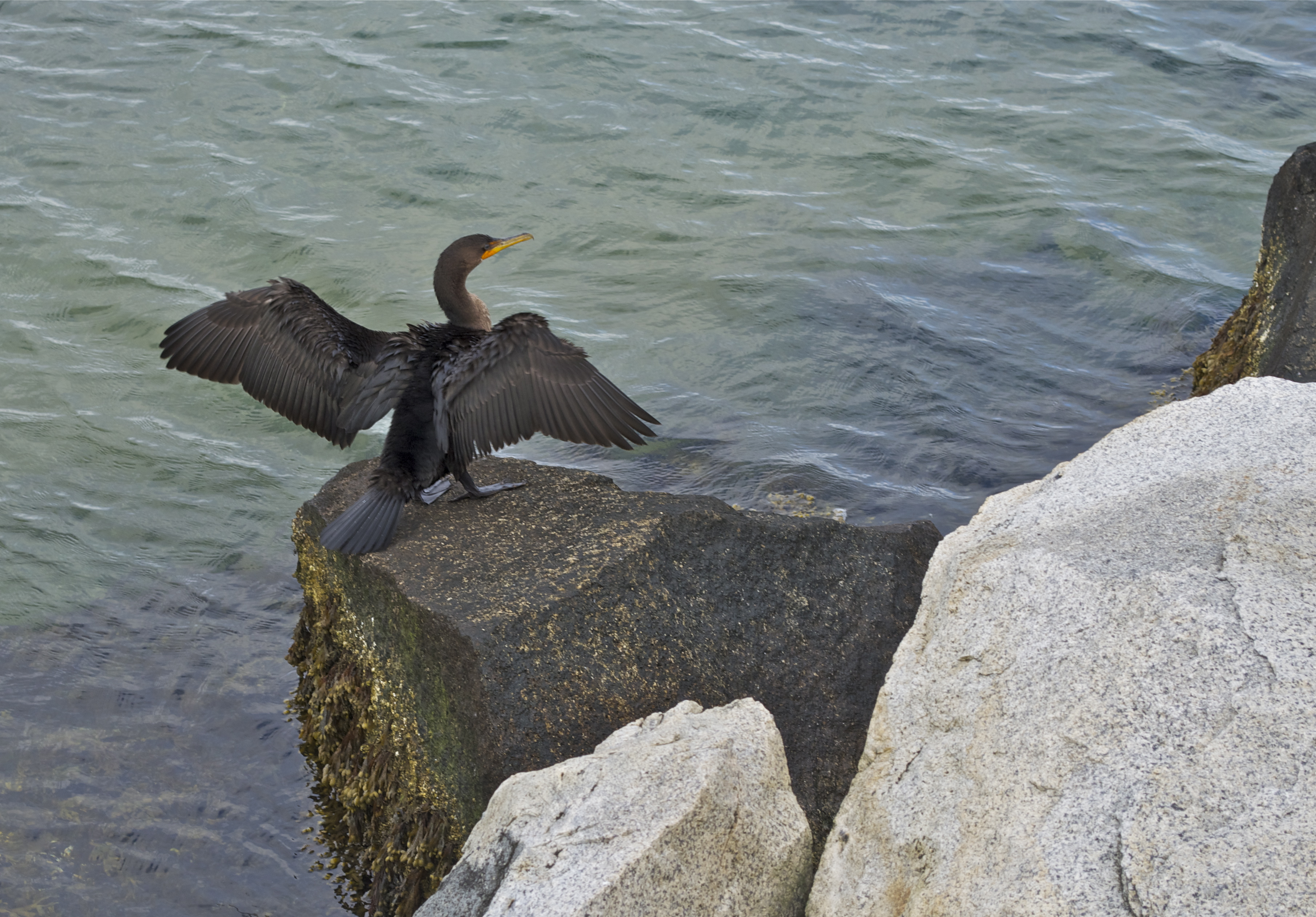
We went to Provincetown, not too long a drive away, but a whole new ecosystem where the very air announced you had arrived somewhere different. Here’s a native rose, and a few other things — a horseshoe crab seen at low tide, a cormorant drying its wings between dives. Rose family. Native to Asia.

Rugosa Rose (Rosa rugosa)