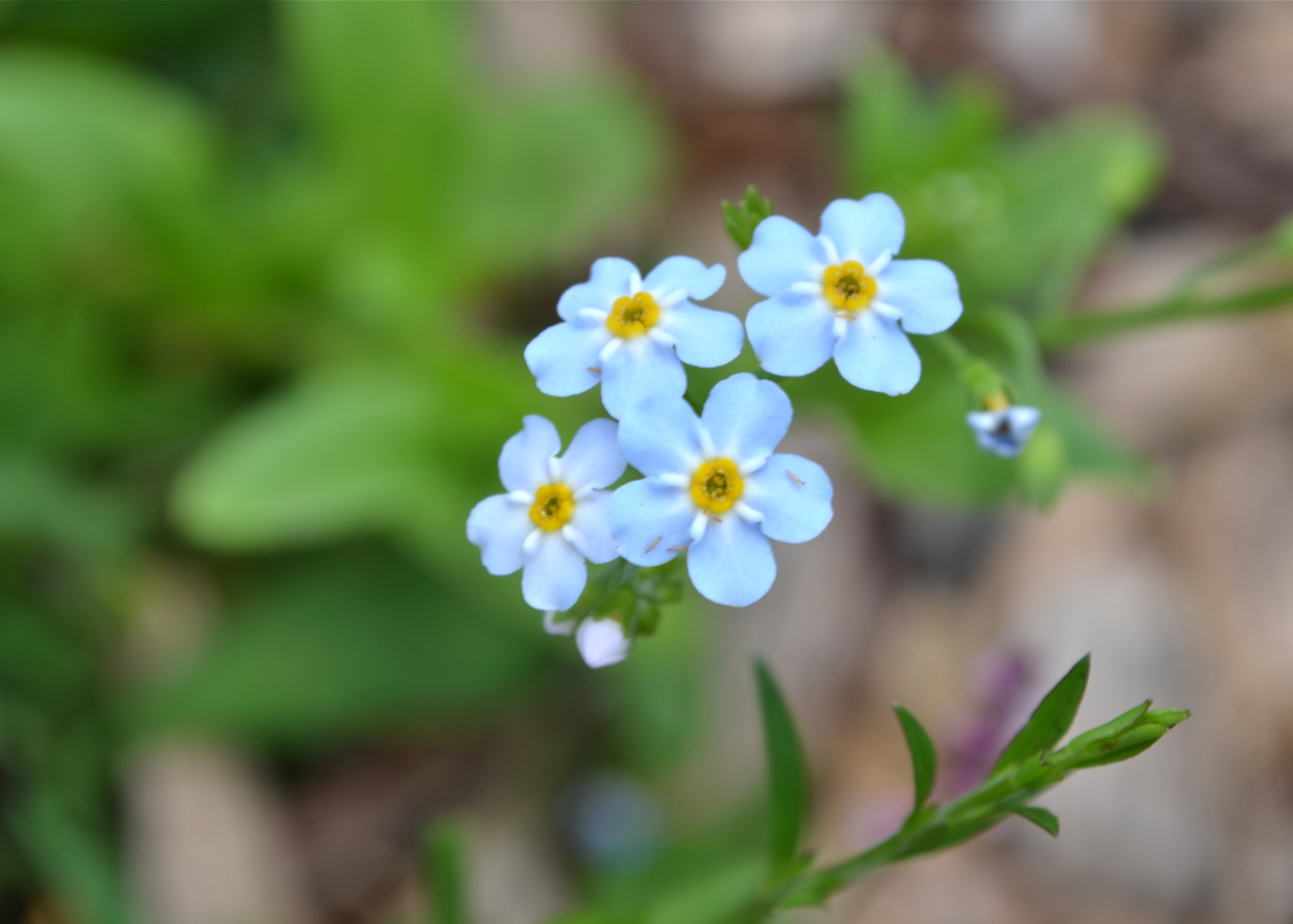
Grows in bogs and near water, blooms til first frost. Beautiful. Notice how the petals are not separate, but kind of pleated. Borage family. Native to Europe and Asia.
True Forget-me-not (Myosotis scorpioides)
Grows in bogs and near water, blooms til first frost. Beautiful. Notice how the petals are not separate, but kind of pleated. Borage family. Native to Europe and Asia.
True Forget-me-not (Myosotis scorpioides)
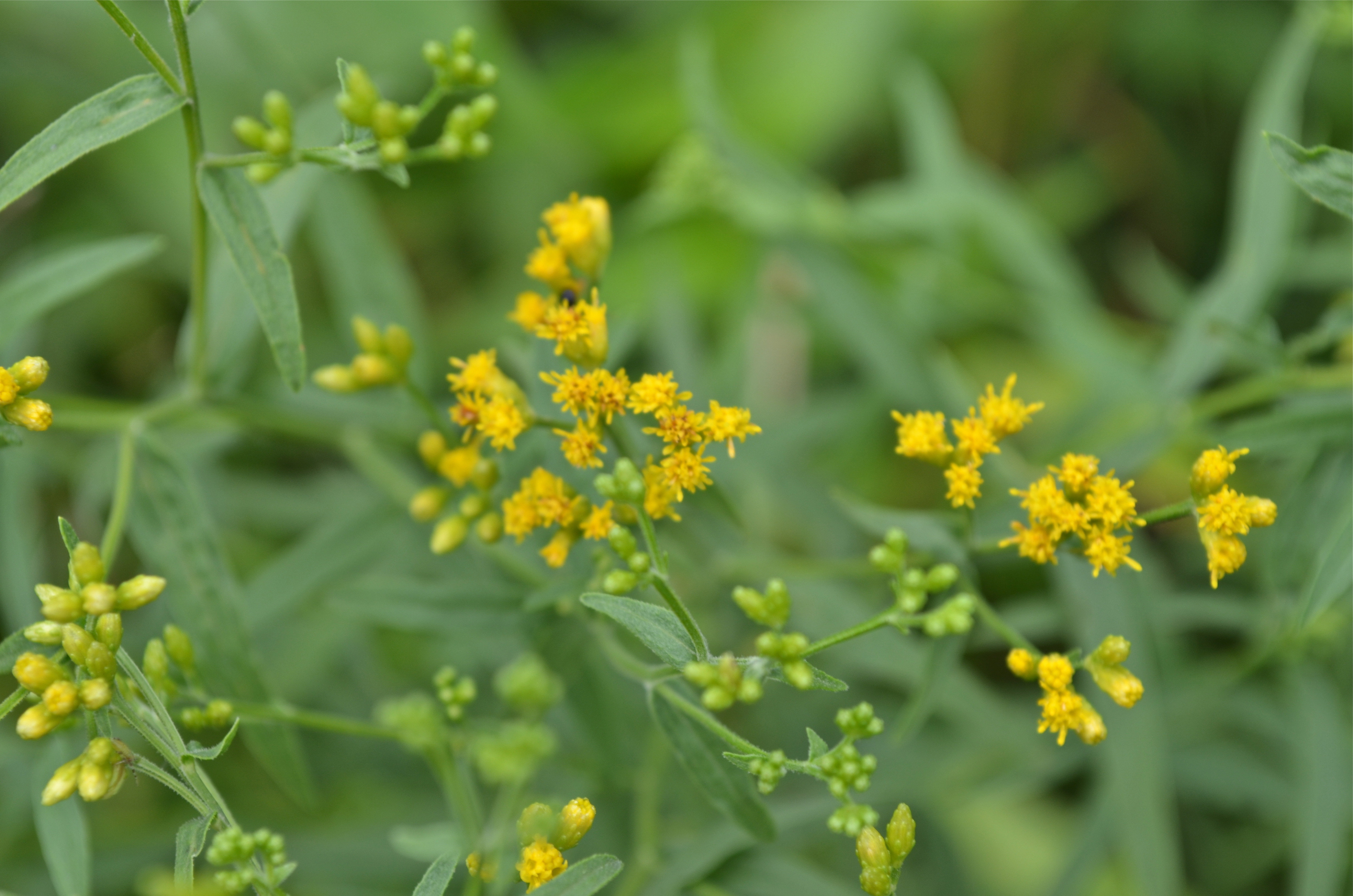 Growing at water’s edge at Longfellow and at the Needham Town Forest. Blooms late summer through fall. Aster Family. Native.
Flat-top Goldenrod, Grass-leaved Goldenrod (Euthamia graminifolia)

I need enhanced macro power! Anyway, thanks to A.F. Donna for suggesting I check out Longfellow Pond. There are several new finds there. This is swamp milkweed—the flower clusters are not as spherical as common milkweed, and the color is brighter. Has specialized roots for swamp living. Attracts Monarch butterflies.
Swamp Milkweed (Asclepias incarnata)

A modest little aster by the trail. Not too many new blossoms back in the woods…
Long-stalked Aster (Symphyotrichum dumosum)
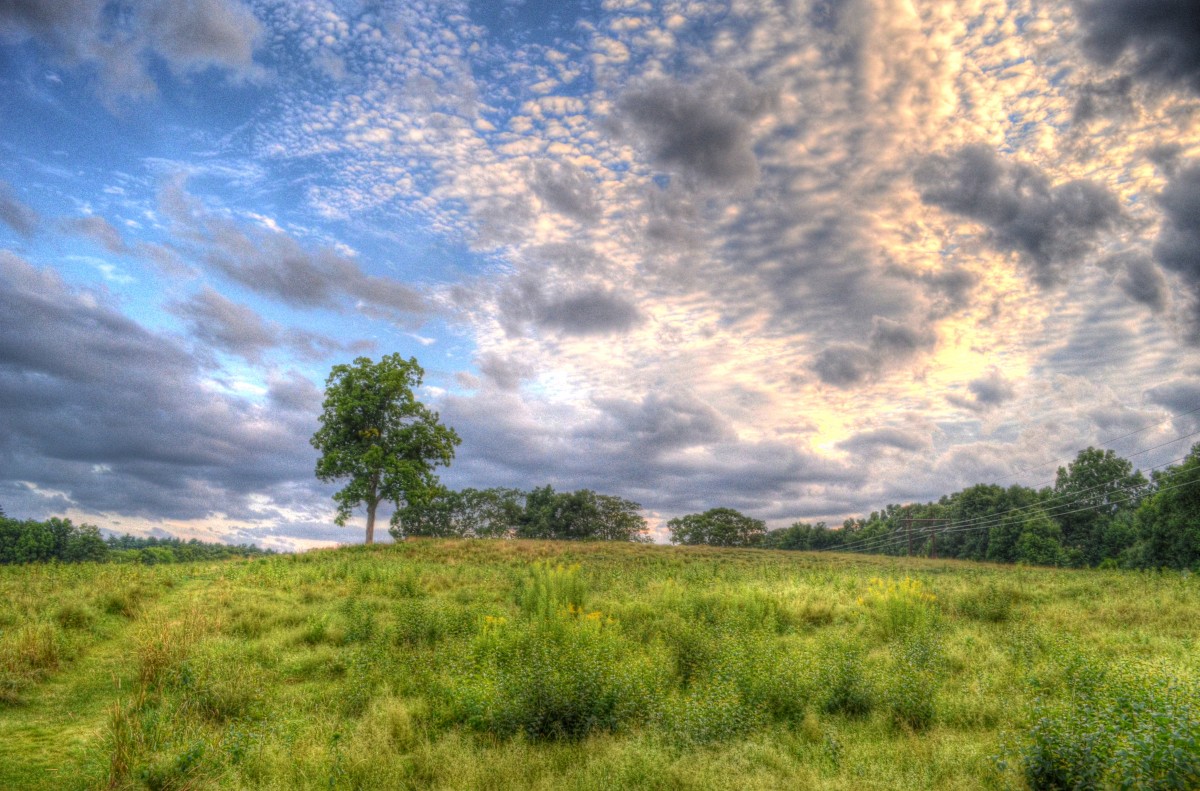
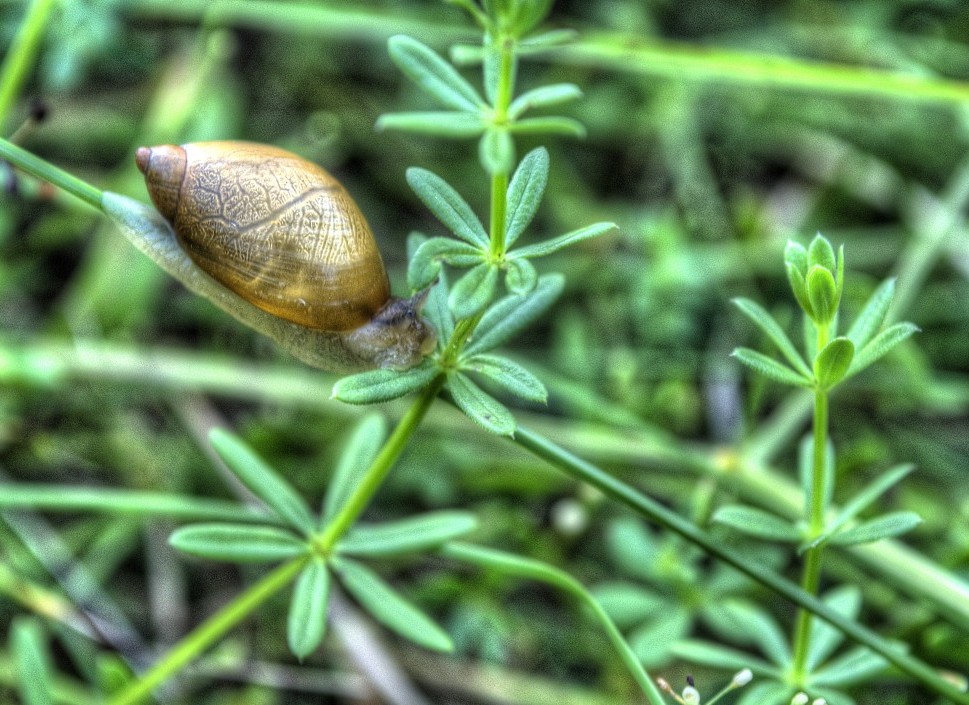
Here are two HDR shots by A.F. Aaron, where I was only the art director (and HDR technician). The meadow at Charles River Peninsula — a shagbark hickory at the top of the hill and lots of bedstraw, madder, milkweed, clover and cypress spurge. And a snail on the bedstraw. It’s an Oxyloma retusa, a tiny land snail with some sort of topo map on its shell.
I took a walk here that was so fascinating, new things revealing themselves… and later read a blog entry at happiness-project.com (July 13, 2012) that made a lot of sense to me: “Recently, I noticed a pattern among activities that people find fun: Go on a mission. There’s something about having a playful purpose, of trying to achieve something, that makes an activity more fun. For example, a friend told that she loved visiting flea markets and antique stores to look for old globes – not fancy ones, cheap ones. She has a rule that she’ll never pay more than $20. She’s the kind of person who loves poking around in those kinds of shops in any case, but having a mission makes it more fun, less aimless….. Taking photos is a common way to incorporate a mission into traveling. Not only does this help keep memories vivid, it also makes you more attuned to your environment while traveling.” Anyway. It’s funny how this project has transformed my perception of our walks — What will I find?!
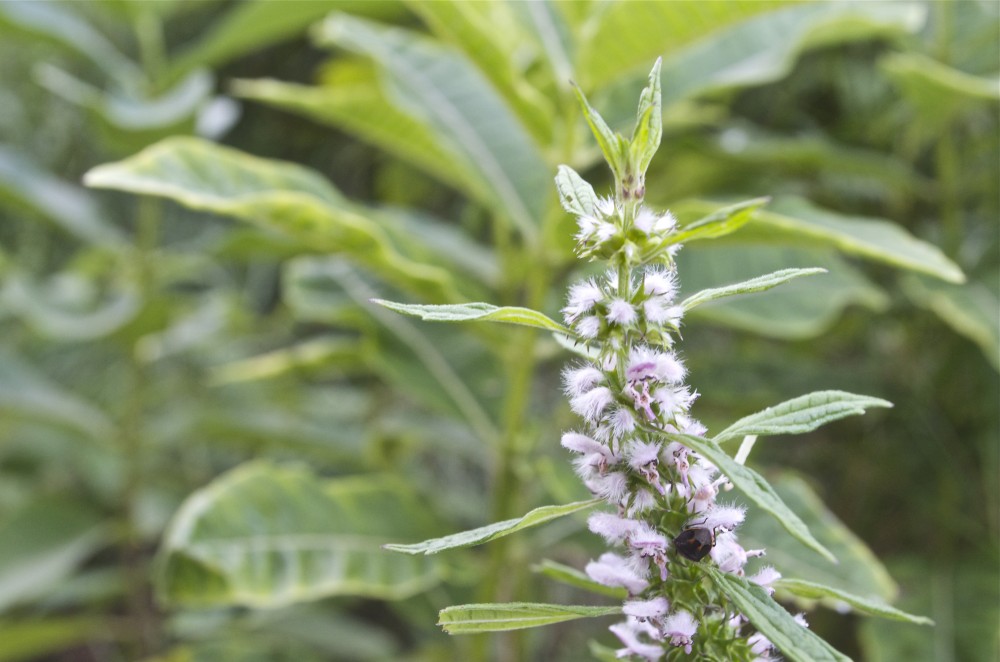
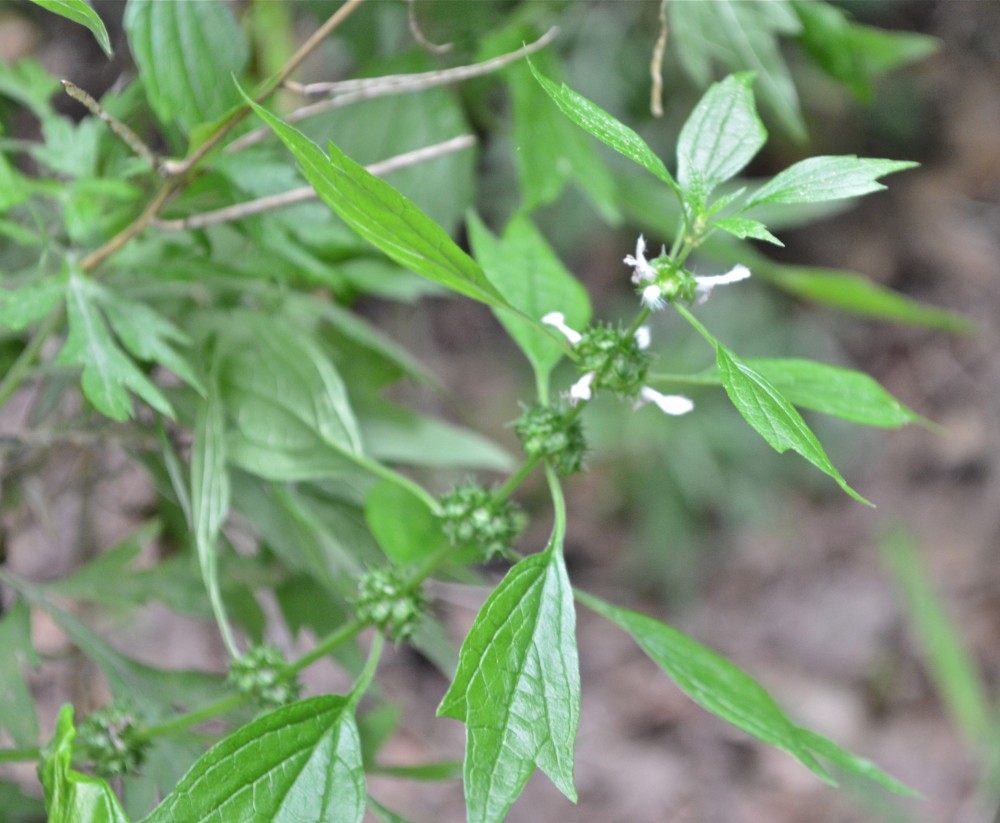 One blooming at Charles River Peninsula, and one just getting started at Wilson. Furry little things. Was used by midwives to prevent uterine infection and for other pregnancy-related issues; that’s how it came to be called Motherwort. Mint family. Originally from Central Asia but widely distributed due to its medicinal uses.
Motherwort, Lion’s Ear, Lion’s Tail (Leonurus cardiaca)
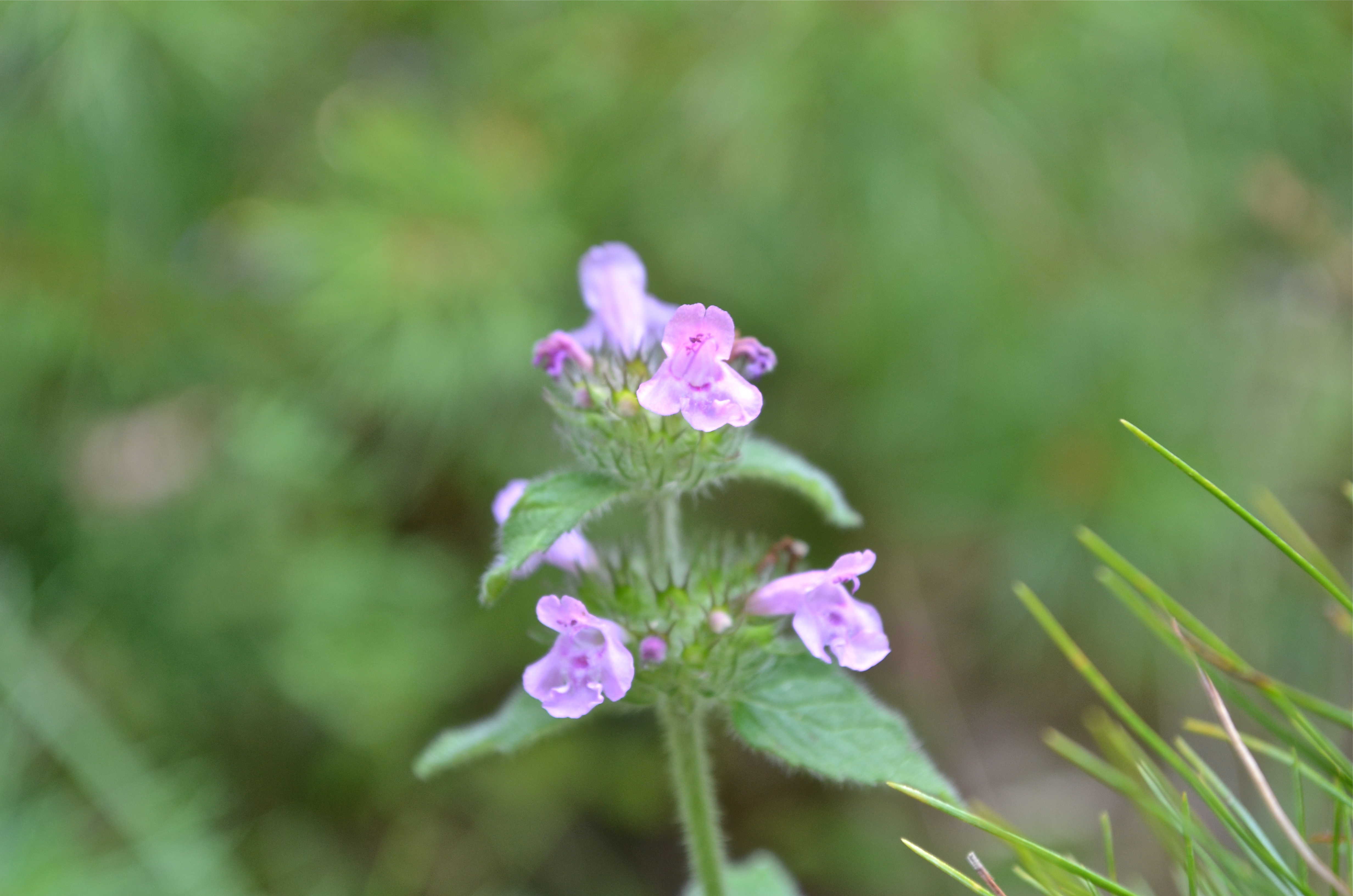
In a clearing at Noanet with asters and indigo. The dried leaves are milder than commercial basil. Looks a little like Self-heal, but on these, the top petal flips up, and in Self-heal that top petal flips downward. Mint family. Native.
Wild Basil (Clinopodium vulgare)
 In a dry clearing at Noanet. Aster family. Native.
Toothed White-topped Aster (Sericocarpus asteroides)
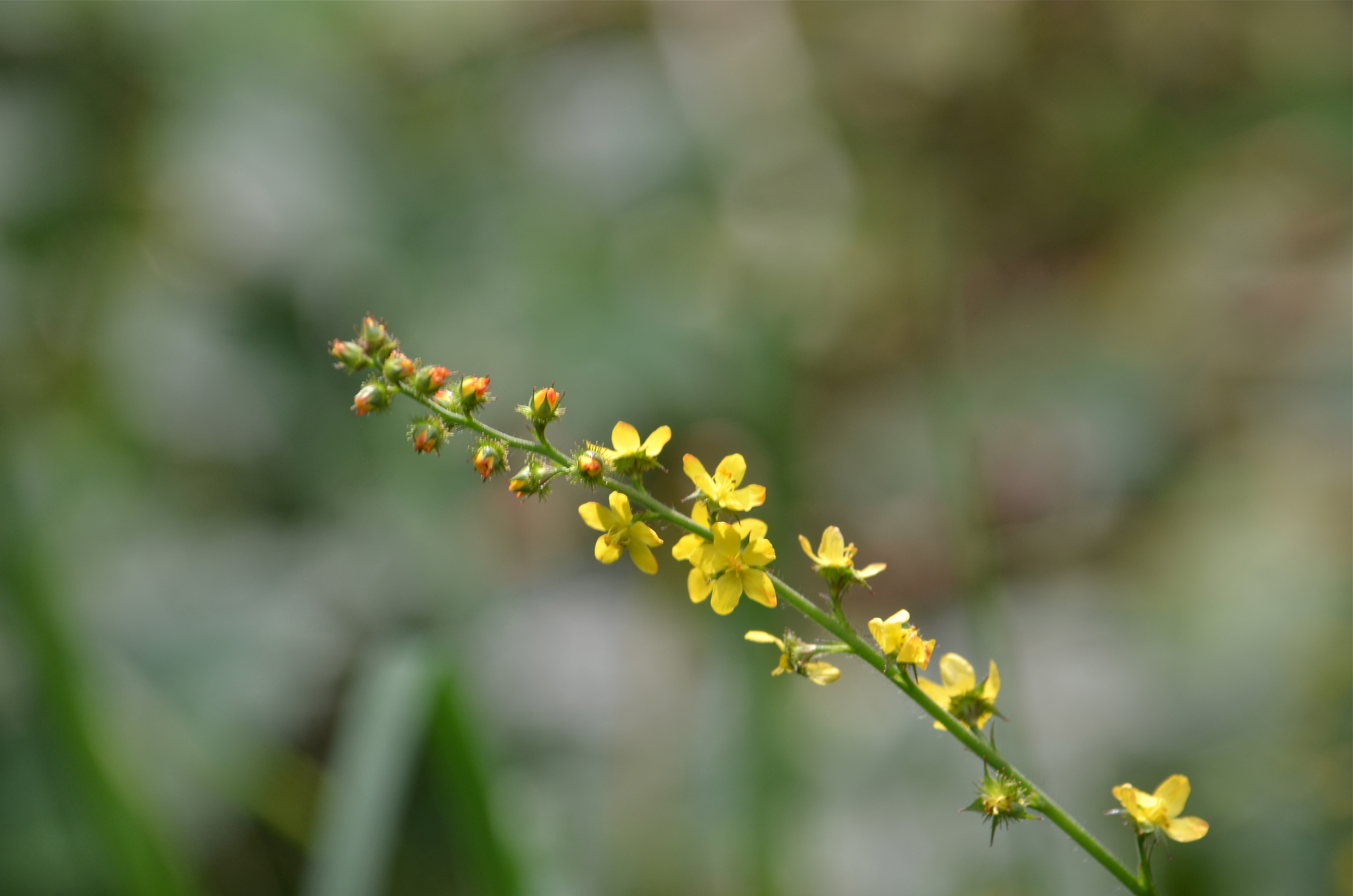
Spikes of yellow flowers and toothed divided leaves with 5 leaflets. This is one of those herbs with a long recorded history of medicinal use, from ancient Greece through the Middle Ages in Europe, and was prescribed for ailments on this continent into the 19th century. A bit of folklore: if you hold it over someone’s head, it will induce a deep sleep until you take it away… Rose family. Native.
Agrimony (Agrimonia)
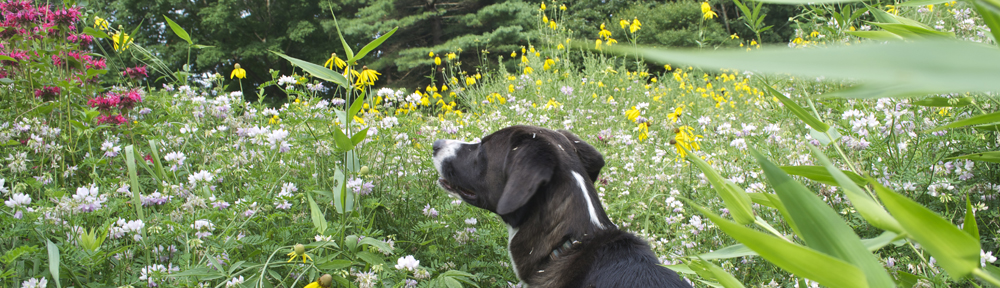
Bonus photos for A.F. Marilyn, who likes a little context with her wildflowers. This park has 6 meadows with bits of woods separating them (for the most part), and they all serve up different flora. Here is one of them:

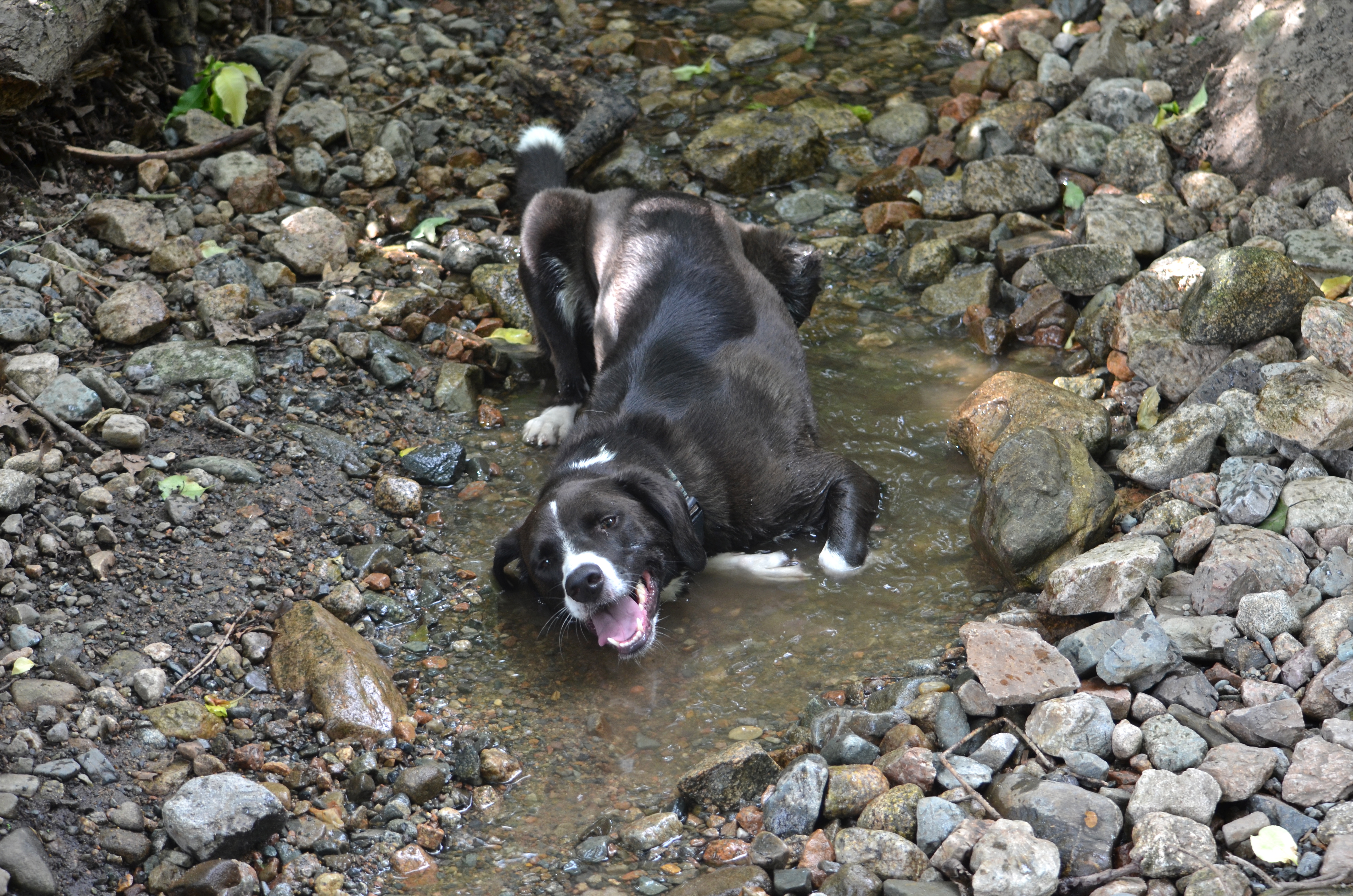
Toward the end of the hike, there’s a little creek. It’s running low because it’s such a dry hot summer (about 95 during this walk), but here is Lucy getting all the satisfaction she can from an inch of water:
 A garden plant escaped from cultivation in New England. Growing at Centennial out in the poison ivy; I shot this in Dover Center. Hummingbird favorite. Mint family.
Oswego Tea, Bee Balm, Monarda, Bergamot (Monarda didyma)