St. John’s Wort

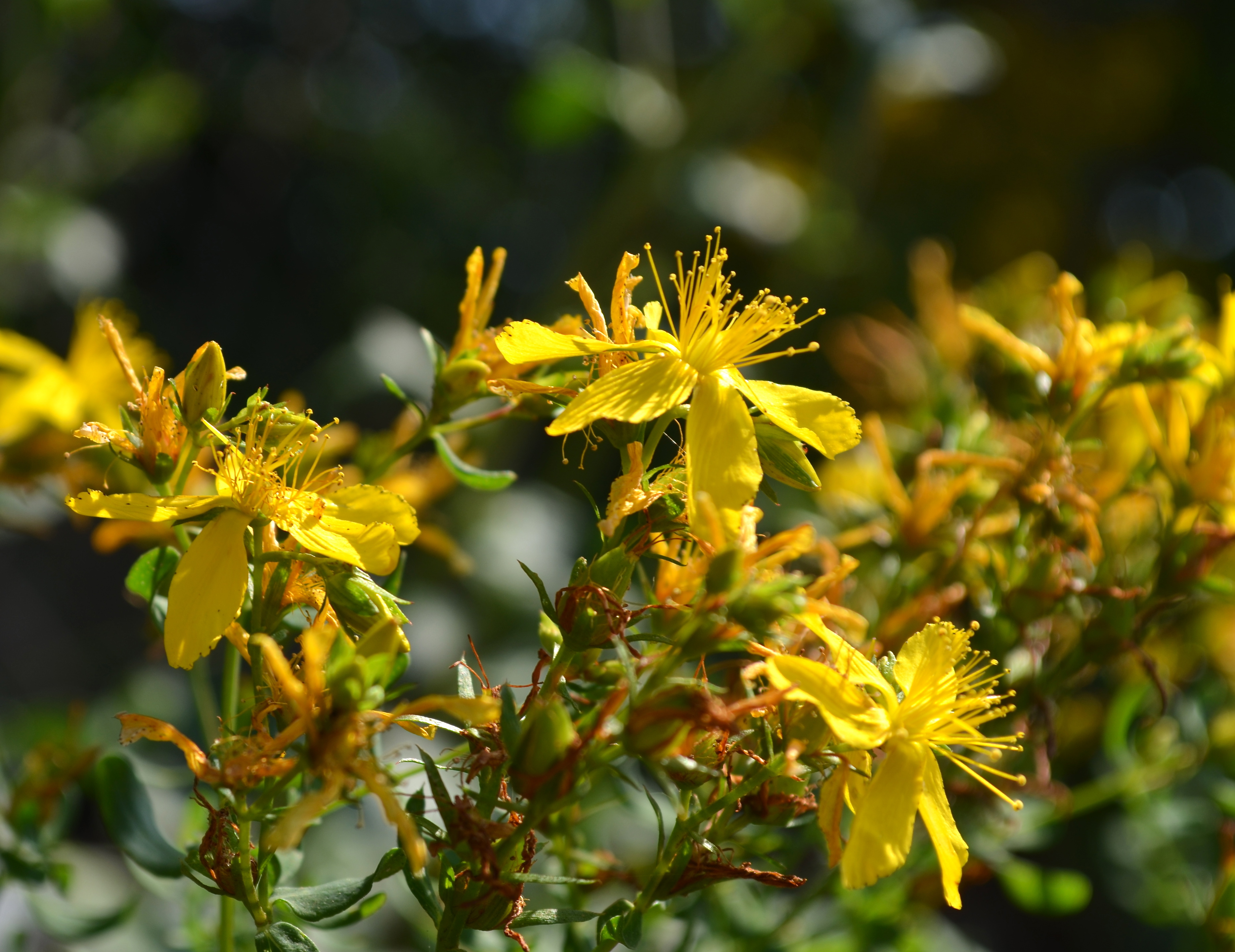
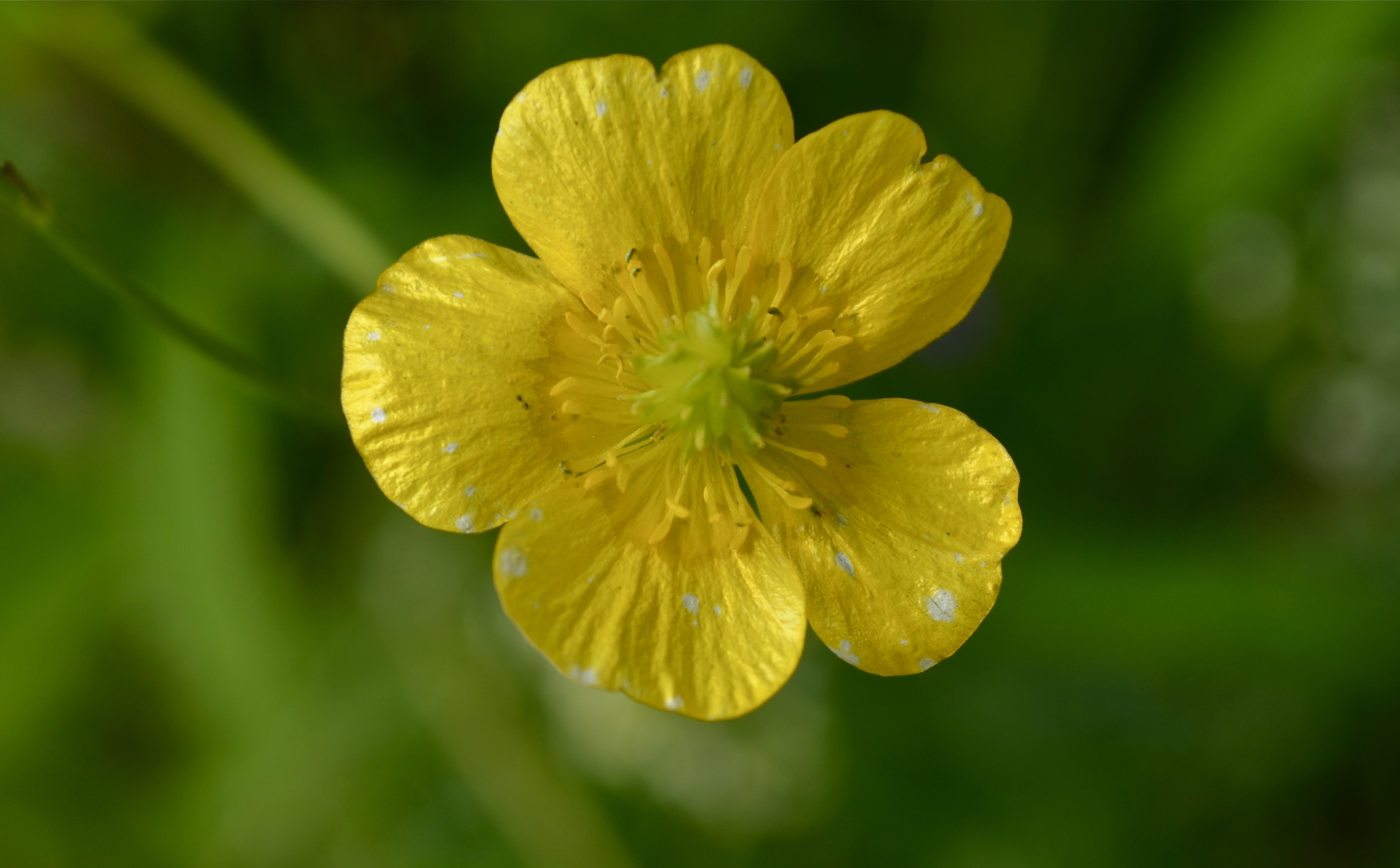
An herbal treatment for mild depression. Name comes from its traditional flowering and harvesting on St. John’s Day, June 24. The genus name Hypericum comes from the Greek words hyper (above) and eikon (picture), because traditionally people used it to ward off evil by hanging St. John’s Wort over a religious icon in their house on St John’s day. Native to Europe.

St. John’s Wort, Chase-devil (Hypericum perforatum)

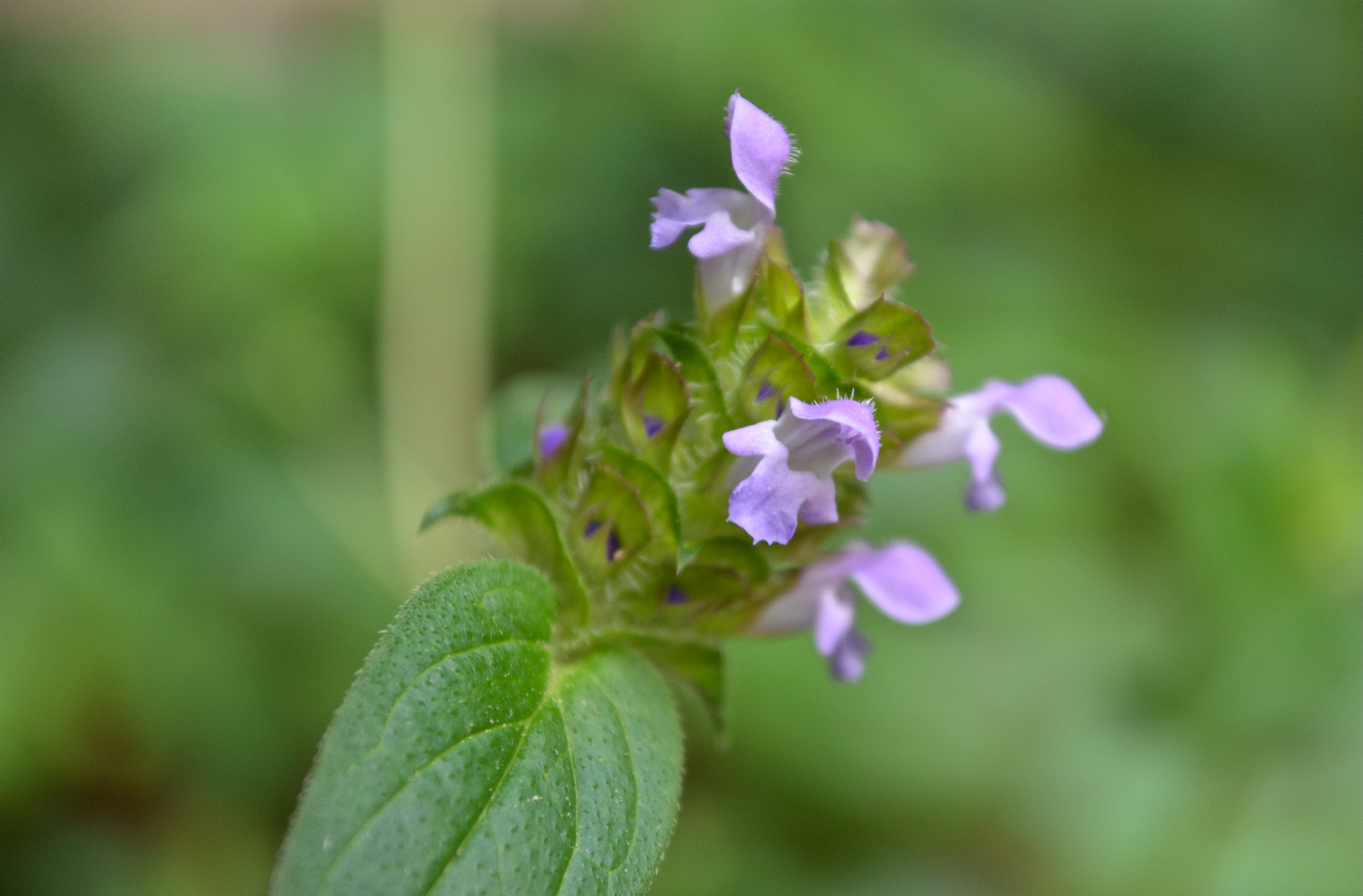
Self-heal

This is an unassuming weed in my yard, which has been used as medicine for centuries in countries around the world! There is a long list of active chemical components… and it is apparently being tested and showing promise for use against AIDS and diabetes among other things. Once thought to be holy and sent by God to cure all ailments. Also, Native Americans used it to make a tea they would drink in rituals to sharpen their powers of observation before hunting. It would be collected and dried while in bloom. The leaves and flowers are edible. (I feel like the nutrition doctors who advocate eating lots of fruits and vegetables are probably right when they say one reason is because they contain all these chemicals that are good for our bodies, that we haven’t fully recognized or analyzed??)

Self-heal (Prunella vulgaris)

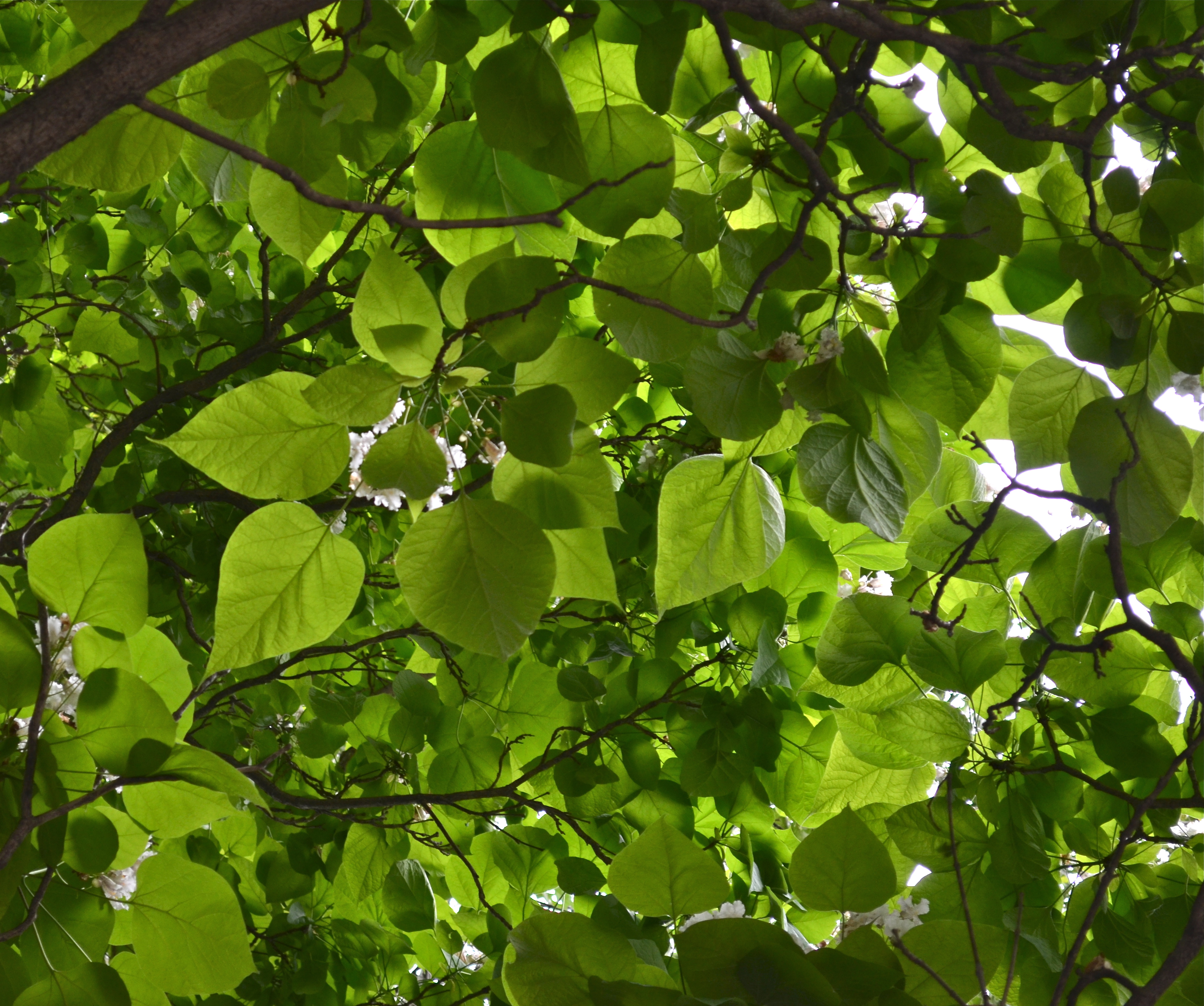
Catalpa tree

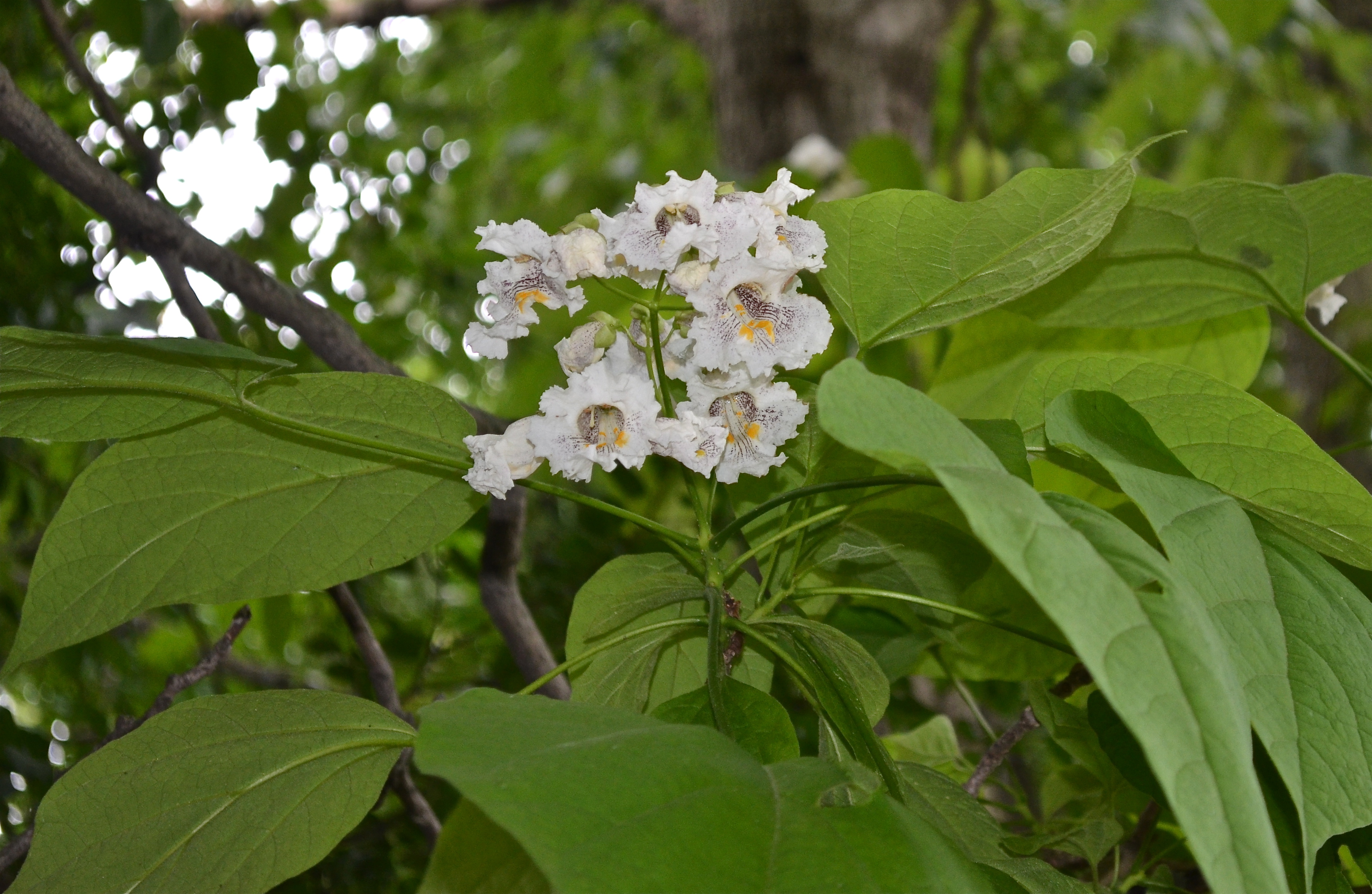
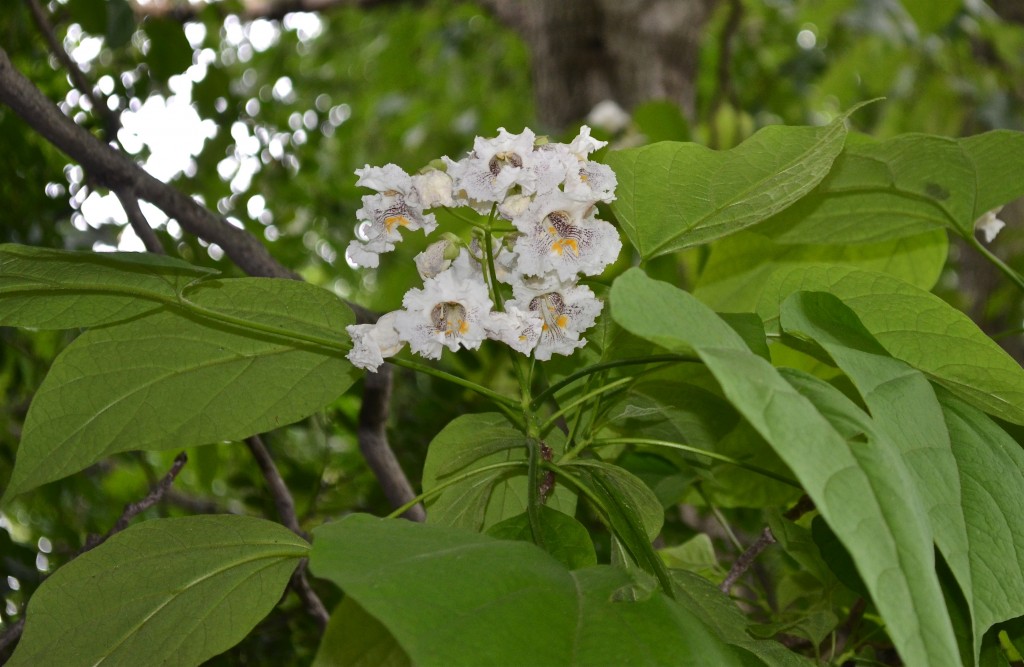
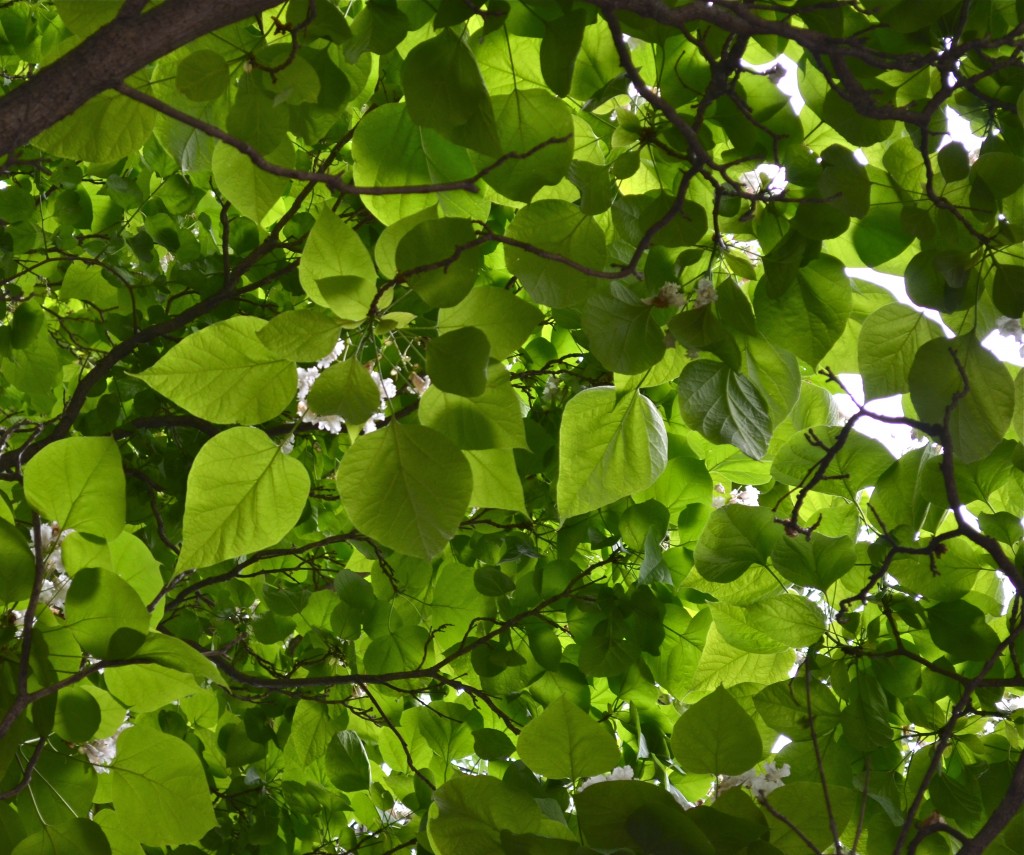
A deciduous tree with big heart-shaped leaves and showy clusters of white orchid-like flowers. In the fall will have foot-long brown seed pods. Native. It’s planted as an ornamental, but I kept seeing them in weedy places where they obviously arrived on their own, so I’ve counted them here as wild blooms.

From Wikipedia: The name derives from the Catawba Native American name catawba for these trees (the tribal totem), with the spelling catalpa being due to a transcription error on the part of the describing botanist (Scopoli) making the first formal scientific description of the genus. The rules of botanical naming state that the spelling used in the formal scientific description has to be retained for the scientific name. The name in vernacular use has very largely (though not completely) followed Scopoli’s erroneous transcription, with catawba still in use in some areas of the United States, most particularly within the trees’ native range.

The bean-like seed pod is the origin of the alternative vernacular names Indian bean tree and cigar tree for Catalpa bignonioides and Catalpa speciosa, respectively.

Trumpet Vine family.

Catalpa, Catawba (Catalpa)
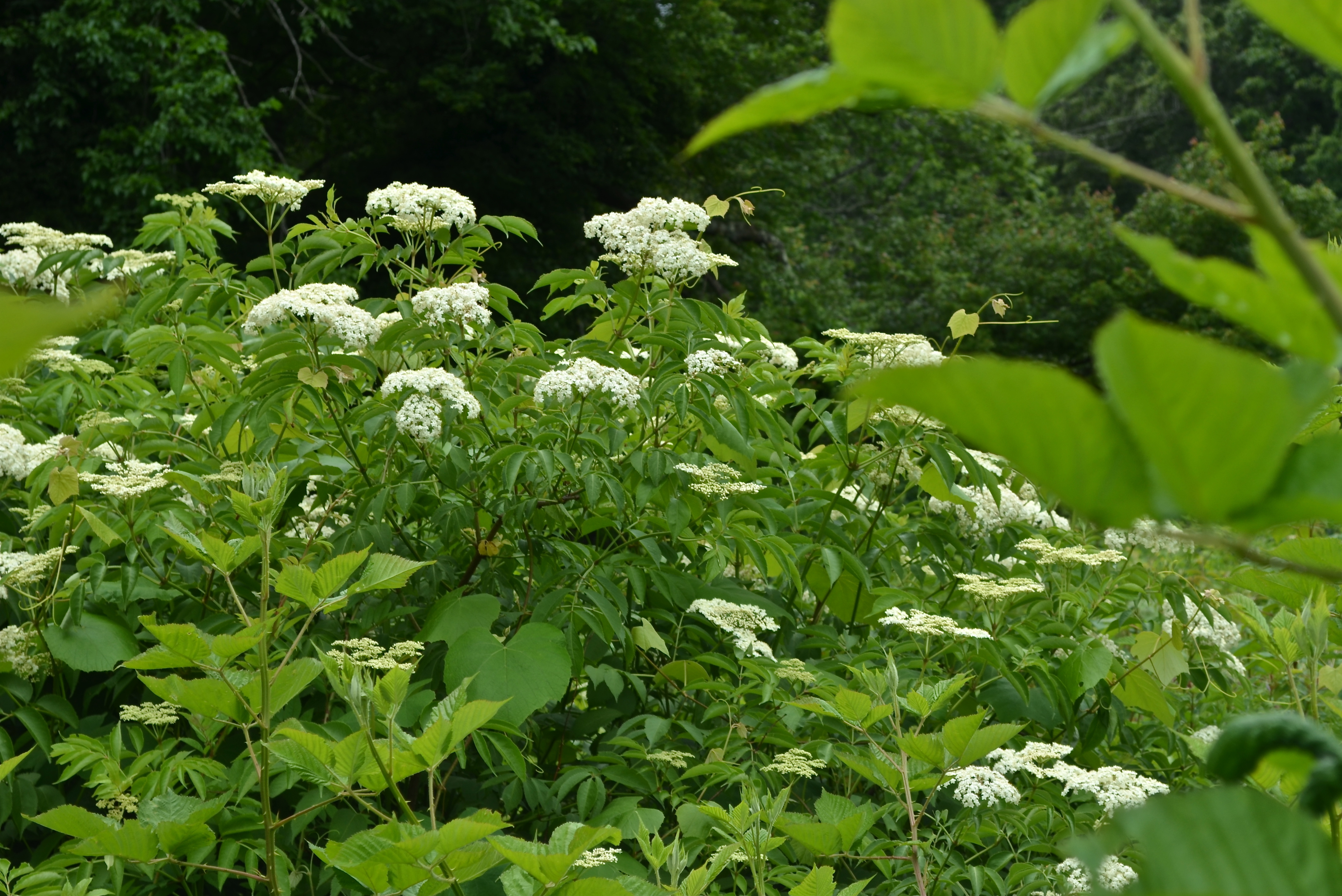
Elderberry

This is a stand of tall plants (about 7 or 8 feet tall) out in a big bramble of swamp roses and blackberries and poison ivy. I waded out into it but this is as close as I could get before it was just too thorny. From this distance, I could see the leaves well enough to make an identification: Elderberry!

Will produce black berries that are used to make wine and jelly. The berries are bitter–safe to eat, but the other parts can induce cyanide poisoning. Used medicinally for centuries. The branches are used to make flutes in eastern Europe. And in some regions, tradition prevents the cutting of elderberry trees for bonfires: “Elder be the Lady’s tree; burn it not or cursed ye’ll be.” Native.

Elderberry (Sambucus canadensis)

Black-eyed Susan

The roots were used for medicinal purposes– Ojibwas used it to treat snake bites. Aster family. Native to the Midwestern U.S. (a prairie flower!)

Black-eyed Susan, Yellow Ox-eye Daisy (Rudbeckia hirta)

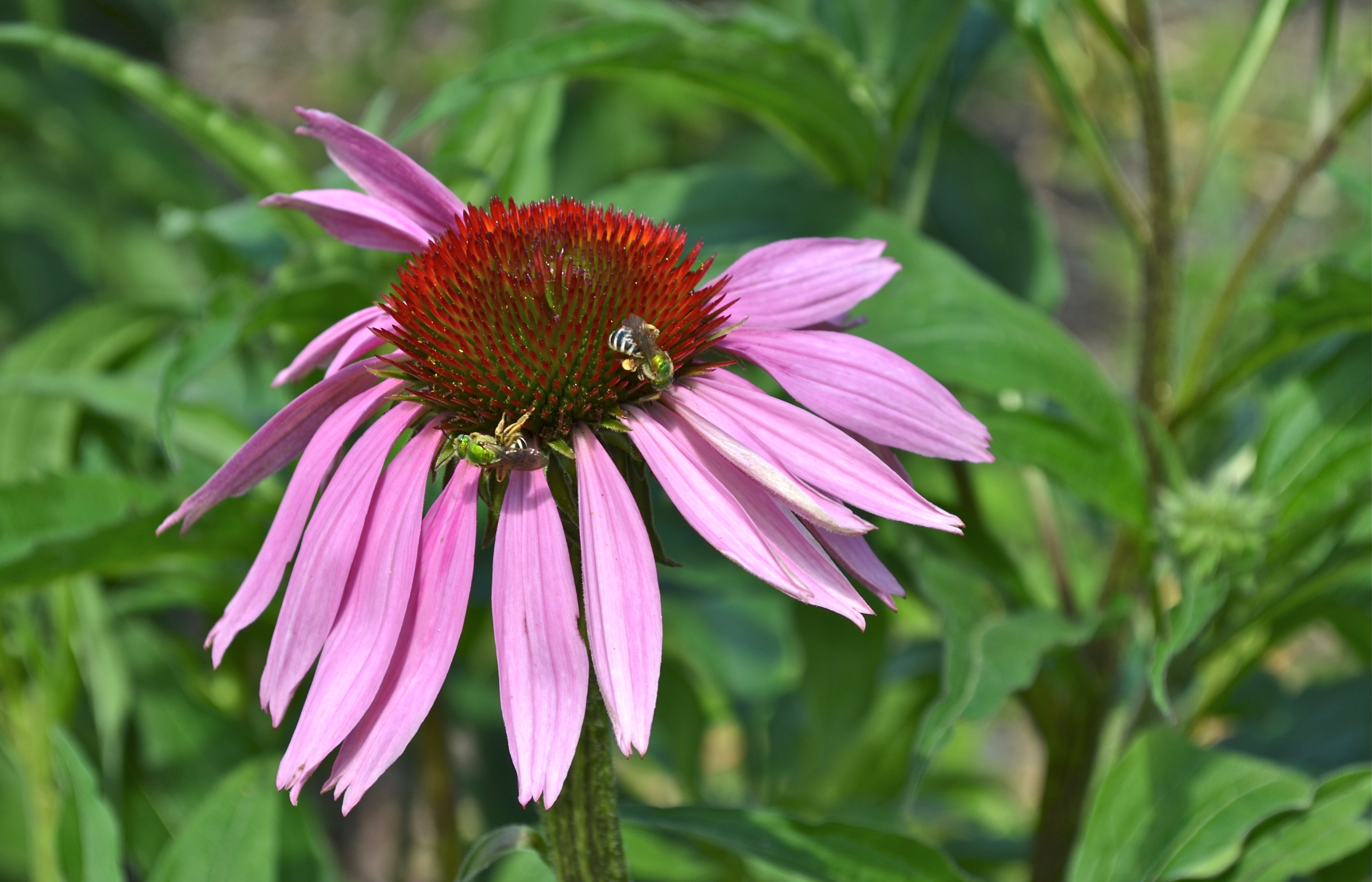
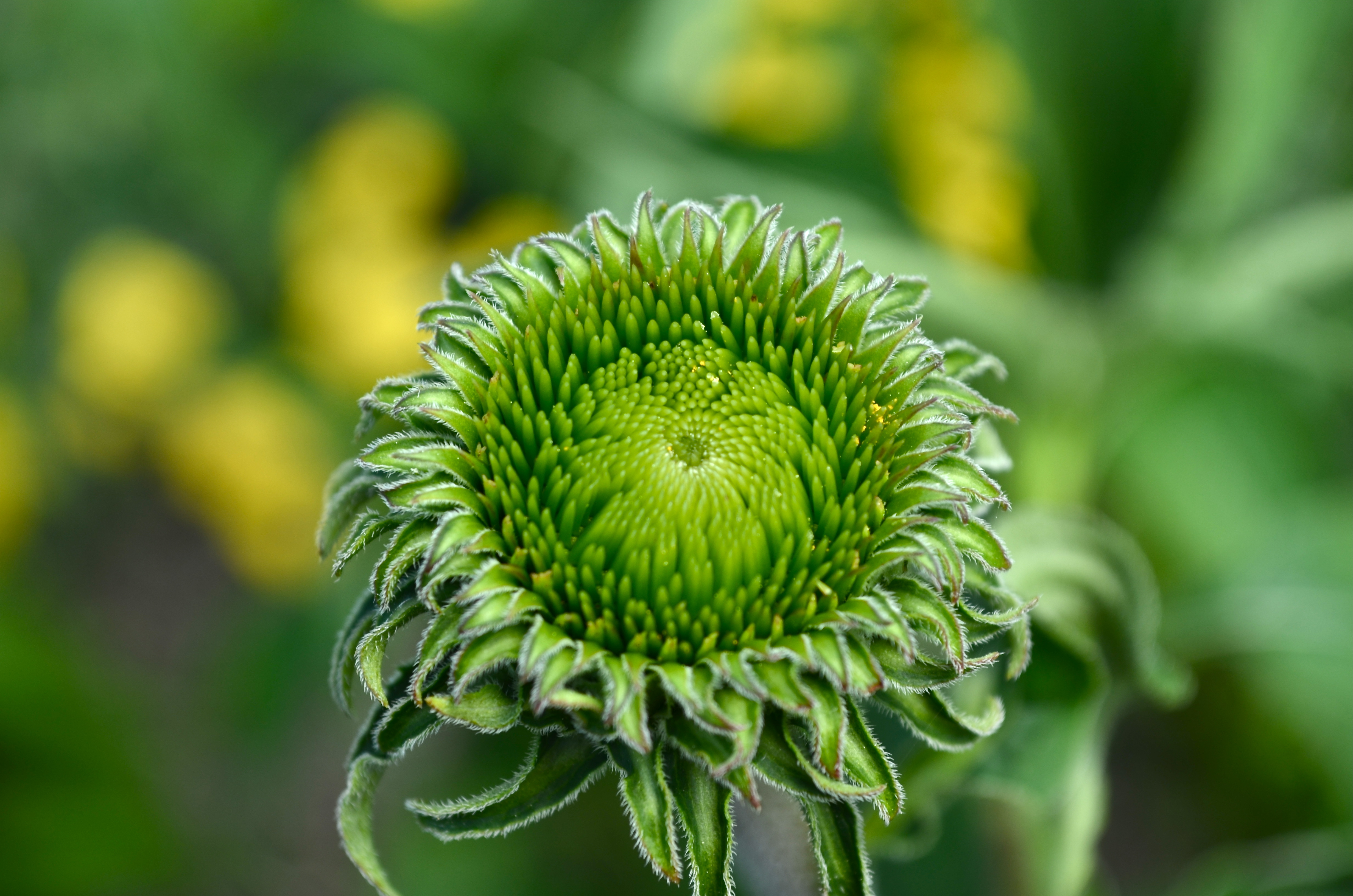
Purple Coneflower

This is not in the wild, but in a little garden of native plants right by a road where I drive frequently. A favorite with many insects, and some small songbirds eat the seeds.

Purple Coneflower (Echinacea purpurea)

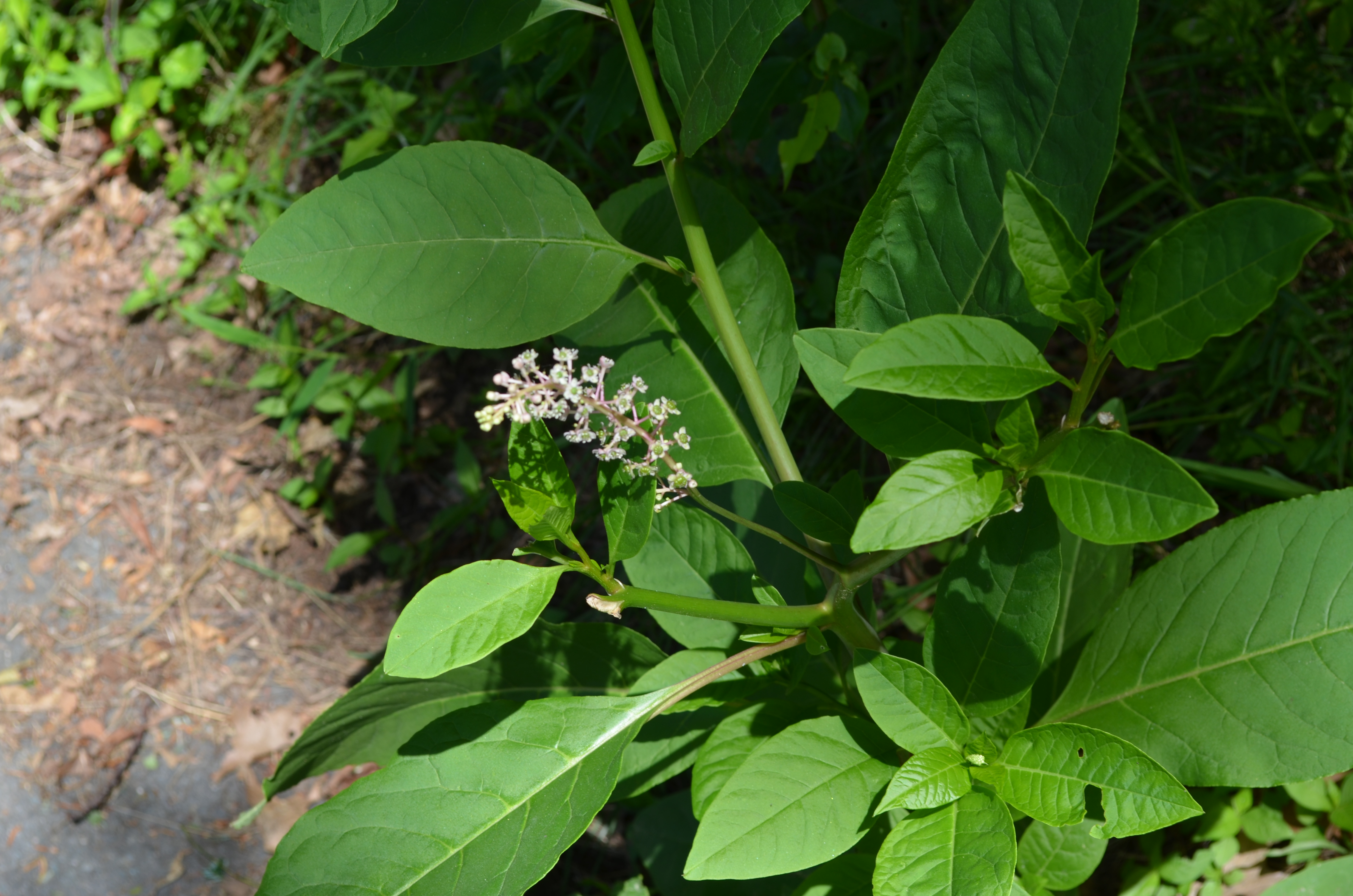
Pokeweed

This is the big glossy weed that gets dark purple berries on magenta stems later in the season. Their juice was used by natives to make dye to paint their horses! The Constitution was written in dye MADE FROM POKEBERRIES!

Okay now, you know that song about Poke Salad Annie? That refers to this plant.

Poke salad was (is?) a southern dish, but the leaves must be cooked and rinsed at least twice, because the whole plant is toxic unless properly processed. The berries are poisonous to mammals, but birds can eat them. 4 – 10 feet tall. Native.

Pokeweed, Poke (Phytolacca americana)

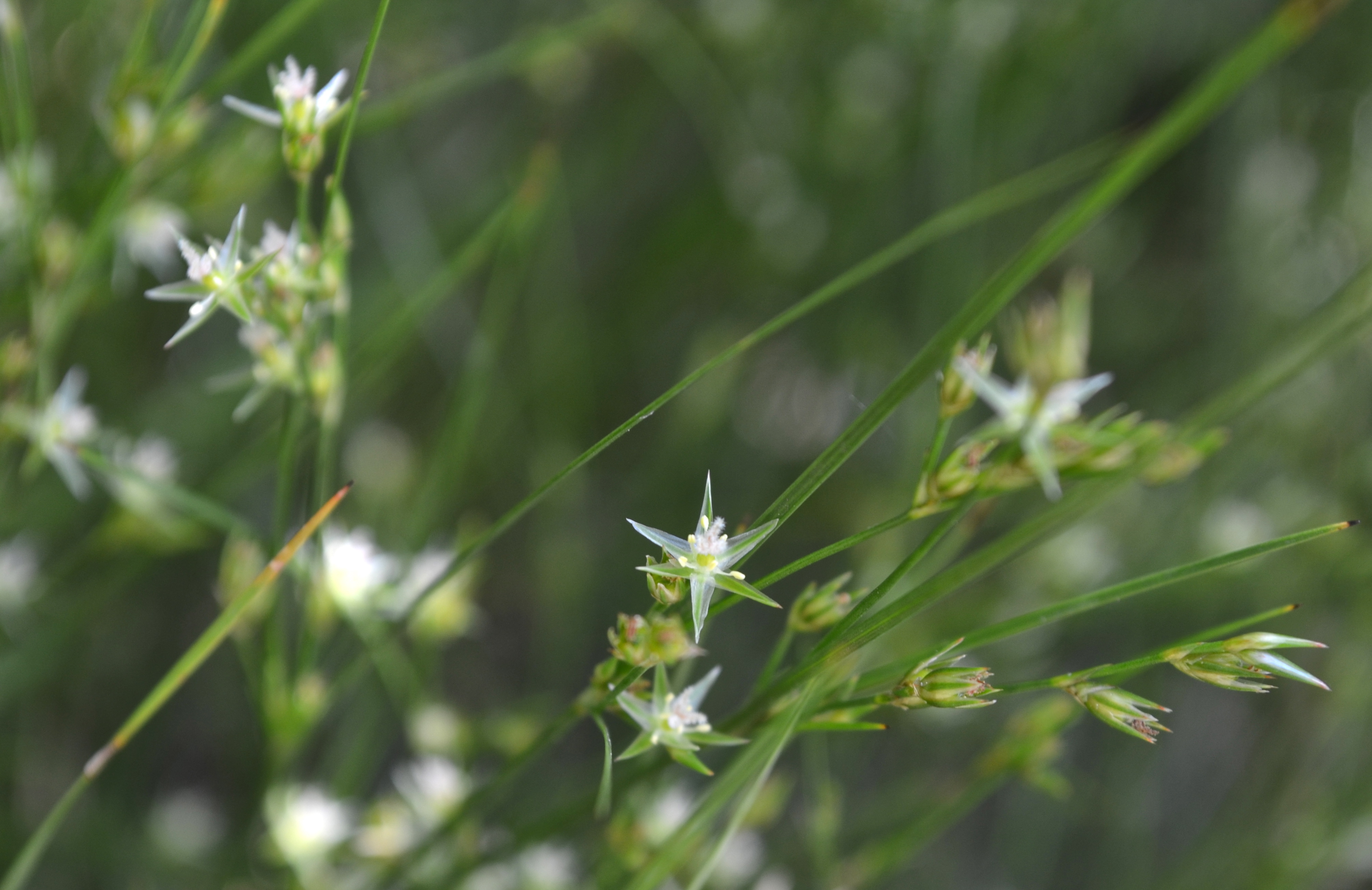
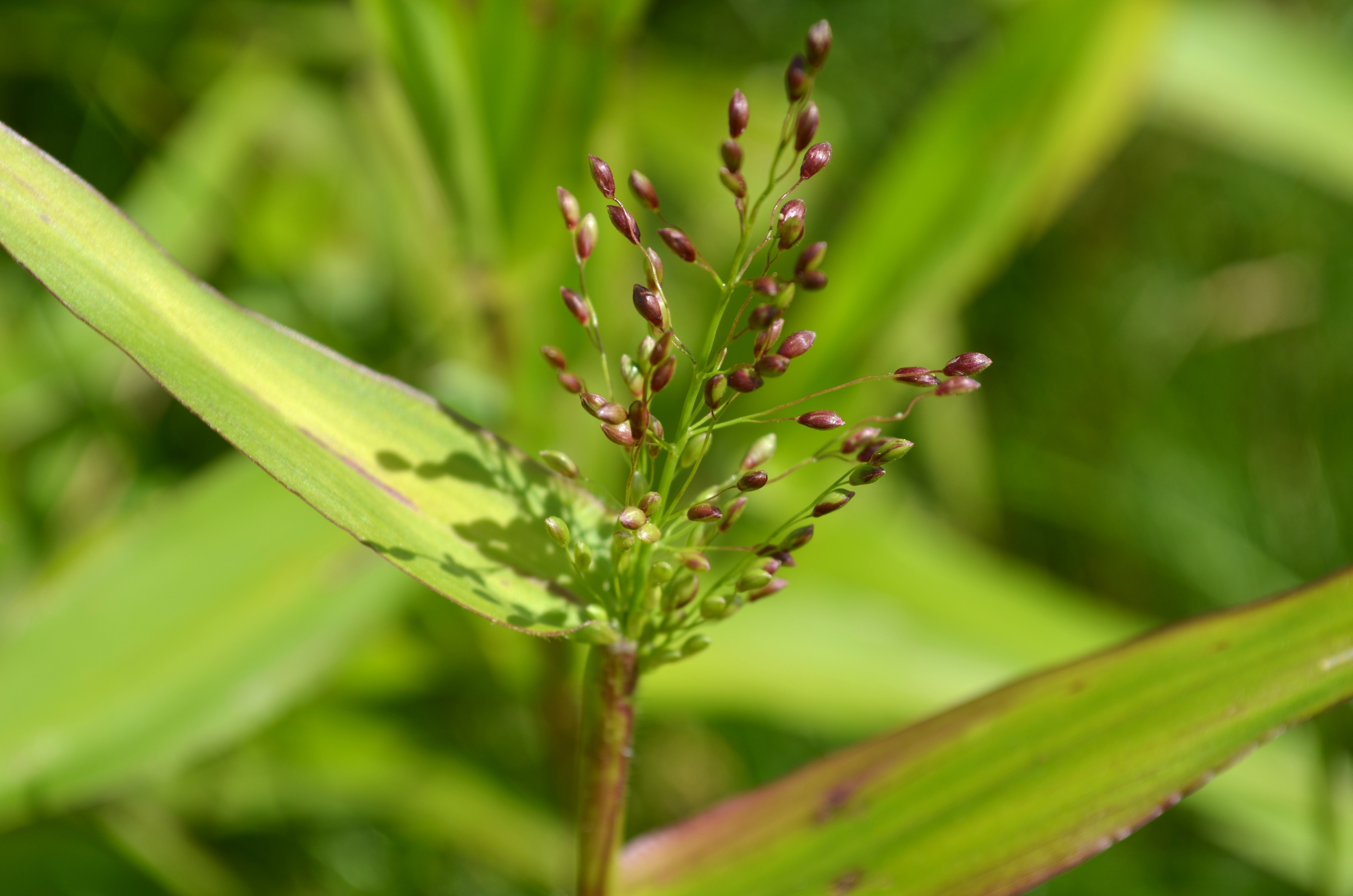
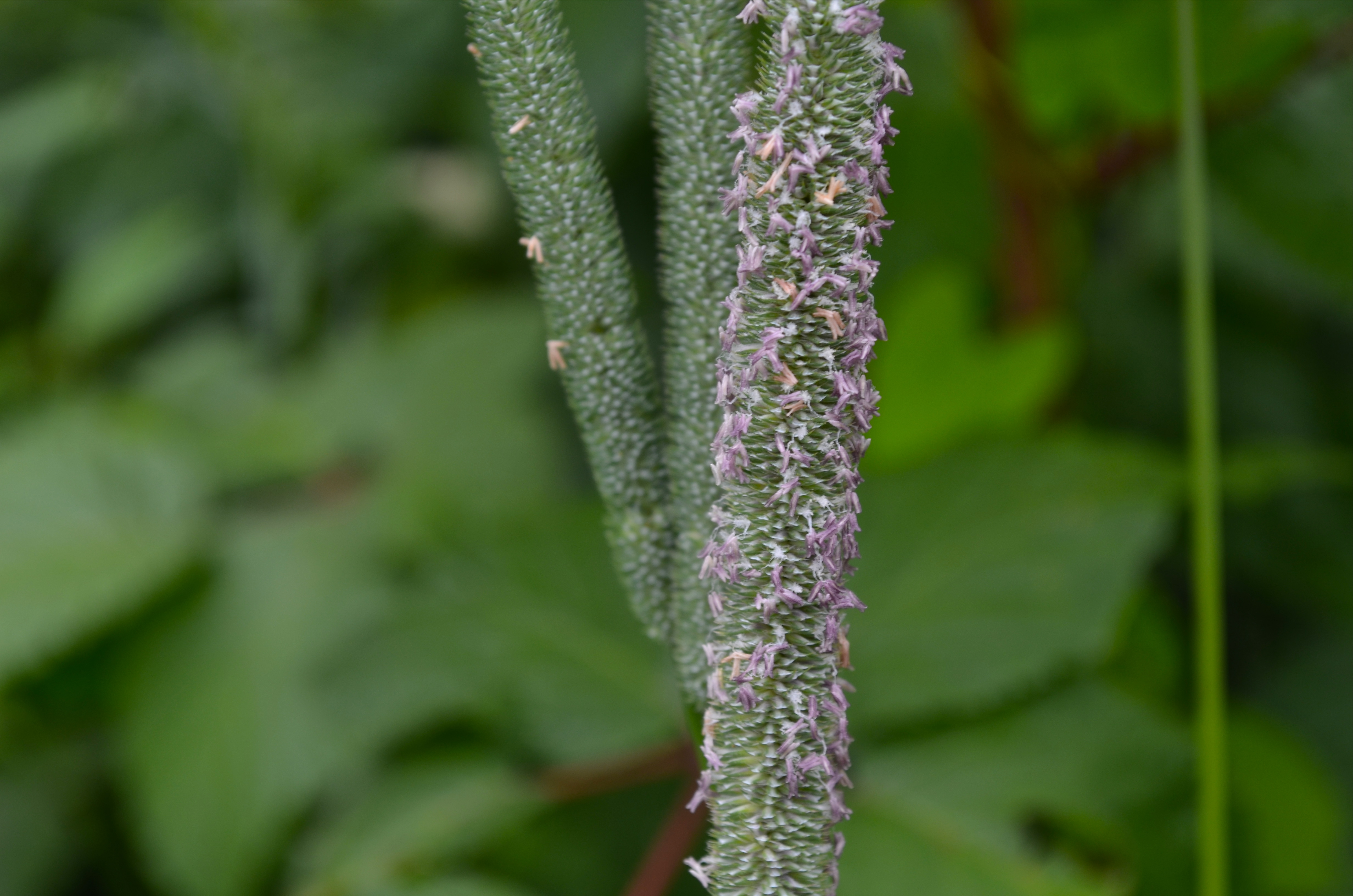
Flowering Grasses — need ID


For now, I have to give up on naming these three. Maybe they are more grass than wildflower, because I’m not finding them in any of my resources.