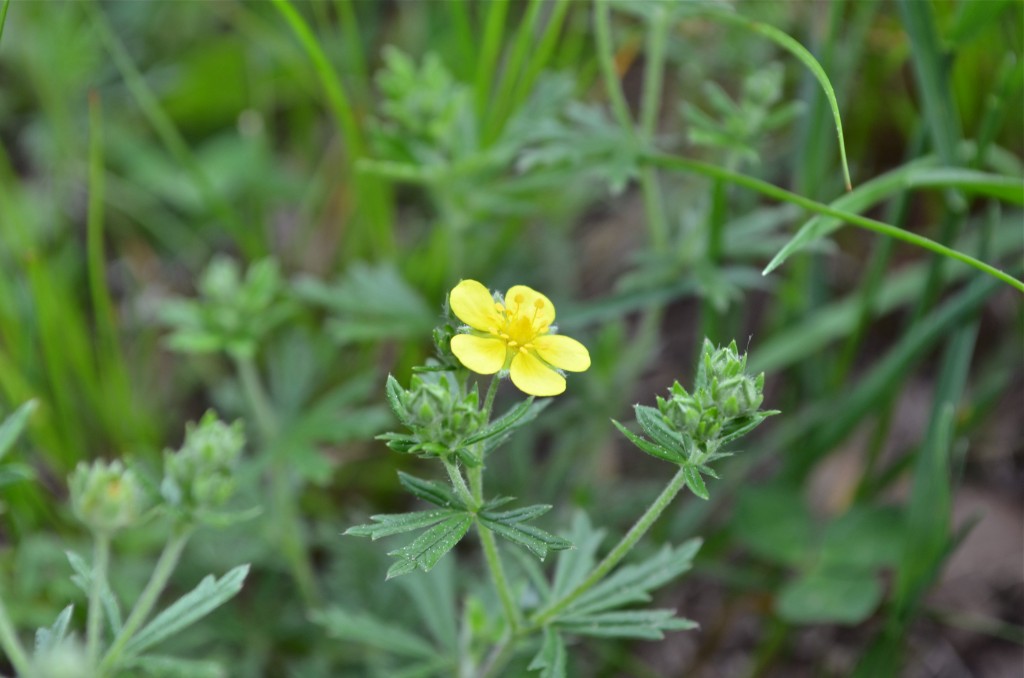
Silvery Cinquefoil

I have already noted Common Cinquefoil growing all over the place— it has leaves similar to wild strawberry. This variety has spiky leaves and is less trailing. The leaves are silvery on the underside. Flowering time June to September, so it’s a little early. Rose family. Origin: Eurasia.

Silvery Cinquefoil (Potentilla argentea)
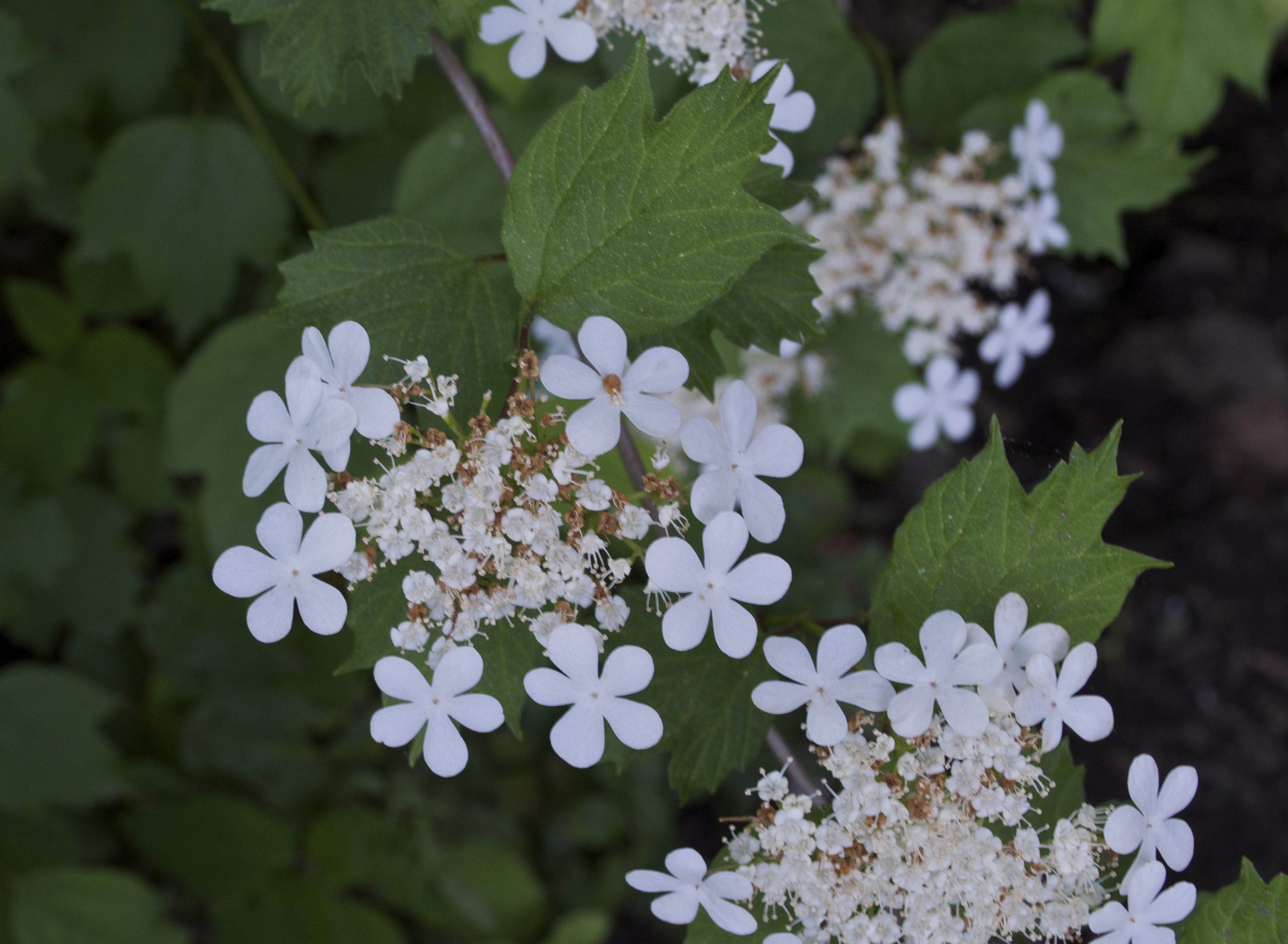
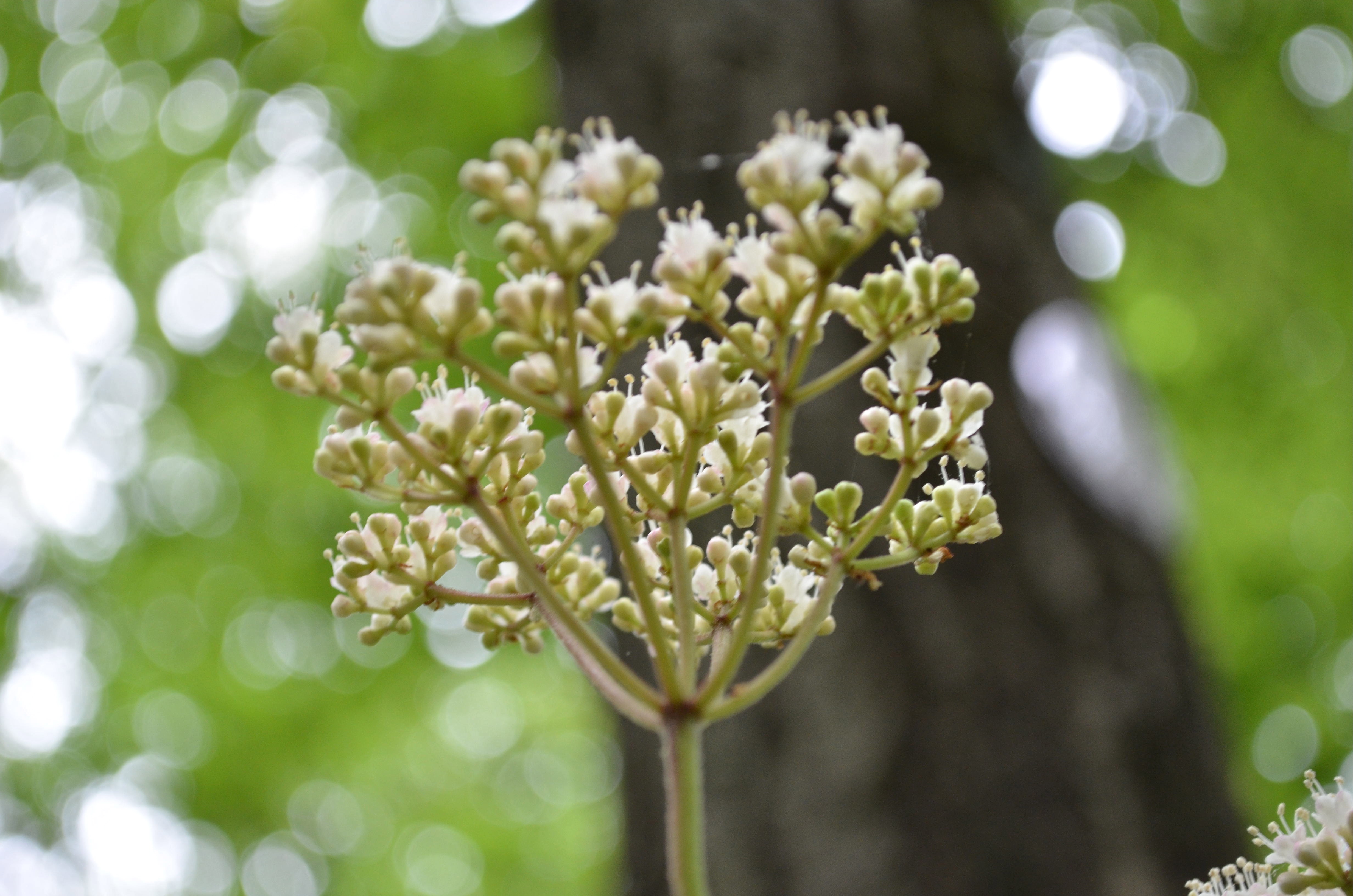
High Bush Cranberry


I originally identified this as maple-leaved viburnum, but with further research, it’s looking like this is High Bush Cranberry — based on the size (and shape) of the flowers relative to the leaves. We’ll know for sure in the fall — cranberries will have edible red fruit and the viburnum will have purple black fruit. This is growing everywhere at Centennial. A low shrub. Native to North America, and not a true cranberry, but a species of viburnum.

High Bush Cranberry (Viburnum opulus)

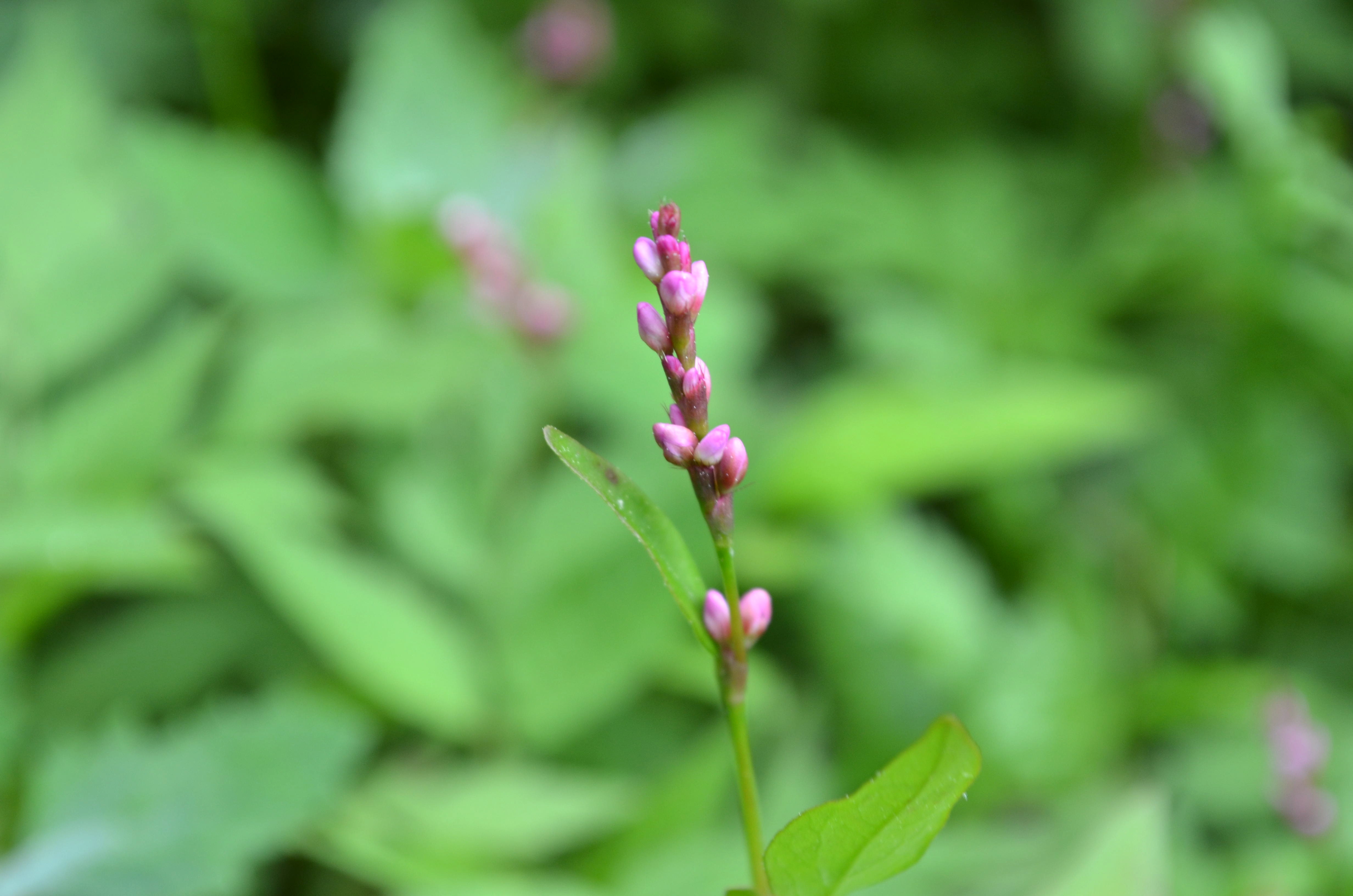
Lady’s Thumb (Redleg)


I always thought this was called Heart’s Ease. I was wrong! This is common around this area: Lady’s Thumb. The foliage is peppery and bitter so small mammals don’t eat it, but waterbirds and songbirds like the seeds. Buckwheat family.

Lady’s Thumb, Redleg (Polygonum persicaria)

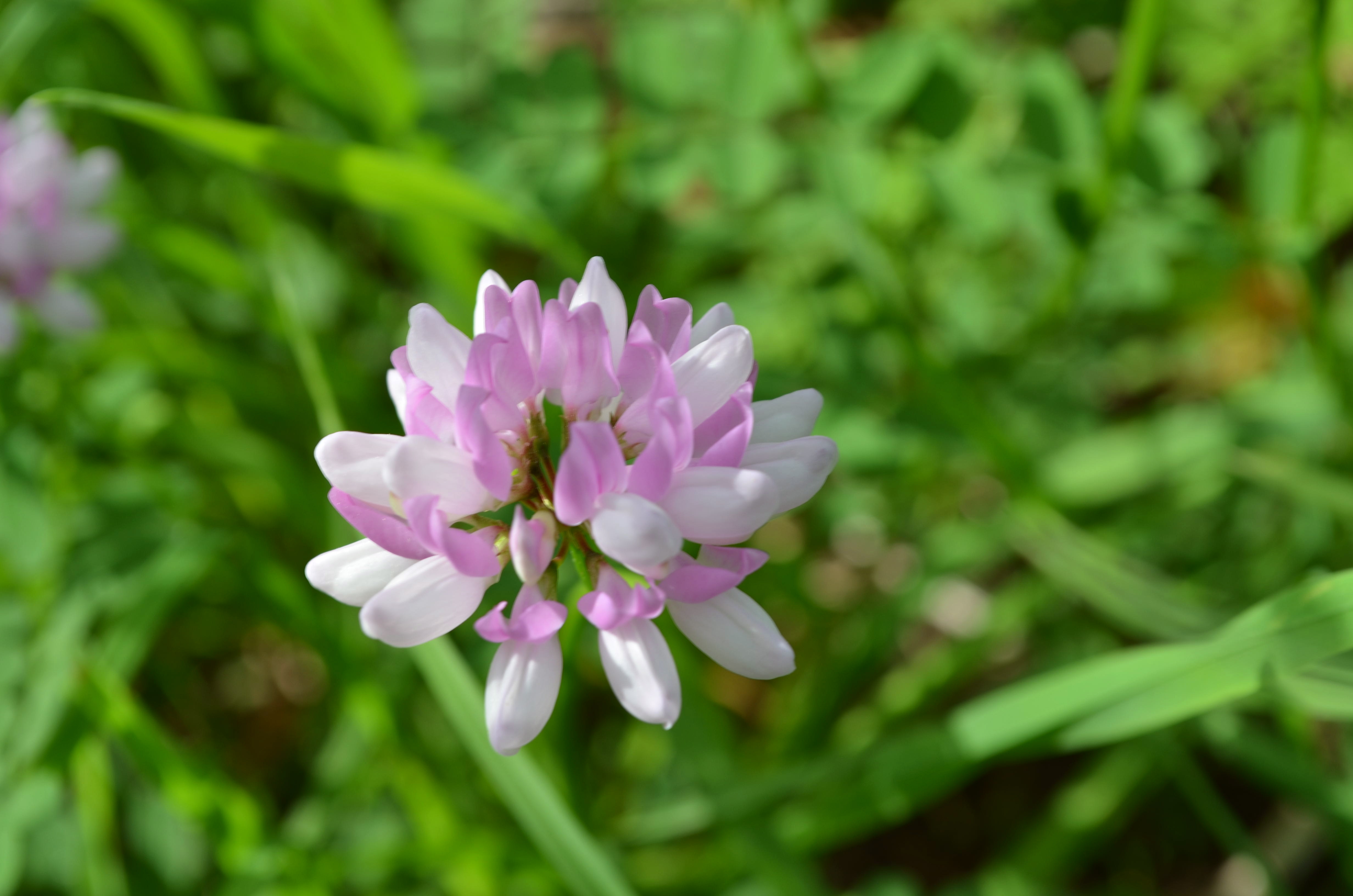
Crown Vetch

I bought this new camera, but when I was walking at Centennial yesterday, I couldn’t figure out how to really get the macro to work. So I got a tutorial from Alert Technophile Aaron and then went back today to pick up what I missed. And here is the first Crownvetch. It’s not a true vetch, it’s a perennial legume. Native to Africa, Asia and Europe. Toxic to horses!

Crown Vetch (Securigera varia)

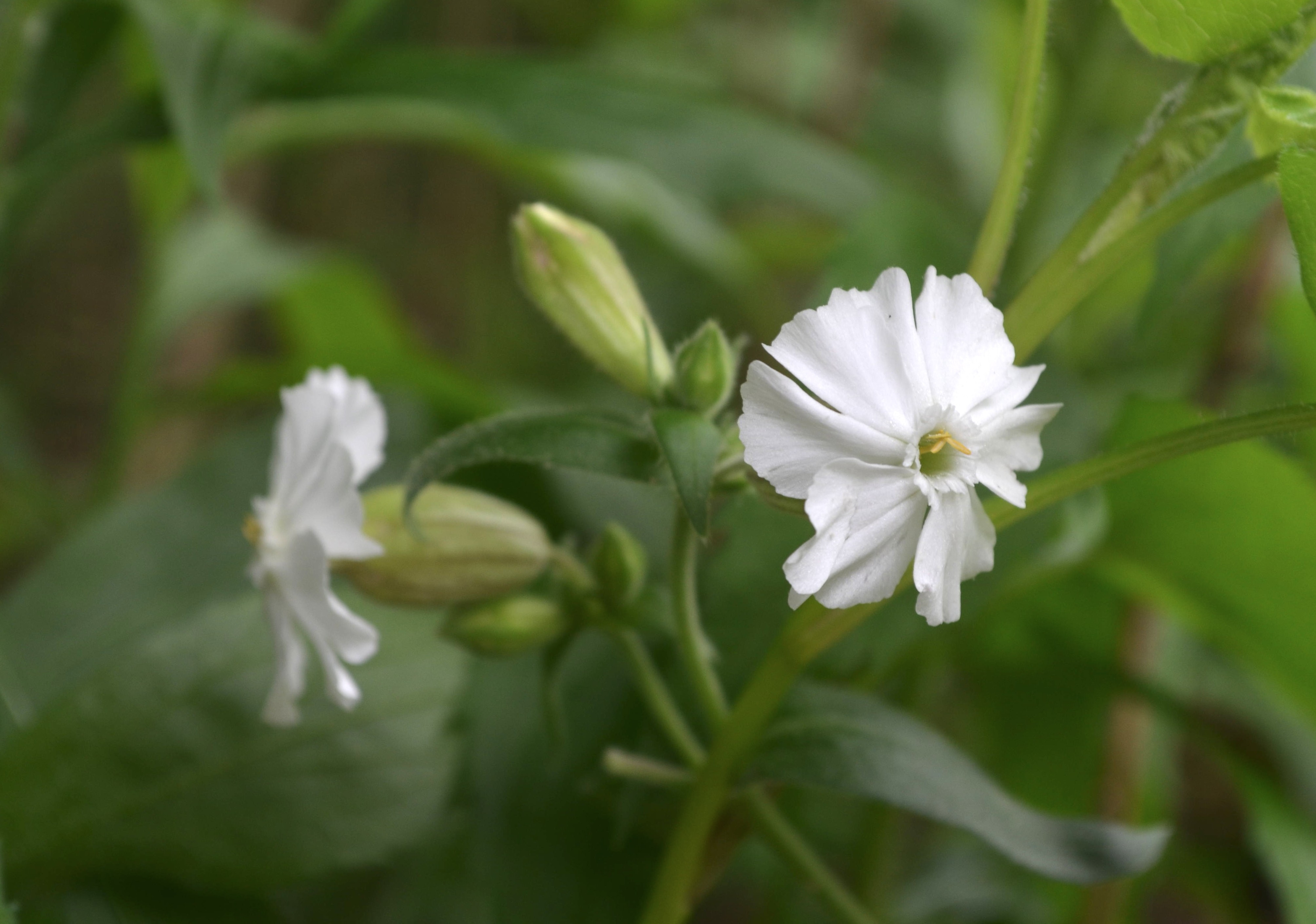
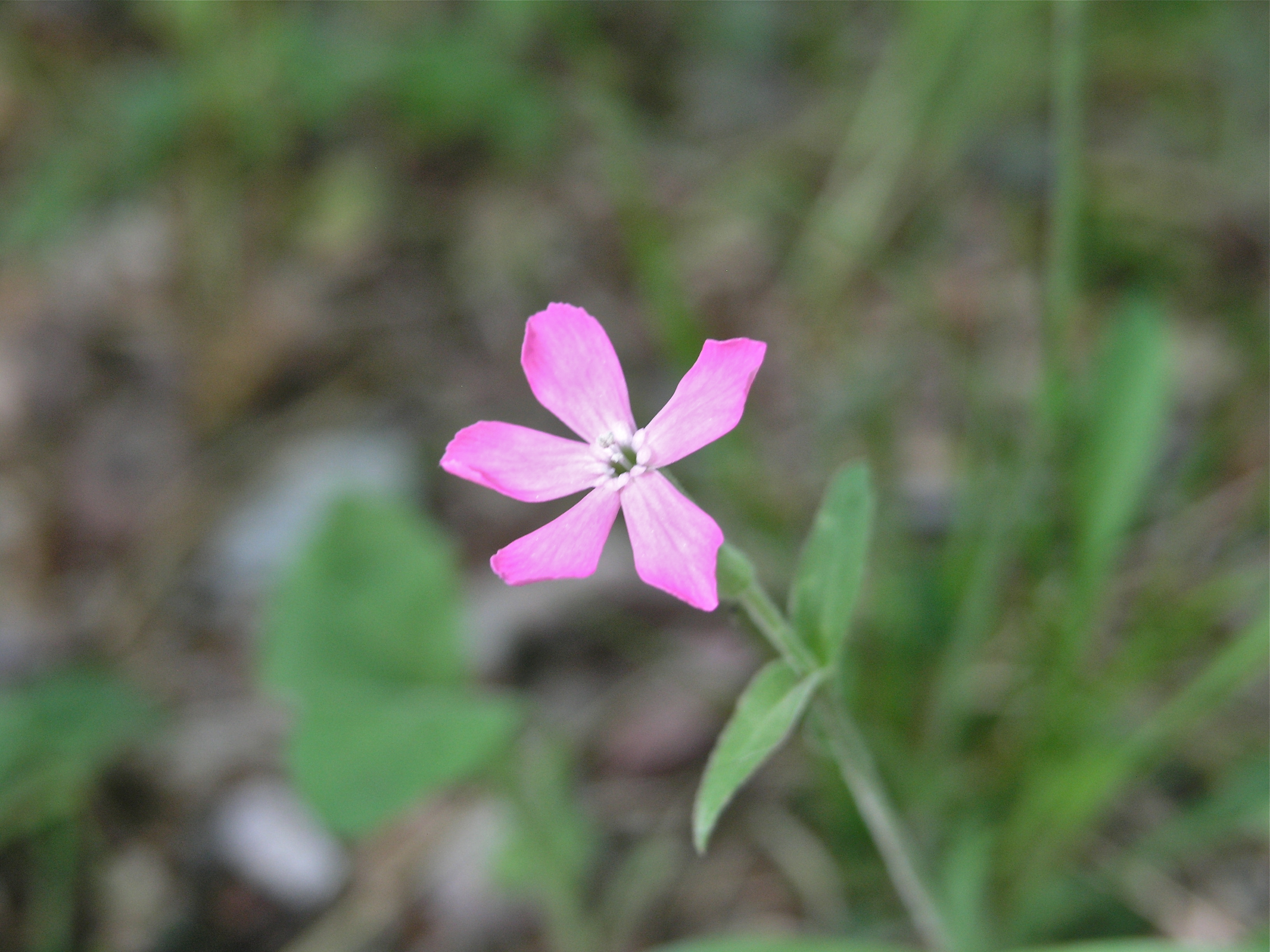
White Campion

This was taken by Alert Technophile Aaron, checking out the macro mode on my new camera. White campion… also named the Grave flower in parts of England because they often grow around tombstones. Thought to have arrived in this country mixed in with ship ballast. Pink family.

White Campion, White Cockle (Silene latifolia)

Two yellow daisies that need ID

These are by the Dover post office. Two different kinds of yellow daisies — similar flowers but very different leaves. I can NOT figure out what they are. Maybe they’re not wild. Ideas?

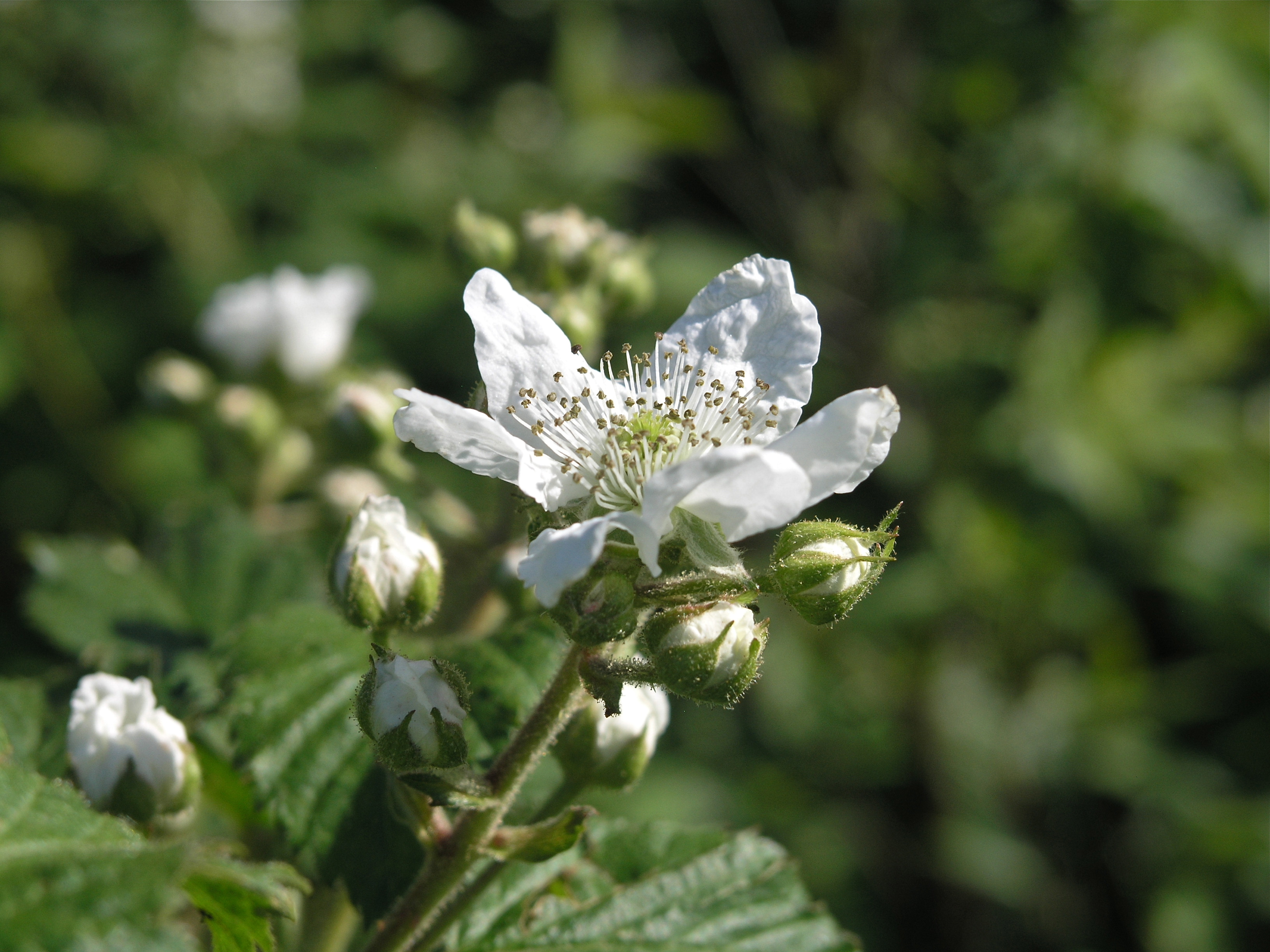
Common Blackberry


There are a lot of these blooming at Centennial. I was trying to identify them as roses, but actually– they’re blackberries. The canes arch and bend downward to send new roots into the ground. No fragrance. Fruits are seedy and sweet. The nectar, pollen and fruits attract many kinds of bees, flies, beetles, caterpillars, birds and mammals. Also the brambles form shelter for many ground-nesting birds and other small creatures… so the value of this plant to its local ecosystem is high.

Common Blackberry (Rubus allegheniensis)

Six-spotted Tiger Beetle

When we were photographing the Bristly Locust, a couple of these showy iridescent beetles were zooming around and grabbing our attention. A.F. Irit felt they really should get their own post. Now that I know the name, I can see the six spots, three on each wing. Evidently they are super fast, often outrunning their prey by so much that they lose track and have to stop and re-orient themselves to their desired lunch.

Six-spotted Tiger Beetle (Cicindela sexguttata)

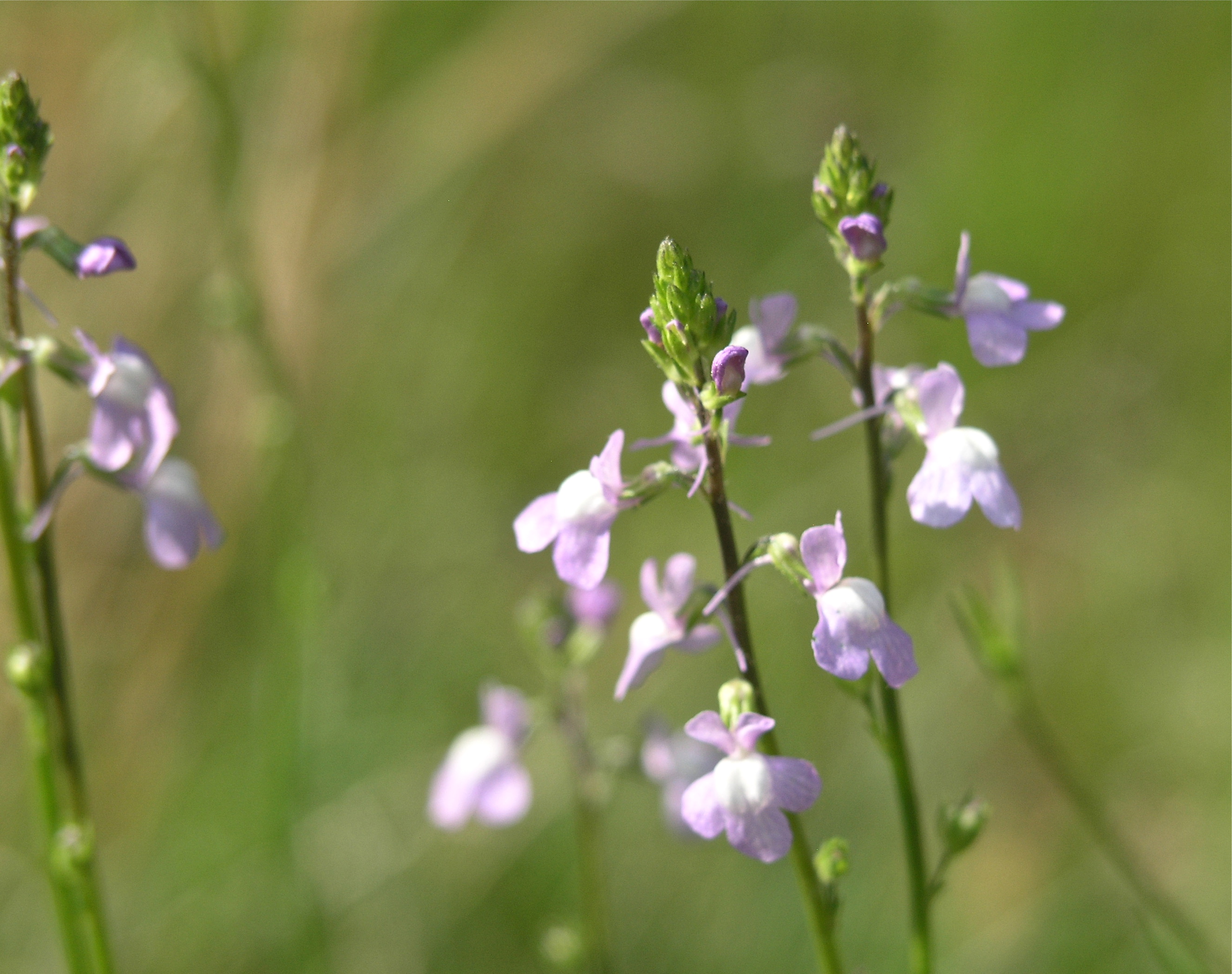
Blue Toadflax

You know, you just can’t walk outside without seeing a bunch of new wild things coming into blossom. Great name — why is it called Toadflax? Figwort Family. Native.

Blue Toadflax (Nuttallanthus canadensis)