Bugle

DSC_0061

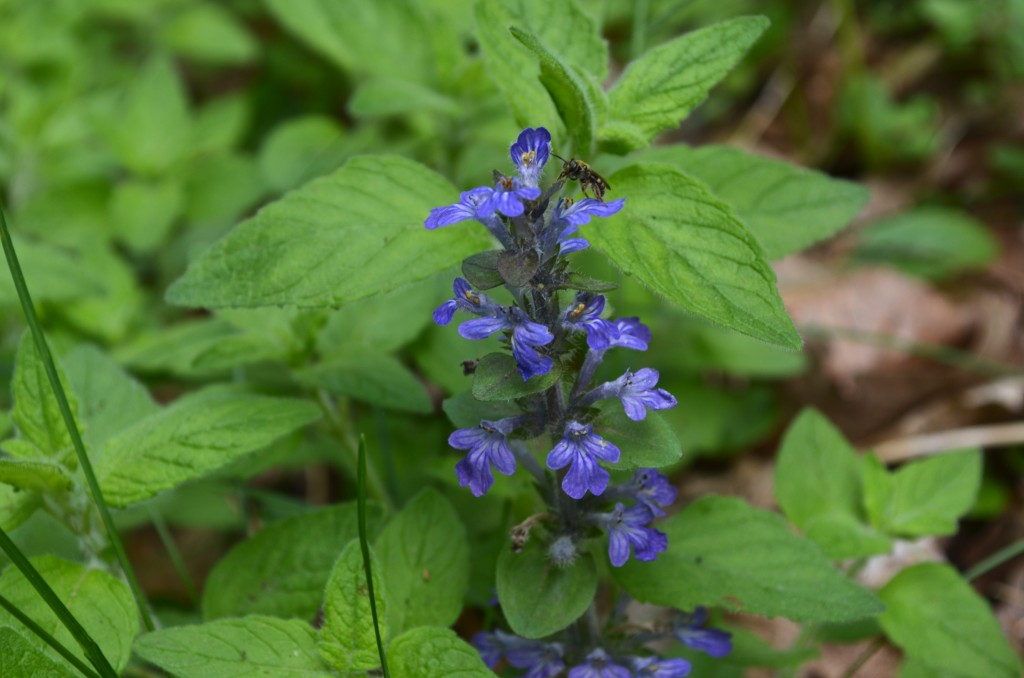
One I did not spot last year! And truly blue, which is unusual. Also known as “carpenter’s herb” because it was thought to help stop bleeding. Evidently makes a good groundcover for shade if you don’t mind that it can be invasive. Native to Eurasia, escaped from cultivation. Mint family.

Bugle, Carpet-bugle (Ajuga reptans)

Wild Columbine

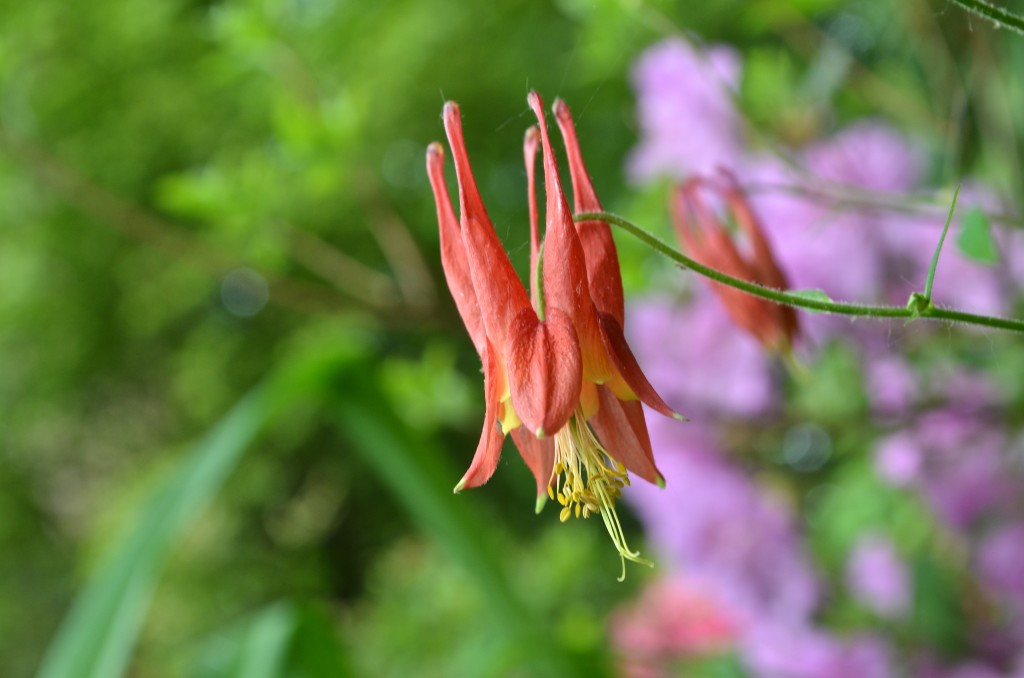
Wild ColumbineGood fact from illinoiswildflowers.info: “Because the foliage is toxic, it is little bothered by mammalian herbivores.” A beautiful form to appreciate up close. The round ends of the spurs contain nectar which attracts butterflies and hummingbirds. Family: Buttercup (Ranunculaceae). Native. Flowers April to July.

Wild Red Columbine, Rock Bells (Aquilegia canadensis)

Tower Mustard

Tower Mustard

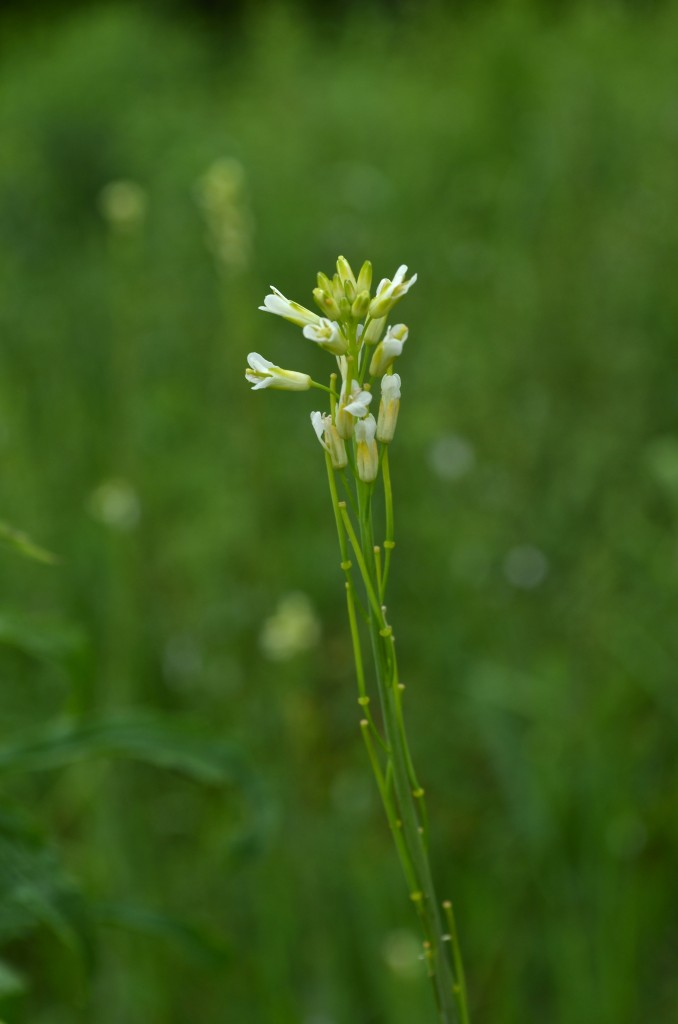
This is a plant with creamy white flowers, and later each flower is replaced by a leafless vertical seed pod that hugs the stem. They can grow to be 4 to 5 feet tall. Native. (Photo taken May 29, 2013)

Tower Rockcress, Tower Mustard (Arabis glabra)

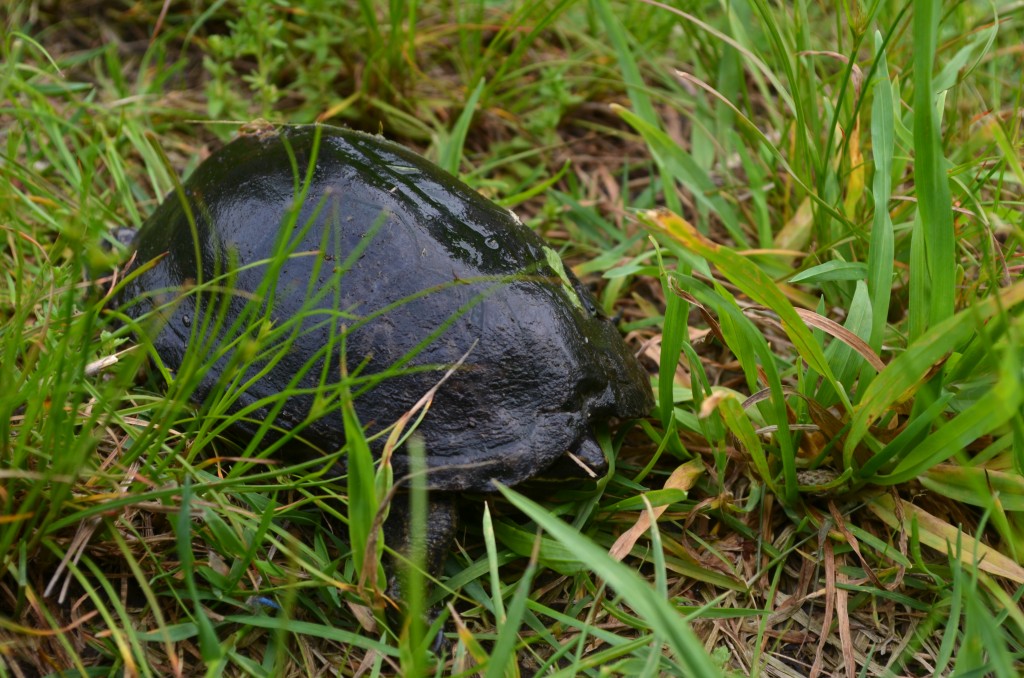
Bonus picture: this turtle was also using the path. I think it’s a musk turtle. They only get to be about 5 inches long, and are primarily aquatic, living in the shallows. This one was still wet from the river. They rarely leave the water, but they usually nest in June, so maybe this one was on a nesting mission.

DSC_0090

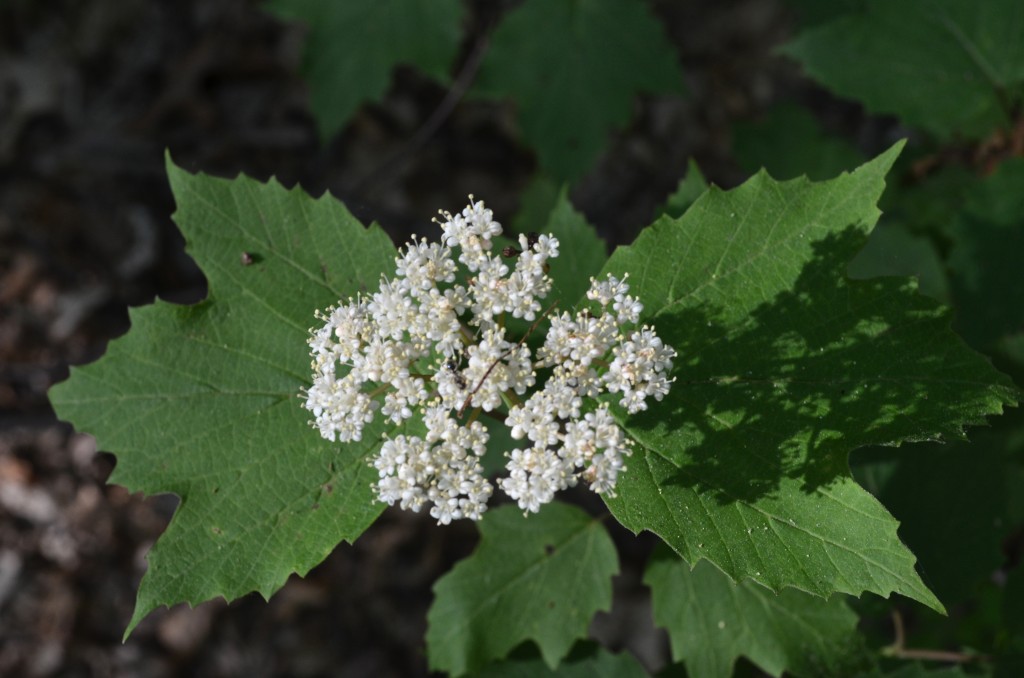
Maple-leaf Viburnum

DSC_0112

A shade-tolerant deciduous shrub common in New England. Will have blue-black berries that ripen to red in late summer. Native.

Maple-leaf Viburnum (Viburnum acericolium Linnaeus)

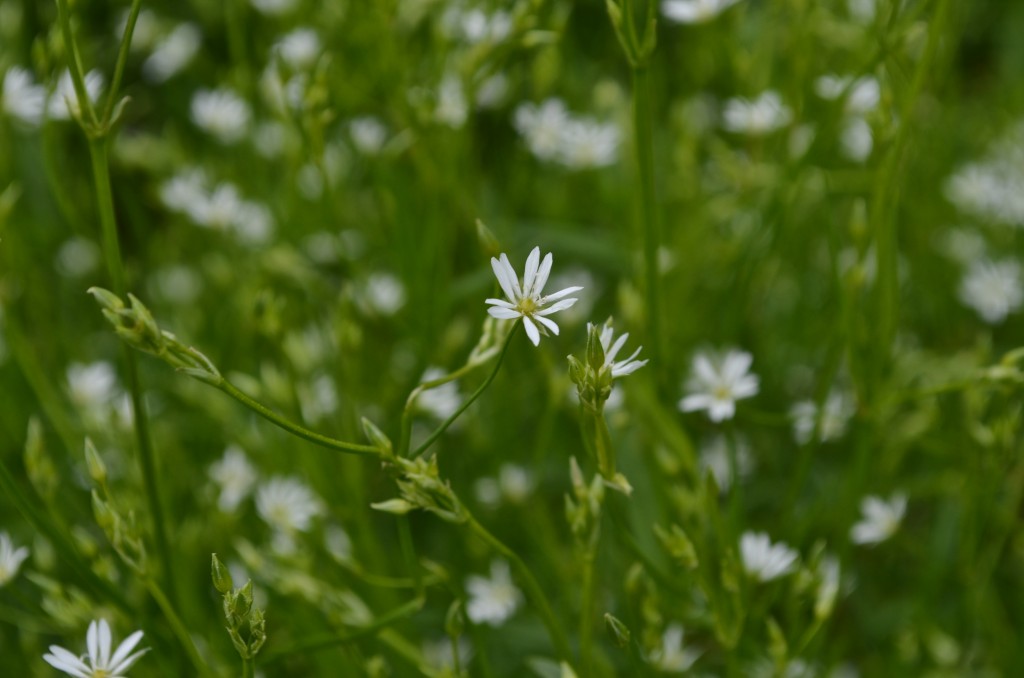
Common Stitchwort

DSC_0124

Related to Chickweed — the same deeply divided petals (this is five petals divided to look like ten). So many plants are called worts… wort is from Old English “wyrt” meaning root or herb. It often was used to name plants that had medicinal uses, and the first part of the word was the problem it could cure, like for instance, spiderwort to treat spider bites. Was this good for curing stitches? I can only find that some varieties are edible…

Common Stitchwort (Stellaria graminea)

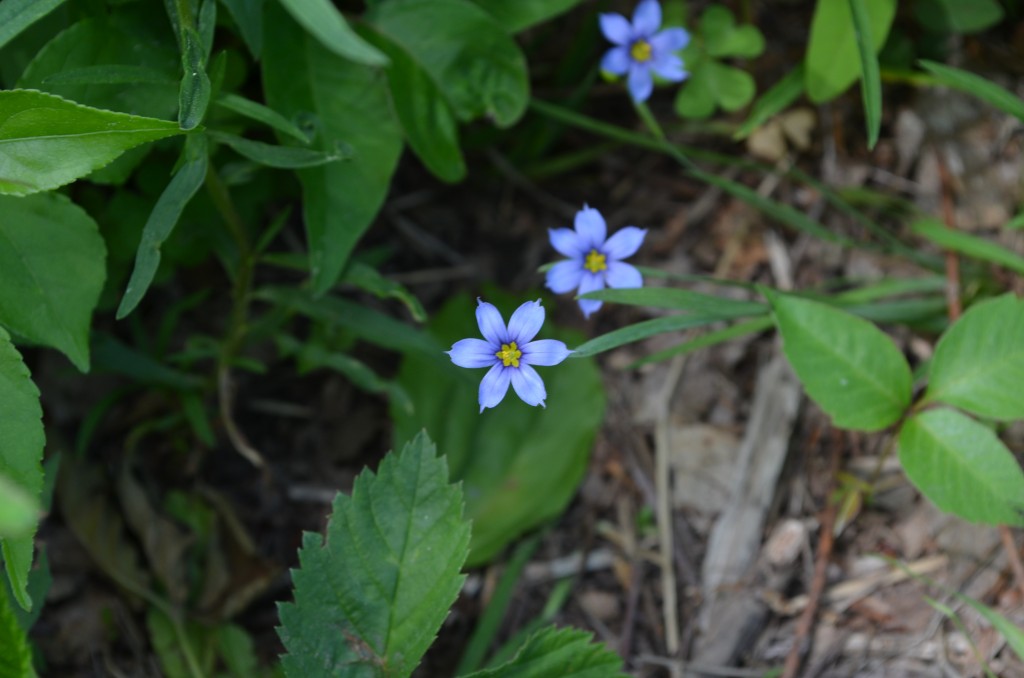
Stout Blue-eyed Grass

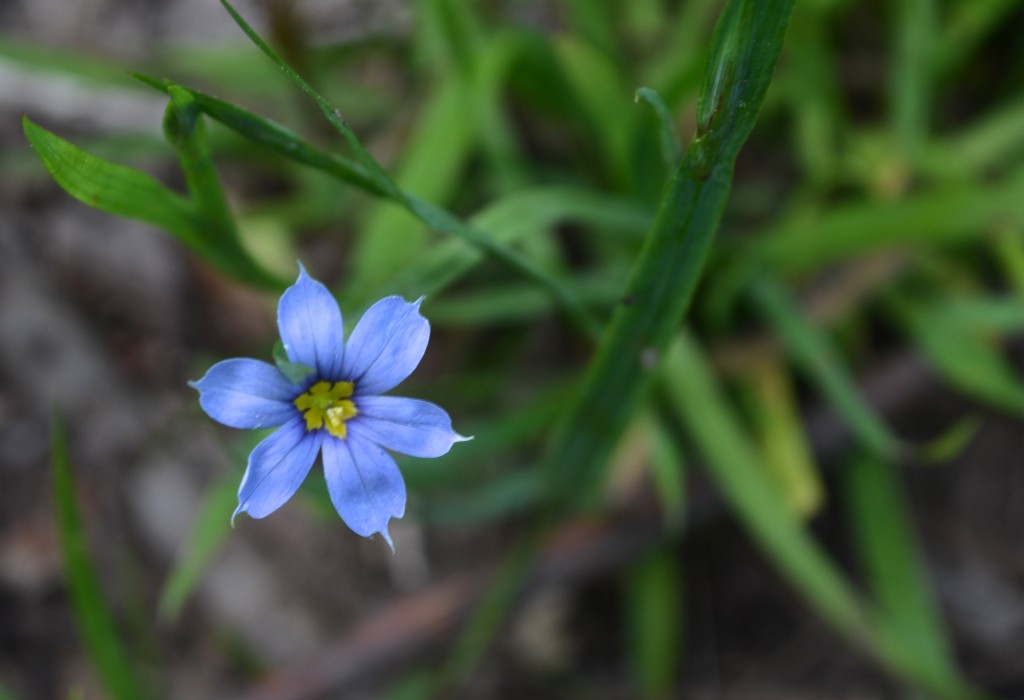
Blue-eyed grassBlue-eyed Grass

One of my favorites because of its excellent name and color, and because mere ovoid petals weren’t enough, they needed that little barb on the ends. There are several varieties of blue-eyed grass—Stout is often pale blue like this. Native perennial. Iris family.

Stout Blue-eyed Grass (sisyrinchium angustifolium)

Dewberry

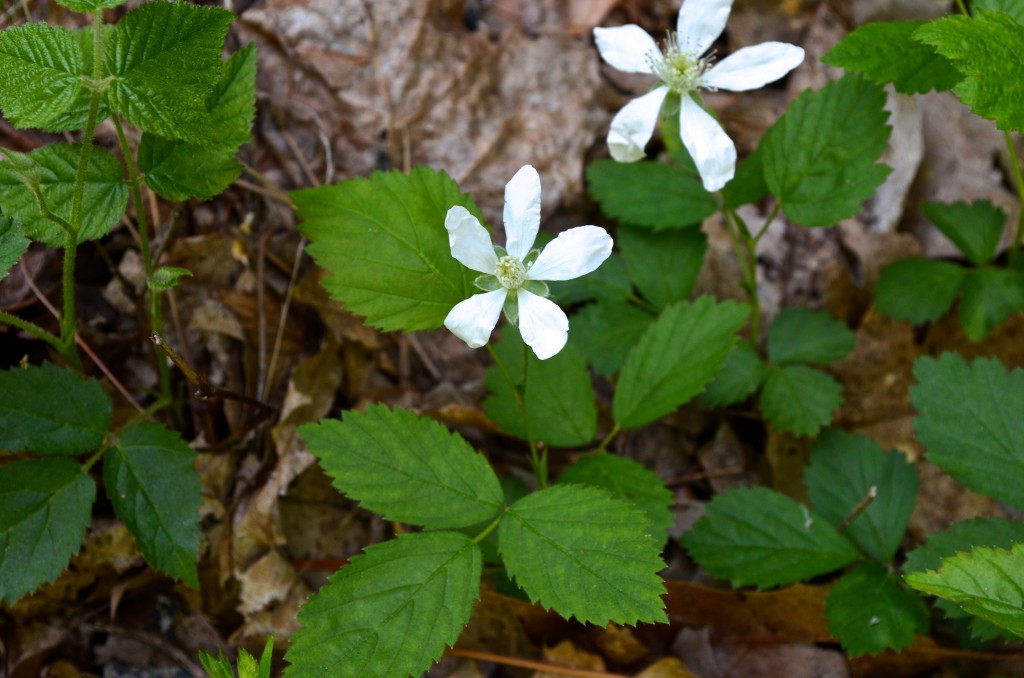
Dewberry

Another one that resembles Blackberry, but it’s a prickly creeping vine instead of a bramble of arching canes. It has a black fruit, large and sweet! Rose family.

Dewberry (Rubus flagellaris)

Common Blackberry

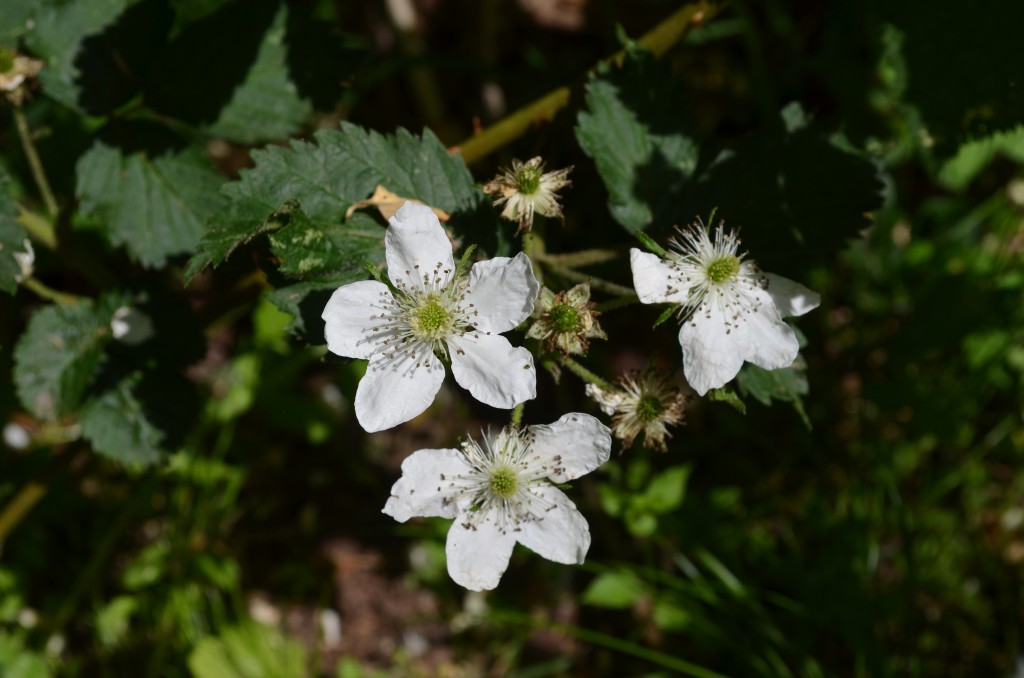
DSC_0143

Looking at plants that resemble each other… This Common Blackberry looks a lot like the multiflora rose (previous post), but without the yellow stamens. I’ve read that blackberries were found in the stomach of a body found preserved in a Danish bog (Haraldskaer Woman), dated to 490 BC. So people have been eating them for thousands of years. Native. Rose family. (June 4)

Common Blackberry (Rubus allegheniensis)

Multiflora Rose

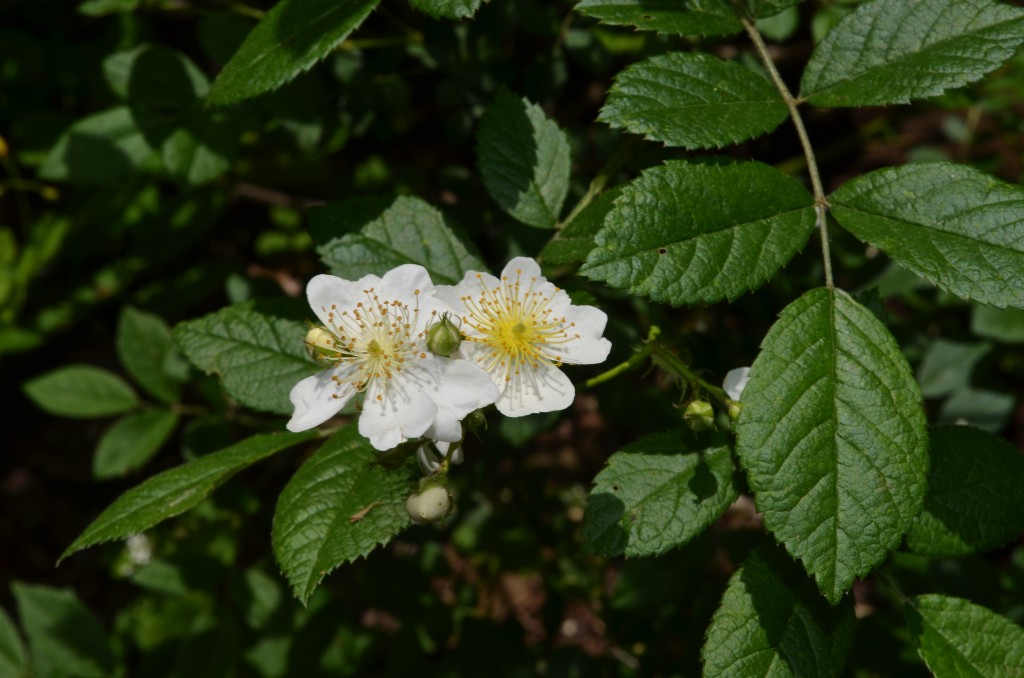
DSC_0142

Thorny climbing shrub. Can be white or pink. introduced to the eastern U.S. in 1866 as rootstock for ornamental roses. Native to eastern Asia. (Photo June 4.)

Multiflora Rose, Seven-Sisters Rose (Rosa multiflora)

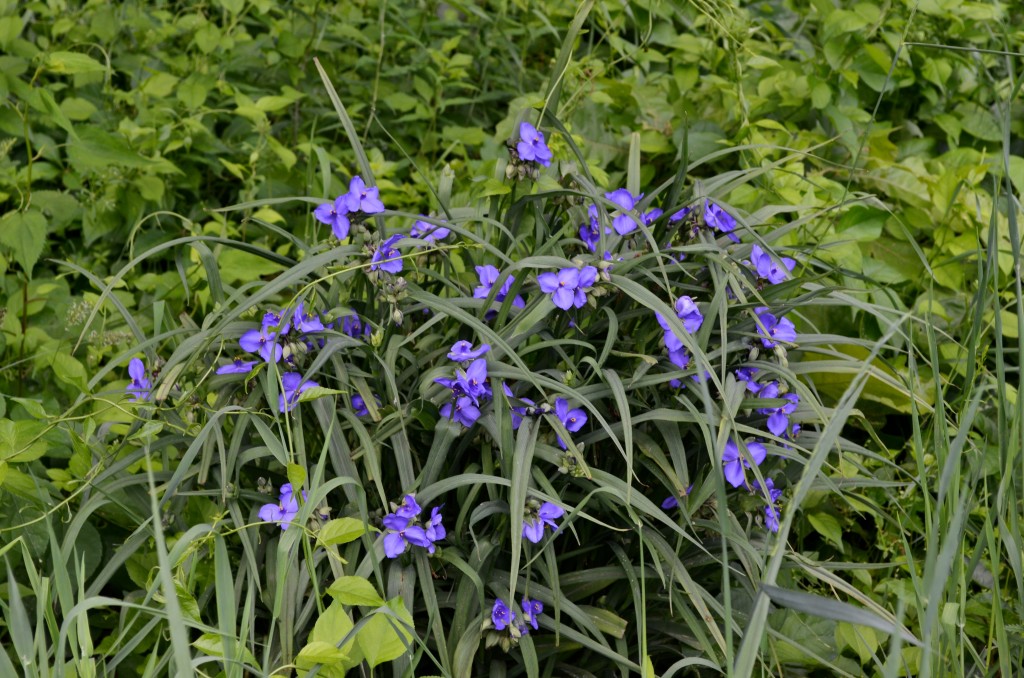
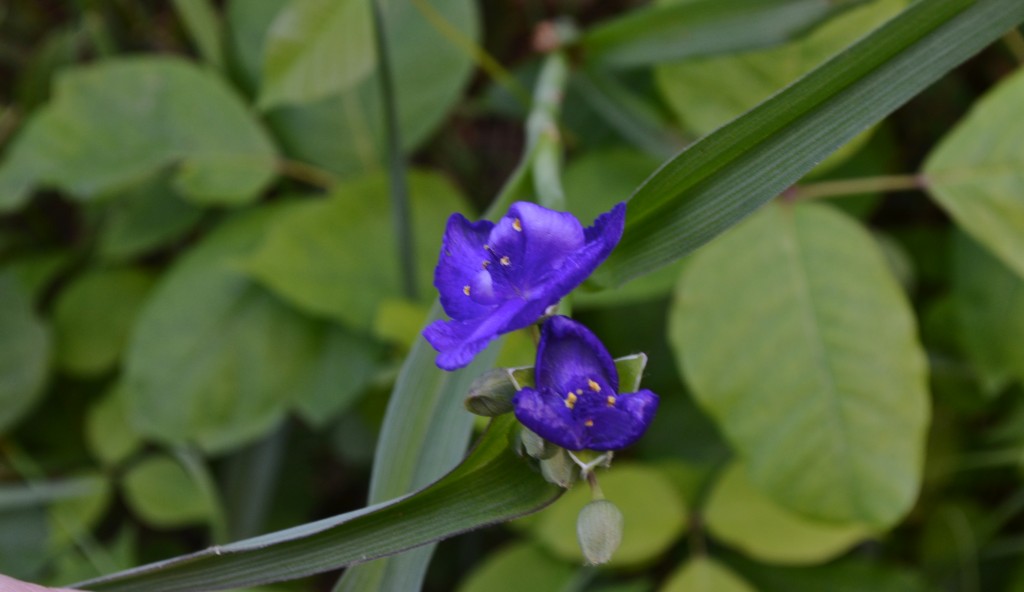
Spiderwort

DSC_0144spiderwort

Each flower lives only one day, but each plant produces 20 or more flowers per stem. The sap has a viscous quality and can be stretched between your fingers like a thread of spider silk. The stems, leaves and flowers are edible, raw or added to stew. The flowers can garnish your salad!The Lakota made a blue paint from the flowers and a poultice for insect bites and stings from the crushed leaves.

(The spiderwort genus is named after John Tradescant, who was a gardener for King Charles I of England (1600-1649). His son brought spiderwort seeds or plants from Virginia to England in 1637. It became a popular exotic plant. Native. (Photo June 4.)

Spiderwort, Cow Slobber, Widow’s Tears, Trinity Flower, Indian Paint (Tradescantia virginiana)