Red-eared Slider

Turtle

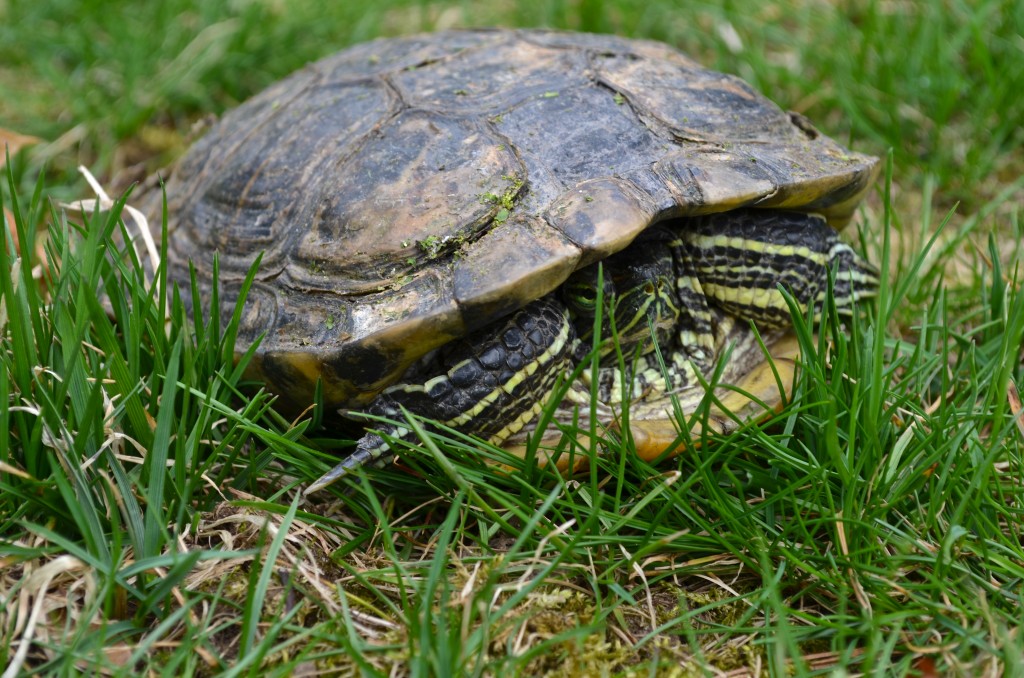
There are stone steps leading from our driveway up to the yard, and one day, a turtle was positioned vertically against the bottom step, with one arm mightily extended onto the top of the step, ready to hoist itself up. I went in to get a camera, had to answer the phone, and by the time I got back, she had gone to plan B. (This is how slow I need wildlife to move for me to be able to take their picture.) Anyway, I think this is a red-eared slider, which is the kind of turtle that people have as little pets, and so many have been released, they are an invasive species in the Northeast. They have green skin and yellow stripes, and a red stripe on each side of the head. They are omnivores, and must be submerged to eat. This one was about 10″ in diameter and was coming from the pond, and still had pond vegetation on its shell. Where was it going?

Red-eared Slider (Pseudemys elegans)
Common Blue Violet

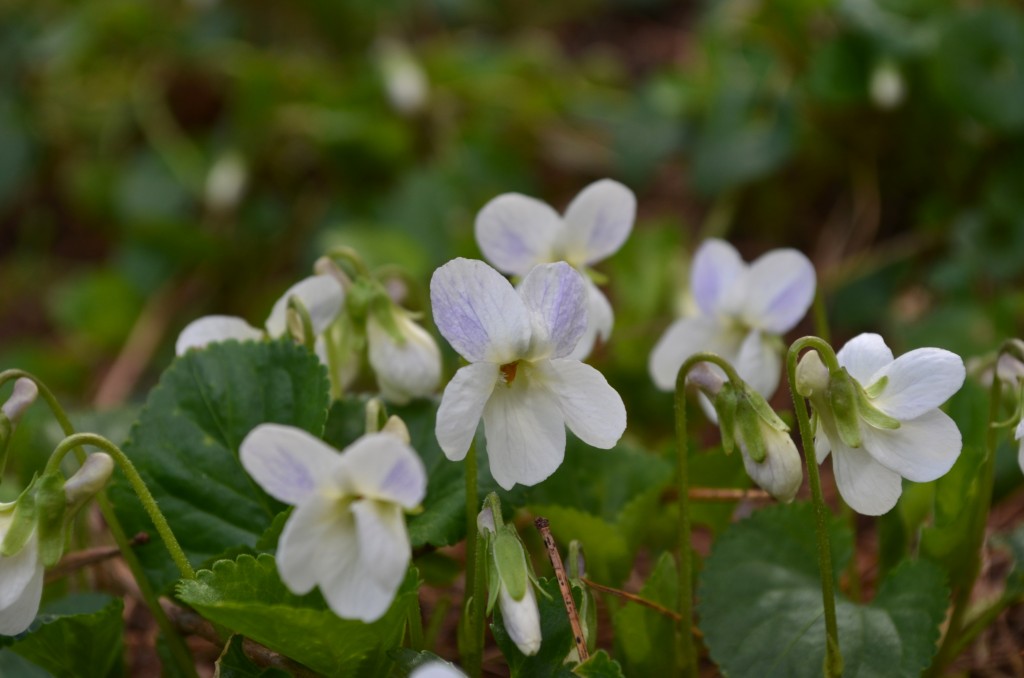
White violets

The violets parade has begun! These were the first I saw, a drift of white violets on the edge of the woods. There are a lot of violet varieties … it appears that this is Common Blue Violet which is a variable species that can occur as white or as in this case, white smudged with lavender. They are native.

Common Blue Violet (Viola sororia)

Purple Deadnettle

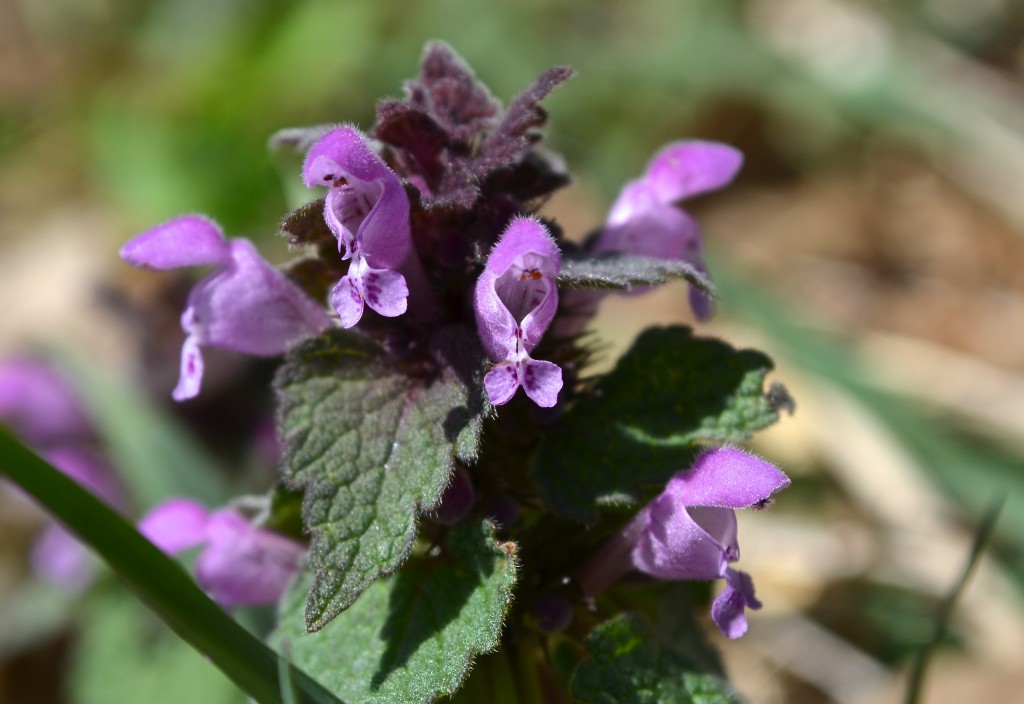
Henbit

Very small, but with an exotic orchid-like form if you look closely. Called deadnettle because even though it looks like a nettle, it is not, and it doesn’t sting like a nettle. Apparently the flowers, leaves and stems are edible, raw, cooked or dried. Mint family. Native to Europe and Asia.

Purple Deadnettle, Red Deadnettle, Purple Archangel (Lamium purpureum)

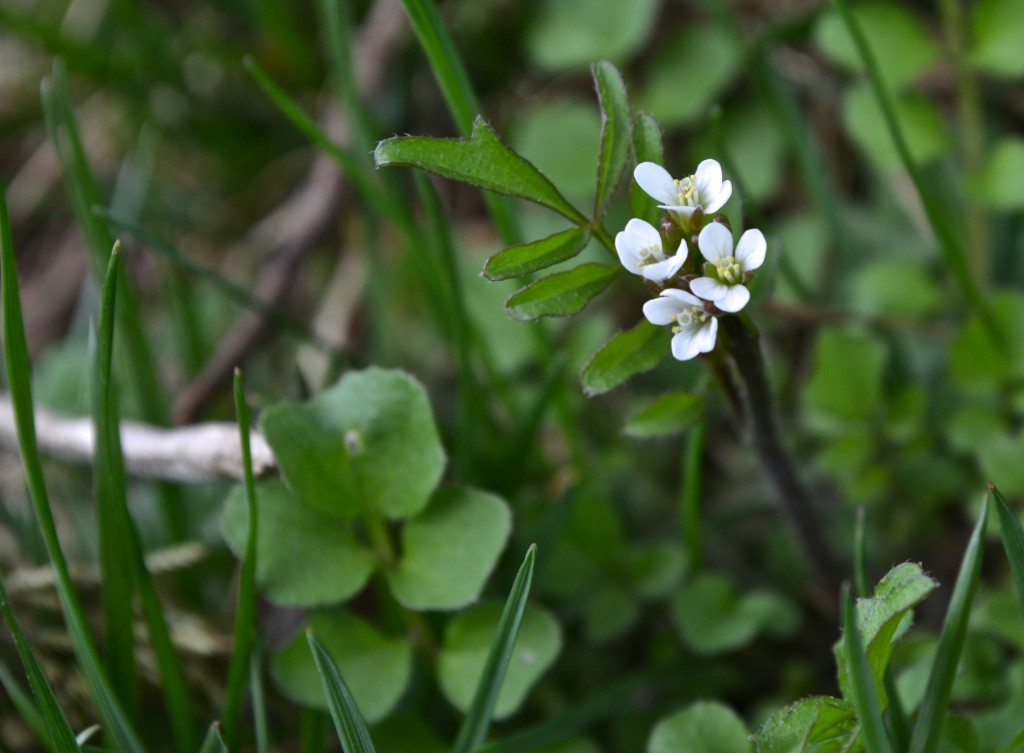
Hairy Bittercress

Hairy BittercressOne of the tiny first flowers to appear in spring. With one of the best names. An edible bitter herb native to Europe and Asia; in North America it’s considered an invasive weed. “Habitats with a history of disturbance are preferred.” (Well put, Illinoiswildflowers.com!) Mustard family.

Hairy Bittercress, Hoary Bittercress (Cardamine hirsuta)

Project Budburst

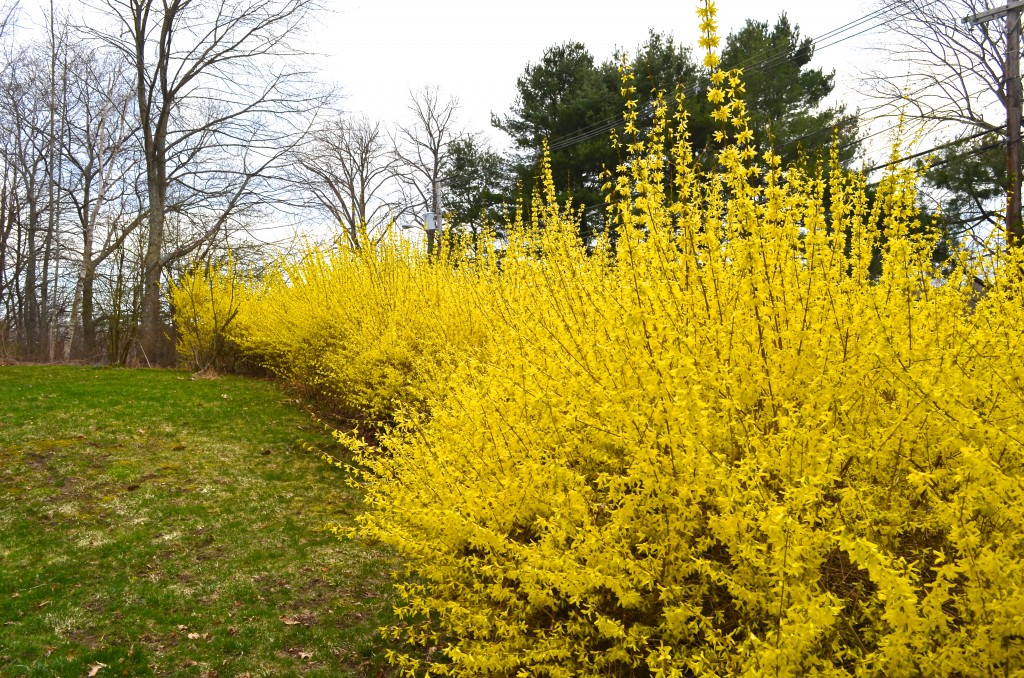
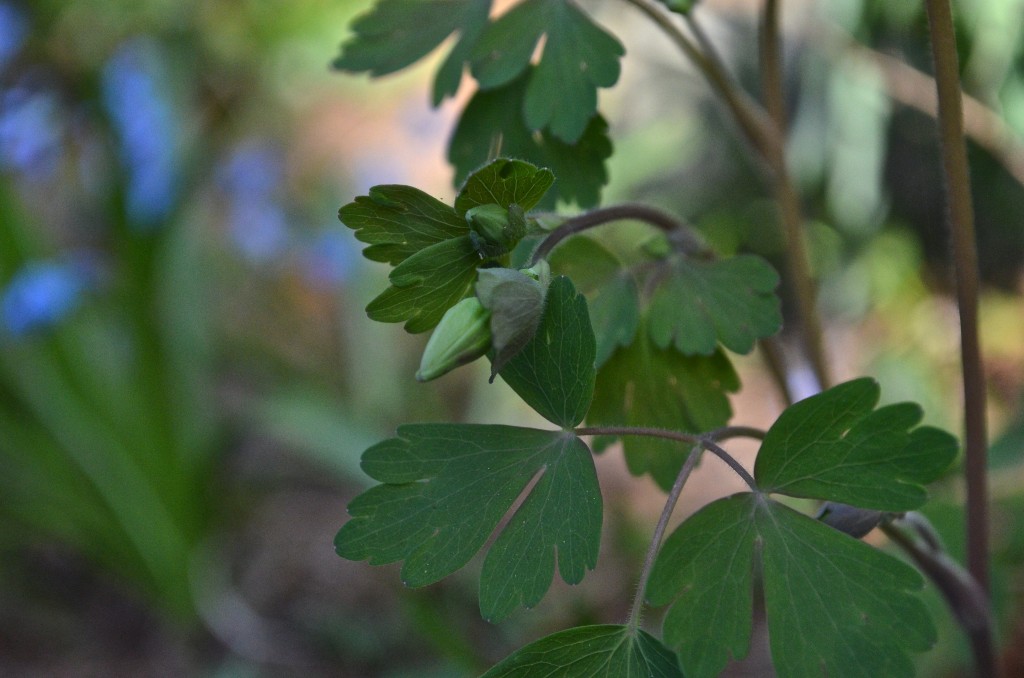
ForsythiaColumbine budFrom AF Lorie, I heard about a citizen science enterprise called Project Budburst, which is loads of people picking a few plants to monitor, and inputting the data on their website to be compiled and charted. I picked forsythia and red columbine in my own yard (pictured), and the assignment is to note when they leaf, flower, etc., to help understand the effects of climate change. Phenology: the study of the timing of seasonal biological events like migration, mating, flowering, budburst.

About the Boston Marathon

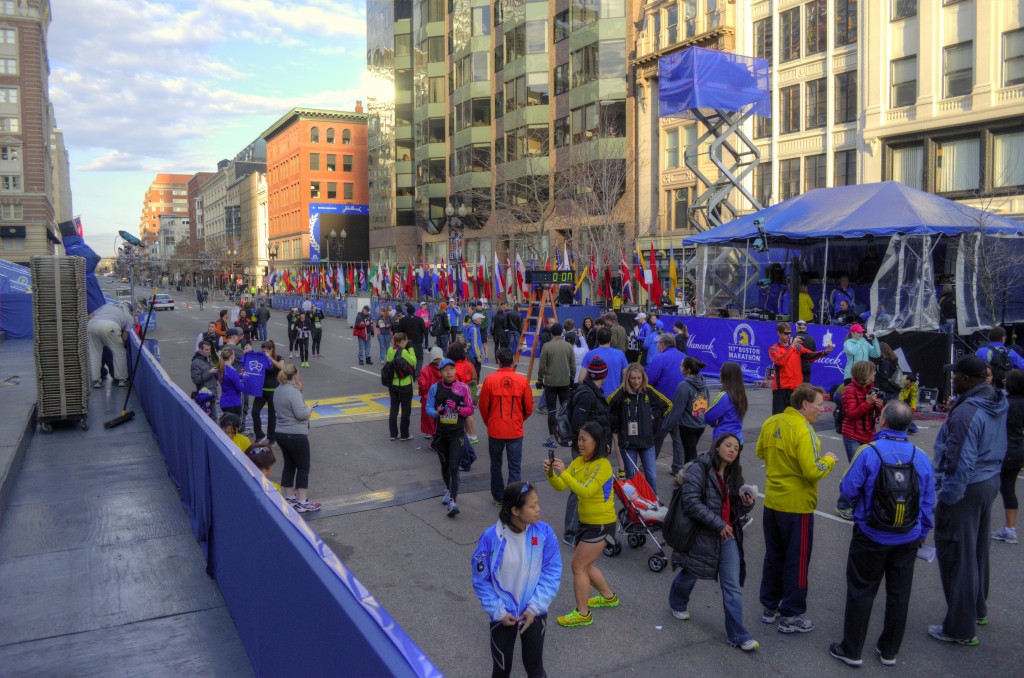
Brian in the 5K crowd2I just want to digress for a moment from wildflowers to the task of living in the world. Yesterday was the running of the Boston Marathon. The day before that, they held a 5 K race that loops around downtown Boston and everyone gets to cross the same finishline as the marathoners will cross the next day. B ran that 5K race and I took pictures. It was a beautiful morning and it was fun to be part of the huge crowd with their energy up and ready to run, and all their friends taking their pictures together. This second picture is of the finish line area, still getting set up before the race.BostonMarathonFinishline

Behind that line of flags is where someone detonated a bomb the next day, during the marathon, when that area was full of spectators. I was there myself, behind the flags, looking for a good view of the finishline… but it was Sunday, not Monday, so we walked away safely later that day and thought nothing of it. And the people in this picture are the kind of people that got blown up: young people, families, people taking pictures of their friends. I assume the bomber was there on Sunday, when I was there, planning where to distribute death, and could look at these people and somehow, he still carried out his plan.

Lesser Celandine

Marsh marigold

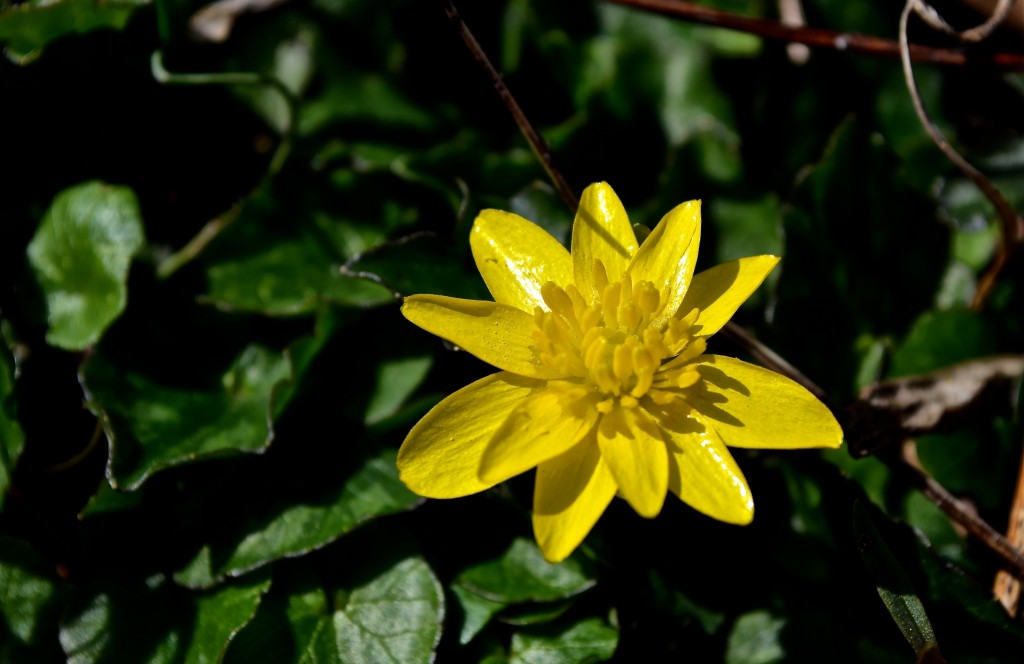
Last year I misidentified these as Marsh Marigold. Now I have better resources, and I know that Marsh Marigolds don’t have this many petals. So based on the number of petals (8-12) and the heart-shaped variegated leaves, it’s Lesser Celandine (to distinguish from Celandine, a larger wild poppy). They follow the sun during the day and close in cloudy or cold weather. The name Celandine is derived from the Greek word for swallow (chelidon), because the early flowering time was also when the swallows arrived. (Last year we spotted these March 22… so… 3 weeks later this year.) Buttercup family.

Lesser Celandine (Ranunculus ficaria)

Siberian Squill

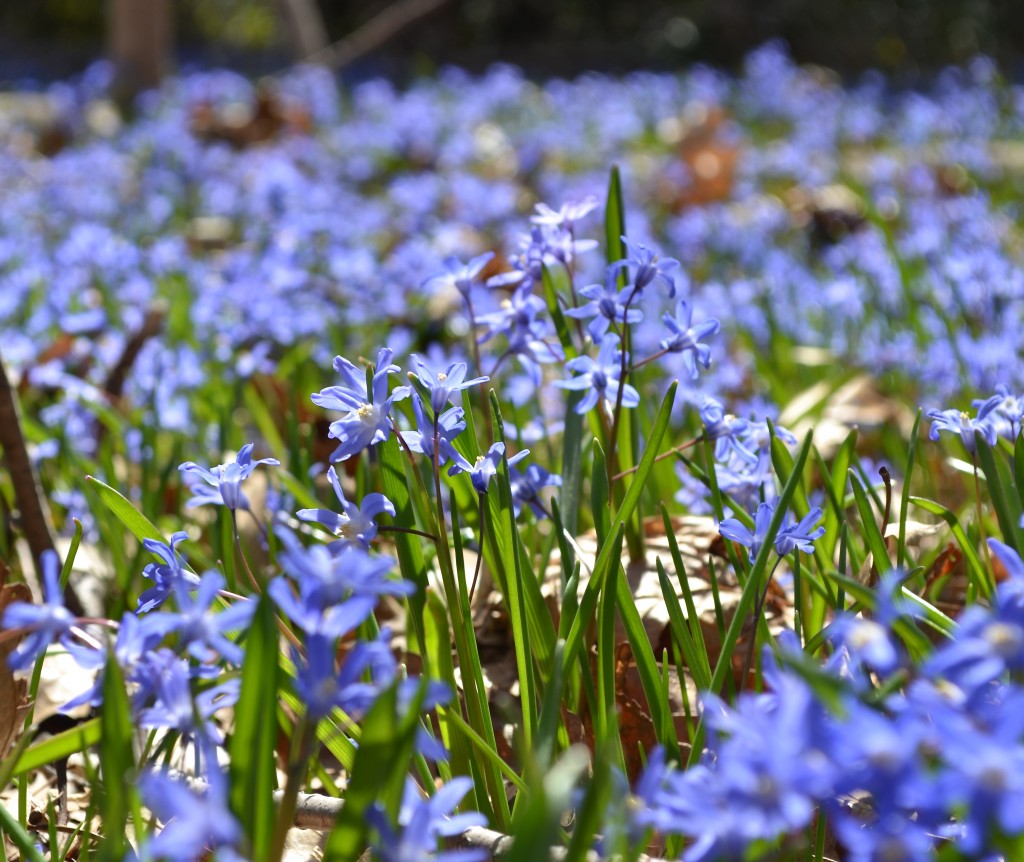
Scilla sibericaAt Centennial, I noticed a single beautiful little blue flower among the brown leaves. I wasn’t going to count it because it’s Scilla siberica, a spring bulb flower. But as I kept looking, I saw this big drift of color at the edge of the woods where this flower had been naturalized, and the single one I saw was clearly an escapee from this group. So let’s not count it as a wildflower, but the field of blue was so gorgeously springy as to require a post. Native to southwestern Russia, the Caucasus and Turkey. But not Siberia.

Siberian Squill (Scilla siberica)

Chickweed

Chickweed

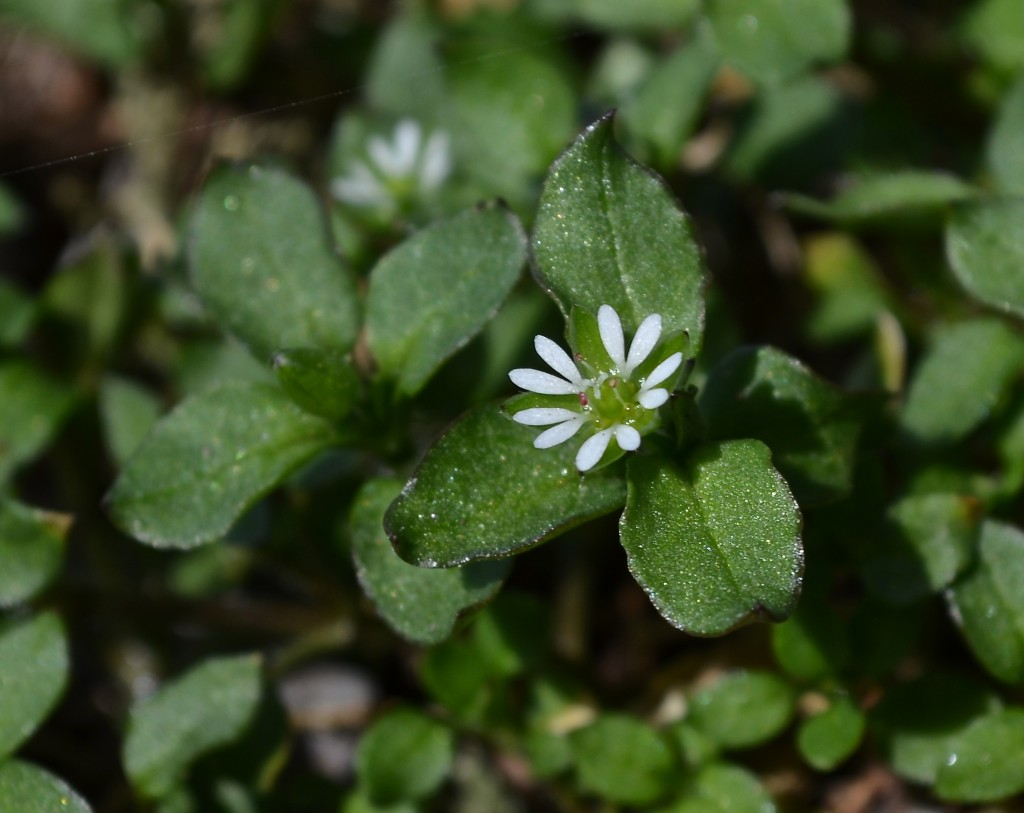
Tiny… and the first wildflower I’ve spotted since the Skunk Cabbage. You can see it has five deeply-notched petals, so it looks like ten cute white bunny ears, as the botanists say. Non-native and somewhat invasive. Alert Flowerophile Donna points out: “I was just looking at last year’s entries … Definitely chickweed, creeping charlie and marsh marigolds. .. The thing was the DATES … All I’ve mentioned you have listed as appearing last year in March … The chickweed, if I remember right, was March 19th!  Of course, I’m pretty sure there was SNOW on the ground this year on the 19th of March. I am going to be very interested to see if the dates continue to be a few weeks off or whether they somehow “catch up.”  I guess I’m telling you this in order to memorialize my interest in the sequence of the flowers appearance…”

Common Chickweed (Stellaria media)

Spring peepers

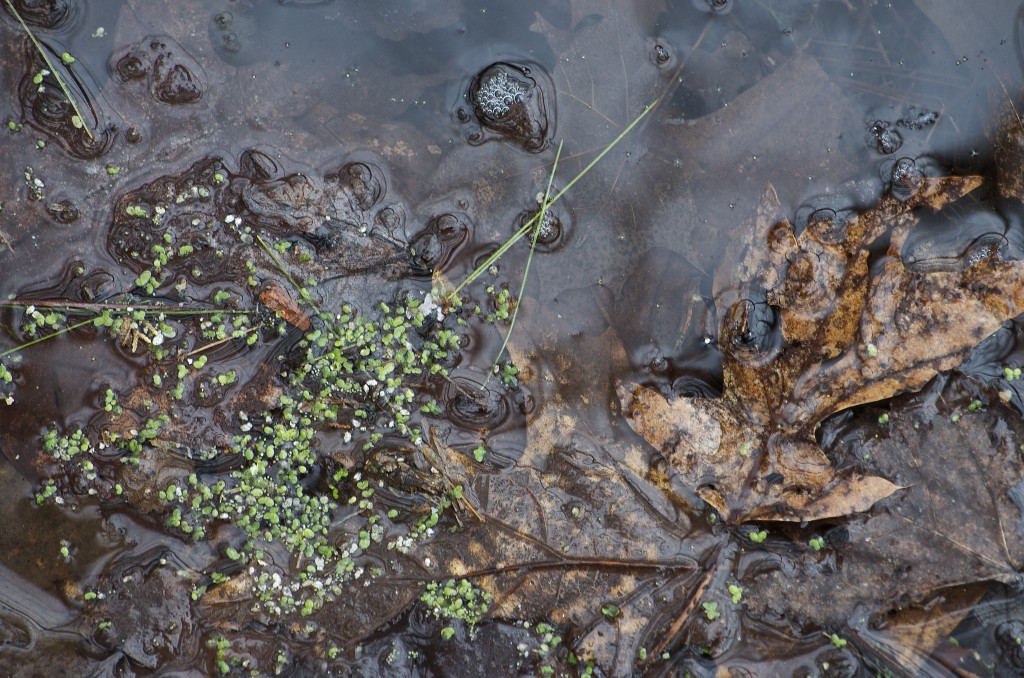
pond surface in springThe first sounds heralding the arrival of spring: 1. The snarling, metallic, tiny weed-whacker sound of the beard trimmer. That’s B shaving his winter beard because it’s the vernal equinox, and like all the other creatures compelled by their DNA to respond to the seasons, he must shed his winter coat.  2. Spring peepers! This year I first heard them March 28. (Last year it was March 12.) They are “chorus frogs,” and can live in breeding groups of several hundred. Their bodies can be less than an inch long or up to about 1.5 inches. It’s only the males that make the sound (to attract their women). They hibernate under logs and leaves, and can survive being mostly frozen. Then in spring, you hear them especially in vernal ponds and other temporary wetlands. They lay their eggs in the water, and then live on land the rest of the year, feeding on insects. I’m sorry this photo is just a thawing pond with no actual frogs to look at, but here’s a video that shows some Connecticut peepers in action:

Spring Peepers (Pseudacris crucifer)