Bloodroot

Bloodroot

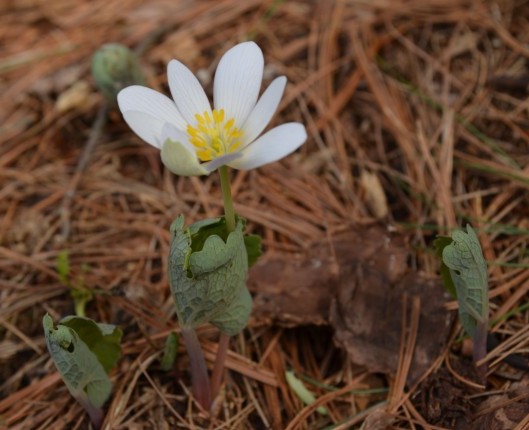
A “spring ephemeral.” Has only basal leaves which wrap around the flower stalk as it begins to bloom. Then the leaves open fully as the flower withers. The flowers bloom only one or two days each, with a fragrant scent. The foliage contains a red juice (which was used by native people to make dye). It’s toxic and usually avoided by herbivores. Native to eastern North America. (This sample is in my yard, an import from the Whitesides garden in Charleston, Illinois.) Poppy family

Bloodroot (Sanguinaria canadensis)

Lesser Celandine

Lesser Celandine

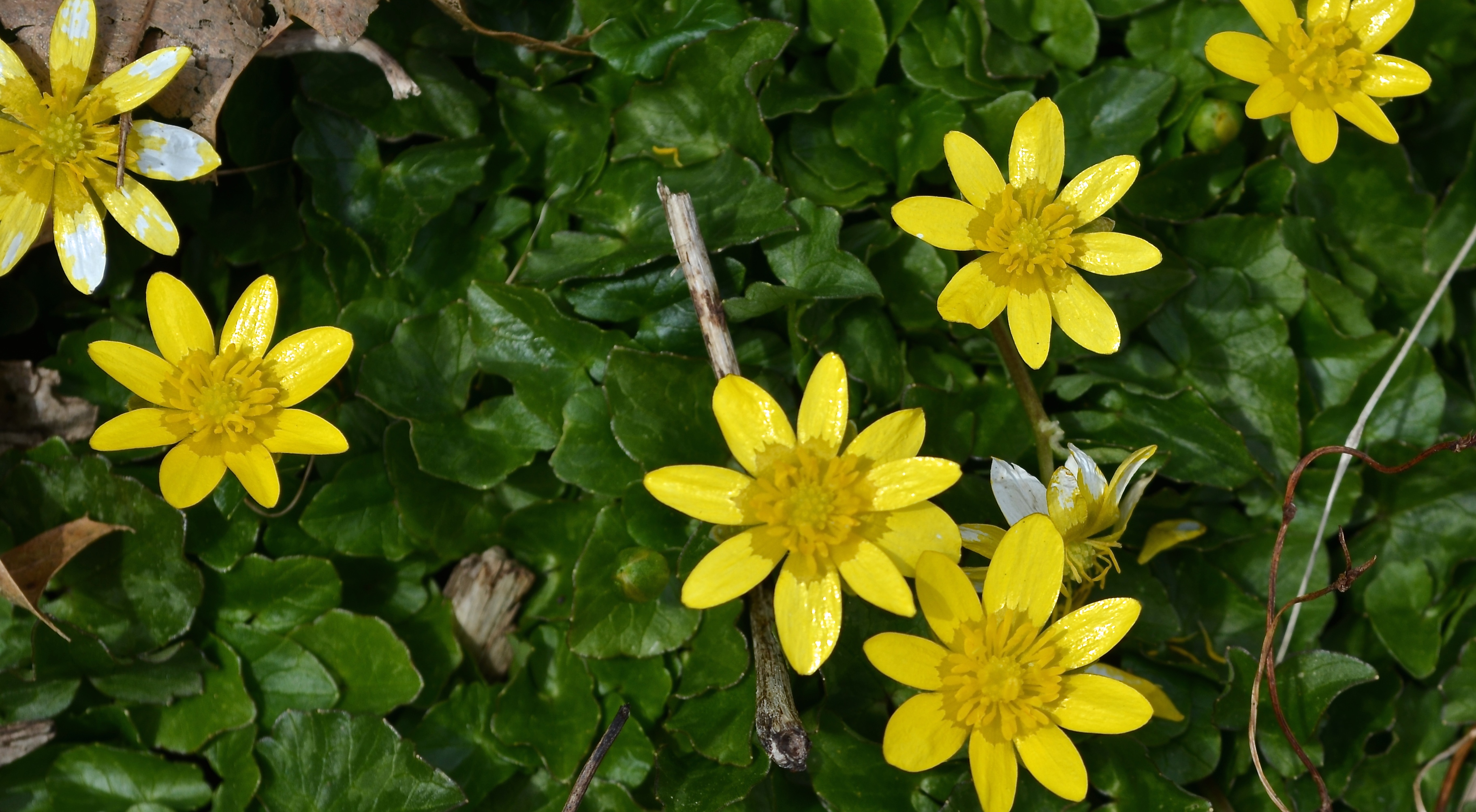
This is one of the first wildflowers to appear here after Skunk Cabbage leads the way. (Photo from April 22.) It’s Lesser Celandine to distinguish from Celandine, a larger wild poppy. It follows the sun during the day and closes in cloudy or cold weather. The name Celandine is derived from the Greek word for swallow (chelidon), because the early flowering time was also when the swallows arrived (and the flowers faded when they left). It is not native, found throughout Europe and west Asia. Don’t eat it: “Unsafe in any quantity.” Buttercup family.

Lesser Celandine (Ranunculus ficaria)

First sign of spring: Skunk Cabbage

Skunk Cabbage in black swampskunk cabbage sproutsSkunk Cabbage and oak leaves

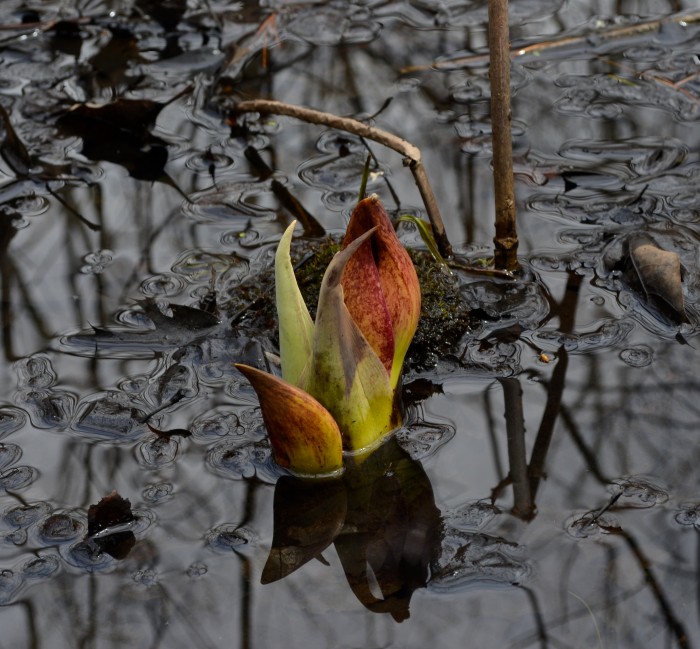
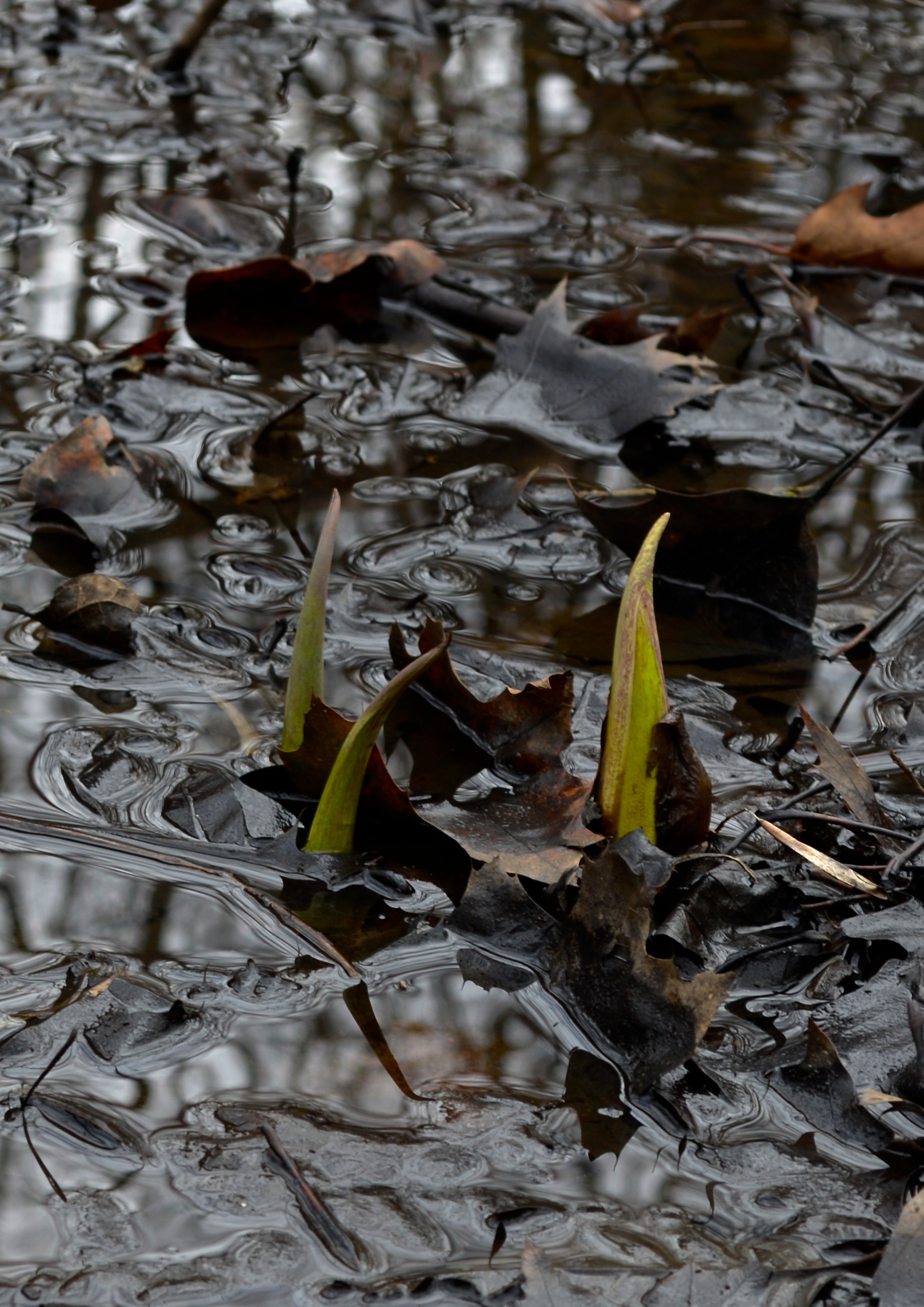
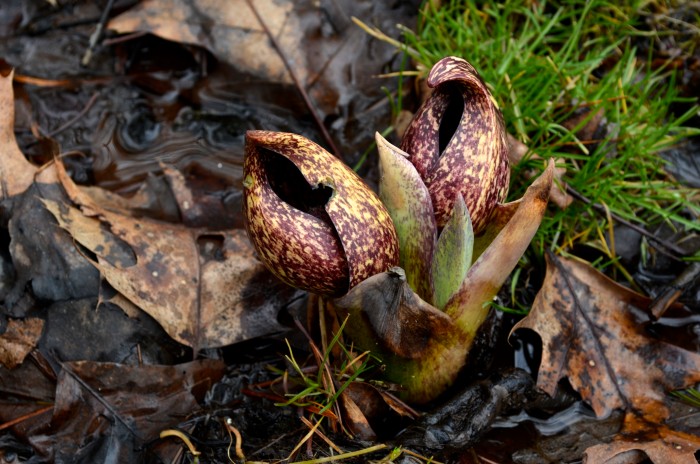
The skunk cabbage has been up for weeks. It came up through the ice and snow—skunk cabbage flowers make their own heat, so that the temperature inside the sculptural spathe is considerably warmer than the surrounding air. You can see in these shots that some of the tips got frostbitten. Now that everything is melted, this marsh looks black and primordial, with green and wine-colored fingers reaching up through the muck. Native to eastern North America.

I first heard the peepers on April 5. It’s been a long winter—last year the peeper debut was March 28, the year before was March 12. This afternoon at Ridge Hill, they were dazzlingly loud. It was fantastic. The winter forest roaring back to life!

Eastern Skunk Cabbage, Polecat Weed, Swamp Cabbage (Symplocarpus foetidus)

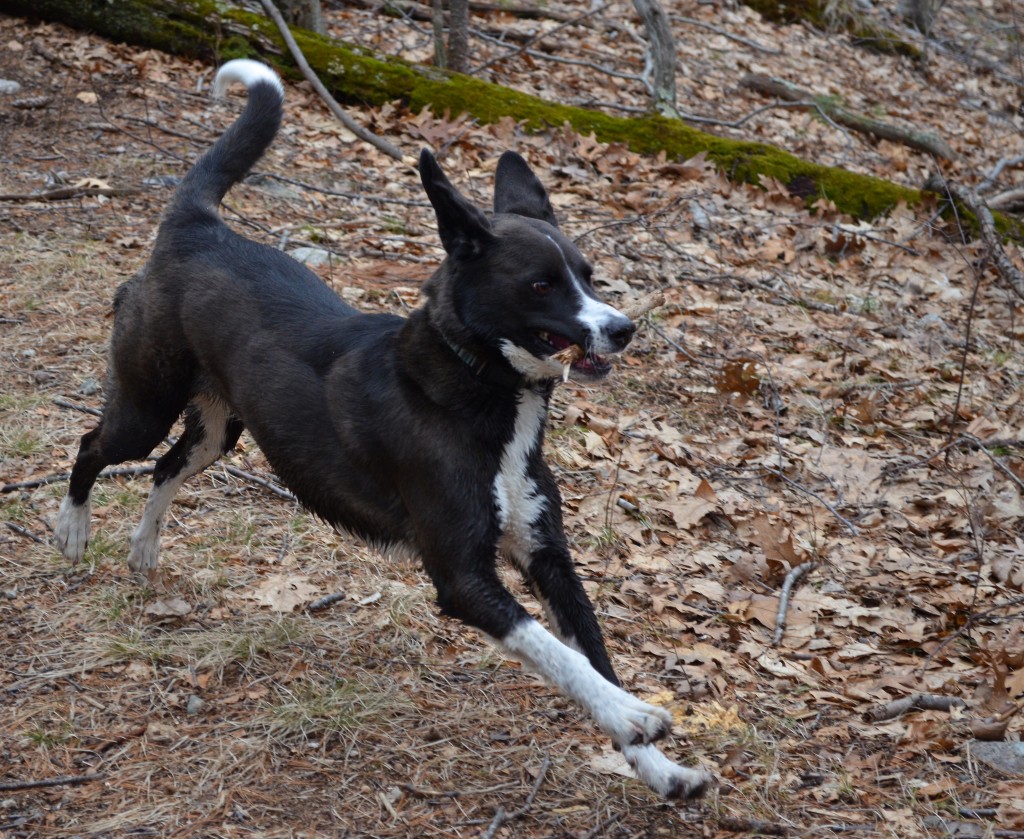
Bonus picture: this is the kind of action that immediately follows sloshing around in the swamp. Lucy with a stick


Calico Aster

Calico Aster

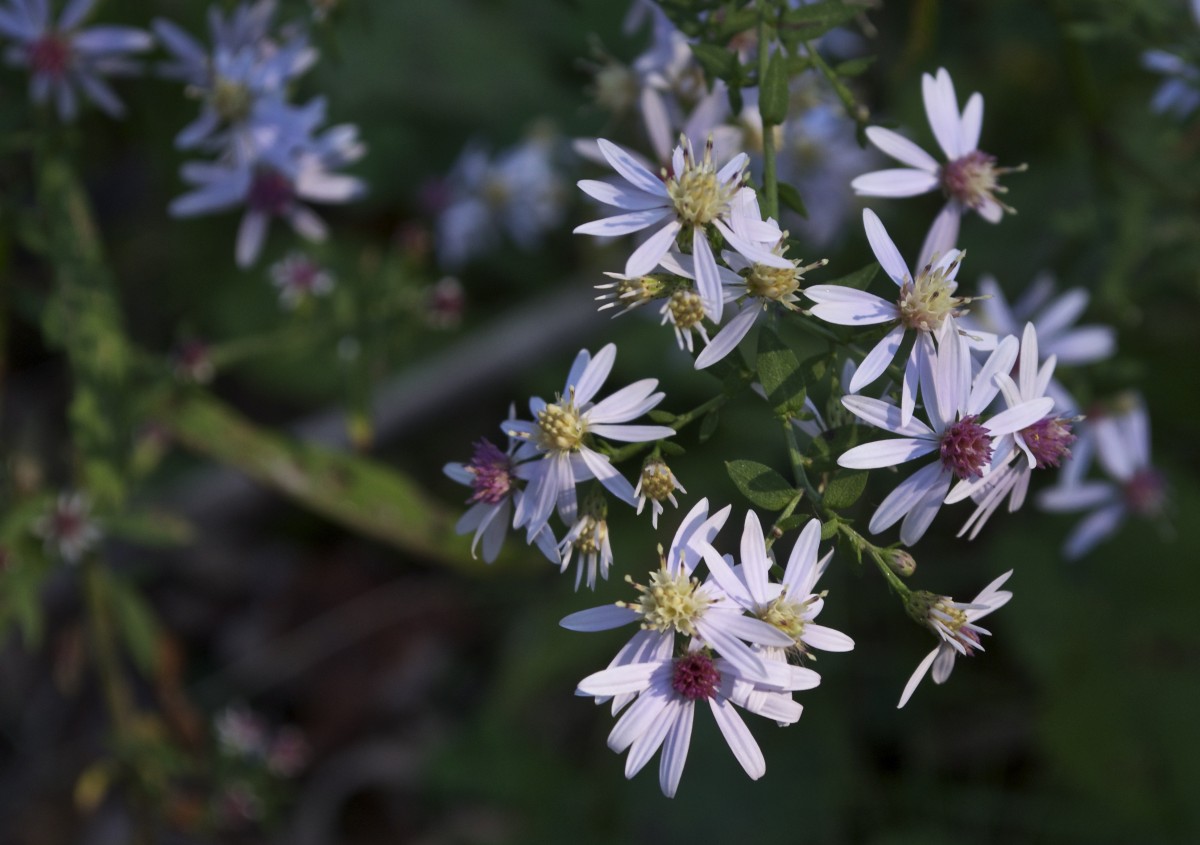
Recently spent a weekend in Vermont, driving the supply car for my motorcycle gang (!) and hiking Mt. Abraham. This calico aster was near our cabin, but it’s also common in my usual territory.

Aster family. Native. The central disk starts out pale yellow but matures to brown or red-violet–- this color variety is evidently the source of the calico name. Rays can be white or lavender-tinged. Primarily a woodland species.

Calico Aster, Starved Aster (Aster Lateriflorus)

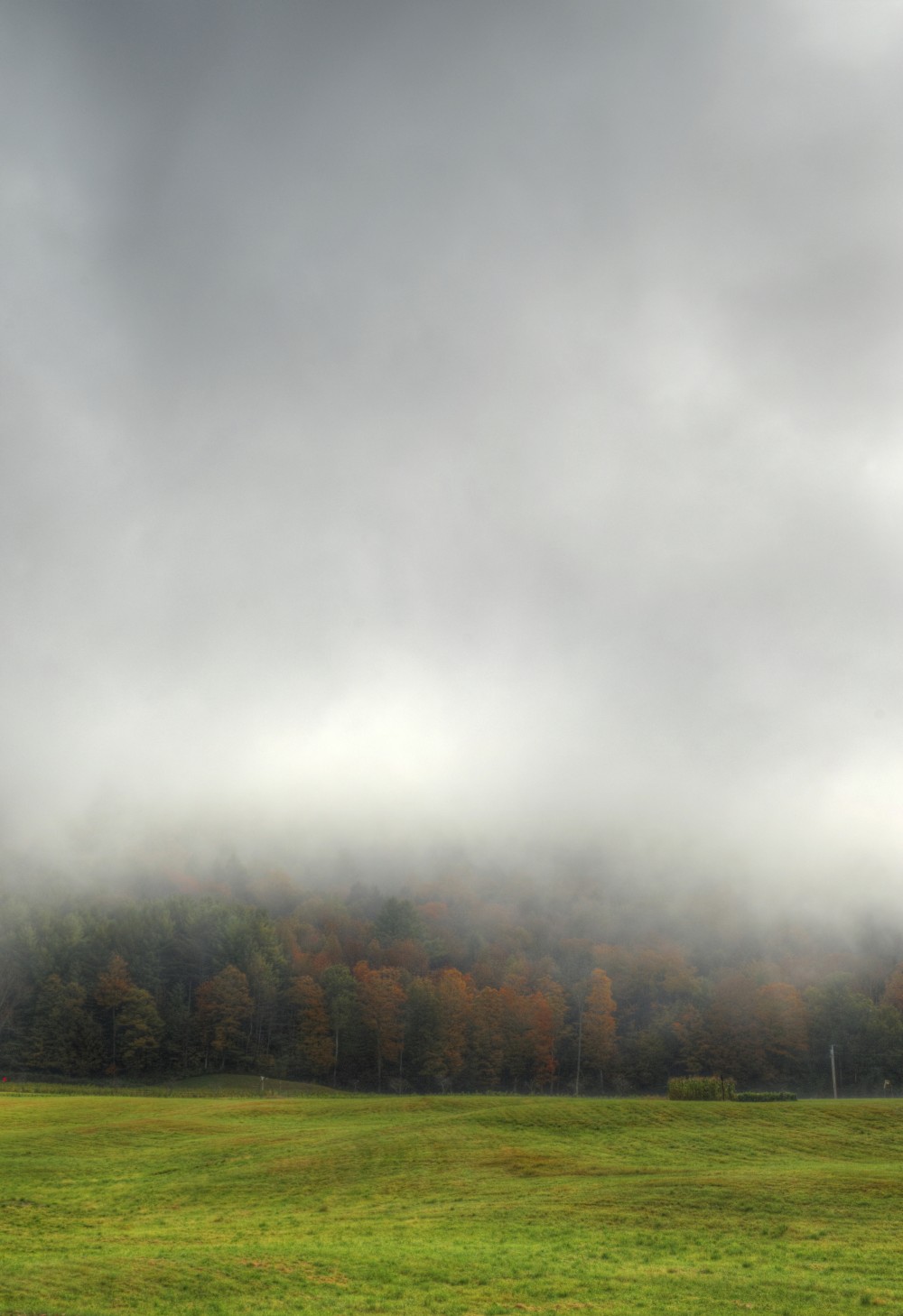
Bonus photo: Morning clouds down in the valley. Vermont is really charming and apparently hardly anyone lives there, or at least that’s the feeling you get once you get off the highway. No wonder leaf-peeping in Vermont is so popular.Vermont-morning1

False Solomon’s Seal (fruiting)

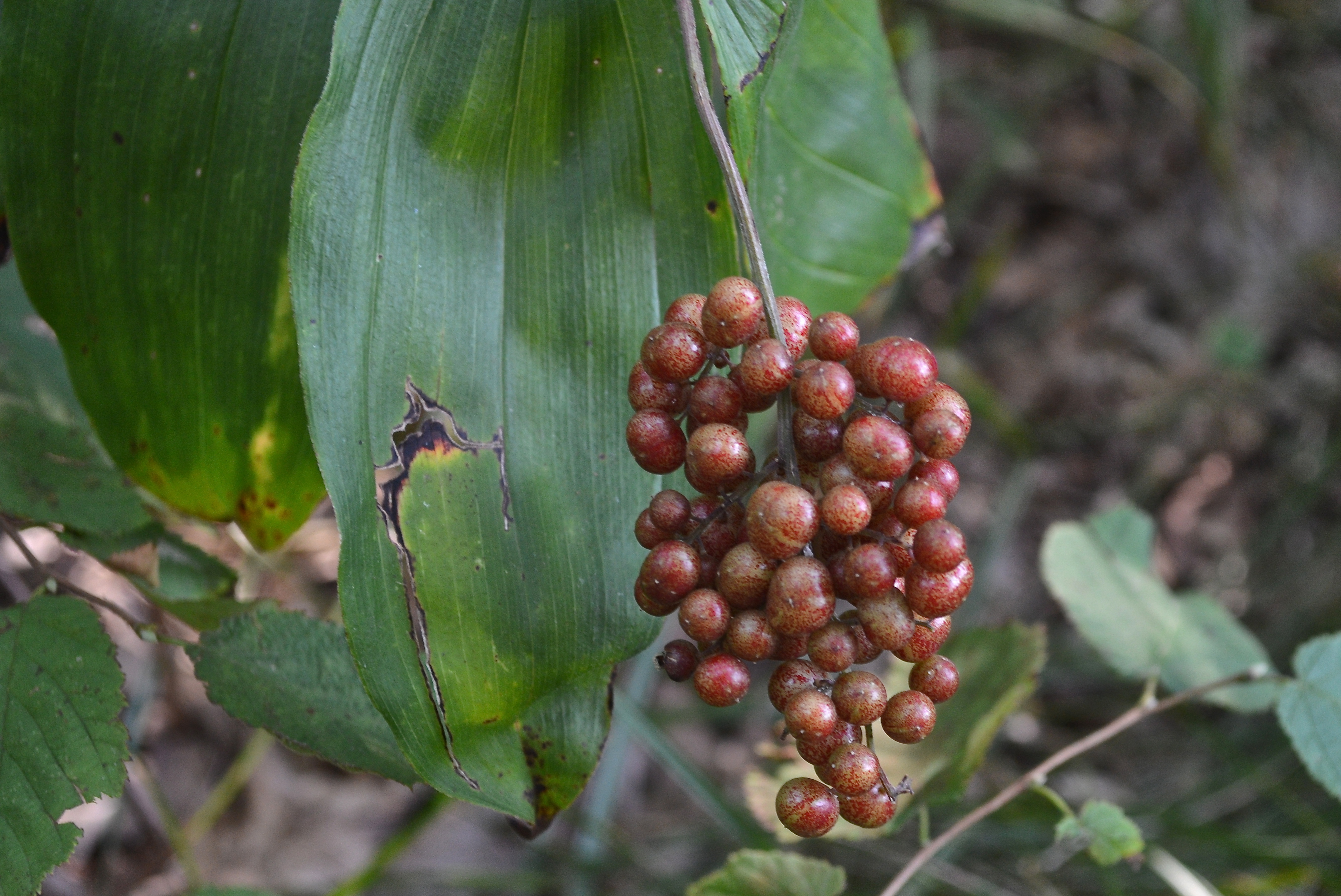
False Solomon's Seal fruitIn the spring, white flowers. In the fall, red berries. (The berries can have a laxative effect. Also, apparently native people made a tea of the leaves for use as a cough medicine and a contraceptive!) Ruscus family. Native.

False Solomon’s Seal, Treacleberry, Solomon’s plume, False Spikenard (Maianthemum racemosum)

Smallspike False Nettle

False NettleFalse Nettle 2

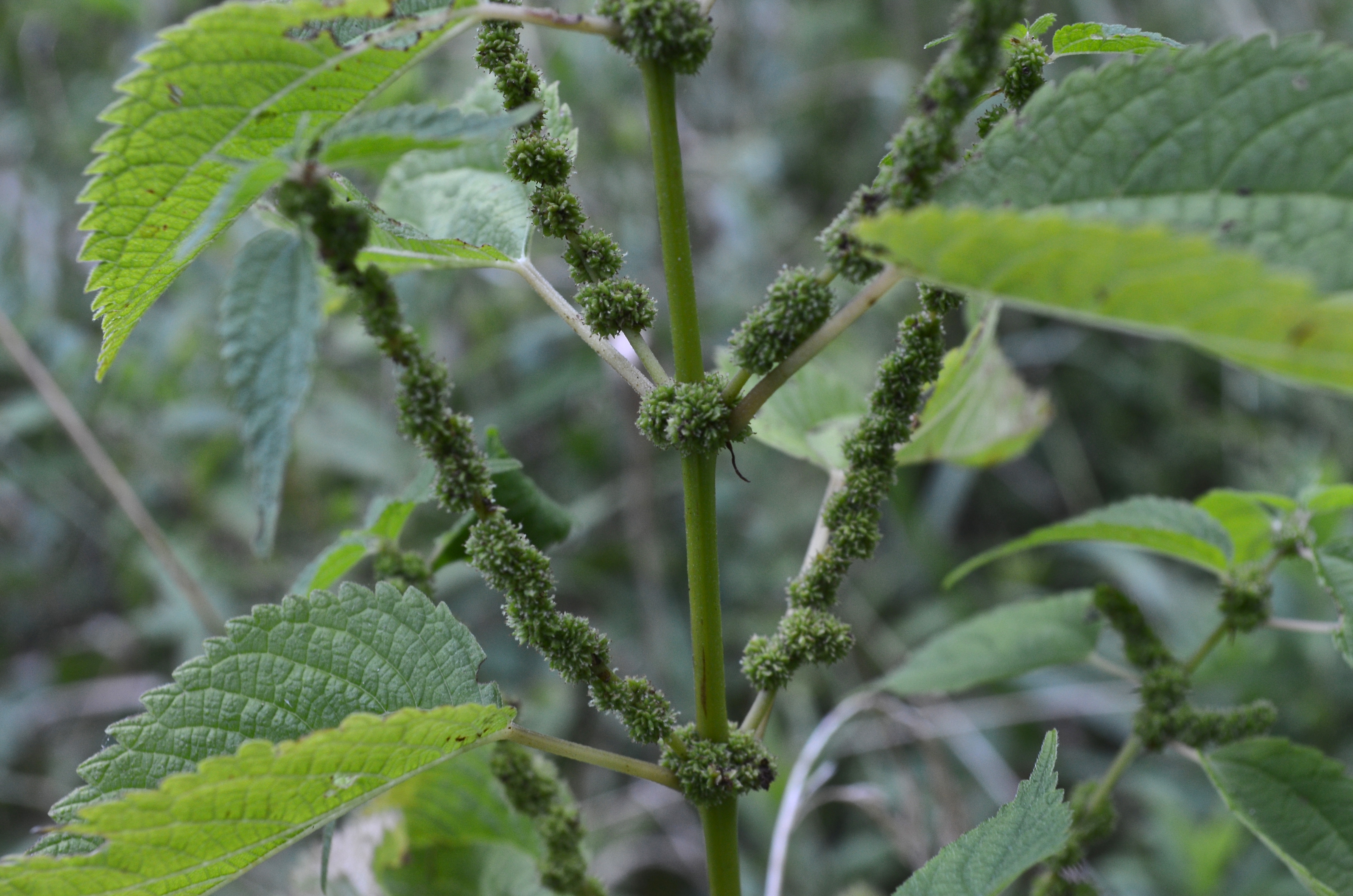
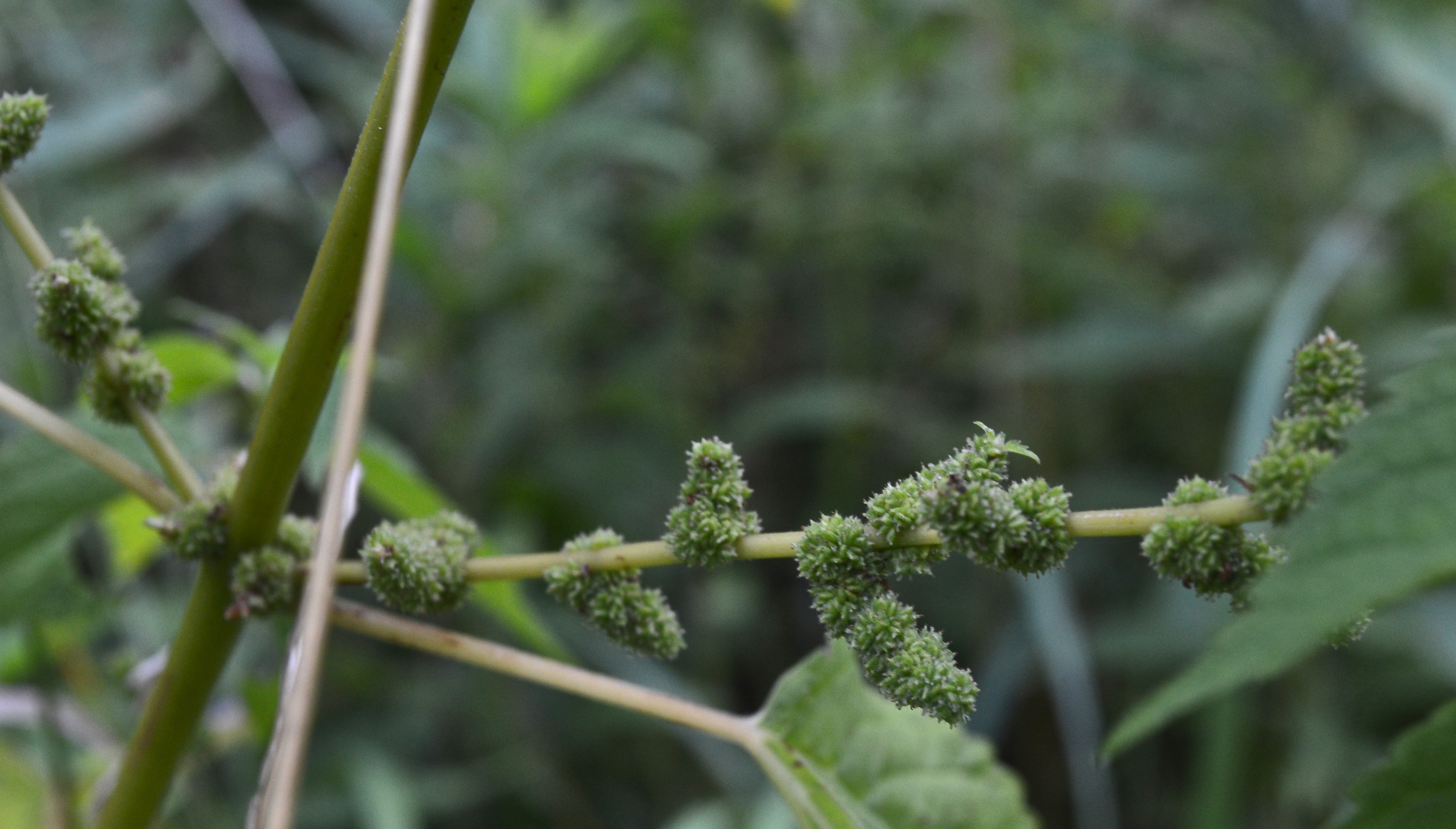
When I saw this I wondered if it had a disease or a parasite, but it turns out these are tiny green flowers. This plant is in the Nettle family, but has no stinging hairs. Can be about 3 feet tall. Likes wet and shade. Attracts moths and butterflies.

Smallspike False Nettle, Bog Hemp (Boehmeria cylindrica)

Great Blue Heron

This morning we took a paddle on the Charles River. This bit borders Cutler Park and is about 20 miles upstream from Boston Harbor. I was trying to take a picture of an egret farther away when I realized we were really close to this well-camouflaged heron hiding in the pickerel weed!
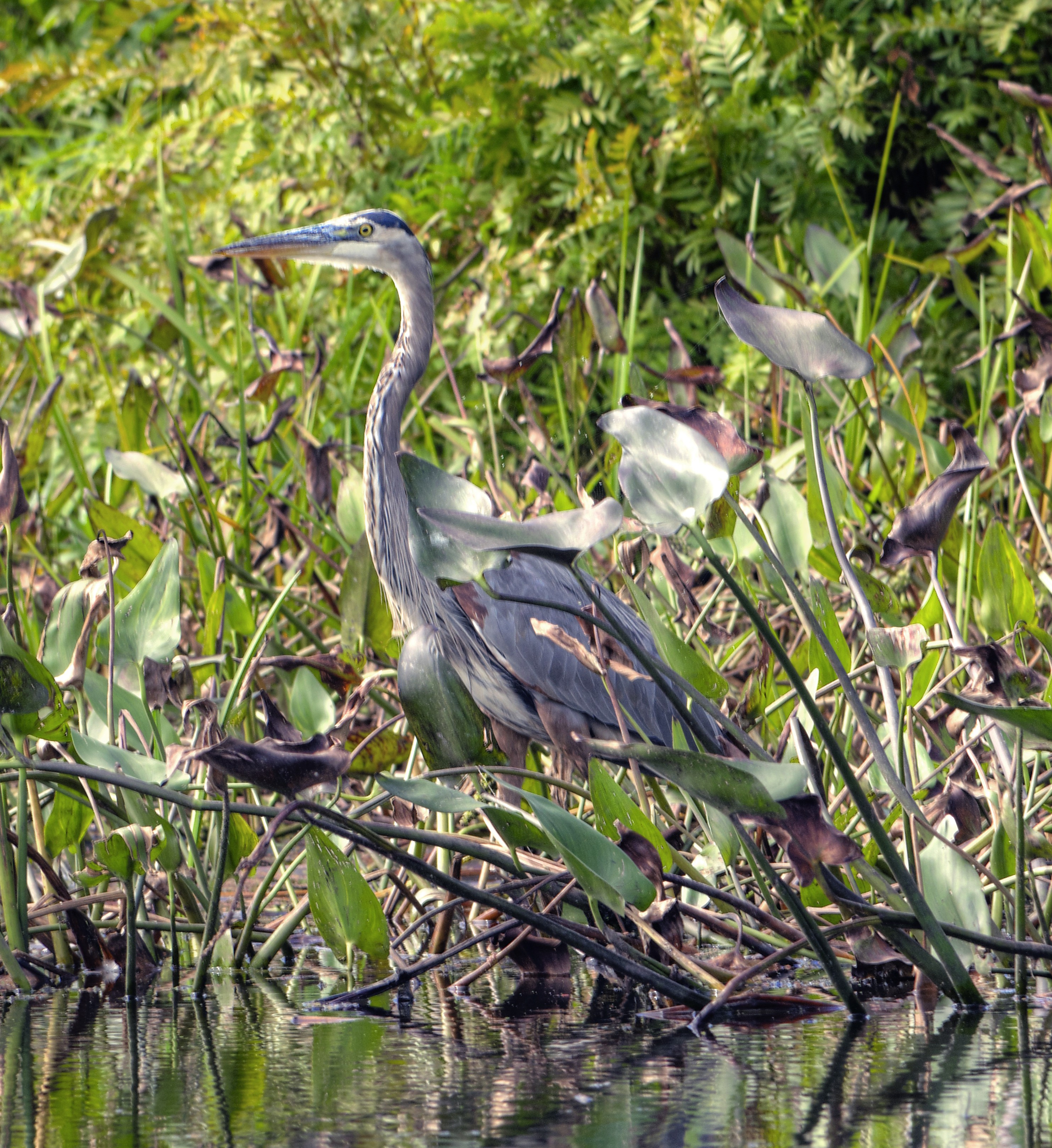
GreatBlueHeronThe closest I’ve ever been to one — thrilling surprise! So tall — I feel like it was head-level with me in the canoe. Later we saw another one which had caught a fish…
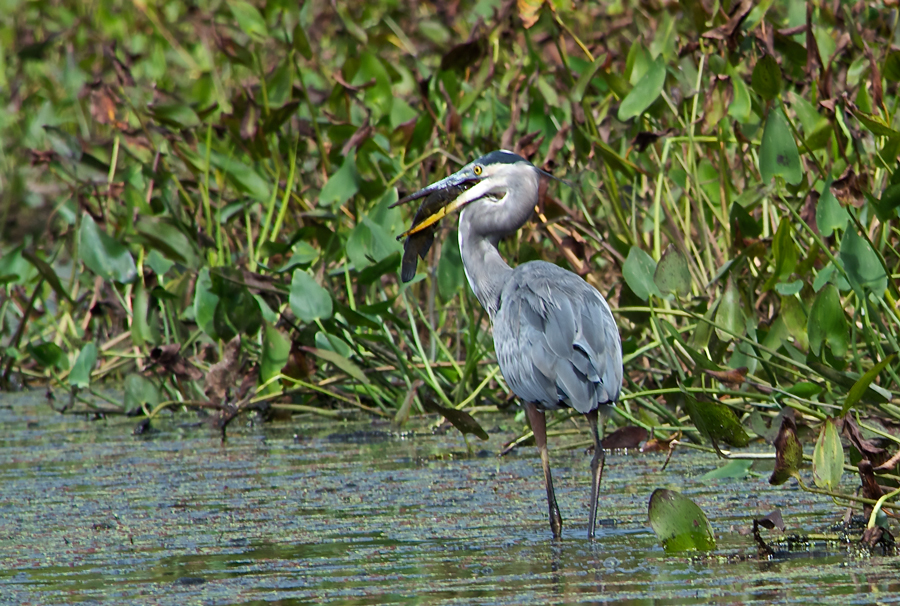
HeronwithFishIt flew off and I was not ready with right camera settings… so here’s a terrible blur of a great sight:
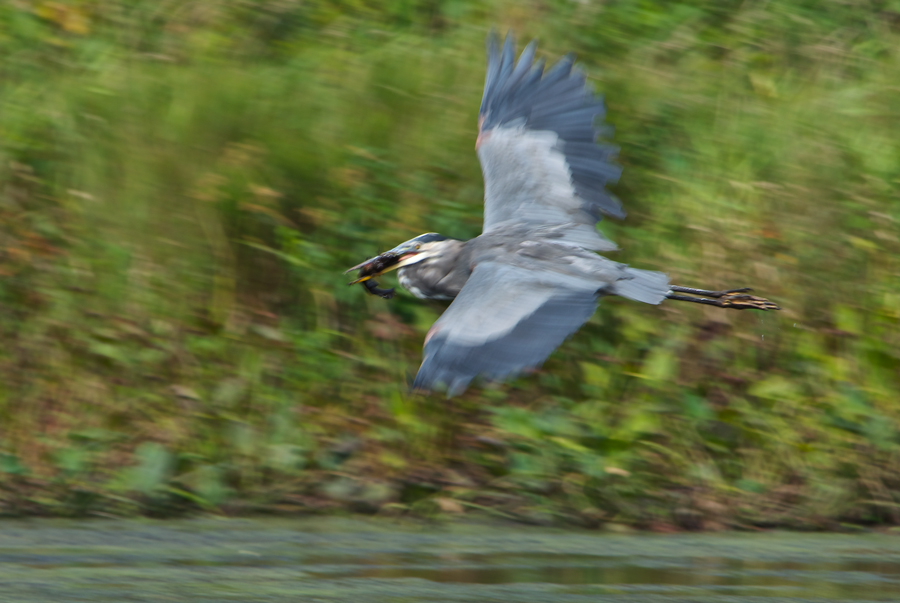
HeroninFlightGreat Blue Herons are about 4 feet tall. They eat mainly fish, but also crabs, insects, frogs, small rodents, snakes, dragonflies… Their favorite breeding areas are beaver swamps, and their favorite nesting areas are in the branches of dead trees down in the water. They mostly migrate, and come back to use the same rookery every year.

Bonus picture of the whole scene. An usually wide place in the river. Felt lucky to have a canoe, a beautiful day, this amazing place, and a friend to go with! and a camera!
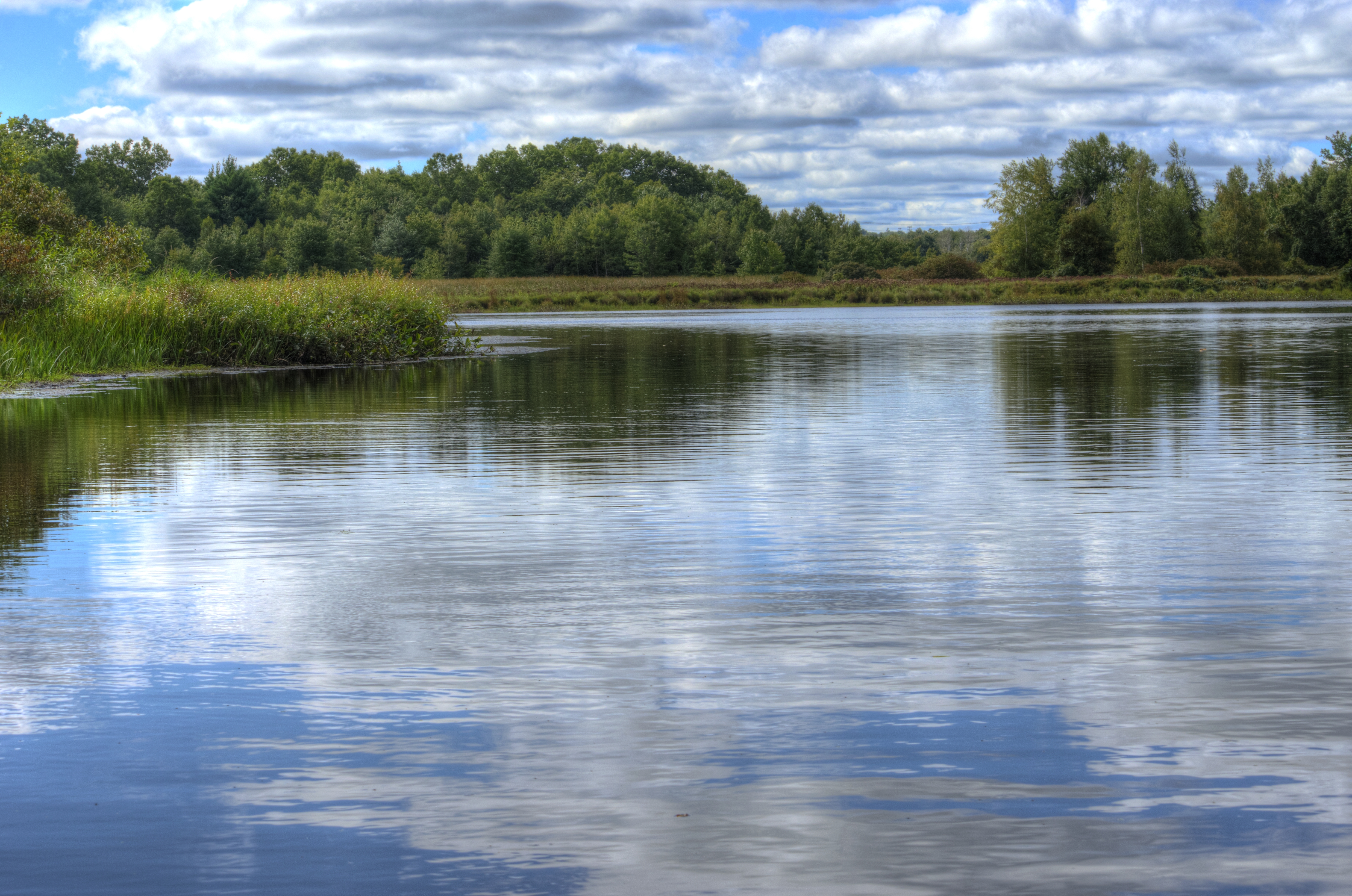
CharlesRiverPaddle

Pinesap

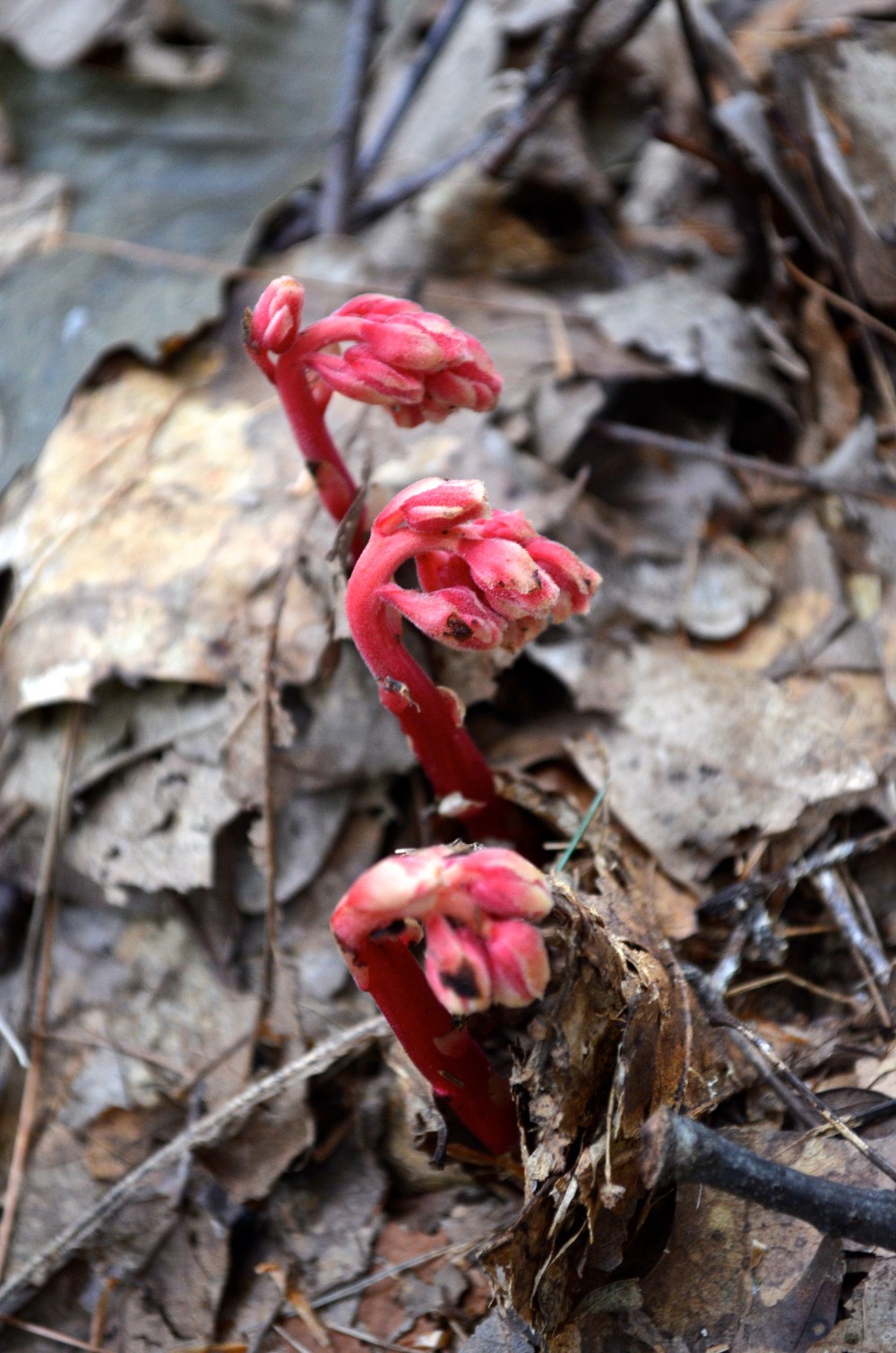
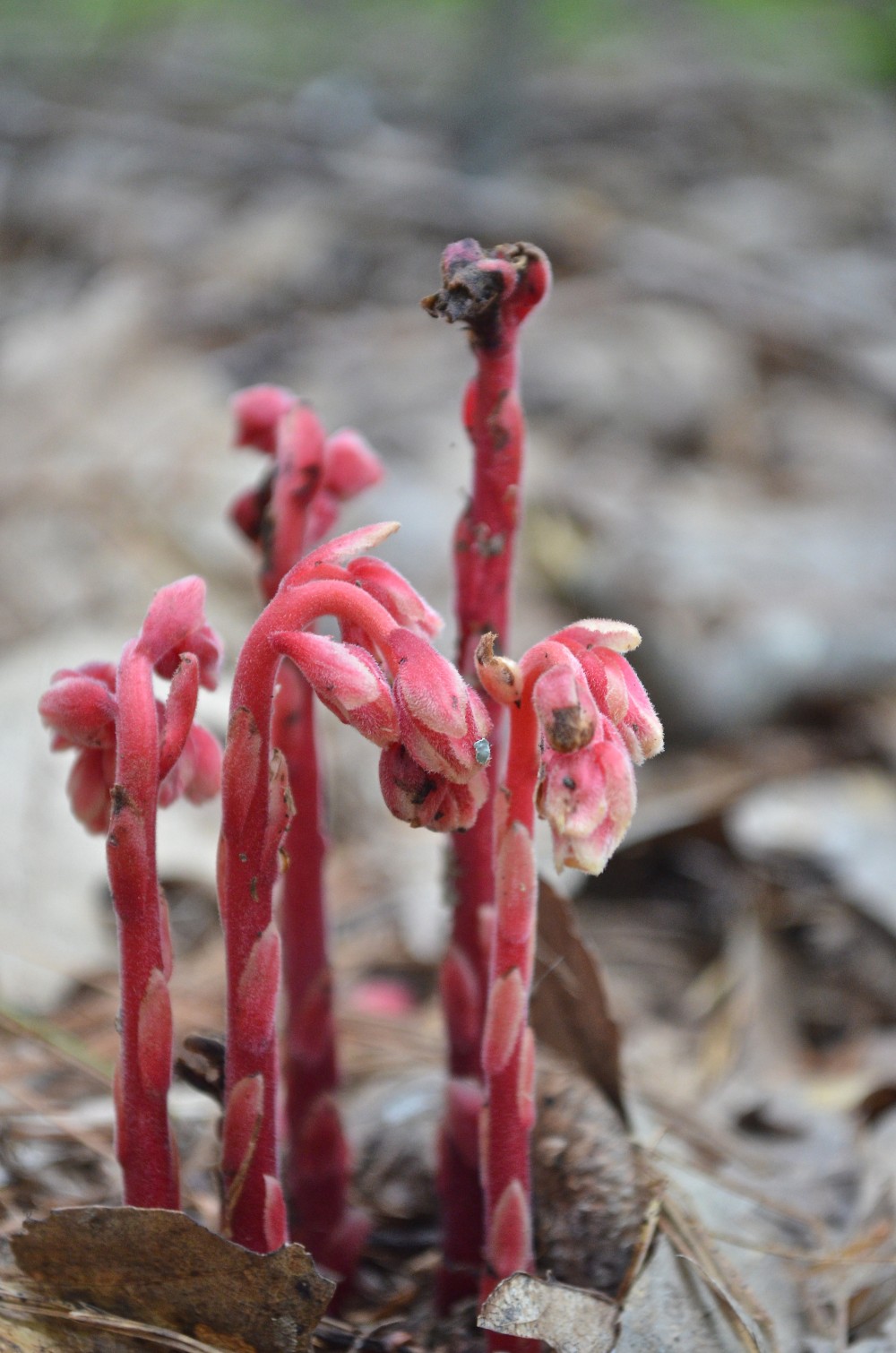
Pinesap 1Pinesap 2The most exciting new wildflower discovery in a long time! A bit of shocking pink among the September leaf litter. Kudos to AF Brian for spotting it first. It’s very like Indian Pipe, but this wonderful color, and it’s rare. It’s a mycotrophic flower — it has no chlorophyll and gets its nutrition from host green plants like a fungus. But instead of being a direct parasite on the host roots, it taps into an intermediary fungus on the roots of the host. Unlike a fungus, it does flower and bear seeds. Can be 12 inches high! Native. Pyrola family.

Pinesap, Dutchman’s Pipe, False Beechdrops (Monotropa hypopithys)

Destroying Angel

Destroying Angel

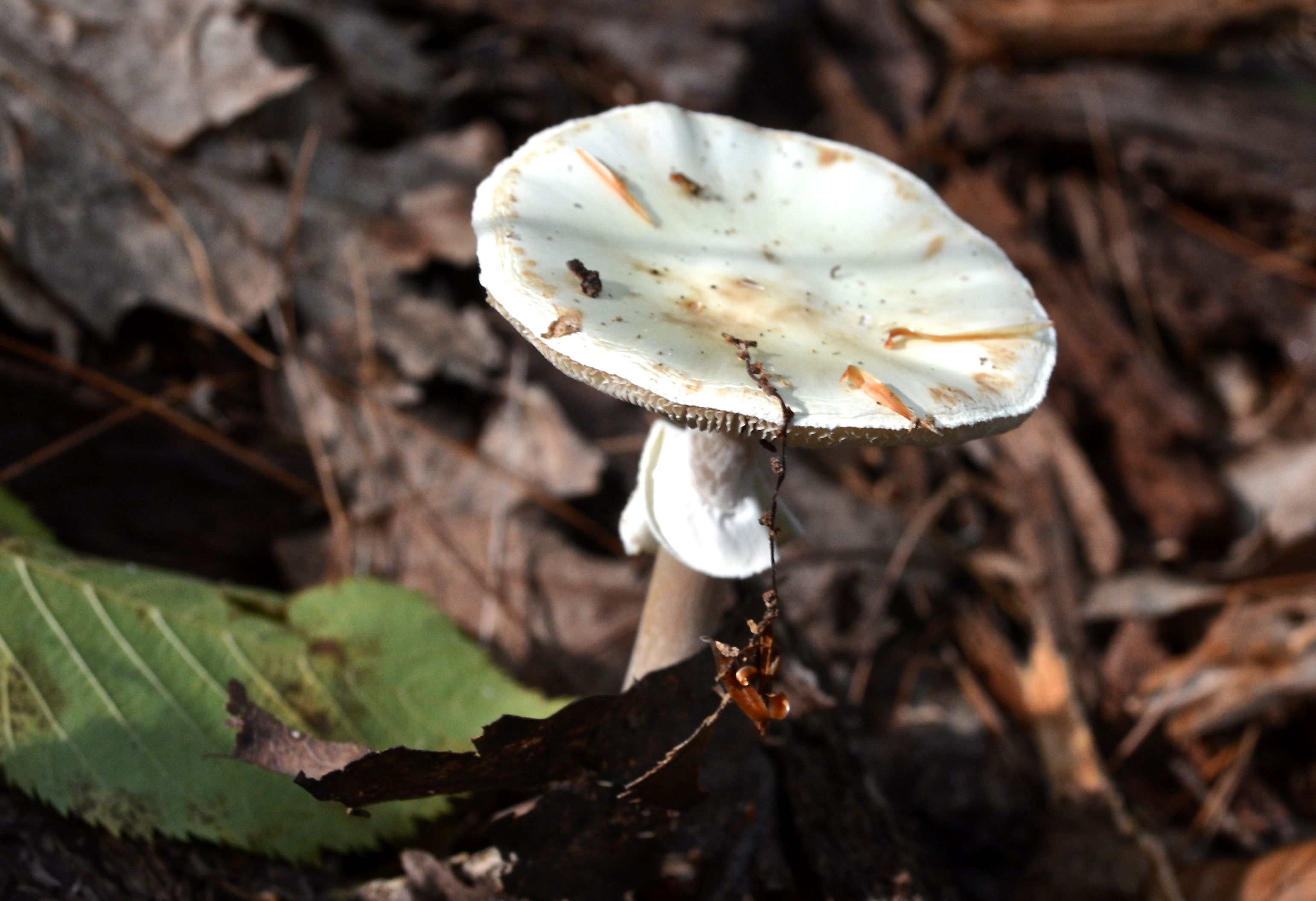
I’m new to identifying mushrooms, but apparently this is a poisonous mushroom that causes death by liver failure from eating just one. Identifying features: has a smooth white cap (sometimes with a tan tint in the center, like this one), gills, and a drapy skirt-like ring near the cap. The first stage of poisoning is called the incubation stage: 6-12 hours with no symptoms while it takes over without you noticing. Don’t eat white mushrooms!

Eastern North American Destroying Angel, Deadly Amanita, White Death Cap, Angel of Death (Amanita bisporigera)

Teasel

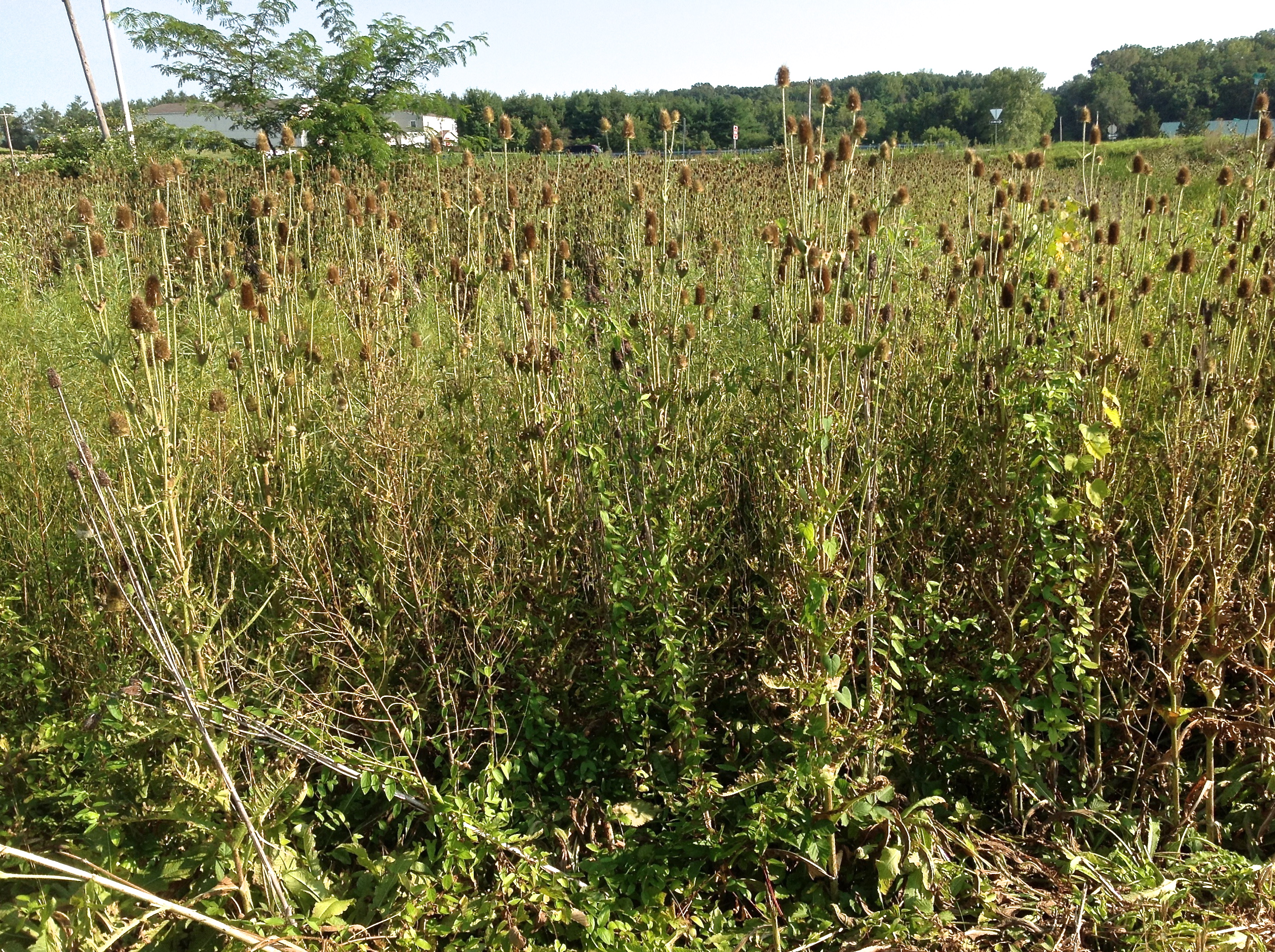
Teasel in ILI had a request from Alert Flowerophile Mary to identify this weedy plant growing in a field in central Illinois. The flower heads are thistle-like and were green, but by the time she photographed them in late August, were brown. They’re about 6 feet tall.

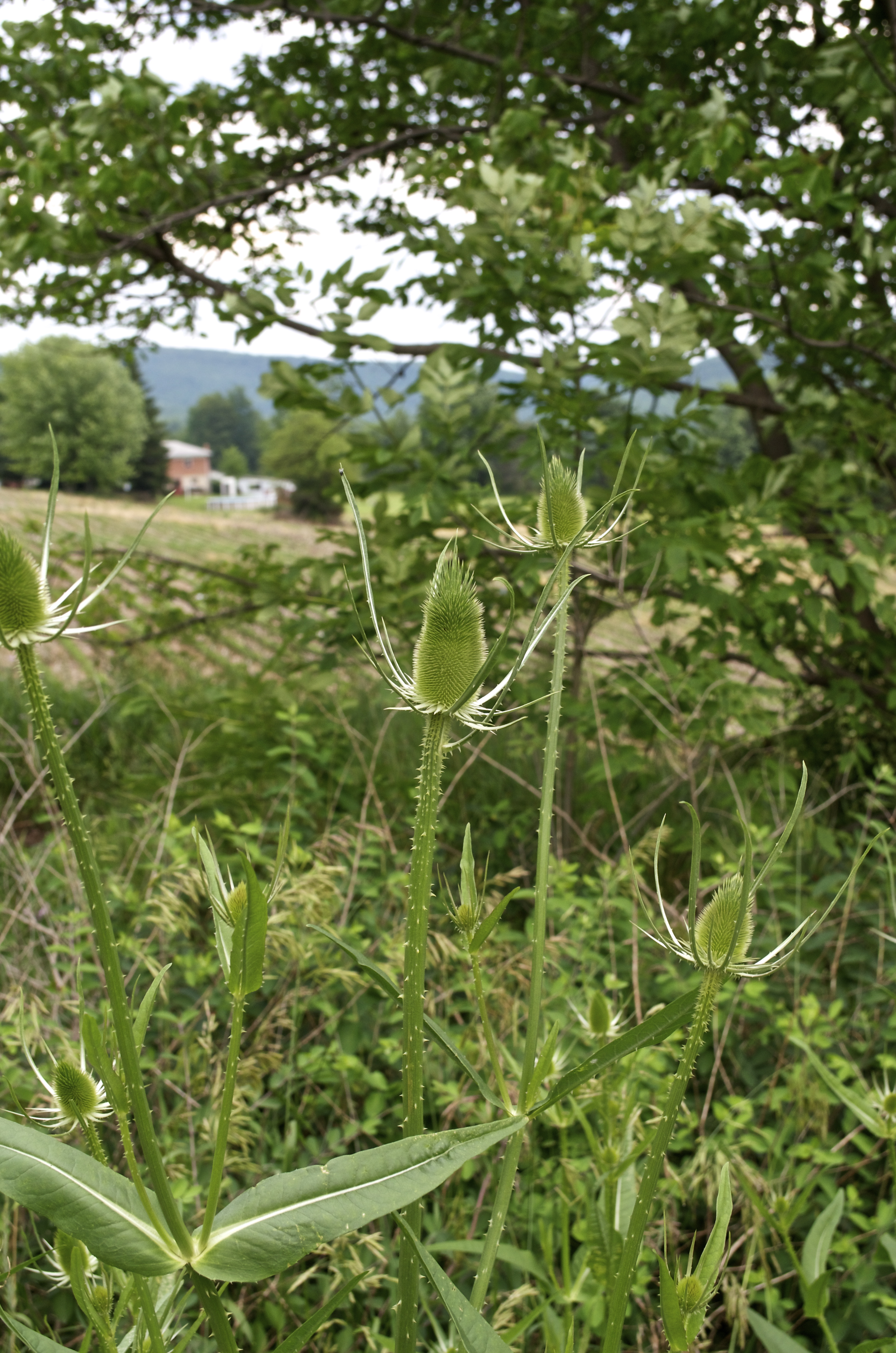
I had shot the same variety while traveling across Pennsylvania June 29…

Teasel in PA

Turns out, this is called Teasel. Has small lilac flowers, but we missed those. Can grow to over 8 feet. Sessile leaves growing together at the stem. The seeds are winter food for birds, especially goldfinches. A cultivated version was widely used in textile processing until the 20th century; they used the dried heads to comb wool to raise the nap (to tease up the fibers — origin of the name!). Native to Eurasia and North Africa.

Teasel (Dipsacus sylvestris)